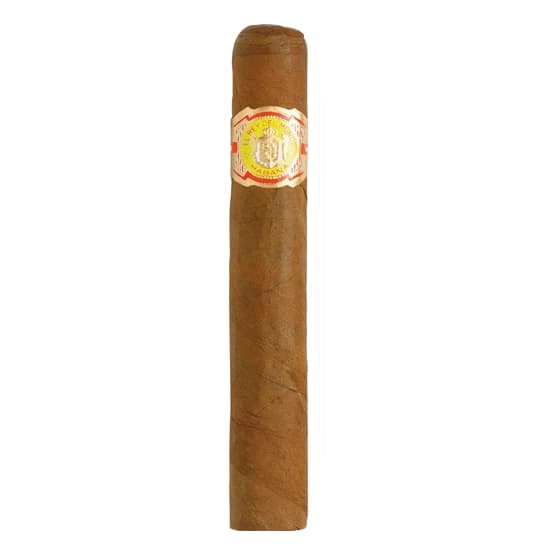
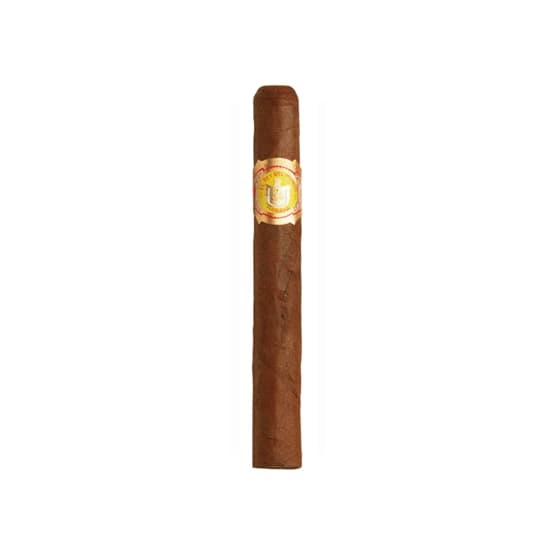
For the serious aficionado, the pursuit of vintage Cuban cigars is often an exercise in preserving history, and few smokes tell a story as compelling as the El Rey del Mundo Royal Series No.2. This particular vitola, long absent from retailer shelves, serves as a tangible artifact from a bygone era of Havana’s tobacco industry. While the El Rey del Mundo brand continues to enjoy a prestigious reputation today, the Royal Series No.2 offers a specific connection to the mid-20th century, a time often romanticized as the pinnacle of Cuban cigar craftsmanship. For collectors seeking to understand the evolution of the marca, this discontinued gem remains an essential, albeit elusive, prize.

Historical Context and Production Timeline
The origins of the Royal Series No.2 stretch back to a pivotal moment in history. The cigar was initially released prior to 1960, placing its birth firmly in the pre-revolutionary "golden age" of Cuban cigar production. This was a time when individual factories held distinct sway over blends and styles, before the industry was consolidated under the state umbrella. The fact that this cigar transitioned through the revolutionary period and remained in production offers a fascinating case study in consistency and change within the Cuban tobacco sector.
Unlike limited editions that come and go in a flash, the Royal Series No.2 enjoyed a substantial run. It remained an active part of the portfolio for well over a decade following the political shifts of the late 1950s. However, all good things must come to an end; the cigar was eventually phased out during the 1970s. Its discontinuation marked the closing of a chapter for that specific vitola within the brand's lineup, transforming it from a consumer product into a collectible relic.
Detailed Specifications and Vitola
Examining the physical attributes of the Royal Series No.2 reveals a classic profile that defined the smoking standards of its time. The dimensions adhere to traditional preferences for length and girth, offering a smoking experience that prioritizes balance and flavor evolution over sheer girth. The construction details, verified through surviving inventory records, paint a picture of meticulous hand-rolling.
The following data outlines the technical specifications for this vintage release:
- Market Name: Royal Series No.2
- Vitola Dimensions: Measuring 129 mm (approximately 5⅛ inches) in length with a ring gauge of 42.
- Weight: Each unit was officially recorded at 8.14 grams.
- Production Method: Totalmente a mano (handmade).
- Factory Name: Specific factory nomenclature for this size remains unrecorded in standard catalogs.
- Band Design: Utilized the standard "Band A" design associated with the marque.
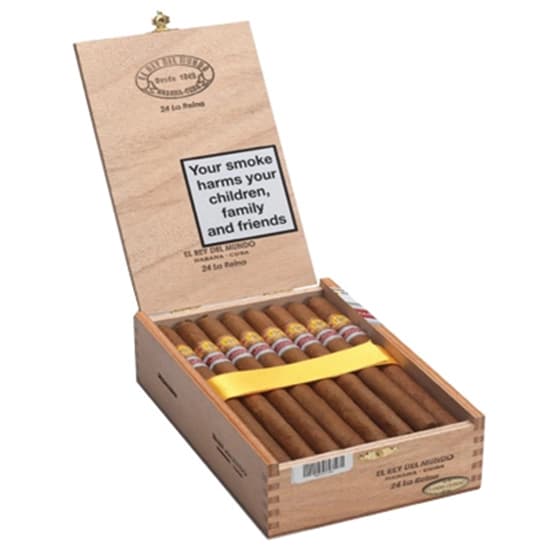
- Packaging: Presented in dress boxes containing 25 cigars.
The choice of a 42 ring gauge is particularly noteworthy. Modern trends often skew toward thicker cigars, but this thinner format allows for a tighter draw and a different combustion rate, often celebrated by traditionalists for concentrating the flavor profile of the wrapper leaf.
Presentation and Packaging
In the world of vintage cigars, presentation is often just as important as the tobacco itself. The Royal Series No.2 was housed in dress boxes of 25, a format that speaks to the elegance of mid-century marketing. These boxes were not merely containers; they were designed to entice and signify luxury. The use of the "Band A" designation on the cigar's wrapper further solidifies its identity within the El Rey del Mundo hierarchy, distinguishing it from other lines within the brand's vast catalog. For a collector, finding a box with its original dress design intact is a significant coup, as the artwork itself is a piece of graphic design history.
Collectibility and Market Status
Today, the Royal Series No.2 exists solely in the realm of the secondary market and private humidors. Its status as a discontinued regular production item has elevated its desirability significantly. Because the cigar has been out of production since the 1970s, supply is finite and dwindling. Each surviving box represents a direct link to the manufacturing techniques and tobacco varietals of the mid-20th century, offering a flavor profile that modern production cannot replicate.
For historians and connoisseurs, the allure lies in the smoke's provenance. It serves as a benchmark for how the El Rey del Mundo brand has evolved. Finding a well-preserved sample requires patience and due diligence, as condition is paramount with cigars of this age. The Royal Series No.2 stands as a silent witness to history, a smoke that has transcended its original purpose to become a coveted piece of Cuban heritage.