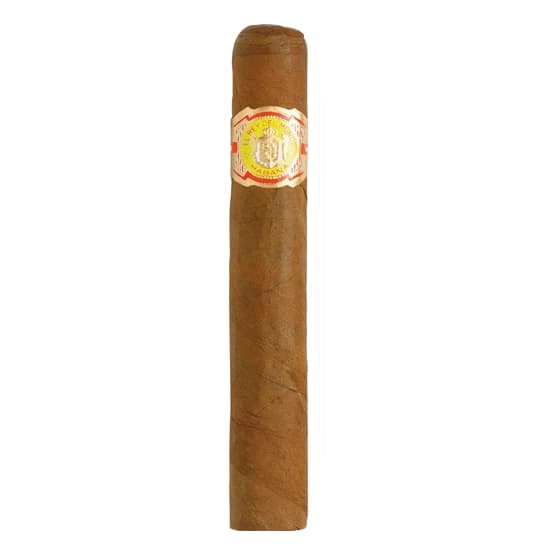
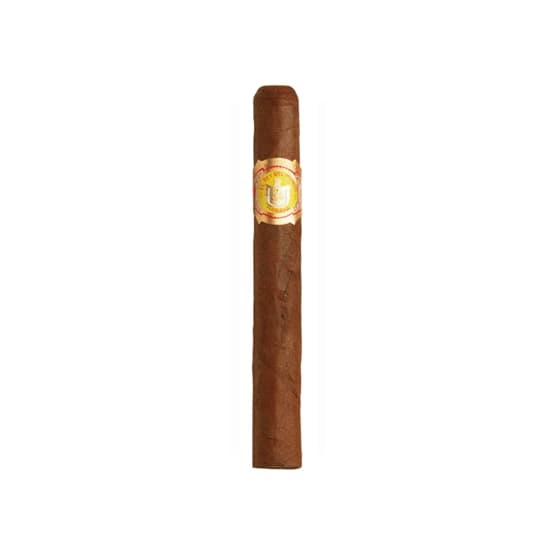
When the world of premium Cuban cigars is discussed, few names evoke as much reverence as El Rey del Mundo—a marque that has symbolized sophistication and restrained elegance since the late‑1800s. One of its most intriguing vitolas, the Petit Lonsdales, managed to capture the essence of that legacy in a compact, well‑balanced format that delighted smokers for more than four decades. Though the cigar has now slipped from production, its story remains a fascinating chapter in the annals of Cuban tobacco craftsmanship.

Origins and Early Years
The Petit Lonsdales first appeared on the market before 1960, a period that coincided with a seismic shift in Cuba’s cigar industry. The brand, whose name translates to “King of the World,” was already celebrated for delivering refined, nuanced smokes rather than sheer strength. The introduction of this vitola coincided with the nationalization of Cuban tobacco enterprises, a time when many iconic cigars were being standardized under state control. Despite the upheaval, the Petit Lonsdales endured, becoming a staple for smokers who sought a medium‑bodied experience without sacrificing complexity. Its early success cemented the brand’s reputation for accessible luxury, a hallmark that would continue to define El Rey del Mundo for generations.
Physical Characteristics
Designed as a Marevas size, the Petit Lonsdales strikes a harmonious balance between length and ring gauge. It measures 129 mm (5 ⅛ inches) in length and sports a 42‑ring gauge, yielding a slender yet substantial smoke. The cigar weighs in at approximately 8.46 grams, a weight that ensures a steady, even burn throughout the smoking session. Hand‑made construction guarantees the meticulous layering of filler and binder leaves, while the standard band—adorned with the classic El Rey del Mundo insignia—adds a touch of timeless elegance. Packaging reflected the era’s preference for modest quantities: the Petit Lonsdales was sold in a dress box of 25 cigars and also in a slide‑lid cabinet of the same count, allowing retailers to display them with both practicality and visual appeal.
- Factory Name: Marevas
- Ring Gauge: 42
- Length: 129 mm (5 ⅛ inches)
- Weight: 8.46 g
- Construction: Handmade
- Band: Standard El Rey del Mundo band
- Packaging Options: Dress box (25 cigars), Slide‑lid cabinet (25 cigars)
Production Timeline and Variants
Throughout its long tenure, the Petit Lonsdales benefited from occasional variations in presentation. In the 1970s and early 1980s, the cigar was also offered in a convenient tubed format, known as the Tubo No.2 (product code B25at). This variant provided added protection for travel, a feature that appealed to on‑the‑go enthusiasts. However, as market preferences shifted toward more streamlined packaging, the tubed option was discontinued during the 1980s, leaving only the traditional box formats. Despite these changes, the Petit Lonsdales remained a fixture of the El Rey del Mundo catalog until 2003, when the brand officially retired the vitola. The decision marked the end of an era, as smokers lost access to a smoke that had become synonymous with balanced, contemplative enjoyment.
Collectibility and Brand Legacy
Today, surviving examples of the Petit Lonsdales are highly prized by collectors and connoisseurs alike. Their scarcity, coupled with the historical significance of the brand, makes them coveted pieces in any humidor devoted to Cuban heritage. The cigar’s moderate size—providing roughly 30 to 45 minutes of smoking time—still offers a perfect opportunity for a leisurely pause, a quality that many modern vitolas aim to emulate but rarely achieve. While El Rey del Mundo continues to produce other celebrated smokes, the Petit Lonsdales stands as a testament to the brand’s enduring commitment to refinement over brute force. Owning one of these vintage sticks is not merely about puffing a cigar; it’s an invitation to step back into a period when craftsmanship and elegance defined the Cuban cigar experience.