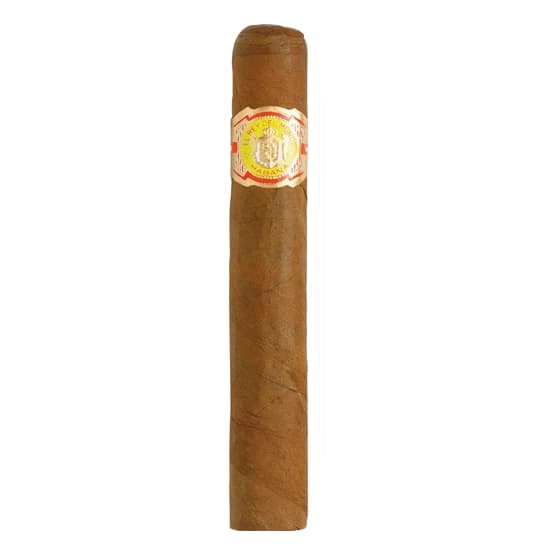
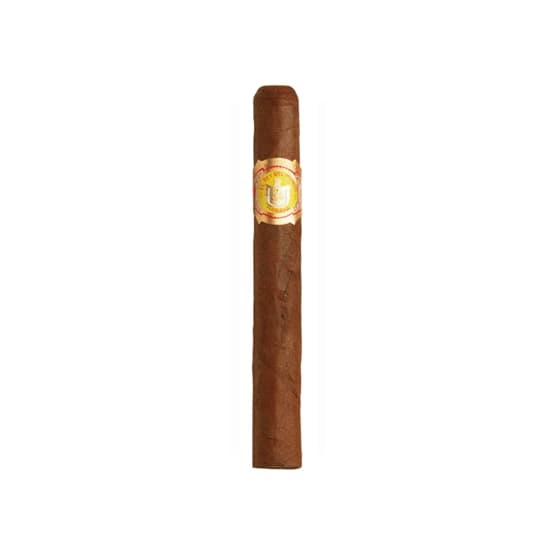
For the serious cigar aficionado, the paper ring adorning a premium smoke serves a purpose far beyond mere decoration; it acts as a historical fingerprint. Nowhere is this more evident than with the storied El Rey del Mundo brand. As one of Cuba’s most prestigious marques, the evolution of its cigar bands offers a fascinating timeline of the island’s tobacco industry. Tracing the changes in these labels allows collectors to pinpoint the era of production, separating rare vintage finds from modern productions.
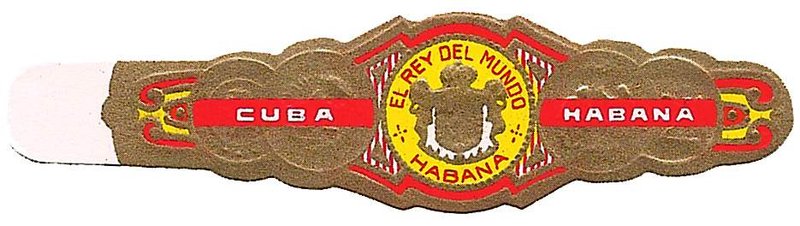
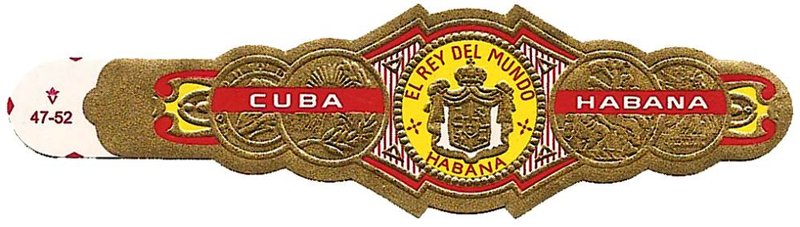

The Pre-Revolutionary Golden Age
Long before the geopolitical shifts of the mid-20th century reshaped Cuba, El Rey del Mundo established itself as a benchmark for luxury. The bands produced prior to the 1960s represent the earliest chapter in this visual history. These artifacts are characterized by a level of craftsmanship that prioritized tactile depth, featuring intricate embossing that signaled the brand's premium status to the consumer.
Because these specific designs were retired decades ago, they have become rare treasures in the world of tobacciana. Surviving examples from this pre-revolutionary epoch are highly coveted by historians. Finding a box with these early bands intact is akin to uncovering a time capsule, offering a tangible link to the brand's formative decades of global expansion.
The Era of Standardization and Standard Band A
The Cuban Revolution necessitated a massive reorganization of the cigar industry, leading to the centralization of production under state control. During this transition in the 1960s, El Rey del Mundo adopted what industry experts classify as Standard Band A. This design shift marked a move toward uniformity while attempting to retain the brand's dignified reputation.
This specific iteration of the label remained the face of the brand for an impressive duration, spanning several decades. While it moved away from the unique aesthetics of the early 20th century, it maintained a commitment to quality through continued embossed detailing. For many seasoned smokers, this band represents the classic "Cuban flavor profile" era, synonymous with the export boom of the 1970s and 80s.
Modernization and the Introduction of Standard Band B
The turn of the millennium brought a renewed focus on visual presentation and special releases. In 2007, Habanos S.A. unveiled Standard Band B, a design initially reserved exclusively for special edition and limited release cigars under the El Rey del Mundo marque. This new look was a deliberate upgrade, featuring refined embossing work that offered a more sophisticated texture compared to its predecessor.
What began as a premium option for special releases eventually became the new normal. Approximately around 2010 or 2011, the company transitioned Standard Band B into the regular production line. This was a significant move, effectively elevating the aesthetic standard for everyday cigars. Today, this is the design found on current boxes, representing the modern standard of the brand.
A Collector's Guide to Authentication
Understanding the distinct differences between these design eras is essential for verifying the age of a box. The progression tells a clear story of industrial adaptation and brand management. Collectors looking to authenticate a purchase should pay close attention to the embossing style and print quality to determine if a box is a vintage gem or a modern classic.
- Early Era (Pre-1960s): Discontinued designs with highly detailed, intricate embossing.
- Standard Band A (1960s - c.2010): The long-running standard issue featuring embossed detailing; status is currently uncertain regarding new production but largely phased out.
- Standard Band B (2007 - Present): Originally for special releases, now the default for standard production since roughly 2011; characterized by refined, sharper embossing.
By mastering these visual cues, an enthusiast can navigate the secondary market with confidence, ensuring that the "King of the World" in their humidor is exactly what the label claims it to be.