
Long before Davidoff established its Dominican operations, the brand forged an enduring legacy through its partnership with Cuban factories. Among the most intriguing artifacts from this golden age of Havana production stands the Davidoff 4000, a cigar that captured the imagination of connoisseurs throughout two decades of production. Today, surviving examples serve as tangible connections to an era when the Davidoff name was inextricably linked to Cuban tobacco artistry.

The Origins of a Cuban Icon
The dawn of the 1970s marked a pivotal moment for Zino Davidoff's burgeoning empire. On the first day of January 1970, the 4000 made its debut, arriving during what many enthusiasts consider the foundational period of the brand's manufacturing venture in Cuba. This timing was significant, as it positioned the vitola among the earliest expressions of Davidoff's collaboration with Cuban rollers and blenders.
For approximately twenty-one years, the 4000 remained a fixture in the company's standard lineup. However, the changing landscape of the global cigar market eventually caught up with this classic. By 1991, production ceased permanently, coinciding with broader shifts that would ultimately see Davidoff relocate its cigar manufacturing to the Dominican Republic. This discontinuation transformed the 4000 from a readily available smoke into a treasured relic of a bygone era.
Technical Specifications and Dimensions
The Davidoff 4000 carried the factory designation Coronas Grandes, a name that hints at its generous proportions while maintaining traditional proportions cherished by seasoned smokers.
- Length: 155 millimeters (approximately 6⅛ inches)
- Ring Gauge: 42
- Official Weight: 10.14 grams
- Construction: Entirely handmade
- Band: Standard Davidoff band A
These measurements placed the 4000 in a sweet spot for enthusiasts who appreciated extended smoking sessions without committing to the heftier ring gauges that would later dominate the market. The 42-ring gauge offered a classic feel in the hand, while the additional length compared to standard corona formats allowed for more complex flavor evolution as the burn progressed.
Presentation and Packaging Options
During its production run, Davidoff offered the 4000 in two distinct formats designed to accommodate different purchasing preferences and budgets.
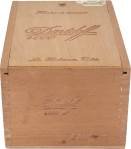
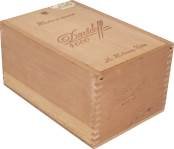
Available Packaging Formats
Smokers could acquire the 4000 in either a modest cardboard pack containing five cigars or opt for the more substantial slide-lid box housing twenty-five units. Both presentation styles featured the instantly recognizable band A design that Davidoff employed across its standard production during this period. The slide-lid boxes, in particular, have become prized possessions among collectors, with their distinctive wooden construction and elegant branding serving as display pieces in their own right.
Legacy and Modern Collectibility
The transformation of the Davidoff 4000 from a regular production item to a collectible treasure reflects the broader evolution of the premium cigar market. Following its discontinuation over three decades ago, well-preserved specimens have become increasingly difficult to locate. For serious collectors of Cuban heritage cigars, securing an authentic box or even individual specimens represents a significant achievement.
What makes the 4000 particularly valuable from a historical perspective is its status as a genuine Cuban-made Davidoff. The brand's subsequent shift to Dominican production means that these cigars represent an unrepeatable chapter in luxury tobacco history. Each surviving example serves as evidence of the craftsmanship, tobacco sourcing, and blending philosophies that defined Davidoff's Cuban period.
Collectors prize properly stored specimens not merely for their rarity, but for what they represent: a direct link to the collaborative venture between Zino Davidoff's vision and Cuba's legendary tobacco traditions. The 4000 embodies a moment when the island's leaf and the brand's prestige converged to create something genuinely distinctive. For those fortunate enough to experience a well-aged example today, the cigar offers more than flavor—it delivers a sensory journey through the annals of cigar history.