In the rarefied air of luxury tobacco, few items command as much mystique and reverence as the Cohiba Lanceros created specifically for diplomatic gifting. These are not merely cigars; they are historical artifacts from an era when tobacco served as a cornerstone of international relations for Cuba. Conceived outside the boundaries of commercial enterprise, these slender masterpieces were reserved exclusively for the elite echelons of global society, functioning as tangible symbols of honor and diplomatic courtesy during the brand's foundational years.

The Genesis of a State Gift
The story of these exclusive cigars begins in the 1970s, a defining decade for the Cohiba brand. While the label had already secured its status as the premier Cuban cigar, the demand for an even more prestigious offering led to the creation of these special presentation pieces. They were never designed for retail shelves or public consumption. Instead, their purpose was deeply political and ceremonial, intended to solidify bonds between nations and recognize the stature of visiting dignitaries.
Production was entrusted solely to the legendary El Laguito factory, the spiritual home of Cohiba. Under the factory designation "Laguito No.1," the creation of these cigars was a task reserved for the most accomplished hands in the industry. Only the elite torcedores—master rollers with years of experience—were permitted to craft these gifts. This rigorous selection process ensured that every cigar presented to a head of state or high-ranking official represented the absolute pinnacle of Cuban artisanship, flawless in construction and flavor.
Anatomy of the Lanceros
The chosen format for these diplomatic offerings was the Lanceros, a vitola that embodies elegance and tradition. Measuring an impressive 192mm (7½ inches) in length with a slender ring gauge of 38, this format is technically demanding. The narrow diameter requires an exacting technique during the bunching process; there is no room for error, as an uneven distribution of tobacco would ruin the draw and combustion.
Key Specifications:
- Dimensions: 192mm length with a 38 ring gauge.
- Factory Name: Referred to internally as "Laguito No.1".
- Weight: Approximately 10.29g per cigar.
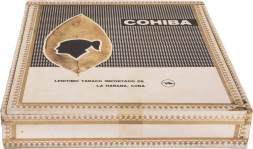
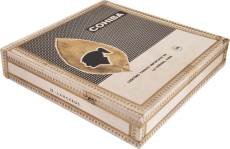
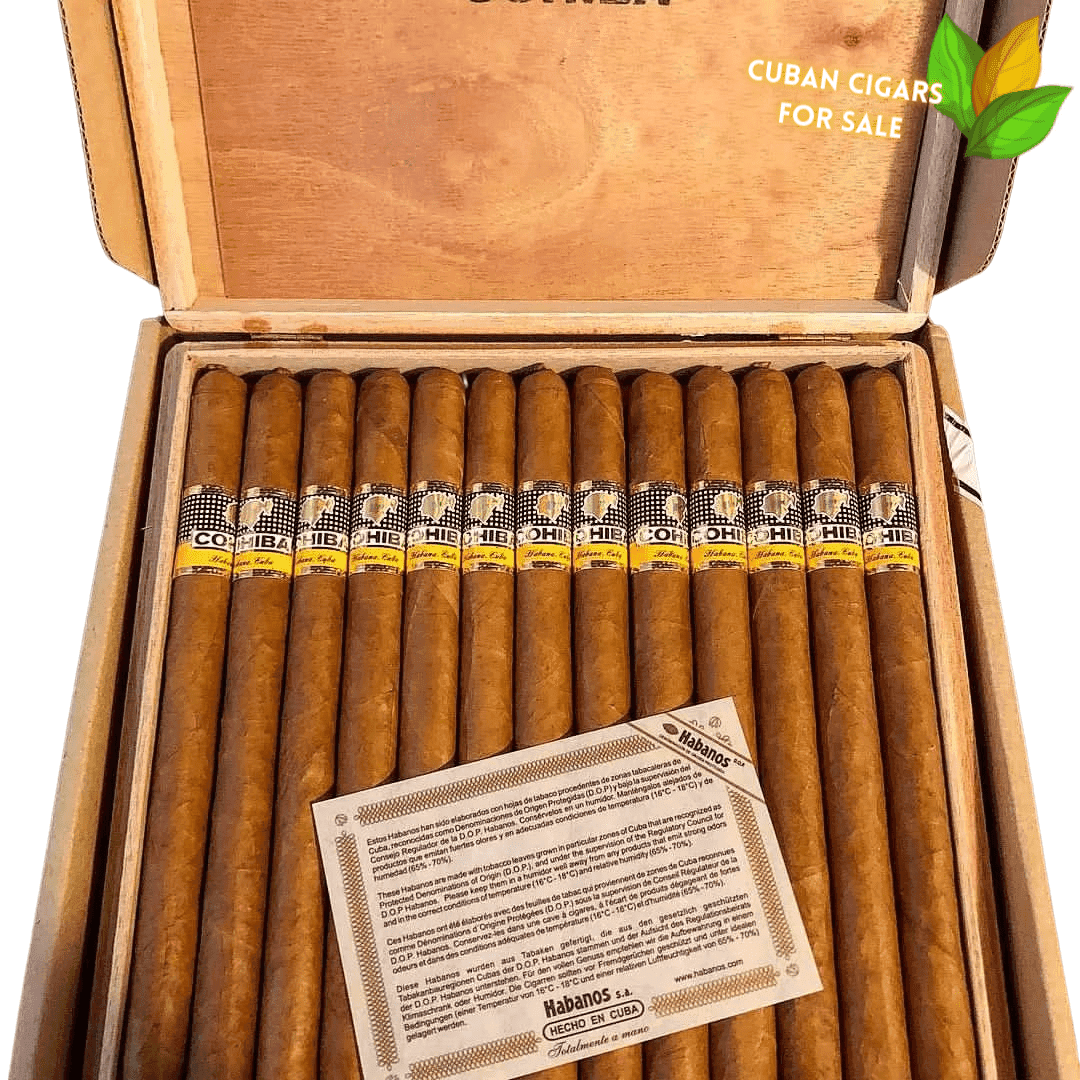
- Presentation: Housed in dress boxes containing 25 units.
The length of the cigar allows for a cooling smoke and a complex evolution of flavors, showcasing the refined tobacco blends that define the Cohiba profile. For the recipient, the experience was meant to be one of nuanced sophistication rather than brute strength.
Personalization and Distinction
While the standard production Cohiba Lanceros of the era featured the recognizable bands, the diplomatic versions carried unique markers of their status. These gifts were distinct not just in their quality, but in their presentation. The cigars typically featured the standard bands—classifications B, C, D, and E—associated with that specific historical period.
However, the true distinction lay in the personalization reserved for the most distinguished recipients. In exceptional circumstances, the cigars were adorned with custom-printed bands featuring the recipient's name. This level of personalization transformed a valuable commodity into a unique commemorative artifact, elevating the gift from a gesture of goodwill to a deeply personal memento. Today, these named bands are the holy grail for collectors, representing the intersection of political history and tobacco artistry.
A Legacy Beyond Commerce
Because these cigars were never sold commercially, their existence in the modern secondary market is scarce. They serve as a window into a time when the Cohiba brand was still establishing its global identity, using its finest tobacco as a tool of soft power. The legacy of the Cohiba Lanceros Diplomatic Gifts endures not only in the collections of fortunate aficionados but also in related releases that have followed, such as the standard production Lanceros and special edition humidors like the Siglo XXI and the Guayasamin I. Yet, the original diplomatic gifts remain in a class of their own, untainted by the commercial market and forever linked to the history of international diplomacy.