In the rarefied world of premium Cuban cigars, few names evoke as much reverence and prestige as Cohiba. Synonymous with luxury, history, and the revolutionary spirit of Cuba, the brand stands as the flagship of Habanos S.A.. While the brand produces many celebrated vitolas, there is a profound significance attached to its origins. Today, we explore the deep heritage of the brand and the specific release that honors its inception: the Cohiba 1966 - A Tribute to the Brand's Founding Year. This exploration takes us beyond the smoke, into the heart of Cuban craftsmanship and the historical moments that defined a global icon.
The Genesis of a Legend: 1966
The year 1966 marks a pivotal moment in cigar history. It was the year that the Cohiba brand was officially established, though its roots trace back a few years earlier to a clandestine beginning. The story goes that Fidel Castro noticed his bodyguard smoking a distinctively aromatic cigar. Intrigued by its unique bouquet, Castro inquired about its origin. He was introduced to Eduardo Ribera, a master blender who had created the cigar for his own pleasure and for close friends.
Recognizing the exceptional quality of Ribera's work, Castro commissioned the creation of a state-run brand to be produced exclusively for government officials and as diplomatic gifts. Thus, in 1966, the brand was formalized. The name "Cohiba" was chosen, derived from the Taíno word for the bunches of tobacco leaves smoked by indigenous Cubans—a word that is arguably the oldest term associated with cigar smoking in history.
The El Laguito Factory
To ensure the highest standards of production, the El Laguito factory was established in Havana. This location became the birthplace of every authentic Cohiba, staffed by the most skilled torcedores (rollers) in the country. Unlike other brands produced in massive quantities, Cohiba was initially a tightly controlled luxury, unavailable for purchase on the open market. This exclusivity cemented its status as a symbol of the Cuban revolution and its diplomatic reach.
Cohiba Majestuosos 1966: A Golden Anniversary Tribute
Half a century after that founding year, Habanos sought to commemorate the brand's enduring legacy with a release that would captivate aficionados worldwide. Enter the Cohiba Majestuosos 1966. Released as part of the Edición Limitada (Limited Edition) series in 2016, this cigar serves as a direct homage to the brand's genesis.
The Cohiba 1966 - A Tribute to the Brand's Founding Year is not merely a cigar; it is a historical artifact in vitola form. It measures 5 7/8 inches (150 mm) with a ring gauge of 52, a robust format that allows for a complex evolution of flavors. What makes this particular release distinct is the use of Medio Tiempo leaves. These leaves are harvested from the top of the sun-grown tobacco plant, offering an intense richness and aroma that standard leaves cannot provide.
Flavor Profile and Construction
Aficionados who light a Majestuosos 1966 can expect a sensory journey reflective of the brand's heritage. The initial draw offers notes of earth and cedar, typical of the Vuelta Abajo region, but quickly transitions into more complex territory. Hints of cocoa, dried fruit, and a subtle spiciness emerge, underpinned by the creamy sweetness that Cohiba is famous for. The construction is invariably flawless, a testament to the continued mastery of the rollers at El Laguito.
The Secret Behind the Blend: Third Fermentation
One cannot discuss the history or the unique nature of Cohiba without mentioning its defining production process. Since 1966, Cohiba has been distinguished by its use of third fermentation barrels. While most Cuban cigars undergo two fermentations, the seco and ligero leaves destined for Cohiba are placed in wooden barrels for an additional, lengthy fermentation.
This extra step serves a dual purpose:
- Purification: It removes any remaining impurities and unwanted chemical compounds, resulting in a smoother smoke.
- Flavor Concentration: It concentrates the natural sugars and oils in the leaf, creating the distinctively smooth yet robust flavor profile that defines the brand.
This labor-intensive process is a key reason why Cohiba remains the benchmark for Habanos, and it is executed to perfection in the tribute cigars released decades later.
A Legacy of Global Expansion
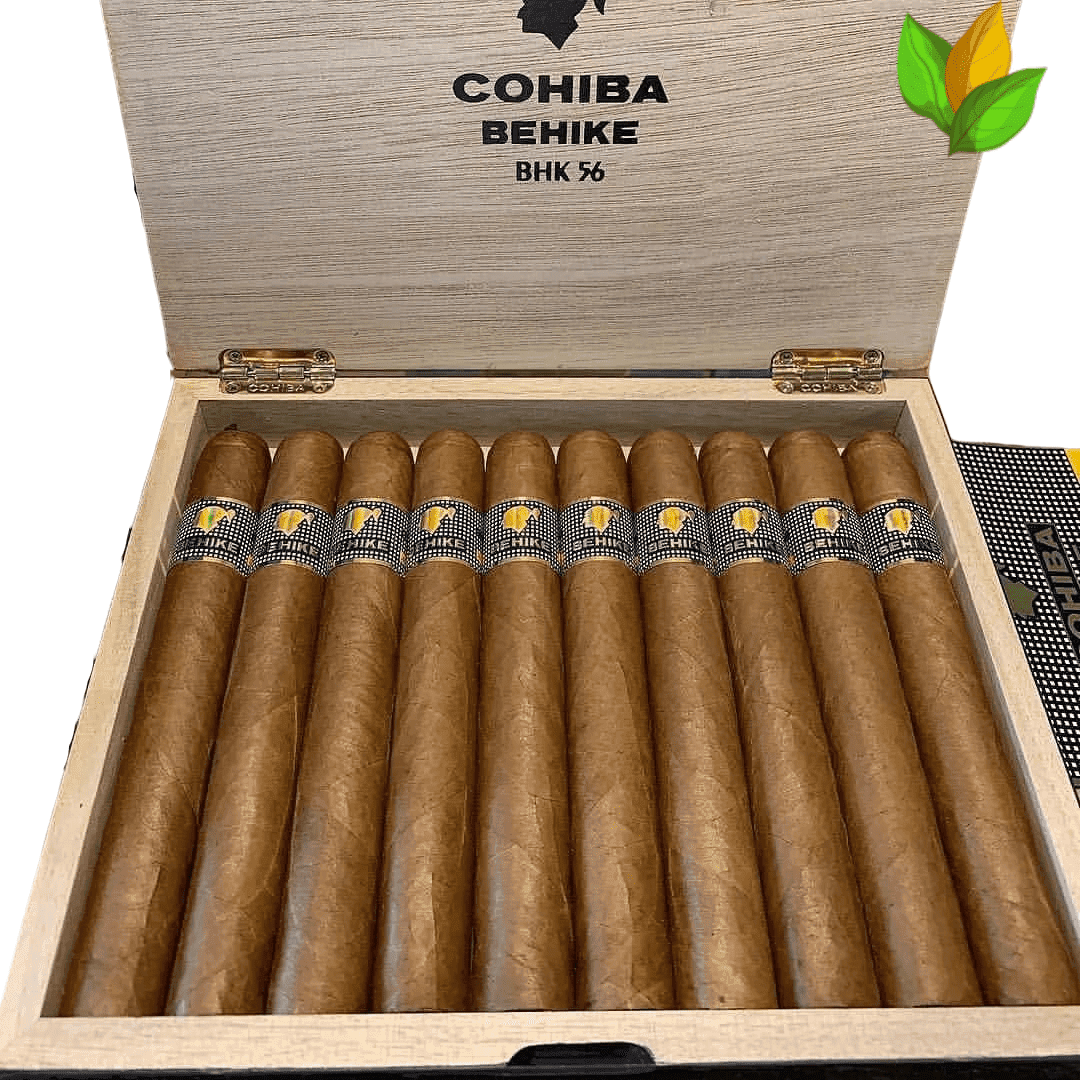
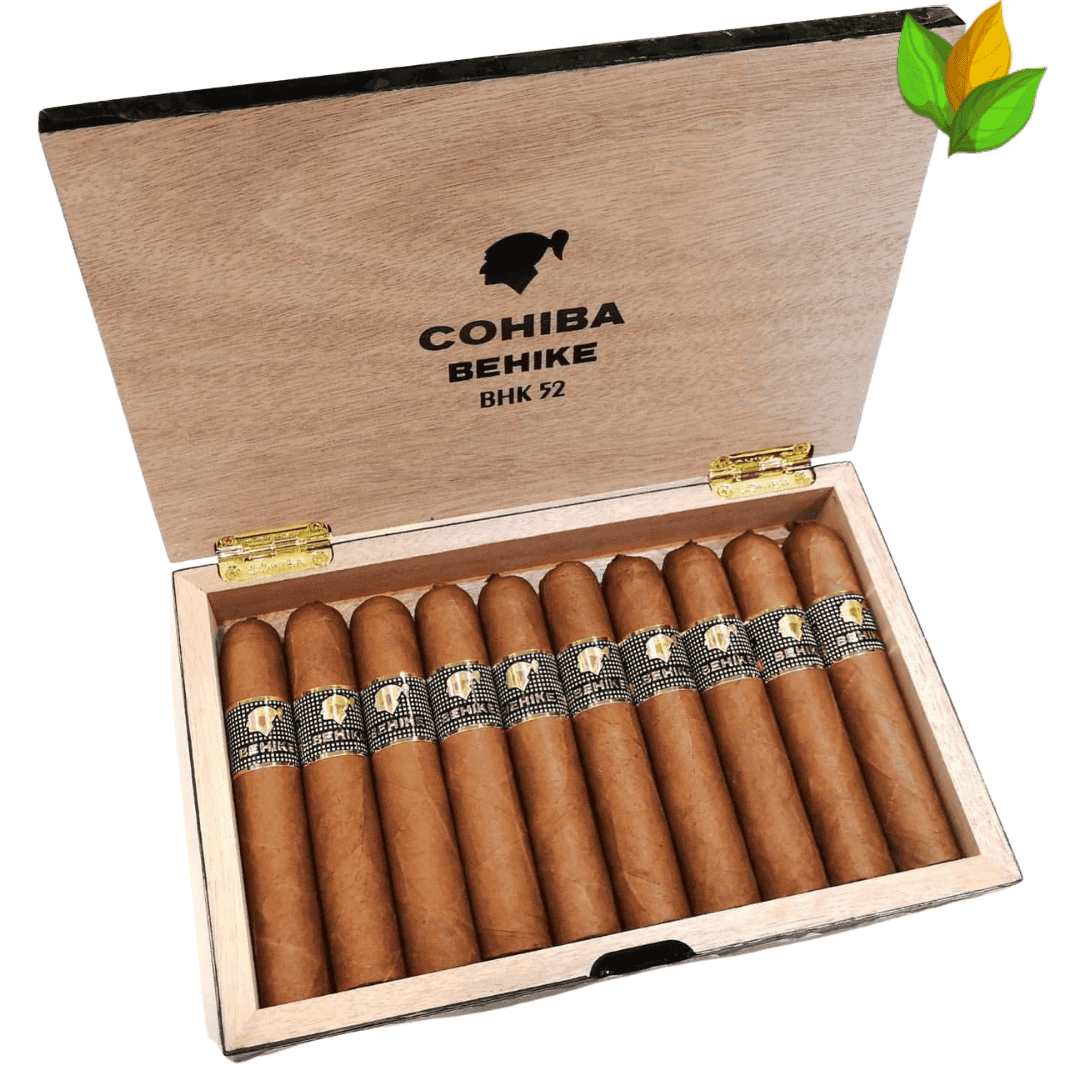
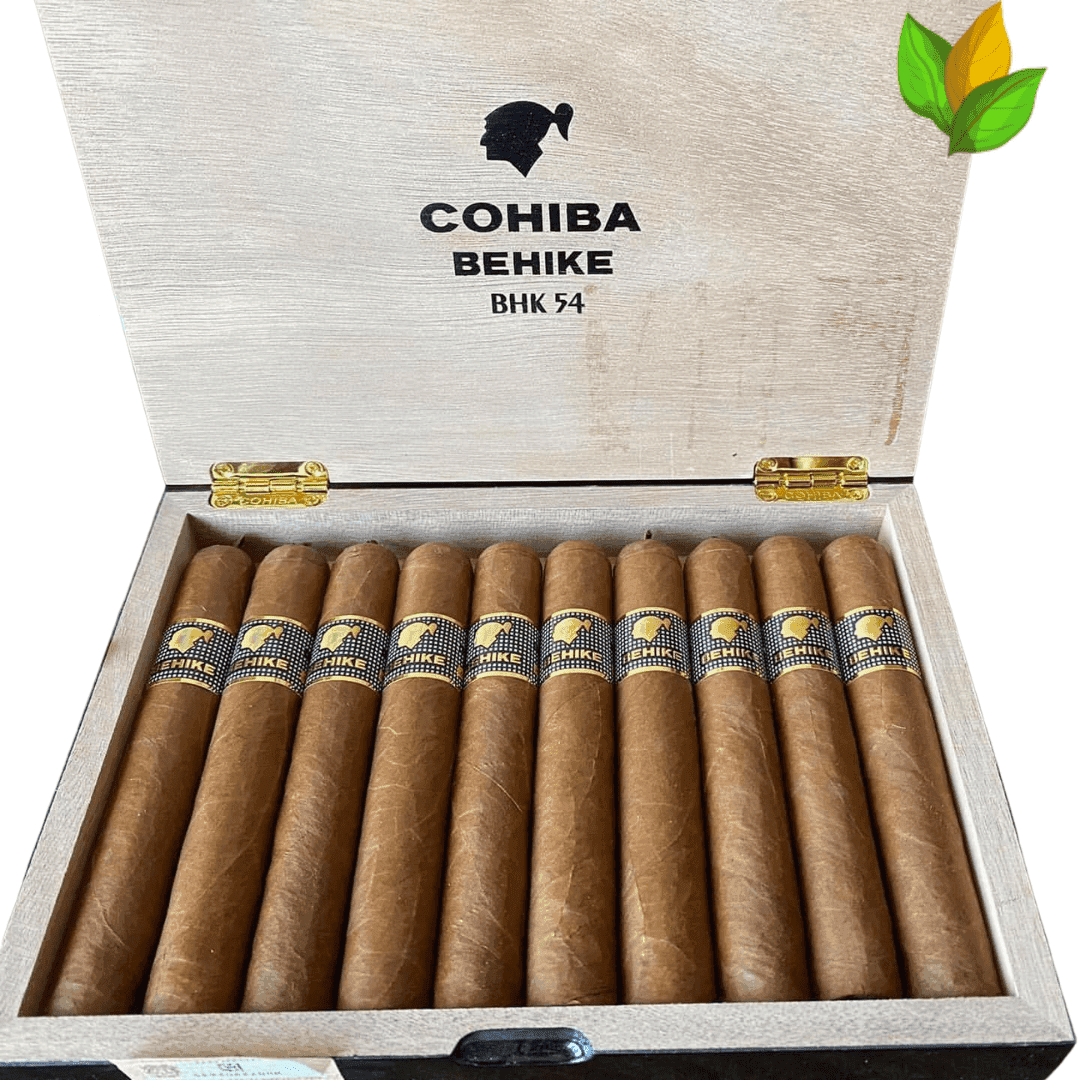
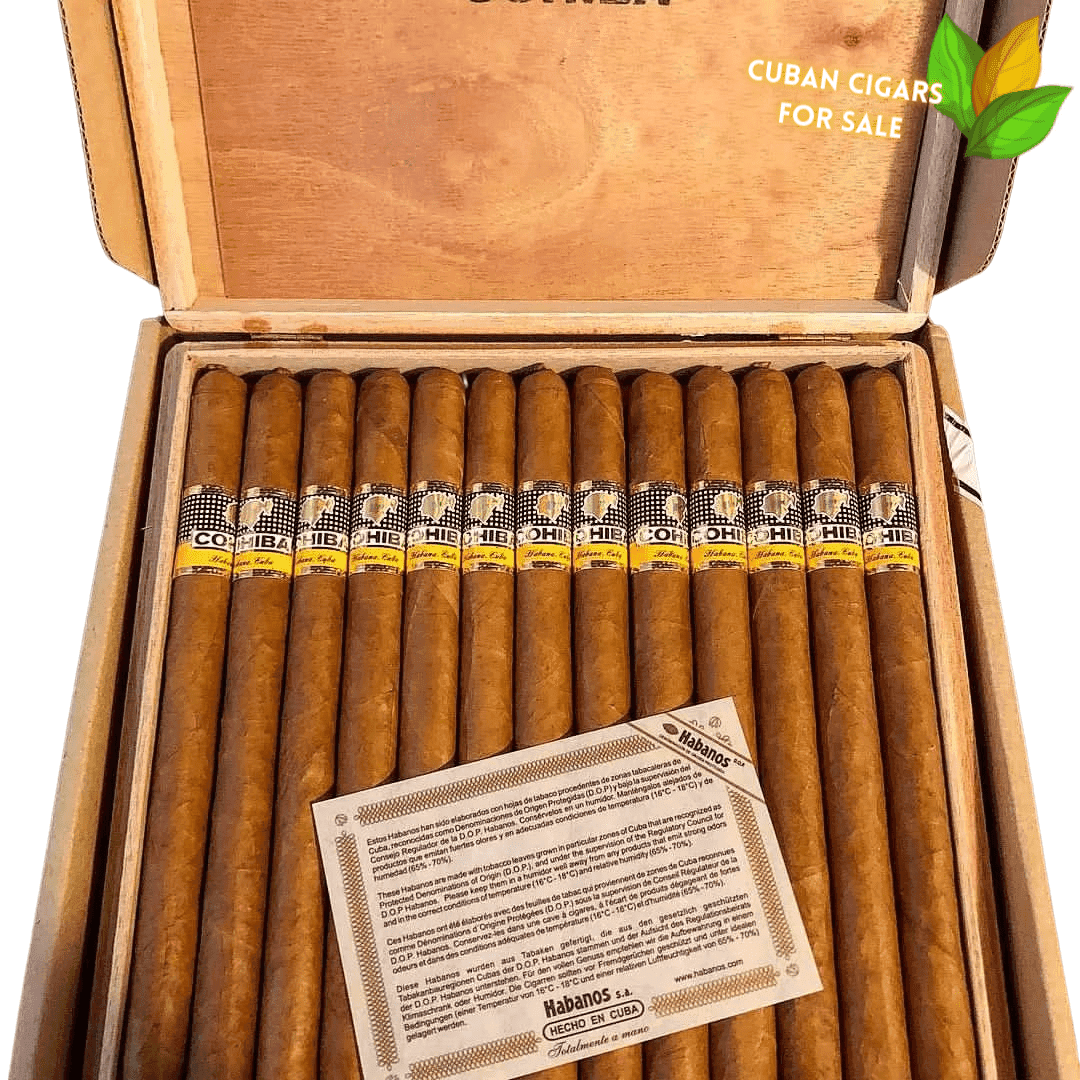
For nearly two decades, Cohiba remained a secret known only to diplomats and heads of state. It was not until 1982, during the World Cup in Spain, that Cohiba was finally released to the international market. This expansion marked the beginning of the brand's global dominance. Over the years, the brand has evolved from its classic lines (the Espléndidos, Robustos, and Lanceros) to modern innovations like the Behike line, named after the tribal chiefs of the Taíno people.
Despite this evolution, the brand has never lost sight of its origins. The release of the Cohiba 1966 - A Tribute to the Brand's Founding Year serves as a reminder of where it all began. It bridges the gap between the diplomatic gifts of the Cold War era and the luxury collectibles of the modern age. For the collector and the smoker alike, owning a box of Cohiba Majestuosos is akin to holding a piece of 1966 in your hands—a time capsule of Cuban excellence.
Conclusion
From the private reserves of Fidel Castro to the humidors of connoisseurs worldwide, Cohiba has traveled a remarkable path. The brand's ability to honor its history while pushing the boundaries of flavor and construction is what keeps it at the pinnacle of the industry. Whether you are seeking the classic taste of a Lancero or the robust intensity of the Majestuosos 1966, you are participating in a legacy that began over five decades ago. It is a legacy defined by the rich soil of the Vuelta Abajo and the unwavering dedication of Cuban artisans.