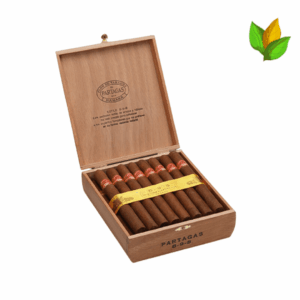
Description
The Shocking Truth About Trinidad Coloniales
Here’s something that might surprise you: Trinidad Coloniales, despite being one of Cuba’s most exclusive cigar lines, is actually more approachable than the legendary Cohiba for most smokers. I know that sounds counterintuitive given Trinidad’s mystique as the former “diplomatic gift” cigar of Cuba. But honestly, after smoking dozens of these over the years, I’ve found the Coloniales vitola offers this perfectly balanced and smooth experience that welcomes intermediate smokers while still satisfying the most discerning palates.
Why is this true? It comes down to the medium body strength profile and that signature creamy character. While other premium Cuban marcas can overwhelm with intensity, Trinidad Coloniales builds gradually. The tobacco blend from Cuba’s renowned Vuelta Abajo region creates complexity without aggression.
Construction and Appearance
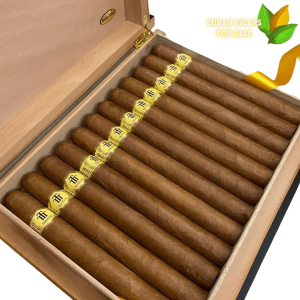
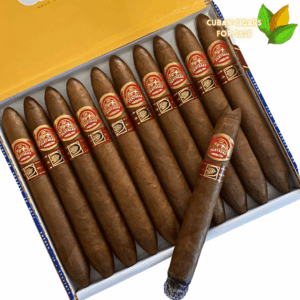
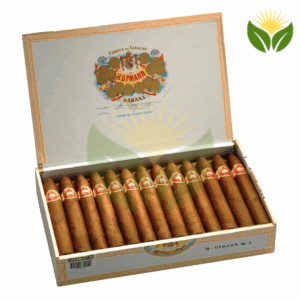
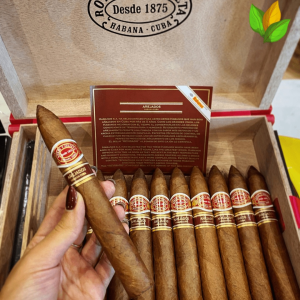
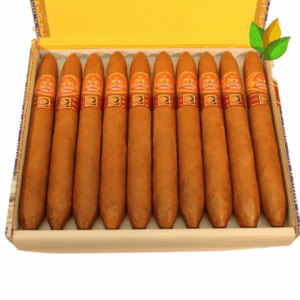
The first thing you’ll notice about any authentic Trinidad Coloniales is that distinctive pigtail cap – what Cubans call a “perilla.” It’s not just decorative. This hand-twisted tail indicates the careful attention these rollers give each cigar.
The wrapper itself tells a story. Deep brown with slight veining that catches the light just right. Not too oily, not too dry. Well presented Cuban tobacco at its finest, with that characteristic silky texture that only comes from properly aged leaves. I’ve handled thousands of Cuban cigars, and Trinidad’s construction consistently impresses me.
At 132mm long with a 44 ring gauge, the Coloniales fits perfectly in your hand. Not too thick, not too thin. The construction quality from the factory is flawless – I can’t remember the last time I encountered draw issues or burn problems with this vitola. The concentrated dry fiery appearance hints at the complexity waiting inside.
Flavor Profile: A Journey Through Three Acts
First Third: The Creamy Introduction
Right off the light, you’re greeted with thick, creamy smoke that sets the tone for everything that follows. The primary notes hit you immediately: leather, vanilla, cedar, chocolate, and a lovely nuttiness. When I retrohale through the nose, earthy flavors emerge that add another dimension.
The foot aroma before lighting? Pure sweetness with cedar undertones. It’s honestly intoxicating just sitting there unlit.
Second Third: Building Complexity
This is where Trinidad Coloniales really starts to shine. The flavors deepen and evolve into cashew, chocolate, coffee, and here’s where it gets interesting – mild citrus notes dance with herbaceous basil. I’ve never experienced that particular combination in any other Cuban cigar.
The strength builds to medium here, but it’s so well-balanced you hardly notice the transition. The profile becomes more rounded, more complete.
Final Third: The Grand Finale
The last portion introduces spice and cedary creaminess alongside dark tea and cocoa nibs. There’s even a slight floral note that appears if you’re paying attention. The finish? Long and satisfying, with that oak sweetness dances on your palate well after you’ve set it down.
What makes this an excellent all-rounder is how these transitions feel natural, never jarring or overwhelming.
Technical Specifications
| Length | 132mm (5 1/4 to 5 1/2 inches) |
| Ring Gauge | 44 |
| Vitola | Coloniales (Petit Corona/Corona Extra) |
| Strength | Medium Body |
| Smoking Time | 40-60 minutes |
| Wrapper Origin | Cuban Vuelta Abajo |
Perfect Pairings for Every Occasion
I’ve experimented with dozens of pairings over the years, but these three combinations consistently deliver exceptional experiences:
Espresso for afternoon sessions – The full flavors of a well-pulled shot complement the chocolate and coffee notes beautifully. Try it with a Cuban cortadito if you can find one.
Barrel-aged scotch for evening enjoyment – Something like Macallan 18 or Glenfiddich 21 works magic with the creamy, nutty character. The oak sweetness in the whisky mirrors what’s happening in the cigar.
Añejo rum for special occasions – I’m talking about serious rum here. Zacapa 23 or Ron del Barrilito 3 Star. The rum’s complexity matches the cigar’s evolution through those three distinct phases.
These pairings aren’t just suggestions – they’re tested combinations that enhance both the drink and the smoke experience.
Cutting and Lighting Technique
That pigtail cap requires special attention. Don’t just hack it off with your cutter. I gently twist and pull the pigtail first, then make a clean cut about 2mm below where it was attached. This preserves the structural integrity of the cap.
For lighting, take your time. Trinidad Coloniales is praised for its even burn, but only if you light it properly. Toast the foot evenly with a butane lighter or cedar spill, rotating slowly. You’ll know it’s ready when you see that even cherry glowing across the entire foot.
The length of this vitola means you’ve got time to enjoy the process. Don’t rush it. Proper lighting technique makes all the difference in how those complex flavors develop.
Who Should Smoke This Cigar?
Here’s my honest assessment: Trinidad Coloniales works for intermediate to experienced smokers who appreciate complexity without overwhelming strength. If you’re a beginner, this could actually be a great daytime smoke to help develop your palate.
It’s agreable enough for business meetings or afternoon relaxation, yet sophisticated enough for special celebrations. The medium body means it won’t knock you over if you haven’t eaten, but it still offers enough character to satisfy seasoned enthusiasts.
Avoid this if you’re looking for a full-strength powerhouse or if you prefer simple, straightforward flavors. This cigar is about the journey, not just the destination.
Spotting Authentic Trinidad Coloniales
Unfortunately, Trinidad’s prestige makes it a target for counterfeiters. Here’s what I look for:
Authentic indicators include flawless hand-rolled construction, that signature pigtail cap (perfectly twisted, not sloppy), and an even draw that’s never too tight or too loose. The wrapper should be that deep brown color with slight veining – meaty in appearance but not thick.
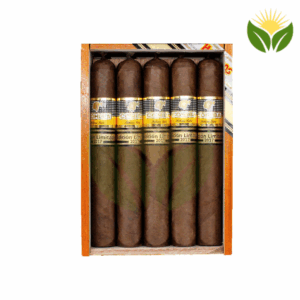
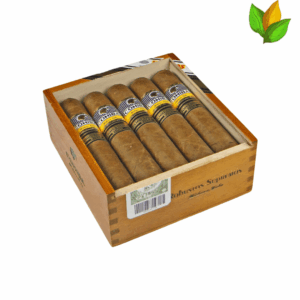
Check the packaging carefully. Genuine Trinidad comes in semi-boite nature boxes of 25 or packs of 5, complete with proper Habanos seals and holograms. The bands should be crisp and well-applied.
Red flags include uneven burn patterns, bitter or harsh smoke, poor cap construction, or suspiciously low prices. If it seems too good to be true, it probably is. Always buy from authorized dealers with verified authenticity guarantees.
Storage and Aging Considerations
Trinidad Coloniales requires careful storage to maintain its character. I keep mine at exactly 70% relative humidity and 70°F. Any higher and you risk wrapper issues; any lower and they’ll dry out quickly.
These cigars benefit from aging, but they’re also excellent young. I’ve smoked boxes with 5+ years of age that developed incredible depth, but fresh boxes still deliver that signature creamy smoke and complexity. Proper humidor setup is crucial for this marca.
The chilli spice notes that sometimes appear in younger cigars tend to mellow with age, replaced by more refined sweetness. Consistent humidity control prevents the wrapper from peeling or developing cracks.
If you’re planning to age these, buy a full box and resist the temptation to sample too frequently. The colonial elegance of this cigar rewards patience.
Frequently Asked Questions
How does Trinidad Coloniales compare to other Trinidad vitolas?
In my experience, Coloniales offers the most balanced introduction to the Trinidad marca. It’s less intense than the Fundadores but more complex than the Reyes. The 44 ring gauge provides ideal draw characteristics while allowing the blend to fully express itself over that 40-60 minute smoking time.
Is Trinidad Coloniales worth the premium price?
Honestly? Yes, but with caveats. You’re paying for exclusivity and exceptional tobacco quality from Cuba’s finest growing regions. If you appreciate nuanced flavor development and flawless construction, the price is justified. If you just want a good smoke without the prestige factor, there are more economical options.
Can beginners enjoy Trinidad Coloniales?
Absolutely, especially as a daytime smoke. The medium strength builds gradually, giving newer smokers time to adjust. The creamy character is forgiving, and the excellent construction means you won’t fight draw or burn issues that might frustrate beginners with lesser cigars.
How long can I age Trinidad Coloniales?
With proper storage, these cigars can age beautifully for decades. I’ve smoked examples with 15+ years that were absolutely sublime. The key is maintaining that 70/70 environment consistently. The flavors continue evolving, developing more refined sweetness and complexity over time.
What’s the best time of day to smoke Trinidad Coloniales?
I prefer them in the late afternoon or early evening. The medium body works well after a light lunch, and the complexity deserves your full attention. The smoking time of nearly an hour makes it perfect for unhurried contemplation. Evening sessions with proper drink pairings are truly special experiences.