
Description
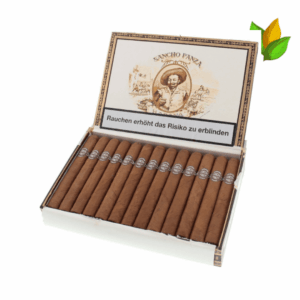
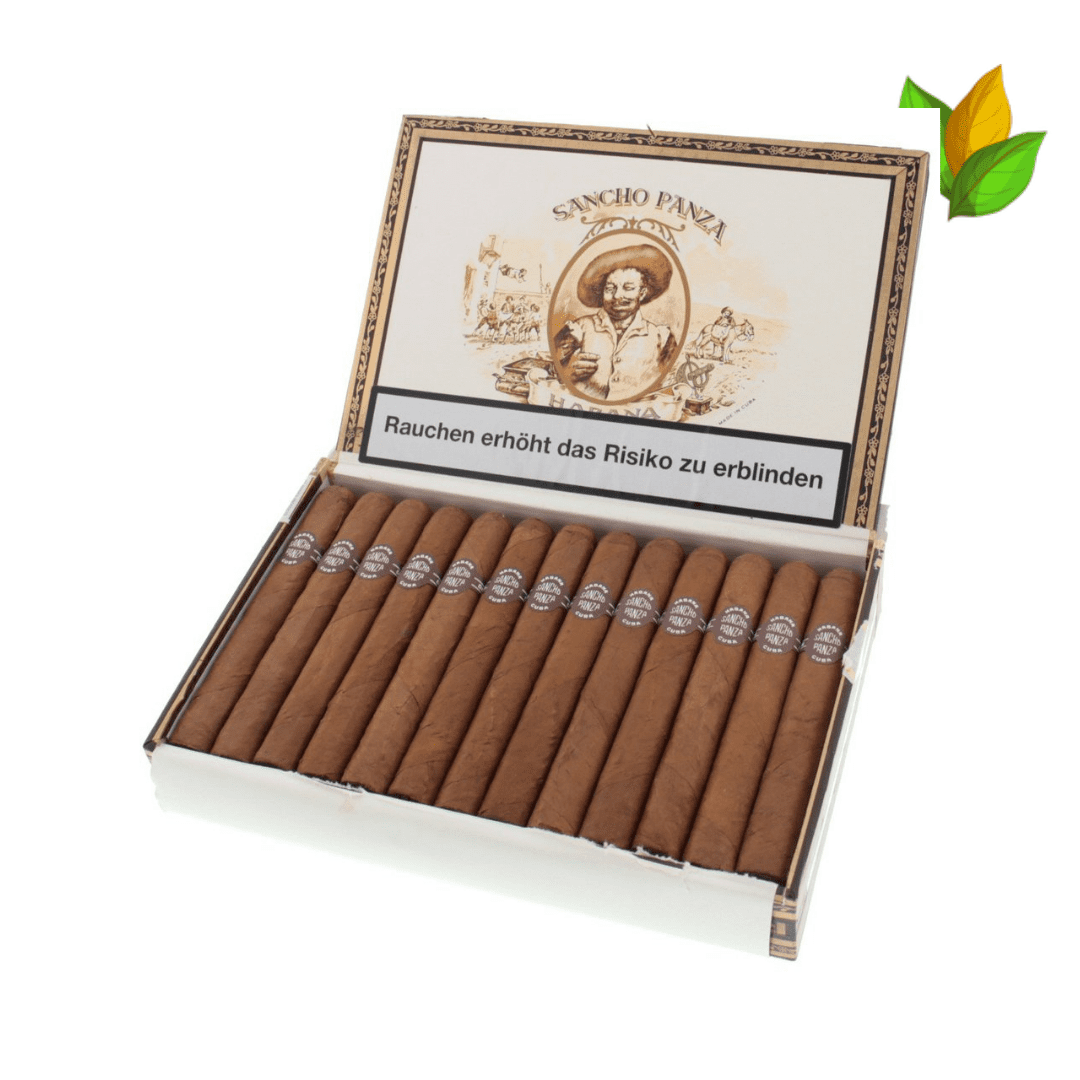
The afternoon light was cutting through the lounge windows when I first picked up this petit corona, feeling its compact weight settle perfectly between my fingers. There’s something deeply satisfying about a well-made smaller gauge cigar – it promises concentration, intensity packed into a manageable format. The oily Colorado Maduro wrapper caught the light with that telltale sheen that immediately tells you this isn’t just another everyday smoke.
I’d been curious about this particular Sancho Panza vitola for months. Every time I’d visit my usual retailer, boxes of these would be sitting there, somehow overlooked while customers gravitated toward the flashier, larger ring gauges. But honestly, that’s their loss – sometimes the most rewarding experiences come in the most understated packages.
Flavor Journey Through Three Acts
The first third opened with exactly what I’d hoped for from a Cuban petit corona – pure, concentrated tobacco character without any unnecessary complexity. Dominant leather and earth notes hit immediately, backed by this distinctive salted tobacco flavor that’s become my benchmark for authentic Havana leaf. There were delicate floral undertones weaving through the smoke, along with just enough sweetness to keep things interesting.
What struck me most was how straightforward everything felt. No tricks, no gimmicks. Just solid, medium-bodied tobacco doing what it does best.
The middle section brought some fascinating developments. Those musty, almost tea-like flavors started emerging – reminded me specifically of aged pu-erh, if you’re familiar with that particular earthiness. The saltiness intensified noticeably, and I started picking up definite spice notes that hadn’t been there initially. Then came the creamy textures, followed by distinct chocolate and vanilla notes, with occasional hints of citrus bitterness that kept the profile from getting too comfortable.
By this point, the strength had bumped up to medium-high territory. Still very manageable, but definitely announcing its presence.
The final third maintained that increased intensity while doubling down on the tea flavors. More salt, more white pepper, but everything remained balanced. The burn stayed perfectly even throughout – something I’ve come to expect from properly stored Cuban stock, but still appreciate every time it happens.
Construction and Craftsmanship
The wrapper deserves special mention here. That Colorado Maduro leaf had this rustic, almost weathered appearance that immediately communicated authenticity. Smooth to the touch despite its rustic looks, with enough oil content to suggest proper aging and fermentation. The triple cap was textbook perfect – neat, even, exactly what you want to see from the Vuelta Abajo factories.
Before lighting, the wrapper gave off these wonderful aromas – dank earth, mushrooms, wood shavings, hay, and those subtle floral notes that would carry through into the actual smoking experience. The construction felt solid throughout, with that perfect balance between firmness and give that indicates proper long-filler tobacco and skilled rolling.
During the smoke, I consistently picked up cedar, cocoa, pepper, hazelnut, and coffee notes weaving through the primary flavors. The burn line remained remarkably even from start to finish – something that’s become increasingly important to me as I’ve gotten pickier about construction quality.
Technical Specifications
| Length | 129mm (5.1 inches) |
| Ring Gauge | 42 (16.67mm diameter) |
| Vitola | Petit Corona (Mareva) |
| Strength | Medium-bodied (increasing to medium-high) |
| Smoking Time | 45-60 minutes |
| Wrapper | Colorado Maduro |
Who Should Smoke This
This isn’t a beginner’s cigar, but it’s not intimidatingly strong either. I’d call it an ideal every day smoke for someone who’s moved beyond the mild end of the spectrum but doesn’t need maximum intensity with every cigar. If you’ve got 45 minutes to an hour and want something reliable and satisfying, this delivers consistently.
It’s perfect for those times when you want genuine Cuban character without committing to a two-hour smoking session. Business lunch breaks, evening walks, that hour before dinner when you want something substantial but not overwhelming. The petit corona format makes it versatile for different situations while the flavor profile offers enough complexity to keep experienced smokers engaged.
I’ve found it works particularly well for people who appreciate traditional tobacco flavors over the sweeter, more dessert-like profiles that seem popular lately. This is a cigar that tastes like tobacco – excellent tobacco, but tobacco nonetheless.
Perfect Pairings
The research mentioned champagne, and I can definitely see that working. The bubbles would complement those floral notes beautifully, while the acidity would cut through the saltiness without overwhelming the more delicate flavors. I’d go with something like Bollinger or Krug if you’re feeling fancy, or even a good Cava if you want to keep things reasonable.
For spirits, I’ve had excellent results with aged rum – specifically something like Diplomatico Reserva Exclusiva or El Dorado 15. The rum’s natural sweetness plays beautifully against those earth and leather notes, while the aging barrel characteristics mesh perfectly with the tobacco’s complexity.
Coffee works surprisingly well too, especially if you’re smoking this earlier in the day. A medium roast with good body – maybe a Guatemala Antigua or Colombian Supremo. The coffee’s earthiness echoes the cigar’s profile without competing.
For whiskey drinkers, I’d suggest something with a bit of sweetness – maybe a Highland Scotch like Glenmorangie 18 or a bourbon like Blanton’s. The spirit’s vanilla and caramel notes complement those middle-third flavors perfectly.
Proper Storage and Aging
Like all Cuban cigars, this performs best when stored at 65-70% humidity and 65-70°F. I’ve found that proper storage techniques make an enormous difference with smaller ring gauge cigars – they’re more sensitive to fluctuations than their bigger brothers.
These age beautifully if you’ve got the patience. I’ve smoked examples with six months of additional aging, and the flavors integrate remarkably well. That saltiness mellows slightly, while the earth and leather notes become more refined. The floral characteristics become more prominent too, which creates a really lovely evolution.
If you’re setting up storage specifically for these, I’d recommend a properly calibrated humidor with stable conditions rather than trying to manage them in a larger, more variable environment. They deserve consistent treatment.
For aging potential, I’d say these hit their sweet spot anywhere from six months to three years of additional aging. Beyond that, you might start losing some of the intensity that makes the vitola special in the first place.
Cutting and Lighting Technique
With a 42 ring gauge, you’ve got some flexibility in cutting options. I prefer a straight cut about 2mm from the cap – just enough to open the draw without damaging the wrapper structure. The triple cap construction handles straight cuts beautifully, so don’t overthink this part.
For lighting, take your time with the toast. Smaller ring gauges can get overwhelmed quickly if you’re too aggressive with the flame. I use a butane torch on low setting, rotating slowly until I get an even char across the foot. Then light with gentle, even draws – no need to rush things.
The draw should be slightly firm but not tight. If it feels restricted, you might need to take a bit more off the head, but be conservative. These are generally well-constructed, so draw issues are usually cutting-related rather than structural.
Once lit, let it rest for about thirty seconds before your first real draw. This gives everything time to settle and prevents that harsh initial flavor that can happen when you rush the process.
Authentication and Quality Markers
With Cuban cigars, authentication is always crucial. Look for the official Habanos SA holographic seal on the box – it should be clear, well-defined, and properly aligned. The bands should be crisp with clean printing and proper color registration.
The cigars themselves should feel substantial despite the smaller size. The wrapper should have that oily sheen I mentioned earlier, and the construction should feel firm and even throughout. Poor construction or dry, papery wrappers are immediate red flags.
Box codes and factory markings should be clear and match current Habanos dating systems. If you’re buying from a retailer, ask about their sourcing – legitimate dealers should be transparent about their supply chain.
Most importantly, trust your palate. Authentic Cuban tobacco has distinctive characteristics that are difficult to replicate. Those earth, salt, and leather notes I described should be immediately recognizable to anyone familiar with genuine Havana leaf.
Frequently Asked Questions
How does this compare to other Sancho Panza cigars?
The Non Plus sits right in the middle of the Sancho Panza lineup in terms of strength and complexity. It’s more approachable than some of the larger vitolas but offers more character than the milder options. The petit corona format concentrates the flavors nicely while maintaining the brand’s characteristic earthiness and tobacco-forward profile.
Is this a good price for what you get?
Absolutely. Sancho Panza cigars generally offer excellent value within the Cuban market, and the Non Plus is no exception. You’re getting authentic Vuelta Abajo tobaccos and solid construction at a very reasonable price point. It’s what I’d call a great affordable smoke that doesn’t compromise on quality.
How long should I age these before smoking?
They’re perfectly smokeable upon purchase, but six months of additional aging really allows the flavors to integrate beautifully. I’ve found the sweet spot to be between six months and two years – beyond that, you might start losing some of the intensity that makes this vitola special.
What makes this different from other petit coronas?
The distinctive saltiness and earth-forward profile set it apart from most other cigars in this size category. While many petit coronas can be one-dimensional, the Non Plus develops genuine complexity as you smoke through it, with those tea-like flavors and spice notes emerging in the middle section.
Should I buy a full box or try singles first?
I’d suggest starting with four cigars to get a sense of how they perform and whether the flavor profile appeals to you. Once you’re confident, boxes are definitely the way to go – not only for better pricing, but these benefit from consistent storage conditions that come with keeping them together. Just make sure you’re buying from a reputable source, as proper storage and authenticity are crucial with Cuban cigars.