
Description
The Sancho Panza Non Plus: A Gentleman’s Cigar That Refuses to Shout
Look, I’ve been smoking Cuban cigars since my first trip to Havana in ’94, and here’s what I’ve learned: the loudest cigar in the room isn’t always the best one. The Sancho Panza Non Plus is proof of that. While everyone’s reaching for the latest limited edition release with flashy bands and marketing hype, this understated gem sits quietly in humidors, doing what it’s done for decades – delivering a refined, elegant smoke that doesn’t need to prove anything to anyone. And honestly? That’s exactly why it deserves your attention.
Thing is, most smokers skip right over Sancho Panza. They see that simple band, that modest presentation, and they assume it’s going to be boring. I’ll be honest with you: they’re missing out on one of the most consistently satisfying mild-to-medium cigars Cuba produces. This isn’t a cigar that’s going to knock you over with strength or bombard you with complexity. What it will do – and what it does brilliantly – is provide a smoking experience that feels like slipping into a well-worn leather chair at your favorite lounge.
What Makes the Sancho Panza Non Plus Special
Sancho Panza has always been the thinking man’s marca within the Habanos portfolio. Named after Don Quixote’s faithful sidekick – you know, the practical, down-to-earth guy who kept the crazy knight grounded – the brand embodies that same philosophy. No flash, no pretense, just solid Cuban tobacco crafted the way it’s been done in the Vuelta Abajo region for generations.
The Non Plus vitola specifically holds a special place in the lineup. It’s a Petit Corona format that’s become increasingly rare in today’s market where everyone wants Churchill-sized smokes. But here’s the thing – and this is where my bias shows – I genuinely believe shorter vitolas often showcase tobacco quality better than their larger counterparts. There’s nowhere to hide in a Petit Corona. The tobacco has to speak for itself, and with the Non Plus, it absolutely does.
This is a cigar for the aficionado who appreciates subtlety. If you’re the type who needs big ring gauges and full-bodied strength to feel satisfied, this probably isn’t your stick. But if you can appreciate nuance, if you understand that “mild” doesn’t mean “boring,” then the Non Plus might just become a regular in your rotation. I smoke one almost every morning with my coffee – has been my ritual for, what, fifteen years now? Maybe longer.
Technical Specifications
| Specification | Details |
|---|---|
| Vitola | Non Plus (Petit Corona) |
| Length | 5 inches / 127 mm |
| Ring Gauge | 42 |
| Wrapper | Cuban (Vuelta Abajo) |
| Binder | Cuban |
| Filler | Cuban blend from Vuelta Abajo |
| Strength | Mild to Medium |
| Smoking Time | 35-45 minutes |
The Smoking Experience: From Light to Nub
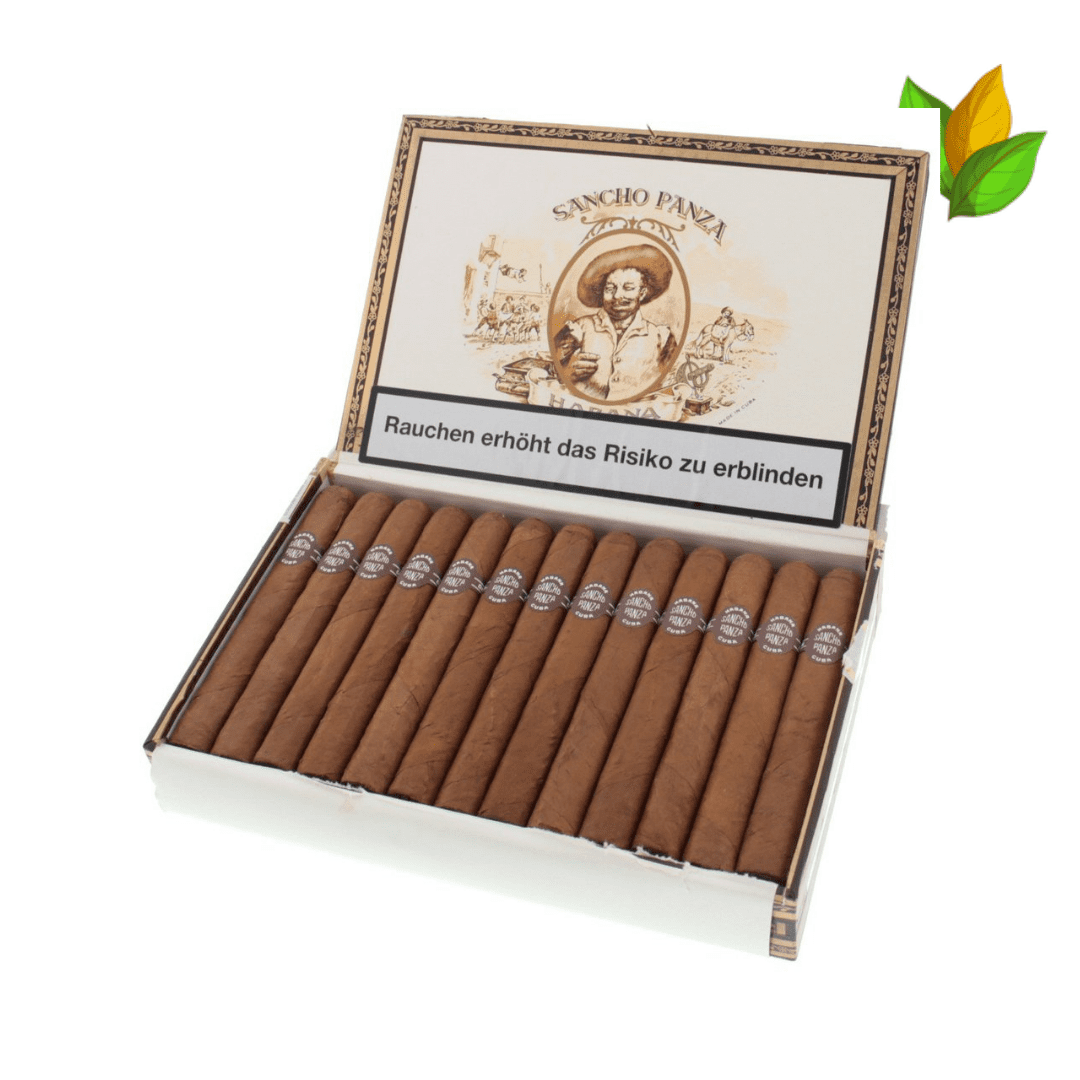
Okay, so let me walk you through what happens when you actually light one of these up. The wrapper on a fresh Non Plus – and I mean fresh, not dried out from poor storage – has this beautiful golden-brown color. It’s not oily like a Partagás, but it’s got a slight sheen that catches the light. The construction is typically flawless. I’ve smoked probably hundreds of these over the years, and I can count on one hand the number that had draw issues.
The cold draw gives you hints of what’s coming: cedar, definitely cedar, with this underlying sweetness that reminds me of hay. Not the most exciting pre-light experience, I’ll admit, but it’s honest. No joke, my buddy Carlos always says the Non Plus smells like a Cuban farmer’s barn – and he means that as the highest compliment.
First third hits you with that classic Sancho Panza profile. It’s creamy – that’s the word everyone uses, and yeah, it’s accurate. There’s cedar again, stronger now, mixed with light leather notes and this subtle nuttiness. The smoke production is generous for such a small ring gauge. What I love about this section is the complete absence of harshness. It’s like the tobacco is perfectly balanced right from the start. The burn line stays razor-sharp if you’re not puffing like a chimney.
Here’s where it gets interesting though – the second third. This is where the Non Plus reveals its character. You start picking up some spicy notes on the retrohale. Not pepper spice like you’d get from Nicaraguan tobacco, but this gentler, almost cinnamon-like warmth. The aroma – man, the aroma in this section is probably my favorite part of the whole experience. If someone walked past you at this point, they’d catch this beautiful blend of toasted cedar and sweet tobacco that just screams “quality Cuban cigar.” The strength builds slightly here too. We’re still firmly in medium territory, but there’s more presence, more body to the smoke.
Final third is where some mild cigars fall apart. Not this one. The flavors intensify without getting bitter – and that’s the mark of good tobacco and proper aging. You get more of that leather, some earth, maybe a touch of coffee if your palate is sensitive. The ash, which probably held for a good inch and a half in the first two thirds, gets a bit flakier here. That’s normal. I usually let it drop naturally rather than tapping it off. The cigar stays cool almost to the nub, which means you can smoke it down to the band without getting that acrid heat that ruins the finale of lesser cigars.
How Does It Stack Up? A Practical Comparison
| Cigar | Strength | Smoking Time | Best For |
|---|---|---|---|
| Sancho Panza Non Plus | Mild-Medium | 35-45 minutes | Morning smoke, refined palates, daily rotation |
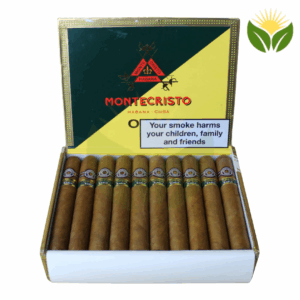
| Montecristo No. 4 | Medium | 40-50 minutes | All-day smoke, beginners, classic Cuban experience |
| H. Upmann Half Corona | Mild-Medium | 25-35 minutes | Quick smoke, morning coffee, subtle complexity |
| Romeo y Julieta Petit Coronas | Medium | 35-45 minutes | Newcomers to Cubans, versatile occasions |
Real talk: if you’re choosing between the Non Plus and a Montecristo No. 4, you’re looking at a question of personal preference more than quality. The Monte is more universally approachable, has more brand recognition, and delivers that signature Montecristo profile everyone knows. But the Sancho Panza? It’s more refined, more subtle. Less “look at me” and more “sit down and actually pay attention.”
Perfect Pairings and Occasions
This is my go-to morning cigar, and that’s not something I say lightly. With a good Cuban coffee – ideally a cortadito – the Non Plus is absolutely perfect. The mild strength won’t overwhelm you before lunch, and the cedar and cream notes complement coffee beautifully. I’ve also paired it with a nice aged rum, specifically Havana Club 7 Year. The caramel notes in the rum bring out the sweetness in the tobacco.
For something different, try it with a lighter Scotch. I’m talking Glenmorangie or Glenfiddich, not Laphroaig. The whisky shouldn’t compete with the cigar – it should dance with it. Between you and me, I’ve also had excellent experiences pairing this with a Spanish Albariño wine. I know, I know – wine and cigars. But trust me on this one. The crisp, slightly mineral quality of the wine cuts through the creaminess of the smoke in a way that’s surprisingly satisfying.
Occasion-wise? This is your “Tuesday afternoon on the porch” cigar. Your “meeting an old friend for a quiet conversation” cigar. It’s not the cigar you break out when celebrating a major promotion – that’s what your vintage Cohíbas are for. But it’s absolutely the cigar you reach for when you want quality without ceremony. I’ve smoked these while reading, while working on my laptop at the cigar lounge, even while fishing. They fit into life rather than demanding life stop for them.
Aging Potential and Storage Considerations
Here’s something most people don’t talk about with Sancho Panzas: they age beautifully. I’ve got a box of Non Plus from 2015 in my humidor right now, and honestly, they’re smoking better than when I bought them. The cedar mellows, the cream develops more complexity, and this subtle honey note emerges that wasn’t there in the fresh sticks. If you’ve got the patience – and the humidor space – buying boxes of these for aging is absolutely worth it.
Keep them at 65-70% humidity, around 65-68 degrees if you can manage it. They’re not as finicky as some Cuban vitolas, but proper storage makes a difference. I’ve noticed that Non Plus cigars seem particularly sensitive to over-humidification. Keep them too wet and you lose that crisp burn and clean flavor profile.
Frequently Asked Questions
Is the Sancho Panza Non Plus a good cigar for beginners?
Absolutely, and I’d argue it’s one of the best introductions to Cuban cigars. The mild-to-medium strength won’t overwhelm a new smoker, the relatively short smoking time is manageable, and the flavor profile is approachable without being boring. It teaches you to appreciate subtlety rather than just chasing strength. I’ve introduced probably a dozen friends to Cuban cigars with this exact vitola, and it’s never disappointed.
How does the Non Plus compare to other vitolas in the Sancho Panza line?
The Non Plus is on the milder end of the Sancho Panza spectrum. The Belicosos and Coronas Gigantes offer more strength and complexity, while the Sanchos (Coronas Grandes) sit right in the middle. If you’re looking for the purest expression of the Sancho Panza house blend in a format that won’t take up your entire afternoon, the Non Plus is hard to beat. It’s like the concentrated essence of what makes this marca special.
What’s the ideal aging time for Sancho Panza Non Plus cigars?
Look, they’re perfectly smokable fresh, but if you want my honest opinion? Give them at least two years. I’ve found the sweet spot is around 3-5 years of proper aging. The harsh edges that sometimes appear in young Cuban tobacco completely smooth out, and the flavor profile gains depth without losing that signature creaminess. I’ve smoked some with 8+ years on them that were absolutely phenomenal – the cedar had developed into this rich, almost furniture-polish complexity that was stunning.
Why aren’t Sancho Panza cigars as popular as other Cuban brands?
Honestly? Marketing. Or lack thereof. Habanos S.A. doesn’t push Sancho Panza the way they promote Cohíba, Montecristo, or Romeo y Julieta. There are no flashy limited editions, no regional releases with elaborate packaging. The brand just quietly does its thing, which means it flies under the radar. But here’s the upside – they’re usually more available and haven’t been subject to the same quality control issues that have plagued some of the heavily marketed marcas in recent years. Sometimes being overlooked is a blessing.
What time of day is best for smoking a Non Plus?
I’m biased here since I smoke them almost exclusively in the morning, but that’s genuinely when they shine brightest. The mild strength and clean flavors make them perfect for starting the day. That said, I’ve had plenty in the early afternoon too – they work well after a light lunch. I wouldn’t recommend them as an after-dinner cigar unless you had a really light meal. They just don’t have the strength or intensity to stand up to a full stomach and heavy food. Save your full-bodied smokes for the evening and enjoy these when your palate is fresh and can appreciate the nuance.
Do Sancho Panza Non Plus cigars require a long rest period after purchase?
It depends on where you’re buying from and how they’ve been stored. If you’re getting them from a reputable source with proper humidor conditions, a week or two to acclimate to your humidor is usually fine. But if they’ve been through shipping stress or questionable storage, give them at least a month. I’ve learned this the hard way – smoked a fresh-off-the-truck Non Plus once and it was harsh and one-dimensional. Same box two months later? Night and day difference. These cigars reward patience, both in short-term rest and long-term aging.
Are there any vintage or special release versions of the Non Plus?
Not really, and that’s actually part of the appeal. Sancho Panza doesn’t do the limited edition game. What you get is consistent, regular production using traditional methods and tobacco from the Vuelta Abajo region. No gimmicks, no inflated prices for “special” releases. That said, if you can find boxes with age on them – I’m talking 5+ years – those are essentially vintage by default. Some retailers will occasionally offer older stock, and those are worth grabbing if you see them. But the brand philosophy is about consistency and tradition, not chasing the latest trend.
Final Thoughts: Why the Non Plus Deserves a Spot in Your Humidor
I’ll be blunt: the Sancho Panza Non Plus isn’t going to be anyone’s “desert island cigar.” It’s not exciting enough, not powerful enough, not prestigious enough. But you know what? That’s exactly why it should be in your regular rotation. Not every cigar needs to be an event. Sometimes you just want something reliable, well-made, and genuinely enjoyable without all the fuss.
This is a cigar that respects your palate and your time. It delivers quality Cuban tobacco in a format that fits into real life – not just special occasions. After decades of smoking these, I still reach for them regularly, and that consistency of satisfaction is worth more than any limited edition hype or fancy packaging.
If you appreciate craftsmanship over marketing, subtlety over strength, and tradition over trends, add a box of Non Plus to your next order. Let them rest a few months if you can wait, or smoke one fresh if you can’t – either way, you’re in for a reminder of what Cuban cigars were meant to be before everything became about limited editions and collector mentality. Just good tobacco, rolled well, smoked slowly. That’s it. That’s enough.