
Description
The Churchill That Made Winston’s Format Famous
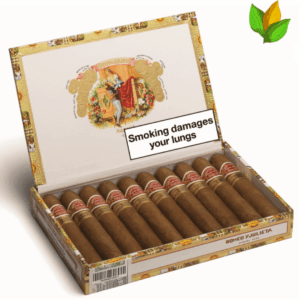
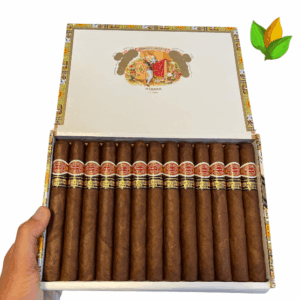
I’ll be honest: when most cigar smokers think about Churchills, they’re thinking about this one whether they know it or not. The Romeo y Julieta Churchill isn’t just another big ring gauge Cuban – it’s THE cigar that gave the vitola its name. Winston Churchill himself had a documented love affair with this smoke, and after spending time with several boxes over the years, I genuinely understand why. This isn’t one of those cases where history inflates the reputation. The Churchill format was literally created for this brand in 1946, and somehow, against all odds, it still lives up to the hype seven decades later.
What makes me keep coming back to these? They’re consistent in a way that reminds me why Cuban cigars earned their reputation in the first place. While some marcas have had their ups and downs with quality control, Romeo y Julieta Churchills maintain this steady excellence that’s almost boring until you actually light one up and remember – oh right, this is what a proper Cuban Churchill should taste like.
What You’re Actually Getting Here
Romeo y Julieta has been around since 1875, which means they’ve had plenty of time to figure things out. The brand sits comfortably in the medium-bodied range, making it that rare Cuban that works equally well for someone’s first premium cigar or a seasoned smoker’s evening ritual. I’ve handed these to friends who “don’t usually like cigars” and watched them change their minds.
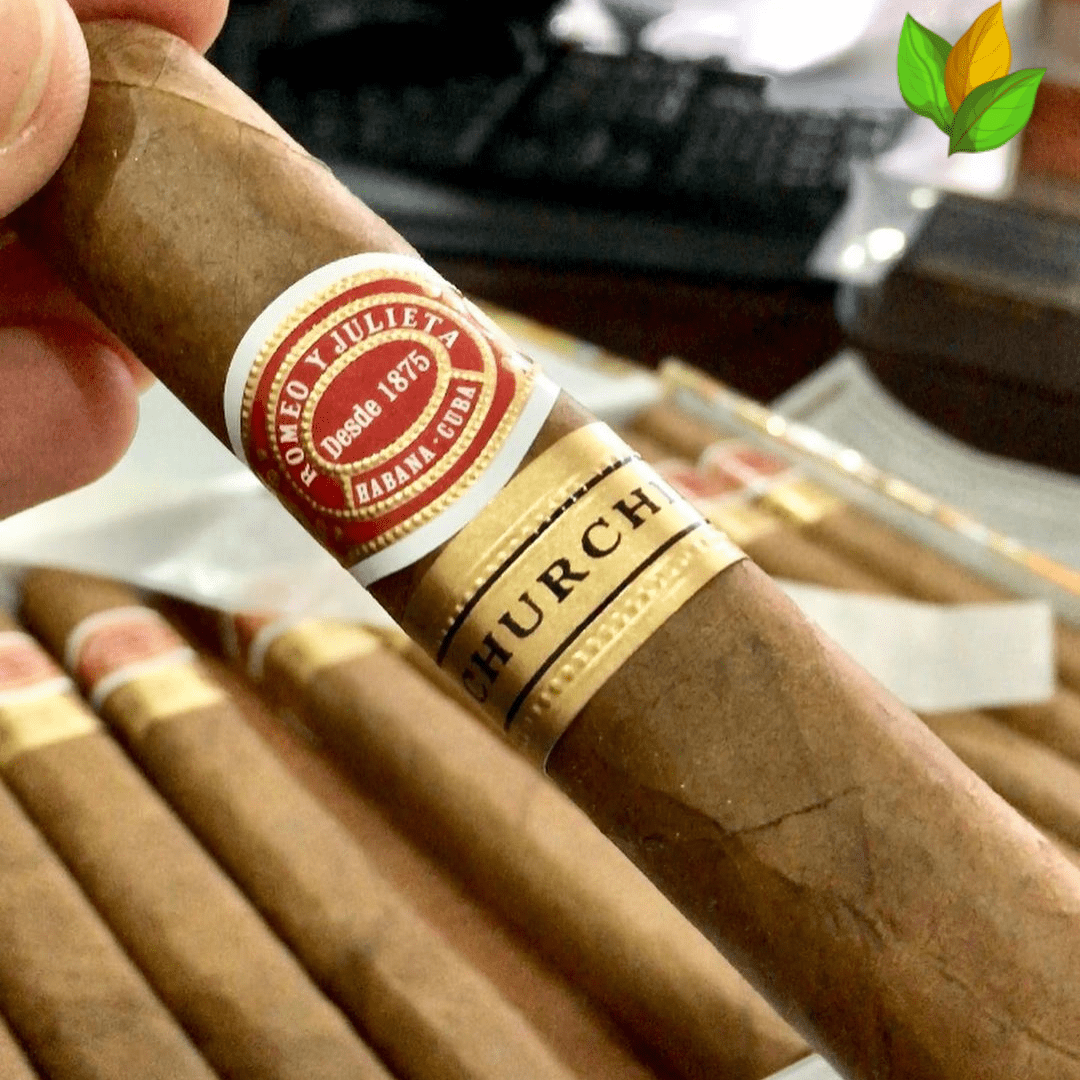
The Churchill vitola measures a generous 7 inches with a 47 ring gauge – substantial without being one of those modern baseball bats. Smoking time runs about 60 to 90 minutes depending on your pace, which gives you enough commitment to settle into an experience without dominating your entire afternoon. The wrapper is classic Vuelta Abajo leaf, grown in that magical Cuban soil that people never shut up about (for good reason, I’ll admit). The color tends toward a rich colorado shade, with just enough oil to catch the light without looking greasy.
This is a cigar for someone who appreciates tradition but doesn’t want to be bored by it. If you’re the type who smokes while reading, or likes having something substantial for a long conversation, the Churchill format delivers. It’s also – and I know some aficionados will disagree with me here – one of the better Cuban cigars for someone transitioning from New World smokes. The flavors are distinctly Cuban, but they’re presented in a way that doesn’t smack you in the face.
| Specification | Details |
|---|---|
| Vitola | Churchill |
| Length | 7 inches / 178 mm |
| Ring Gauge | 47 |
| Wrapper | Cuban (Vuelta Abajo) |
| Binder | Cuban |
| Filler | Cuban long filler blend |
| Strength | Medium |
| Smoking Time | 60-90 minutes |
How This Cigar Actually Smokes – The Real Experience
The cold draw on a fresh Romeo Churchill gives you hay and light cedar – nothing aggressive, which sets the tone for what’s coming. Some cigars telegraph their entire personality before you light them, but these are more subtle. I remember thinking my first one seemed almost timid on the cold draw, then being surprised once flame hit tobacco.
First third opens with cream and wood notes that feel almost gentle. There’s this sweetness that isn’t sugar or honey exactly – more like the smell of good tobacco itself. Cedar comes through clearly, but it’s accompanied by something nuttier. Almonds maybe? The draw is typically excellent, which is one of those things Romeo y Julieta just seems to nail consistently. I’ve had boxes where every single cigar drew perfectly, which doesn’t happen with every marca. The burn line usually starts even and stays that way, producing a light gray ash that holds for a solid inch before you need to tap it.
Moving into the second third, things get more interesting. That initial creaminess develops into something richer – leather starts showing up, and there’s a subtle spice that wasn’t there before. Not pepper exactly, more like baking spice. Cinnamon? Could be. The smoke production is generous without being a fog machine, and the body builds gradually. This is where the cigar earns its reputation, in my opinion. That middle section has complexity that unfolds slowly rather than hitting you all at once. I’ve found that if you retrohale during this section, you’ll pick up hints of cocoa that don’t show up through mouth-only smoking.
The final third is where you separate casual smokers from people who actually finish their cigars. Some Cubans get harsh or bitter in the last two inches – actually, scratch that – a LOT of Cubans get harsh in the last two inches if we’re being honest. The Romeo Churchill usually maintains composure right down to the nub. The flavors intensify but stay balanced. That leather note becomes more prominent, the wood character deepens, and there’s often a touch of coffee that emerges. The strength picks up slightly, moving from medium to what I’d call medium-plus, but it never crosses into territory where you’re worried about your stomach.
Construction-wise, these are solid. I won’t claim every single one is perfect – they’re hand-rolled Cuban cigars, not machine-made – but the consistency is impressive. Tunneling is rare. Tight draws are unusual. The wrapper tends to be durable enough to handle normal humidity fluctuations without cracking. The ash is firm and light-colored, which tells you the tobacco was properly aged and blended.
How the Churchill Stacks Up Against Its Peers
| Cigar | Strength | Smoking Time | Best For |
|---|---|---|---|
| Romeo y Julieta Churchill | Medium | 60-90 minutes | Traditional Cuban experience with consistency |
| Hoyo de Monterrey Epicure No. 2 | Medium-Light | 45-60 minutes | Lighter smoking with similar elegance, shorter format |
| Partagás Serie D No. 4 | Medium-Full | 60-75 minutes | Those wanting more power and earthiness, robusto size |
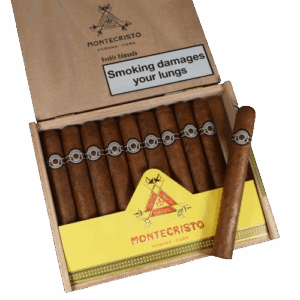
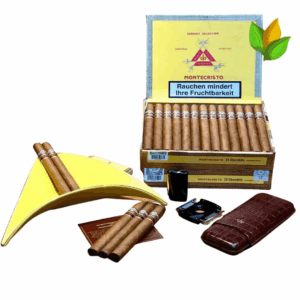
| Montecristo No. 2 | Medium | 75-90 minutes | Torpedo lovers wanting comparable refinement |
When you compare the Romeo Churchill to other favourites in this general category, a few things become clear. It’s more refined than the Partagás Serie D No. 4, which brings heavier earth and leather notes from the start. If you want power and aggression, go Partagás. The Montecristo No. 2 is probably its closest competitor in terms of reputation and smoking experience, though the torpedo format creates a different draw dynamic. Some people prefer that concentrated flavor delivery from the torpedo shape – I find myself reaching for the Churchill more often because it’s less fussy.
Against the Hoyo Epicure No. 2, which many consider the benchmark medium-bodied Cuban, the Churchill offers more smoking time and a fuller development arc. The Hoyo is excellent for a shorter smoke when you want quality without the time commitment. But if you’ve got the time? The Churchill format lets the tobacco tell its full story.
What to Drink With It, and When to Smoke It
Coffee pairs beautifully with these, especially in the morning. I know conventional wisdom says save your Cubans for evening, but a Romeo Churchill with strong Cuban coffee is one of life’s genuine pleasures. The cigar has enough body to stand up to the coffee without fighting it.
For spirits, aged rum is the obvious choice – and yeah, it works. Zacapa 23 or Diplomático Reserva both complement the cigar’s sweet and woody notes without overpowering them. If you’re a whisky drinker, stick to something mellow. Highland Scotch works better than Islay peat bombs. Something like Glenmorangie or Dalwhinnie. Bourbon can work too – I’ve enjoyed these with Maker’s Mark or Eagle Rare.
Wine? Sure, if that’s your thing. Go with a mature Rioja or a medium-bodied Bordeaux. The tannins need to be softened by age, or the cigar’s going to taste harsh. I had one with a 2010 Rioja Gran Reserva last year that was fantastic – speaking of which, I should grab another bottle of that.
Timing-wise, this is an afternoon or early evening cigar for me. It’s too substantial for first thing in the morning unless you’re a masochist, but it’s not so heavy that you need to smoke it on a full stomach at 10 PM. Weekend afternoons, after a good meal, sitting outside when the weather cooperates – that’s Churchill time.
Are Romeo y Julieta Churchills good for beginners?
Honestly? Yes, with a caveat. They’re medium-bodied and smooth enough that a newcomer won’t be overwhelmed, but the 90-minute smoking time requires patience. If you’re brand new to cigars, maybe start with a Romeo No. 2 or No. 3 to get familiar with the brand’s profile before committing to the full Churchill experience. But if you’ve smoked a few premiums already and want to try a classic Cuban, this is absolutely one of the better starting points.
Do these really need aging, or can I smoke them fresh?
You can smoke them fresh and they’ll be good – but give them six months to a year in your humidor and they become great. Fresh boxes sometimes have a slightly grassy or ammonia note that mellows out beautifully with rest. I try to buy boxes and let them sit for at least three months before touching them. If you can wait a year, even better. The flavors integrate and smooth out in ways that make the patience worthwhile.
How do the tubos compare to the regular box cigars?
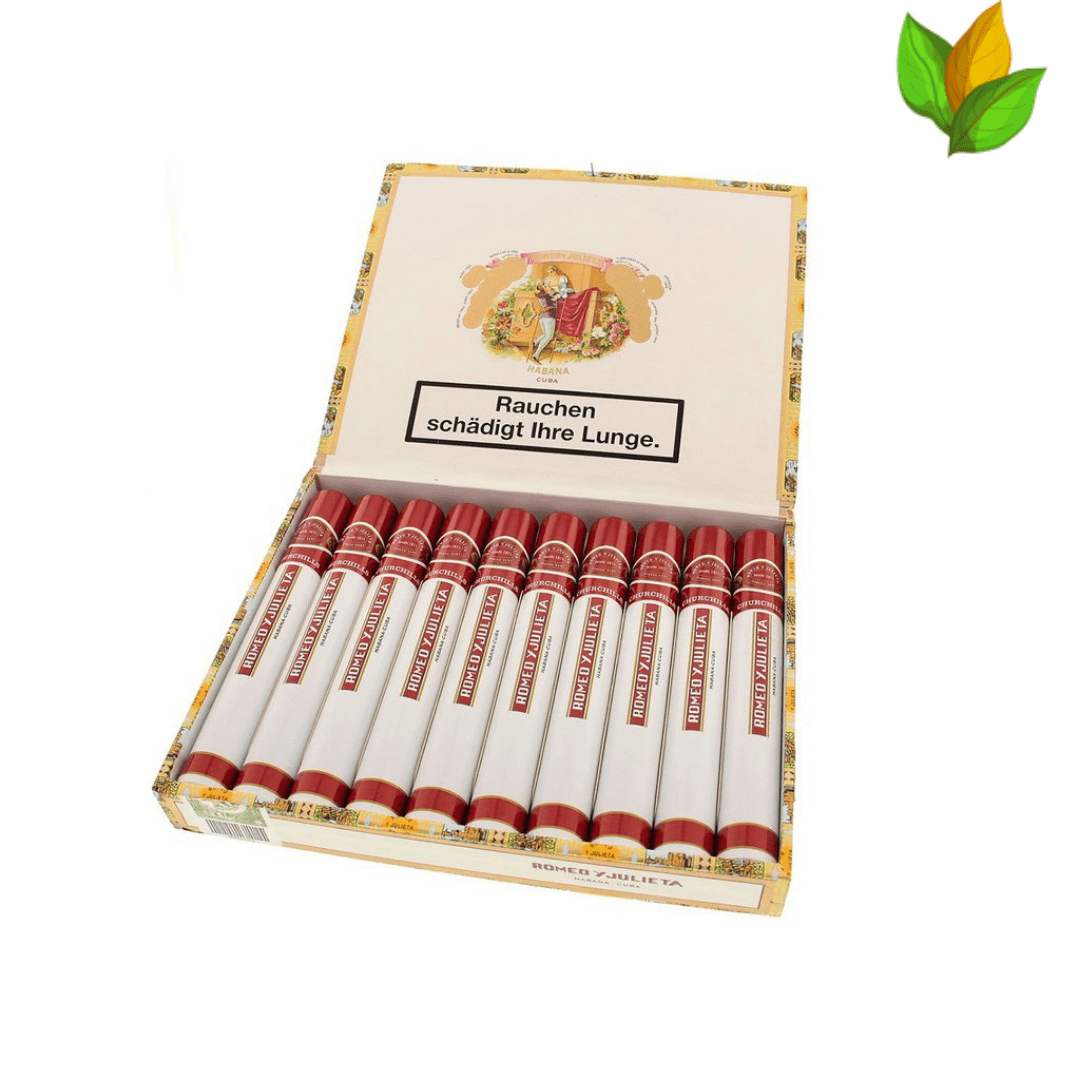
The tubos are the same cigar in aluminum tubes, which provides extra protection during travel and potentially slows aging slightly. Some people swear the tubos smoke differently – I haven’t noticed a consistent difference myself. The tubes are convenient for throwing a couple in a bag when you’re traveling, but they also cost a bit more per cigar. For home storage, I prefer regular boxes. For taking cigars on the road, tubos are genuinely useful.
What’s a fair humidity level for storing these long-term?
I keep mine at 65% RH, which seems to work well for most Cubans including Romeos. Some people go as low as 62% or as high as 69% – you’ll find passionate defenders of every number in that range. The Churchill’s 47 ring gauge means it’s not so thick that you need to worry about the center being under-humidified, but it’s substantial enough that you don’t want to dry box it before smoking. Keep them stable wherever you land in the 62-67% range and you’ll be fine.
Why do some Romeo Churchills taste different than others from the same box?
Cuban cigars aren’t as consistent as New World cigars – that’s just reality. Variations in tobacco placement, subtle differences in rolling tension, even which specific plants the tobacco came from all create variation. I’ve noticed the first few cigars from a newly opened box sometimes smoke differently than cigars from that same box three months later. The good news is that Romeo y Julieta’s quality control is better than many Cuban brands, so the variation is usually minor rather than dramatic.
Is the Romeo Churchill the same blend as other Romeo y Julieta vitolas?
Technically the blend formula is the same across the línea, but the Churchill’s size affects how that blend expresses itself. The longer format and moderate ring gauge create a different smoking experience than you’d get from, say, a Romeo Short Churchill or a Petit Corona. The tobacco has more time to develop and transition. Think of it like the same recipe cooked at different temperatures – you’re working with the same ingredients but getting different results.
Can I compare these to any non-Cuban cigars?
It’s tough because Cuban tobacco has characteristics that are hard to replicate outside Cuba. That said, if you’re trying to find a non-Cuban with a similar smooth, woody, medium-bodied profile, Padrón’s 1964 Anniversary Series gets somewhat close in terms of refinement and construction quality. Totally different flavor profiles, but similar in terms of being elegant, well-made cigars that reward slow smoking. Don’t expect it to taste like a Romeo – nothing really does – but it’s in a comparable quality tier.
The Bottom Line on These
The Romeo y Julieta Churchill has been a staple in my humidor for years, and I don’t see that changing. It’s one of those cigars that delivers consistency without being boring, tradition without being stuffy. When you want a proper Cuban smoking experience that won’t disappoint, this is a safe bet. The medium body makes it versatile across different times of day and different drink pairings, while the Churchill format gives you enough tobacco to really appreciate how well these are blended.
Are they the most exciting cigars in the Cuban portfolio? Maybe not – there are marcas with more intensity, more complexity, more… something. But excitement isn’t always what you want. Sometimes you want reliability, tradition, and a cigar that reminds you why people fell in love with Cuban tobacco in the first place.
If you’re building a Cuban collection, a box of Romeo y Julieta Churchills deserves a spot. They age beautifully, they smoke consistently, and they represent one of the most iconic vitolas in cigar history. Whether you’re new to Cubans or you’ve been smoking them for decades, these deserve your attention. Grab a box, let them rest if you have the patience, and discover what made Winston Churchill such a devoted fan.