Description
The weight settled into my palm like a familiar handshake—solid, substantial, demanding respect. I remember turning that golden brown cigar slowly, watching the afternoon light catch the oily sheen of its wrapper, breathing in that unmistakable Cuban aroma that promised two hours of pure indulgence. The anticipation was almost as satisfying as what I knew would follow.
This is what every aficionado dreams of when they think of premium Cuban cigars—a stick that carries both history and promise in equal measure. Named after Winston Churchill himself, this particular vitola has earned its reputation through decades of consistent excellence, drawing from Cuba’s legendary Vuelta Abajo region where the world’s finest tobacco grows.
Technical Specifications
| Length | 7 inches (178mm) |
| Ring Gauge | 47 |
| Vitola | Julieta No. 2 (Churchill) |
| Strength | Medium-mild to medium-full |
| Smoking Time | Approximately 2 hours |
| Wrapper | Cuban Rosado |
Construction and Appearance
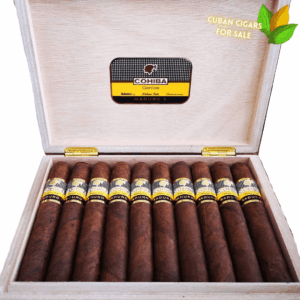
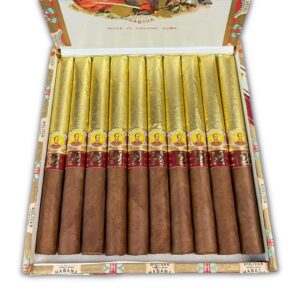
The first thing you’ll notice is how beautifully this cigar is covered in that characteristic Rosado wrapper—a gorgeous golden brown leaf that feels smooth yet textured under your fingertips. I’ve always appreciated how Cuban rollers achieve that perfect balance of firmness without making the stick feel like a brick. The construction speaks to generations of expertise passed down through Cuba’s Vuelta Abajo region, where master torcedors still roll these entirely by hand using the traditional tripa larga method.
Every example I’ve examined shows consistent density from head to foot. The wrapper displays minimal veining, and when it does appear, it’s integrated naturally into the leaf’s character rather than looking like a flaw. The triple cap is executed flawlessly—a small detail that speaks volumes about the quality control behind this brand.
Hold one up to the light and you’ll see the top quality filler tobaccos distributed evenly throughout. There’s something reassuring about that consistency, knowing that each draw will deliver exactly what you expect from start to finish.
Flavor Profile Journey
Opening Third: Gentle Introduction
The first third greets you with medium-mild strength that won’t overwhelm newcomers but offers enough complexity to keep experienced smokers engaged. Sweet cedar dominates initially, supported by subtle notes of light chocolate that remind me of milk chocolate rather than anything bitter or intense. What really sets this opening apart are the fruit notes—cherry and plum that add a juicy sweetness, complemented by gentle caramel undertones that make each puff genuinely enjoyable.
Middle Third: Building Complexity
This is where things get interesting. The strength builds to medium-full territory, and the flavor profile gains serious depth. Rich espresso notes emerge, adding a coffee-like richness that pairs beautifully with developing leather characteristics. There’s also a fascinating 5-spice element that appears—not overpowering, but adding layers of complexity that keep you analyzing each draw. The fruit notes from the first third don’t disappear; instead, they integrate into this more sophisticated flavor matrix.
Final Third: Full Expression
The conclusion maintains that medium-full body while showcasing everything this cigar has to offer. Those stone fruit flavors persist—the cherry and plum notes that made the opening so appealing—but now they’re joined by deeper caramel sweetness and robust espresso that creates an almost dessert-like experience. Classic Cuban elements of cedar and vanilla weave throughout, while chocolate notes become more pronounced and sophisticated. It’s a powerful finish that never turns harsh or overwhelming.
Perfect Pairings
I’ve found that port wine creates magic with this particular smoke. The port’s sweetness enhances those cherry and plum flavors beautifully, especially during the first and final thirds when the fruit notes are most prominent. A good vintage port—something like Graham’s or Fonseca—will complement rather than compete with the cigar’s complexity.
For spirits, I lean toward aged rum, particularly something from Cuba if you can find it. The caramel and vanilla notes in a well-aged rum mirror similar characteristics in the tobacco. Coffee lovers should try this with a strong espresso, especially during that middle third when the coffee notes are most pronounced.
Wine enthusiasts might explore a medium-bodied red—perhaps a good Malbec or Cabernet that won’t overpower the cigar’s more delicate moments but can stand up to its full-strength finale.
Who Should Smoke This
This isn’t a beginner’s cigar, though it’s not intimidatingly strong either. The two-hour commitment alone makes it better suited for experienced smokers who can appreciate the journey from that gentle opening to the complex finale. It’s perfect for special occasions when you have time to truly savor the experience.
If you’re someone who appreciates Cuban craftsmanship and doesn’t mind paying a premium price for authenticity, this delivers exceptional value. Business celebrations, milestone moments, or quiet evenings when you want to treat yourself—these are the occasions that call for this level of quality.
I’d recommend having some experience with other premium cigars before tackling this one. Not because it’s harsh or difficult, but because you’ll better appreciate the nuances that make it special. Proper smoking technique becomes important with a cigar of this caliber.
Cutting and Lighting Technique
That beautiful triple cap deserves respect. Use a sharp guillotine cutter and remove just enough to open the draw—about 1/16 inch. I’ve seen too many people hack away at expensive cigars and ruin the smoking experience before it begins.
For lighting, take your time. A cedar spill or quality butane lighter works best, though I prefer cedar for the traditional experience. Toast the foot evenly, rotating slowly until you see that perfect orange glow across the entire surface. Don’t rush this step—proper lighting sets the stage for everything that follows.
Once lit, take slow, measured draws. This isn’t a cigar to puff aggressively. Let it burn naturally and it’ll reward you with consistent flavor and an even burn line throughout those two hours.
Storage and Aging
Proper storage is critical for maintaining quality. Keep these at exactly 65% relative humidity and temperatures between 65-70°F. Any higher and you risk mold; any lower and the cigars dry out, losing those delicate flavor oils that make them special. Setting up proper storage is essential for protecting this investment.
Here’s something most people don’t realize: these cigars benefit significantly from aging. While they’re excellent fresh, allowing them to rest for 3-5 years develops incredible depth and smoothness. Proper preservation techniques become crucial if you’re planning to age them long-term.
If you’re buying a box, consider smoking one fresh, then storing the rest for at least a year. The transformation is remarkable—harsh edges smooth out, flavors integrate better, and the overall smoking experience becomes more refined.
Authenticity and What to Look For
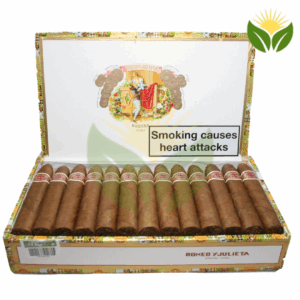
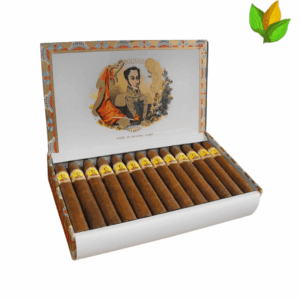
Cuban cigars face constant counterfeiting, and this popular vitola is frequently faked. Authentic examples come in official Habanos packaging—typically boxes of 25, packs of 3 tubos, or boxes of 10-25 tubos. Look for the official Romeo y Julieta band with proper printing quality and holographic elements.
The wrapper should display that characteristic Rosado color with natural oil content. Fakes often look too perfect or too imperfect—authentic Cuban wrappers have character but maintain consistency. The construction should feel substantial but not overpacked, and the aroma should be rich and complex, never flat or artificial.
Purchase from reputable dealers who understand Cuban cigar authentication. Established sellers stake their reputation on authenticity and can provide proper documentation. Be especially cautious of prices that seem too good—authentic Cuban cigars command premium pricing for good reason.
Understanding the complete Cuban cigar process helps you appreciate what distinguishes authentic products from clever counterfeits.
Frequently Asked Questions
How does this compare to other Churchills?
Compared to other brands like Montecristo, this offers more fruit-forward characteristics and a gentler strength progression. It’s more approachable than some Cuban Churchills while maintaining the complexity that makes the format special. The flavor development is particularly well-balanced throughout the smoking experience.
What’s the best way to store these long-term?
Maintain 65% humidity and 65-70°F temperatures consistently. If aging for multiple years, check them periodically for proper moisture content. A quality humidor with reliable humidity control is essential—don’t rely on temporary storage solutions for cigars of this caliber.
Is this good for someone new to Cuban cigars?
While not harsh, the two-hour commitment and medium-full strength make it better suited for intermediate smokers. If you’re new to Cubans, consider starting with shorter, milder vitolas from the same brand before investing in this premium option.
How can I tell if my cigar is properly aged?
Well-aged examples develop a more refined aroma, smoother draw, and better integrated flavors. The wrapper may develop a slight bloom (white crystalline appearance) which is actually desirable. Fresh cigars often display more aggressive characteristics that mellowing with proper aging.
What’s the ideal occasion for smoking this?
This is celebration cigar—promotions, anniversaries, successful business deals, or quiet moments when you want to treat yourself properly. The time investment and price point make it perfect for marking special occasions rather than everyday smoking.