
-
 H Upmann Half Corona $280.00
Hot
in stock
In stock
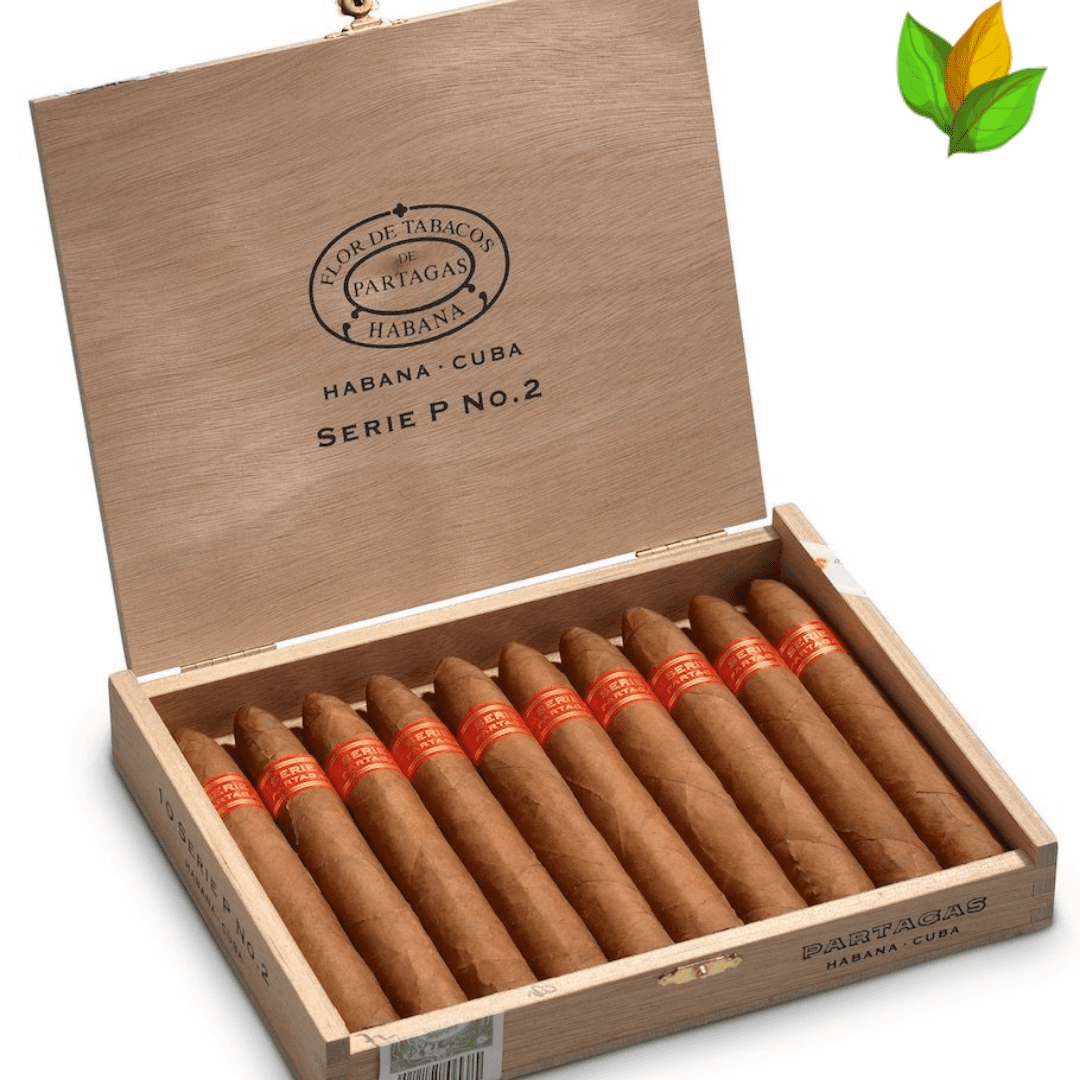
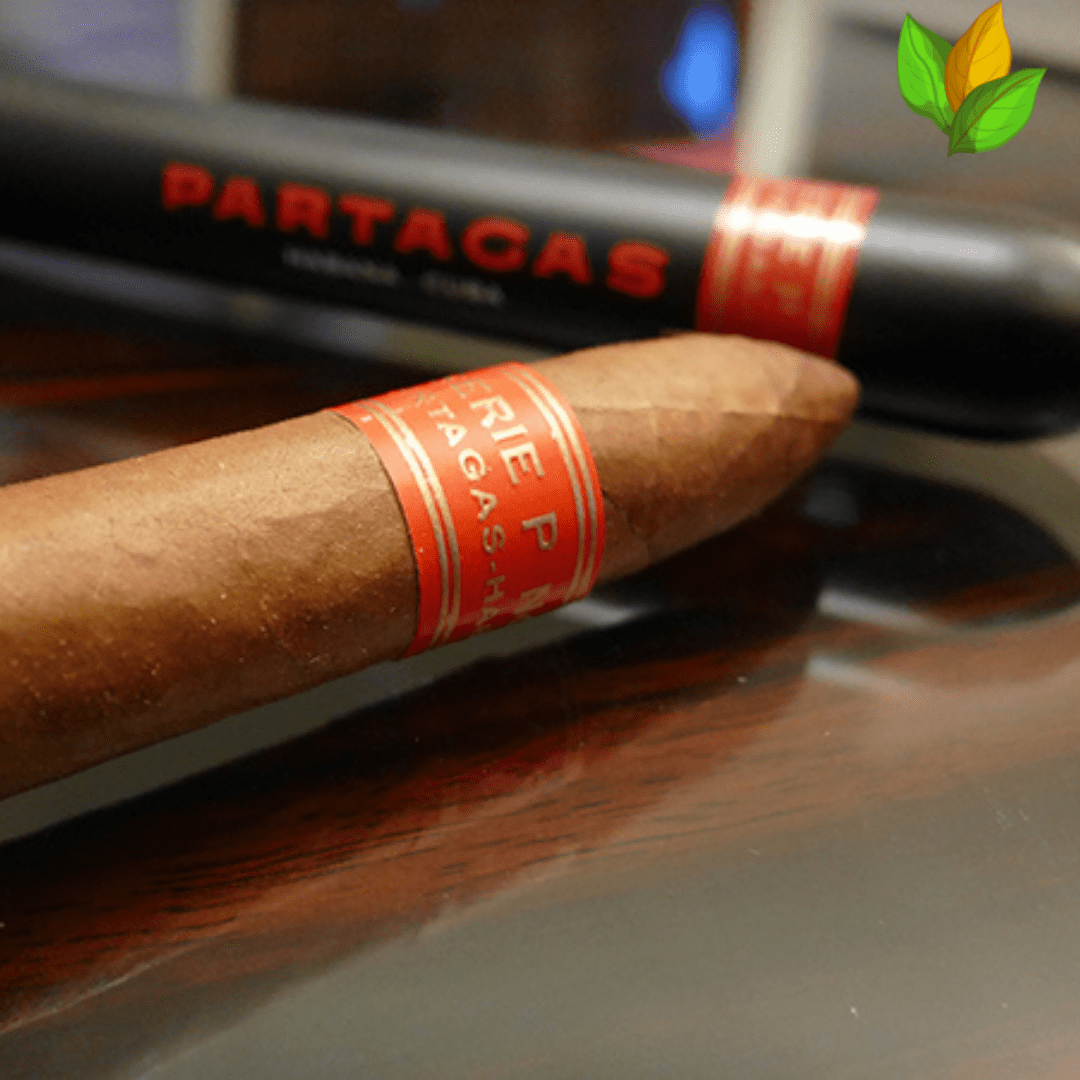
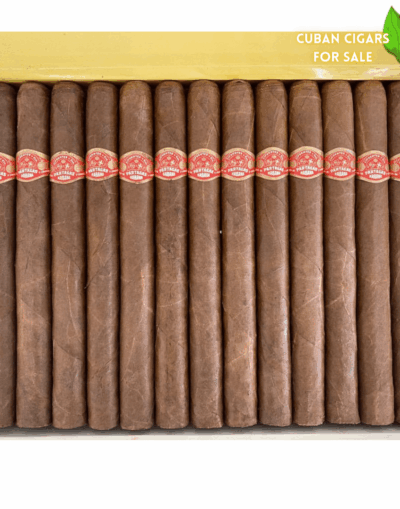
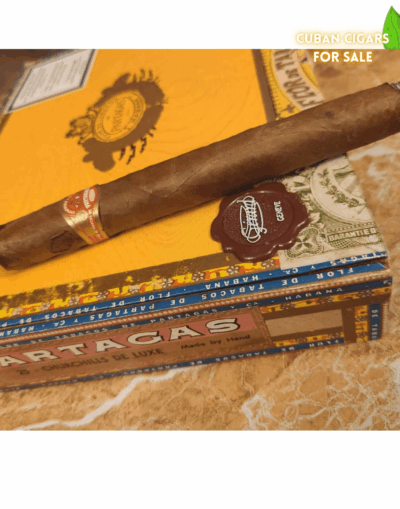
Partagas Serie P No.2
$400.00
Is a full-bodied Cuban cigar with a complex flavor profile and superior construction. Learn about its history, tasting notes, and pairing suggestions in this comprehensive guide.
Features table:
| Feature | Description |
|---|---|
| Brand | Partagas |
| Line | Serie P |
| Vitola | No.2 (Pirámide) |
| Length | 6 1/8 inches (156 mm) |
| Ring Gauge | 52 |
| Wrapper | Cuban |
| Presentation | Box of 10 or 25 Cigars |
| Filler | Cuban |
| Strength | Full |
| Flavor Profile | Leather, cedar, spice, subtle sweetness, chocolate, coffee, earthiness |
| Smoking Time | 60-90 minutes |
| Pairing Suggestions | Aged rum, robust whiskey |
| Box Size | Box of 25 |
| Origin | Cuba |
| Introduction Year | 2005 |

Estimate delivery times: 3-5 days International.

Free shipping & returns: On all orders over $150.

Use code "WELCOME15" for discount 15% on your first order.
Guarantee Safe Checkout:

Description
Description
Partagás Serie P No. 2 Review
Somewhere outside Sintra, Portugal I found myself behind the wheel of a rented 1 Alfa Romeo Giulia whose fragrance was less “car” than gasoline and old horsehair. The car’s engine made this rhythmic, metallic ticking noise — a mechanical heartbeat that felt too exposed on the twisting coastal roads. It was one of those gray, heavy-misted afternoons when the Atlantic Ocean resembles nothing so much as a sheet of hammered lead. I had been solo, which was sort of the point of the trip, but the silence in that cabin was beginning to grate less like freedom and more like a burden.
Product Specifications
| Attribute | Detail |
|---|---|
| Product Name | Partagas Serie P No. 2 |
| Origin | Cuba |
| Factory | Piramides |
| Vitola | Piramide/Torpedo |
| Length | 1 mm / 6.1 inches |
| Ring Gauge | 52 |
| Wrapper | Cuba (Vuelta Abajo) |
| Binder | Cuba (Vuelta Abajo) |
| Filler | Cuba (Vuelta Abajo) |
| Strength | Medium |
It had been three days of trying to run away from a certain kind of melancholy that chases after you once you realize you’re over half your life and most folks who started the trip alongside have taken different exits. I pulled the Alfa over onto a gravel shoulder that overlooked a cliff. Salt spray whipped by the wind, and nothing seemed to be happening to the car’s heater. I needed something to ground me in the present, something to keep my internal monologue from careening into the “what-ifs.” I reached into my travel humidor and plucked a stick that had been lying in wait, not necessarily for a “special” moment, but just necessary.
It was a torpedo, short and squat, with a wrapper the hue of well-worn leather saddle. That smoke? The
Partagás Serie P No. 2. I decapitated it, struck a match on the dash, and for the first time in 4 miles I felt like I was exactly where I was meant to be.
The Specs: Partagás – Serie P No. 2
Before I tell you about how this thing really handled me out on that cliIff-side, let’s check the vitals. This is no small commitment; this is a cigar that will require an hour and a half of your life, maybe more if you are like me and puff slowly. Attribute
Details
Vitola de Galera
Pirámides (Torpedo)
Construction: The Feel of Havana
I’ve smoked a lot of cigars in my life, but there’s just something about the Pirámide shape of the Serie P No. 2 that holds so well in the hand.
It’s got a heft to it. The wrapper on mine was a rich and oily Colorado brown — not so much chocolate as black coffee — with just enough veins to make it look rough-hewn and handmade. It didn’t look as though it came from an assembly line; It looked like someone took some time with this baby in the Partagás factory on Calle Industria. The pre-light draw nwas quite a surprise too.
I gave it a shallow slit to retain some of the smoke. I was smacked with instant notes of cedar, cold cocoa and a great deal of what I call “barnyard,” the earthy, fermented hay smell that lets you know these puros are the real thing from the Vuelta Abajo region. Firm but not too hard, no soft spots and the wrapper was a little bit toothy. To the touch it was like high-quality parchment when I ran my fingers over it.
Gotta tell you, the construction was tight.
No loose leaves at the base, with the taper at the head being sharp and equal-sided. The First Third: A Salty Hello
Ashing this beast in a leaky old car was no mean feat, but once the foot took, there was a great cloud of smoke.
Immediately, I have that very distinctive Partagás “twang.” You get the pepper if you’ve smoked the Serie D No. 4, but this is just P2 and there’s a different start. It has that classic Cuban salt right on the lips, met with a wash of cedar and white pepper. It wasn’t as aggressive as I thought. The texture of the smoke has a certain creaminess, velvety is the word that comes to mind.
After about 10 minutes the pepper calmed down, and I started to taste some floral notes and a hint of citrus zest. It was a weird counterpoint to the cold, briny Atlantic wind whipping through the Alfa’s window, but it worked. The ash held for the line of fire an inch or so, but I got nervous and tapped it into the car’s small chrome ashtray. The burn wasn’t laser-like, but it was well-behaved, and that’s about the best you can expect from a hand-rolled Cuban.
The Second Third: Rubbing Raw at the Heart Of It All
By the time I got to the second third, and it seemed like maybe the melancholy was lifting, I found myself workshopping a pitch for a show inspired by this review in which we pair great smokes with unusually well-suited drinks from around the world
.
And this is where the Serie P No. 2 really shines in terms of complexity. The citrus dropped back and the “darker” notes began to muscle their way onto the drink menu; espresso, leather, and a very specific hazelnut that — I kid you not — brought me right back to a recipe from FreshDirect for street-fair roasted nuts. I also picked up a hint of cumin and honey. This sounds like a weird combination, but against that earthy, oaky base it tasted balanced.
The strength was definitely building. It really is a medium-full thing, but it doesn’t try to kick your teeth in with nicotine. It’s less about the flavor and more about the weight of that flavor. A bit of caramel and nougat lurked every few puffs, which made it interesting.
I reclined back into the leather Alfa seat, watching the smoke curl around the wood of the Alfa steering wheel, sensing that “sweet-salty” balance for which Partagás is known. It’s such a sturdy, dependable transition that you don’t get bored when it doesn’t pop. Act 3: The Daring Conclusion
When I reached the final couple inches, the cigar decided it meant business.
The strength coiled and erupted into a fullbodied howl. The cedar became charred oak, and the espresso notes grew darker, bordering on 90 percent cacao dark chocolate. I began to get notes of nutmeg and an unexpected sweetness that fell somewhere between maple syrup or fresh coconut. The pepper returned, but it was more like a black pepper burn on the back of the throat at that point.
Even at the bitter end, it never turned bitter or mushy. It remained cool as well, a testament to the Vuelta Abajo filler it’s packed with. I smoked it all the way to my fingertips, baby. The finish was strong and long, resulting in an aftertaste of cured tobacco and earth that seemed to linger even long after I’d extinguished it.
By the time I was finished, the Alfa’s cockpit was a haze of blue smoke and the world outside didn’t look quite as gray. The Pairing: What to Drink?
And there I was on that cliffside, stuck with a thermos of lukewarm black coffee, which, let’s face it, rocks. The bitter coffee was the perfect contrast to the creamy cigar. But if I were in a real lounge (or not behind the wheel of a finicky Italian car), I would play it differently. A dark, aged rum something like a Havana Club 7 or a Diplomatico is the move here.
The molasses sweetness in the rum would pair up fantastically with the leather and cocoa from the P2. If you’re agnostic on whether to serve bourbon or scotch, opt for something with a little mindset of peat in it — but also some sherry cask influence. You need something that can handle Partagás strength without trampling the delicate floral and honey flavors. And also that a thick creamy stout beer, the kind you really have to chew on and would make your grandma spit, might be a killer choice for a weekend afternoon as well.
The History: A Modern Classic
The Serie P No. 2 isn’t an antique, but it bears the history of a brand that has been around since 1. Partagás has consistently been the “strong” alternative among Habanos. This specific stick is a member of the “alphabet series,” which had its genesis all the way back in — are we serious here? — the 1930s, but his buddy P2 didn’t actually start making a regular appearance in the lineup until about 2. It was an instant hit.
It’s often compared to the Montecristo No. 2 due to the shape, but they are entirely different beasts. The Monte is spice and cocoa; the Partagás, earth and leather and that raw Cuban power. It always ranks high in the big magazines—I think it was even a top 10 cigar recently in Cigar Aficionado—but more meaningfully, it’s a staple of the humidors of guys who actually smoke every day. But it’s a premium “working man’s” smoke, if you know what I mean.
It’s not flashy, it’s just consistently very good. The Verdict
Now, I’m not going to spot my paper with telling you this is the “best” cigar in the world.
That’s a bunch of marketing talk. What I can tell you is that the Partagás Serie P No. 2 has to be one of the steadiest, most complex and yes soulful smokes for anyone enjoying their tobacco as if it matters – which of course, it does. It’s not as peppery as the Serie D No. 4, which makes this one a little more friendly for an extended session but with plenty of evolution to keep you interested over the whole ninety minutes. Who is this for?
It’s for the person who no longer wants to sit down and actually
smoke. It’s not a cigar to puff while your mowing the lawn or at a loud party. It’s a cigar for a solo journey, for contemplation or to have an extended heart-to-heart with an old friend. It’s got that old-world Havana grit and in a world that’s getting increasingly polished and plastic, well, I can get behind that.
When I did eventually key on the Alfa and start heading back to town, a whiff of Serie P No. 2 was still rising off my jacket. The melancholy had not entirely disappeared — life is never like that — but it did get put back in its place. Sometimes, all you need is a well-rolled piece of tobacco and a few miles of open road to remind you that what’s done isn’t always done, and despite all the shit, you’re still the one calling shotgun. Final Thought:
If you find a box of 25, buy ’em.
Cellar them for a year or two, and they grow only more supple. Solid. Truly solid.
Additional information
Additional information
| Taste | Creamy, Earthy, Nutty, Spicy, Woody |
|---|

Free returns within 30 days
Unlimited delivery for only $175
Related products
-
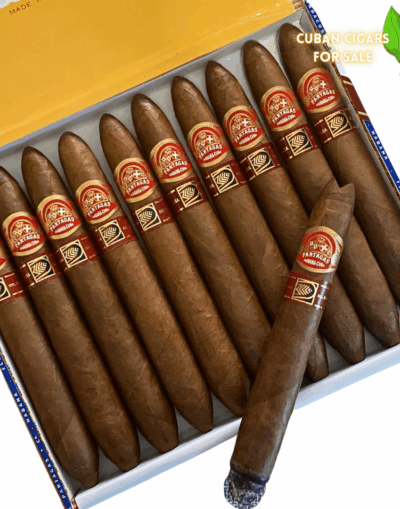
Partagas Salomones
$580.00 -
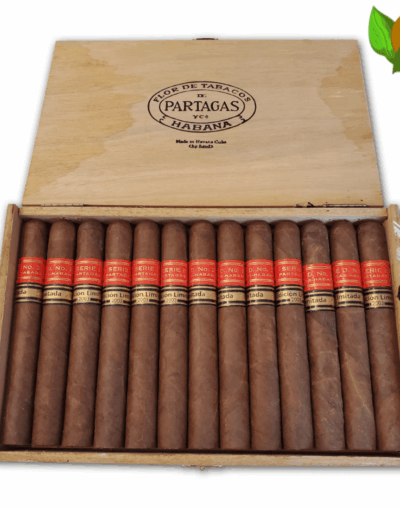
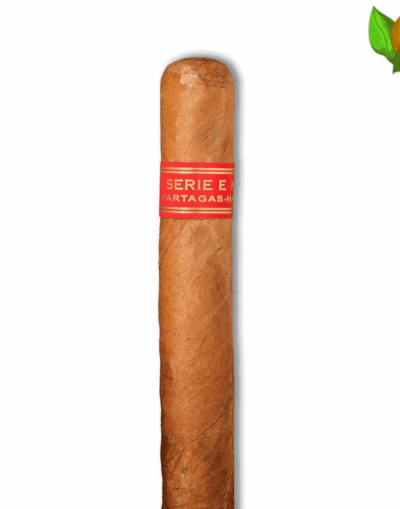
Partagas Serie D No 2
$400.00 -
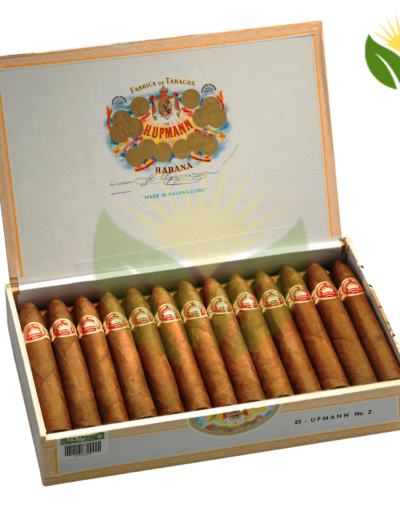
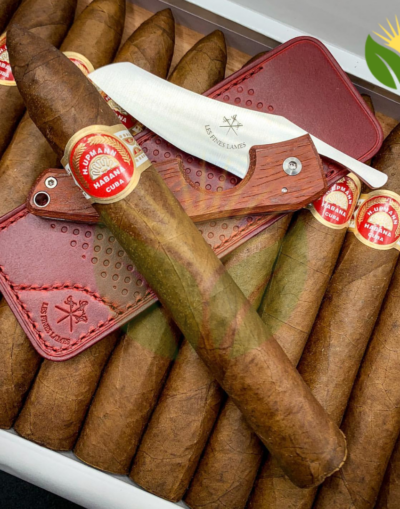
H Upmann No 2
$400.00 -
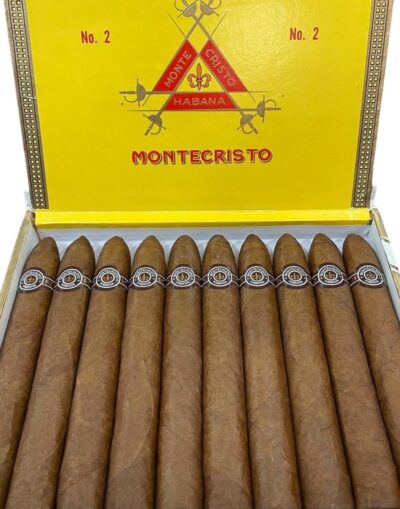
 Hot
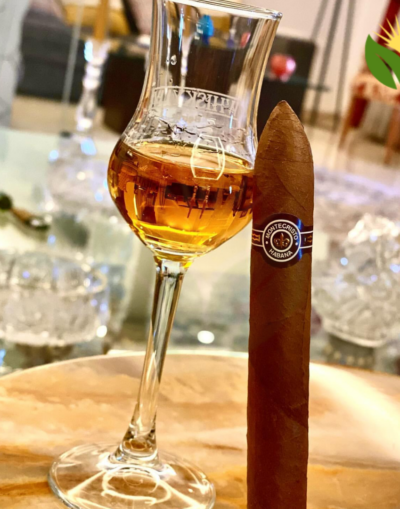
HotMontecristo No. 2
$499.00 -

 Hot
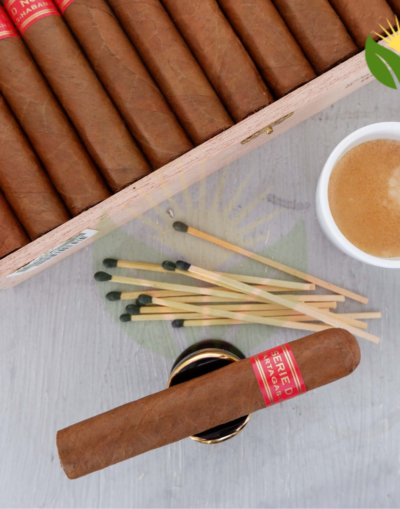
HotPartagas D4
$380.00 -
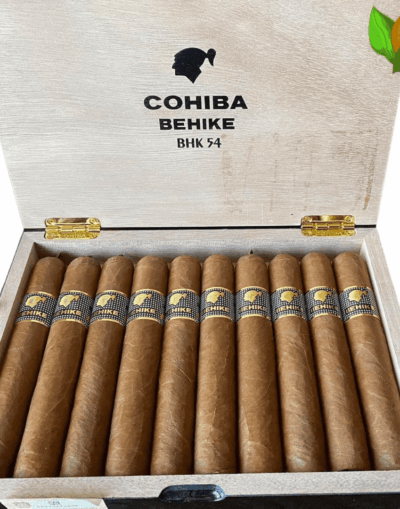
Cohiba Behike 54
$920.00 -

Diplomaticos No. 2
$420.00 -
Partagas Churchill De Luxe
$420.00 -

Partagas 898 Varnished
$480.00