
Description
The afternoon sun was beating down on the rooftop terrace of La Casa del Habano in Barcelona, and I’d just settled into one of their worn leather chairs with a café cortado. The shop manager had recommended something from the Partagás lineup – something with substance but not overwhelming for the late afternoon heat. That’s when he handed me this compact Petit Robusto that would completely change my perspective on Cuban cigars.
I’ll be honest, I wasn’t expecting much from what looked like a shorter smoke. Boy, was I wrong.
Construction and First Impressions
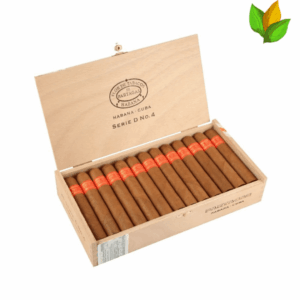
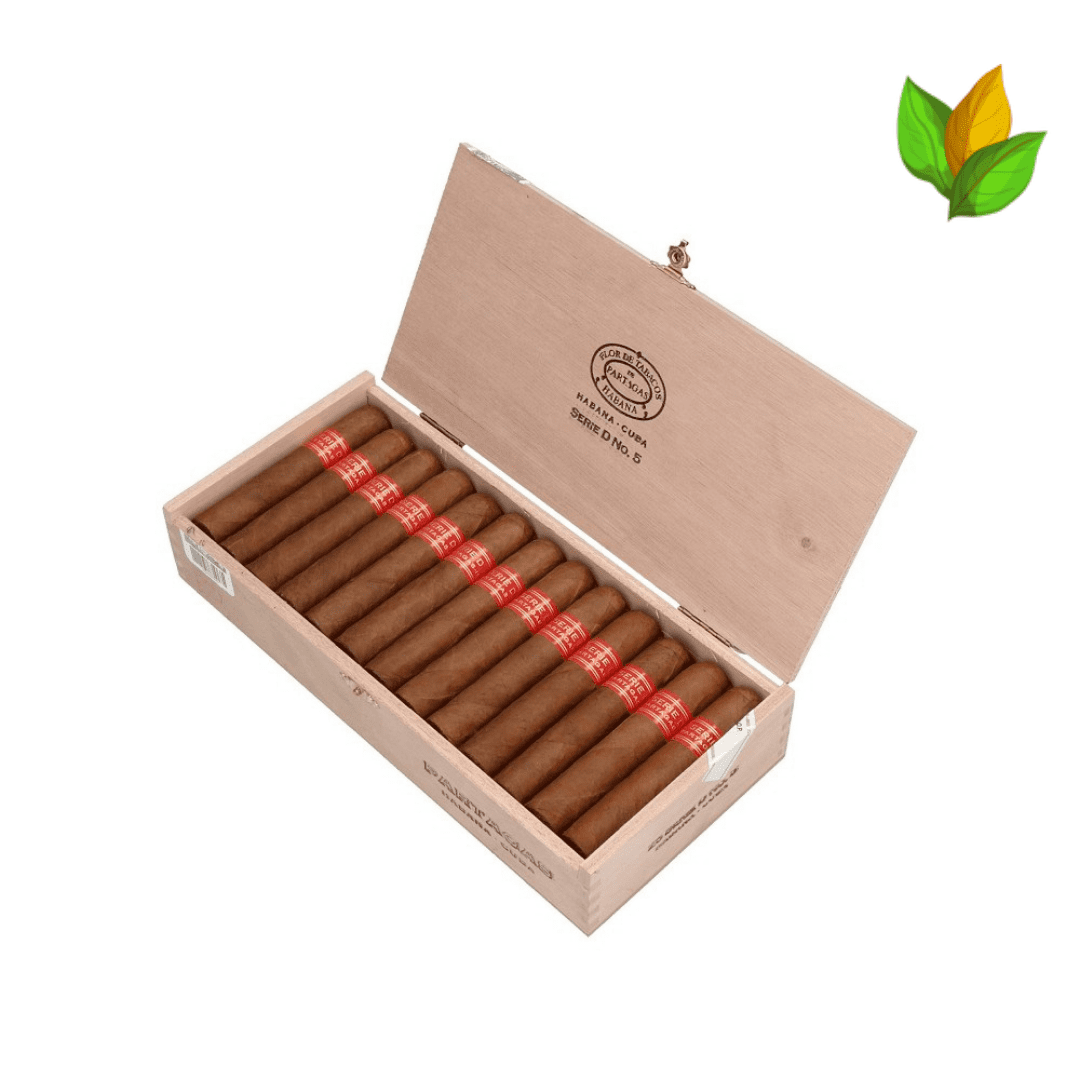
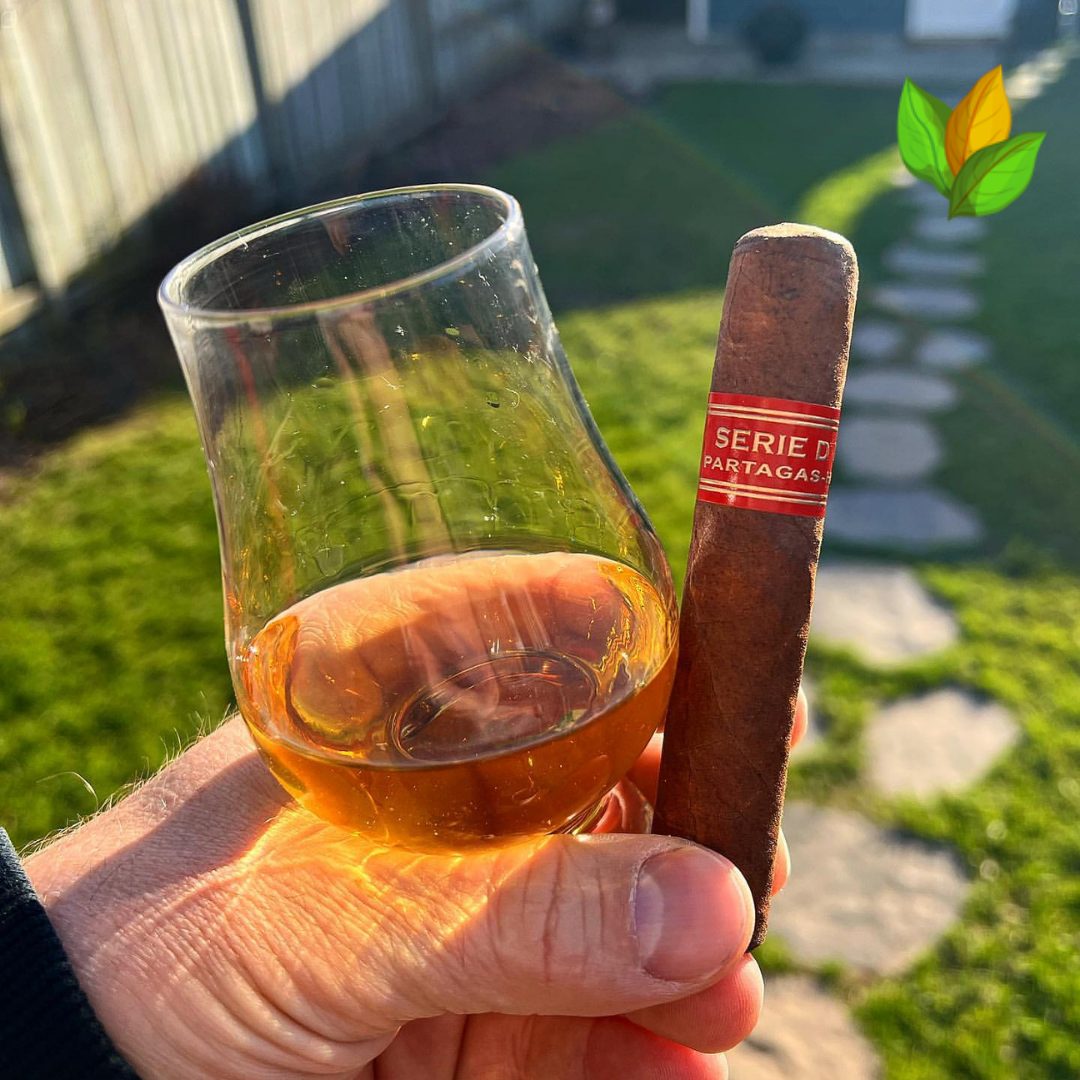
Right off the bat, this Cuban cigar impressed me with its flawless construction. The wrapper had this gorgeous medium-brown Colorado shade with just enough oil to catch the light. Running my fingers along the surface, I could feel the quality – smooth, supple tobacco with barely visible seams. The cap was applied perfectly, and the overall build felt substantial despite the shorter 4 3/8 inch length.
What really caught my attention was the weight. At 10.34 grams, this little Petit Robusto felt dense in my hand. You can tell immediately this is a regular production cigar that’s been refined over years of production – no shortcuts, no inconsistencies. The draw on the cold stick gave me hints of what was coming: subtle chocolate notes that had me excited for the light-up.
The 50 ring gauge gives you that perfect balance. Not so thick that it becomes a commitment, but substantial enough to deliver the full Partagás experience. Every example I’ve smoked has been consistently well-filled with no soft spots or construction issues.
Flavor Journey Through Each Third
Opening Act
Once I got this beauty lit properly, the first third delivered exactly what the cold draw promised – and then some. Those subtle chocolate notes from before transformed into something much more complex. Prominent leather jumped forward immediately, backed by a wonderful nuttiness that’s become synonymous with quality Partagás tobaccos.
The smoke was delicate at first, almost restrained. Don’t mistake this for weakness though. It’s more like the cigar is warming up, getting ready to show you what Cuban craftsmanship is really about. That Vuelta Abajo tobacco character starts revealing itself gradually.
The Heart of the Experience
Everything changes in the second third. Honestly, this is where the cigar really comes alive. The smoke output increases dramatically, and the body jumps from medium to something much more substantial. New flavors start layering in: honey sweetness that balances perfectly with white pepper spice, while that nuttiness becomes absolutely dominant.
This is when I realized why this started as an Edición Limitada back in 2008 before entering regular production. The complexity here rivals cigars twice the length. The progression is seamless but dramatic – you’re getting a completely different smoking experience than what you started with.
The Grand Finale
The final third maintains that medium body while pushing the flavors to medium-full intensity. That classic Partagás character really shines through here – earthy, spicy, woody with this deep richness that coats your palate. I picked up leather again, more pronounced now, along with almond notes and lingering honey.
Some sessions I’ve noticed hints of cedar, coffee, even some floral touches that surprise you. There’s occasionally this slight twang that adds character without being off-putting. The burn stays even right down to the nub, which speaks volumes about the tobacco quality and construction.
Technical Specifications
| Length | 110mm (4 3/8 inches) |
| Ring Gauge | 50 |
| Vitola | Petit Robusto |
| Strength | Medium to Full (4/5) |
| Smoking Time | 45-60 minutes |
| Weight | 10.34g |
| Wrapper Origin | Vuelta Abajo, Cuba |
Perfect Pairing Companions
Given the full-bodied, earthy character of this smoke, you want drinks that can stand up to its intensity without competing. I’ve had excellent experiences pairing it with aged rum – specifically a 12-year Flor de Caña or Havana Club Añejo Especial. The rum’s sweetness complements those honey notes while the oak aging matches the tobacco’s earthiness.
For whiskey lovers, try it with a peated Scotch like Ardbeg 10 or Laphroaig Quarter Cask. The smoke and salt notes create this incredible harmony with the cigar’s leather and wood characteristics. If you prefer bourbon, something with high rye content like Bulleit or Wild Turkey 101 works beautifully.
Coffee enthusiasts should go for a double espresso or Cuban coffee if you can find it. The intensity matches perfectly, and you’ll discover flavor notes in both that you might miss otherwise. I’ve also had success with a robust red wine – Cabernet Sauvignon or a Spanish Tempranillo from Ribera del Duero.
For a non-alcoholic option that really works, try it with dark chocolate (70% cacao or higher) or a strong black tea like Assam or Ceylon.
Cutting and Lighting Technique
With a 50 ring gauge, you’ve got some flexibility in your cutting approach. I prefer a straight cut about 2-3mm from the cap – just enough to open the draw without compromising the wrapper’s integrity. A sharp cutter is essential here because Cuban wrappers can be delicate.
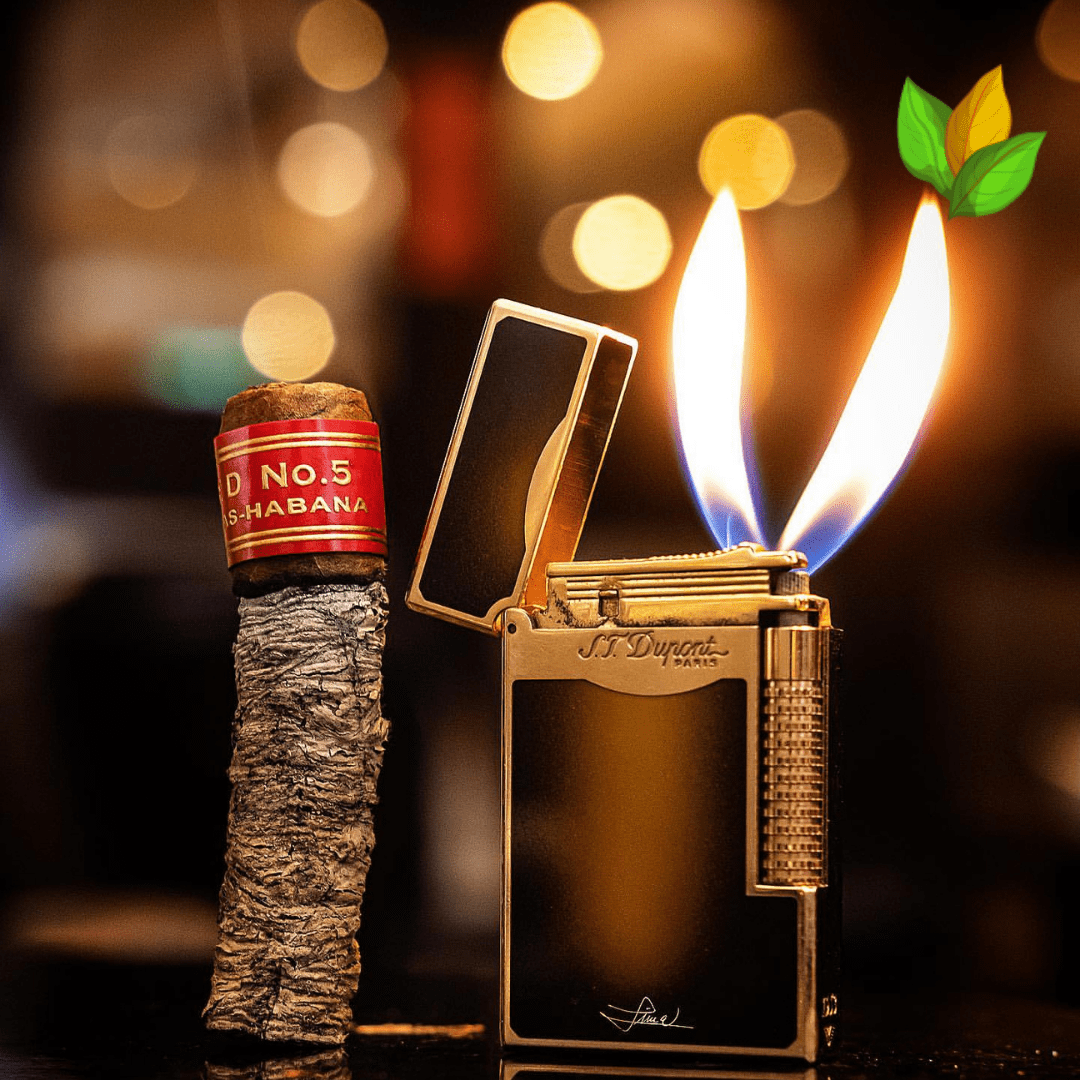
For lighting, take your time. The shorter length means you’ll want every millimeter to burn properly. Use a butane torch or cedar spills, never sulfur matches or candles. Toast the foot evenly, rotating the cigar slowly until you get that nice orange glow across the entire surface.
Once you start the initial puffs, don’t rush it. Let the tobacco warm up gradually. These Cuban cigars need a few minutes to hit their stride, and patience in the lighting process pays dividends throughout the smoke. If you notice any uneven burn early on, a quick touch-up with your lighter will sort it out.
The draw should be slightly firm but not tight. If you’re having trouble, don’t force it – sometimes a second small cut does the trick better than fighting a stubborn draw for 45 minutes.
Who Should Smoke This Cigar
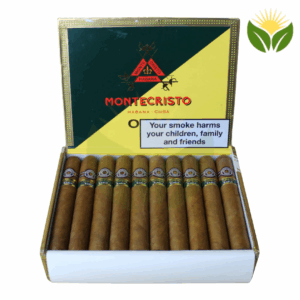
This isn’t a beginner’s cigar, despite its approachable size. The medium to full strength and complex flavor development make it better suited for serious smokers who can appreciate the nuances. If you’re coming from milder cigars like some Montecristo offerings, this will be a significant step up in intensity.
It’s perfect for experienced enthusiasts who want the full Cuban experience but don’t have 90 minutes for a Churchill or Double Corona. Business dinners, afternoon breaks, or that post-meal smoke where you want something substantial but not overwhelming.
I’d recommend it for anyone who enjoys other full-bodied Cuban marcas or has experience with medium-plus Nicaraguan or Honduran cigars. The flavor complexity rewards smokers who pay attention to the progression rather than just puffing away absent-mindedly.
Occasions-wise, it’s versatile. Formal enough for special celebrations, approachable enough for regular enjoyment. The 45-60 minute smoking time makes it ideal for most social situations without the commitment of longer vitolas.
Authentication and Avoiding Fakes
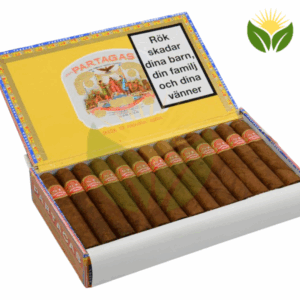
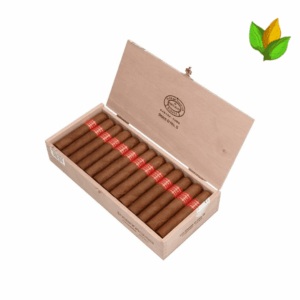
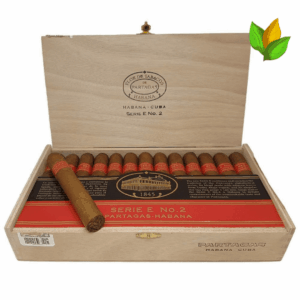
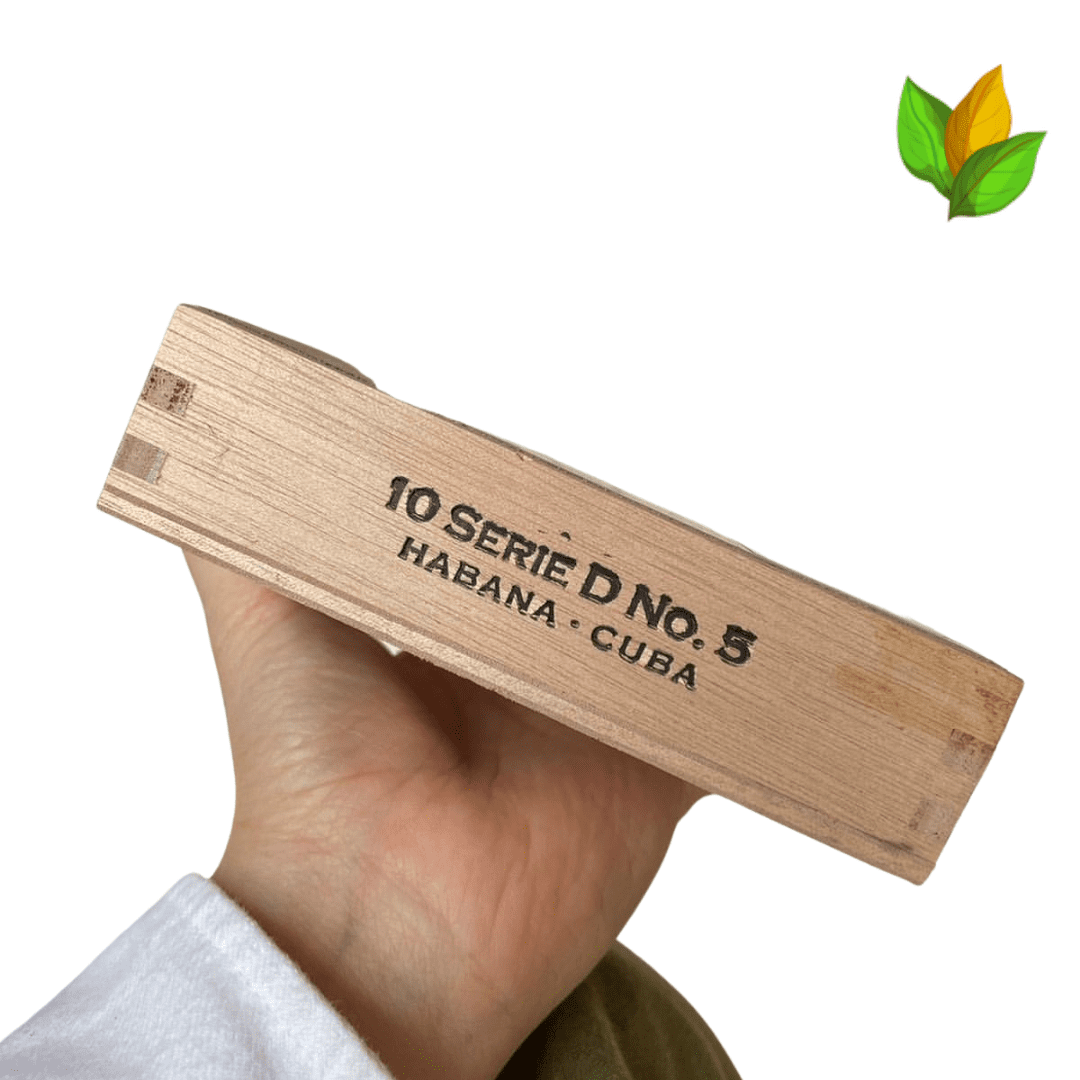
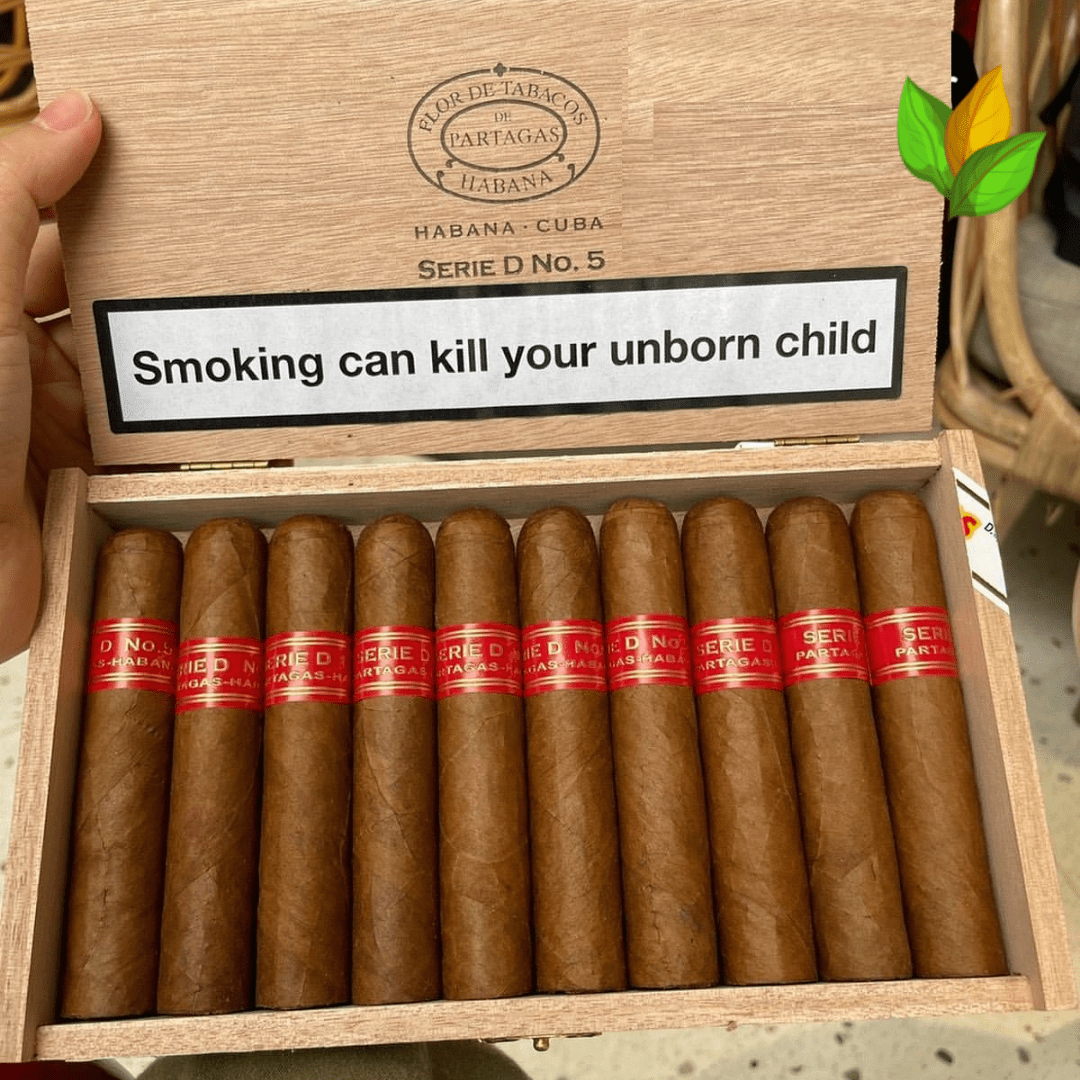
Cuban cigar counterfeits are unfortunately common, so knowing what to look for is crucial. Genuine Serie D No. 5s come in specific packaging: semi-boîte nature boxes of 10 or 25 cigars, or display boxes of 15 in tubos. The bands should be crisp with clear, aligned text and proper holographic elements.
Check the construction quality I mentioned earlier – fakes often have poor cap application, uneven filling, or wrapper issues. The genuine article will have that consistent 10.34g weight and proper dimensions. Authentic boxes include proper Habanos seals and warranty stickers.
Buy from established dealers with proven track records. Reputable sources will have proper documentation and customer service that stands behind their products. Be extremely wary of prices that seem too good to be true – quality Cuban cigars maintain relatively consistent pricing across authorized retailers.
The flavor profile is also a dead giveaway. Counterfeits might look decent but will lack that distinctive Partagás character and smooth flavor progression. If it tastes harsh, burns unevenly despite proper storage, or lacks complexity, you might have a fake on your hands.
Storage and Aging Recommendations
Like all Cuban cigars, proper storage is non-negotiable for maintaining quality. Keep them at 65-70% relative humidity and 65-70°F (18-21°C) in a proper humidor. I’ve found 67% humidity to be the sweet spot – enough moisture to keep them supple without risking burn issues.
These cigars have excellent aging potential. While they’re certainly enjoyable fresh, I’ve noticed significant improvement after 1-2 years of proper storage. The flavors integrate better, any rough edges smooth out, and that honey sweetness becomes more pronounced. Proper storage techniques can really make the difference between good and exceptional smoking experiences.
If you’re buying a box, consider smoking one fresh and then letting the rest age. The difference after 18 months is remarkable. Keep them in their original box if possible – Cuban cigars often age better in their intended packaging.
Monitor your humidor regularly with a calibrated hygrometer. Cuban wrapper leaves are particularly sensitive to humidity swings. Too dry and they’ll crack; too wet and you’ll have burn and draw problems that ruin the experience.
For more detailed guidance on setting up proper storage conditions, professional resources can help ensure you’re protecting your investment properly.
Frequently Asked Questions
How long does a Serie D No. 5 typically take to smoke?
Most smokers finish one in 45-60 minutes, depending on your pacing. I usually get about 50 minutes of enjoyment from each cigar. The shorter length makes it perfect when you want a full Cuban experience without the time commitment of larger vitolas.
What’s the difference between this and other Serie D cigars?
The No. 5 is the shortest in the Serie D line at 4 3/8 inches, but it maintains the same 50 ring gauge as the No. 4. You get similar flavor intensity and complexity in less time. The progression is more compressed but just as satisfying for experienced smokers.
Should I buy them in tubos or regular boxes?
Both are authentic options. Tubos offer individual protection and are great for travel or gifting, but they’re more expensive per cigar. Regular boxes are more economical and some argue the cigars age better together. For home storage, I prefer regular boxes; for travel or special occasions, tubos are convenient.
How do these compare to Montecristo in terms of strength?
These are definitely stronger than most Montecristo offerings. If you’re comfortable with Montecristo No. 2 or Edmundo, you should be fine with the Serie D No. 5. It’s a step up in intensity but not overwhelming for most experienced cigar smokers.
Can beginners enjoy this cigar?
I’d recommend building up to it first. The medium-full strength and complex flavors are better appreciated with some experience. Start with milder Cuban options or medium-bodied non-Cuban cigars before tackling this one. The quality deserves to be properly appreciated rather than overpowering a newcomer to premium cigars.
Understanding the journey from plantation to your humidor can help any smoker better appreciate what makes these Cuban cigars so special. When you’re ready to explore the full world of Cuban cigar appreciation, proper technique and knowledge make all the difference in your enjoyment.