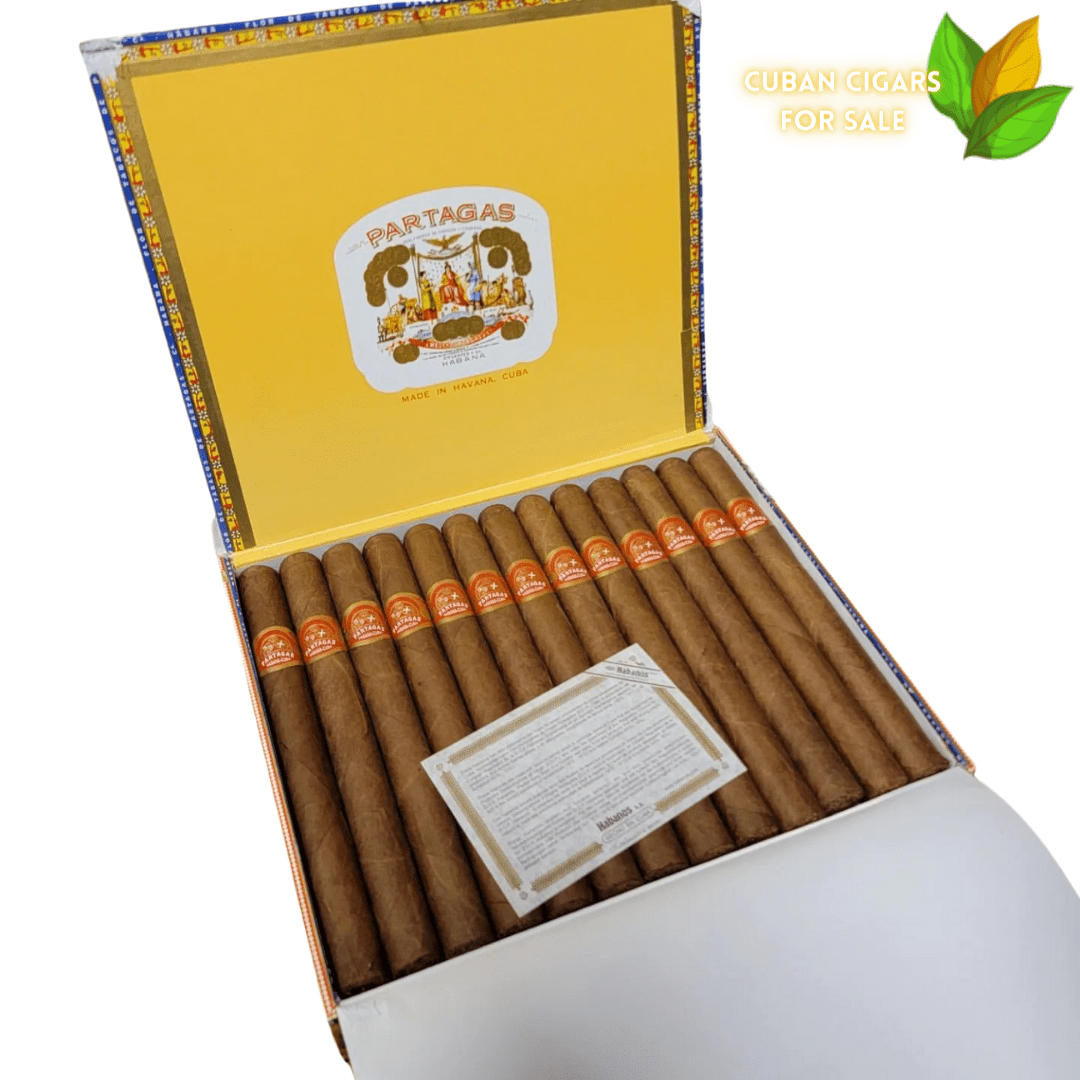

Description
Why the Partagas Lusitanias Still Demands Respect
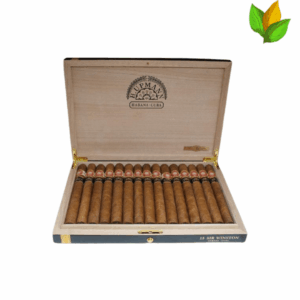
I’ll be honest: when someone asks me for a no-nonsense Cuban cigar recommendation, the Partagas Lusitanias comes up within the first five seconds. Maybe I’m predictable. But after three decades of smoking these things—and I mean really smoking them, not just lighting one up at weddings—I can tell you this Double Corona has earned every bit of its reputation. This isn’t some boutique release with fancy marketing behind it. The Lusitanias is old-school Havana in a 7.5-inch package, and if you’re serious about Cuban cigars, you need to understand why this vitola matters.
What Makes This Partagas Stand Out
Partagas has been around since 1845. Think about that for a second—1845. Abraham Lincoln was still a lawyer. The factory on Calle Industria has survived wars, embargoes, and regime changes, and somehow the Lusitanias has maintained its character through all of it. This isn’t the flashiest cigar in the Partagas lineup. That honor probably goes to the Serie D No. 4, which everyone and their uncle has tried. But the Lusitanias? It’s for people who have the time and patience to sit with a proper Double Corona for two hours and let it unfold.
Who’s this cigar for? Not beginners, I’ll say that right now. If you’re still figuring out whether you like mild or medium-bodied smokes, start elsewhere. The Lusitanias is full-flavored—not aggressive, but definitely assertive. It’s built for experienced smokers who appreciate complexity and don’t mind committing serious time to a single cigar. I remember the first time I smoked one. It was at a lounge in Tampa, and I made the mistake of thinking I could rush through it during a lunch break. That didn’t go well. This cigar sets the pace, not you.
| Specification | Details |
|---|---|
| Vitola | Double Corona (Prominentes) |
| Length | 7.5 inches / 194 mm |
| Ring Gauge | 49 |
| Wrapper | Cuban (Vuelta Abajo) |
| Binder | Cuban |
| Filler | Cuban Blend (Vuelta Abajo) |
| Strength | Medium to Full |
| Smoking Time | 100-130 minutes |
The Smoking Experience—All Two Hours of It
The cold draw on a fresh Lusitanias gives you earth and barnyard notes right away. Not the prettiest description, I know, but it’s accurate. There’s a richness there that tells you this tobacco saw proper aging. Once you toast the foot and get going, the first third opens with leather and a distinctive spice that Partagas is known for. It’s not pepper exactly—more like a baking spice, maybe cinnamon or nutmeg, mixed with strong espresso. The draw is usually firm but manageable. Construction on these has been solid in my experience, though I did have one box from 2018 that needed some attention with the draw tool. Happens sometimes with Cubans.
Around the halfway point—and we’re talking 45 minutes in at this stage—the profile starts shifting. The spice mellows out and you get more wood notes coming through. Cedar, definitely. Some people say they get cocoa here. I don’t always pick that up, but when I do, it’s dark chocolate, not milk chocolate. The retrohale at this stage is where the Lusitanias really shows off. There’s a complexity there that justifies the time investment. One thing I’ve noticed over the years: if you’re smoking too fast, you’ll miss this transition entirely and just get harsh smoke. Patience pays off.
The final third is where things get interesting, and honestly, where some people bail out. The strength builds. Not to the point of making you lightheaded—I mean, it can if you’re not careful—but you definitely feel it more than you did in the first hour. The flavors concentrate: earth, leather, a bit of ammonia if the cigar is too young (which is why I tell people to let these rest), and sometimes a mineral quality that I’ve never quite found the right words for. The ash holds for about an inch and a half before dropping, and the burn line stays pretty even if you’re not smoking in the wind like an idiot.
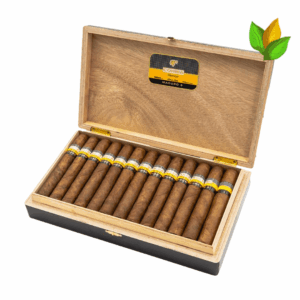
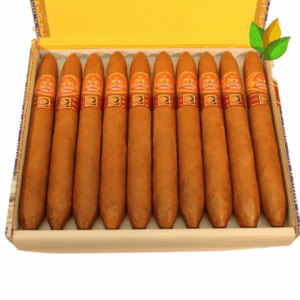
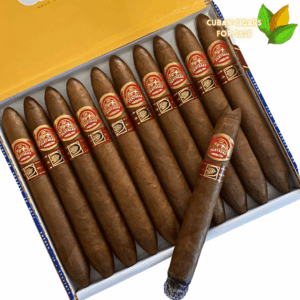
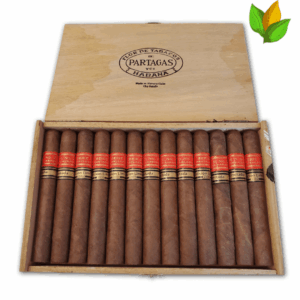
Construction-wise, the wrapper on Lusitanias tends to be smooth with minimal veins. The color varies from box to box—I’ve had some that were Colorado Claro and others that leaned toward Maduro. Doesn’t seem to affect the taste much, just the appearance. The cap is well-applied, and I’ve rarely had one unravel on me. One weird thing I’ve noticed: the band seems to stick more stubbornly on these than on other Partagas vitolas. Maybe it’s just me. Wait until the cigar warms up before trying to remove it, or you’ll tear the wrapper. Trust me on that.
| Cigar | Strength | Smoking Time | Best For |
|---|---|---|---|
| Partagas Lusitanias | Medium-Full | 100-130 min | Extended sessions, experienced smokers |
| Hoyo de Monterrey Double Corona | Medium | 90-110 min | Milder alternative, morning smoke |
| Bolivar Gold Medal | Full | 95-120 min | Those wanting more intensity |
What to Pair With It
I’ve tried the Lusitanias with everything from rum to scotch to—don’t judge me—Dr. Pepper. The best pairing I’ve found is a good aged rum. Something like Flor de Caña 18 or Ron Zacapa 23 complements the cigar without fighting it. The sweetness from the rum balances the earthiness of the tobacco. If you’re a whisky person, go for something smoky—an Islay scotch like Laphroaig works surprisingly well, though some people think that’s overkill. They’re probably right, but I like it anyway.
As for occasions, this isn’t a “running errands on Saturday” cigar. You need a proper block of time and ideally some good company or a compelling book. I’ve enjoyed these on fishing trips where the pace is slow and nobody’s rushing anywhere. Late evening sessions work well too—start one around 8 PM and you’ll finish as the night really settles in. Just maybe have something in your stomach first. Smoking a Lusitanias on an empty stomach is a rookie move I don’t recommend repeating.
Common Questions About the Partagas Lusitanias
How long should I age a Partagas Lusitanias before smoking?
Honestly, it depends on the box date and your tolerance for young cigar harshness. I’d say minimum six months after you receive them, ideally a year or more. I’ve got a box from 2019 that’s smoking beautifully right now in 2024. The ammonia notes fade with time and the flavors integrate better. If you’re impatient like I used to be, at least give them three months to recover from shipping and settle down in your humidor.
Is the Lusitanias stronger than the Serie D No. 4?
Yeah, I’d say so, though it’s not a huge difference. The longer smoking time means you’re getting more nicotine overall, and the final third definitely kicks harder than the Serie D. If the Serie D No. 4 is your upper limit strength-wise, approach the Lusitanias with caution and make sure you’ve eaten something substantial first.
Why is the Lusitanias less popular than other Partagas vitolas?
Time commitment, mainly. Not everyone has two hours to dedicate to a single cigar, and I get that. The Serie D No. 4 gives you the Partagas character in 45 minutes. The Serie P No. 2 offers a different shape and a bit more refinement. The Lusitanias asks for patience, and in our current world, that’s asking a lot. But for those who appreciate the format, it’s absolutely worth it.
What humidity level should I store these at?
I keep mine at 65% RH, which seems to be the sweet spot for most Cuban cigars. Some people go higher, up to 70%, but I find that makes the draw too tight and the burn uneven. Below 62% and you risk the wrapper cracking, especially on larger ring gauges like this. Room temperature should be around 65-70°F if you can manage it. My humidor runs a bit warmer in summer, and I haven’t noticed major issues, but ideally you’d keep things stable.
Are there noticeable differences between different production years?
Absolutely, though this is where things get subjective. I’ve found that boxes from around 2015-2017 have been particularly good—well-constructed with balanced flavor. Some of the more recent production has been a bit inconsistent, which seems to be a broader Habanos SA issue, not specific to this vitola. That said, I smoked a 2021 Lusitanias last month that was excellent, so it’s not like quality has fallen off a cliff. Just more variation than I’d prefer.
Can I smoke this if I’m relatively new to Cuban cigars?
You can, but I wouldn’t recommend it as your introduction. Start with something milder like a Hoyo de Monterrey Epicure No. 2 or even a H. Upmann Half Corona to get a feel for Cuban tobacco. The Lusitanias will still be there when you’re ready for it, and you’ll appreciate it more with some experience under your belt. Jumping straight to this is like learning to drive in a manual transmission truck—possible, but why make it harder on yourself?
How does this compare to non-Cuban Double Coronas?
Different animals entirely, in my opinion. Rocky Patel and other non-Cuban manufacturers make excellent cigars, don’t get me wrong. But the Cuban tobacco character—that earthy, sometimes musty, distinctly Vuelta Abajo profile—is something you either love or you don’t. Non-Cuban double coronas tend to be smoother and more consistent in construction, but they lack that raw, complex character that makes Cuban cigars special. It’s not better or worse necessarily, just different. If you’re ordering online and trying to decide, I’d say get both and see which style speaks to you.
Final Thoughts on This Cuban Classic
The Partagas Lusitanias isn’t trying to be innovative or trendy. It’s a straightforward, full-flavored Cuban cigar that delivers exactly what you’d expect from the Partagas marca. If you’ve got the time and the inclination to sit with a proper Double Corona, this should definitely be on your list. Keep a few in your humidor for those occasions when you want something substantial without any gimmicks.
Ready to add the Lusitanias to your collection? Check your account, make sure you’re of legal smoking age, and add these to your cart. And if they’re out of stock when you check, set up a wishlist notification—these come and go depending on what’s available from Cuba. Worth the wait when you can get your hands on them. You can also browse our finestcigars selection online to see what else might catch your attention, but honestly? Start here. This is the one that’ll teach you what Partagas is all about.