
Description
There is a specific kind of silence that only exists in a garage at five-thirty in the morning. It’s not the empty silence of a desert; it’s a heavy, mechanical silence. It smells like cold concrete, old Pennzoil, and the faint, lingering scent of sawdust from a shelf I promised to finish back in October. I was sitting out there on my old metal stool, the one with the cracked vinyl seat that bites into your leg if you sit the wrong way, just watching the fog roll off the driveway. I had a mug of coffee in my hands—black, hot enough to strip paint, and served in a ceramic cup I’ve had since my first apartment. No cream, no sugar, no distractions.
I found myself thinking about things that last. In a world where everything is made of plastic and designed to break the moment the warranty expires, I tend to gravitate toward the stuff that sticks around. My old workbench, my grandfather’s ball-peen hammer, and my humidor. I’ve spent a lot of mornings like this, just me and my thoughts before the rest of the house wakes up and the demands of the day start clawing at the door. I needed something that matched the gravity of the morning. I didn’t want a “breakfast smoke” that tasted like hay and air. I wanted something with some meat on its bones. I wanted something that felt like it had been through a few things, just like that old hammer on the bench.
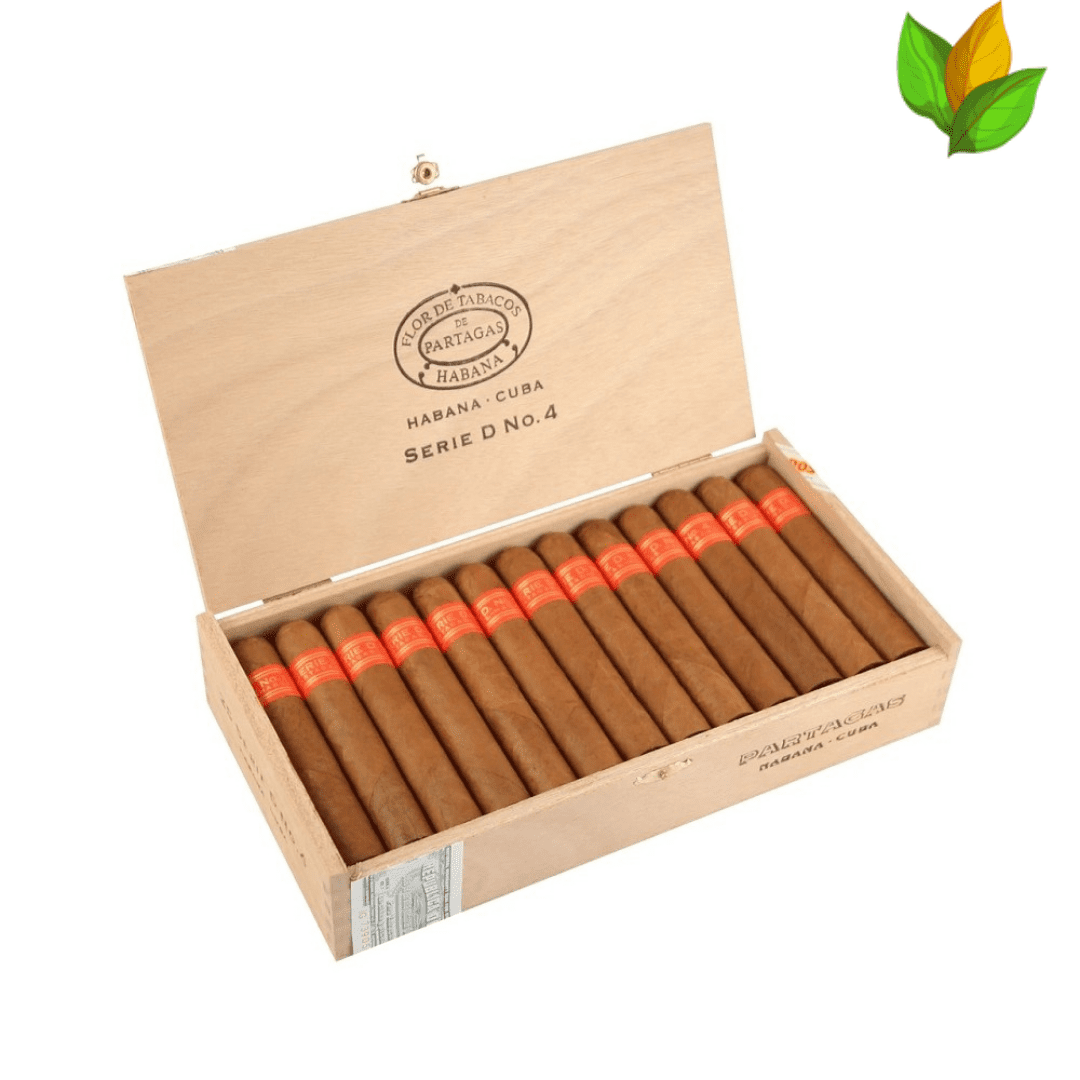
That smoke? The Partagás Serie D No. 4. Or, as most of us call it when we’re not trying to impress anyone, the D4.
The Specs
Before I get into the grit of how this thing actually smokes, let’s lay out the vitals. If you’re going to talk shop, you need the right measurements.
| Feature | Specification |
|---|---|
| Product Name | Partagás Serie D No. 4 |
| Vitola de Galera | Robusto |
| Length | 124 mm (approx. 4.9 inches) |
| Ring Gauge | 50 |
| Origin | Cuba (Havana) |
| Region | Vuelta Abajo |
| Wrapper | Cuba (Vuelta Abajo) |
| Binder | Cuba (Vuelta Abajo) |
| Filler | Cuba (Vuelta Abajo) |
| Strength | Full |
The Transition: Why the Red Band?
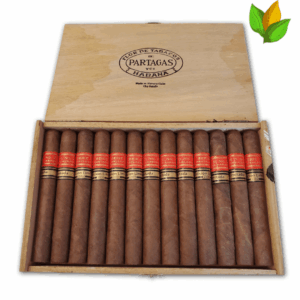
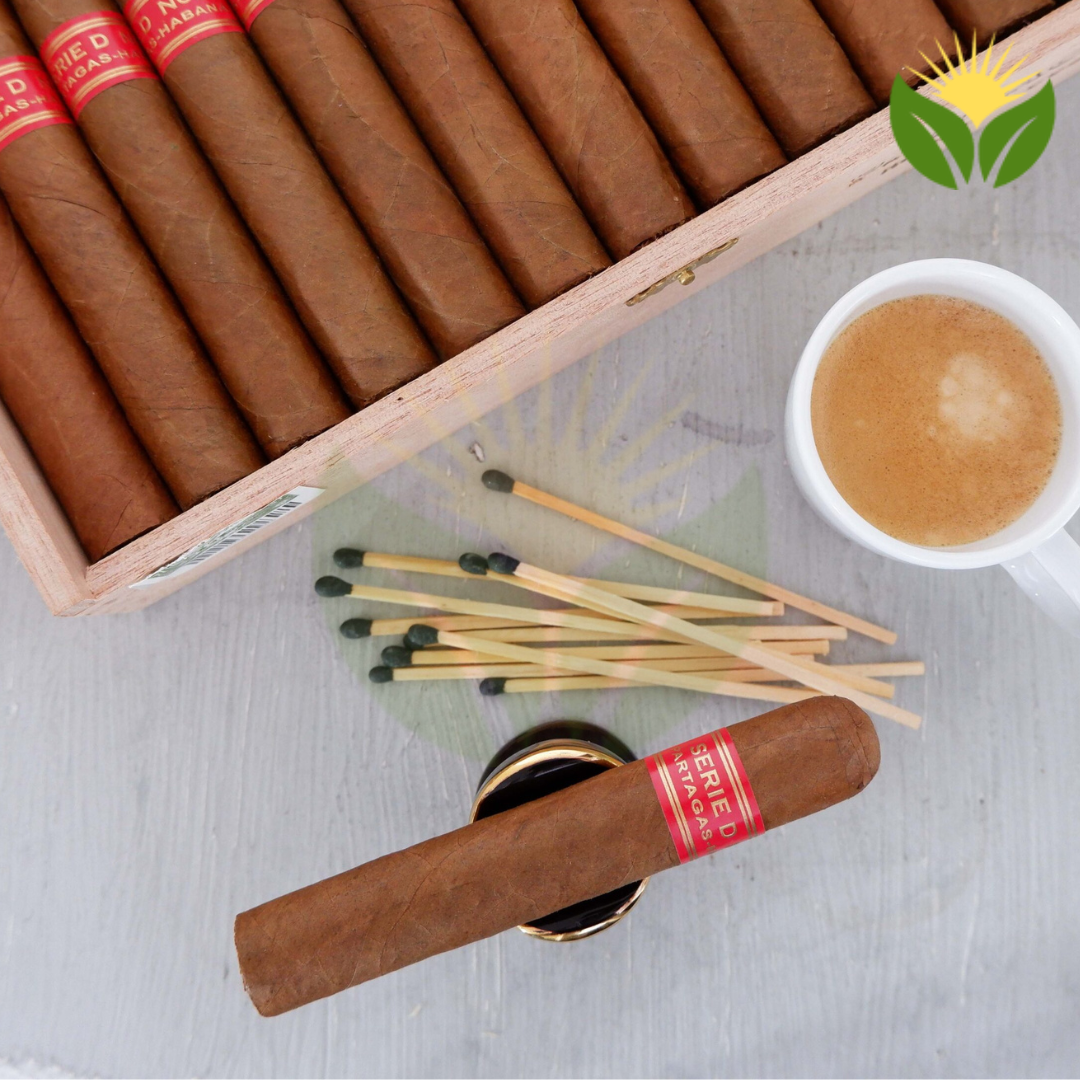
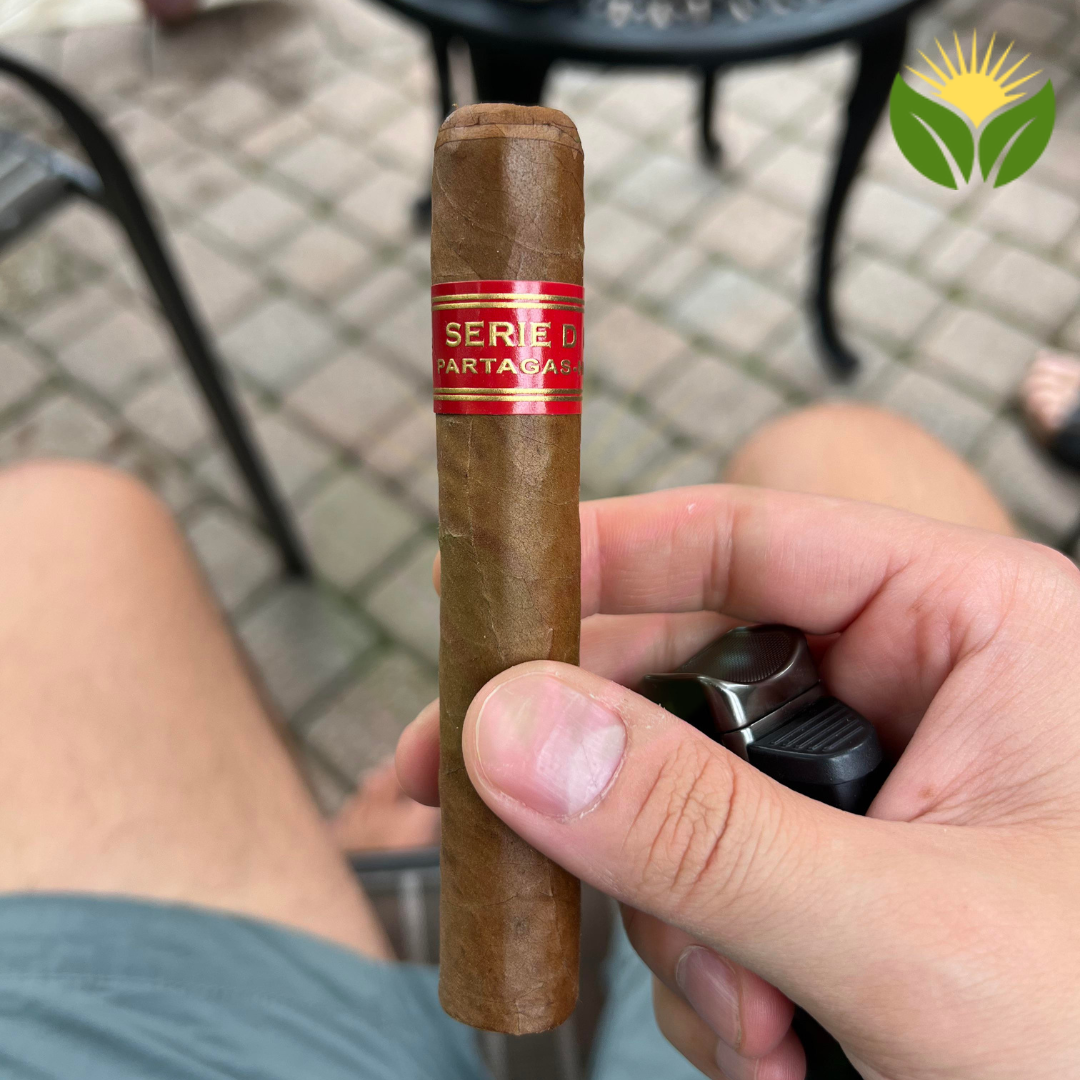
I reached into my travel humidor and pulled out the D4. That iconic red and gold band always stands out. It’s not flashy like some of the modern stuff coming out of Nicaragua these days with their embossed foil and holographic logos. The Partagás band looks like a warning label, and in a way, it is. It tells you that you aren’t about to smoke a mild, creamy Connecticut. You’re about to get into a scrap with some serious Cuban tobacco.
I’ve been smoking these for years, and every time I pick one up, I think about the Partagás factory in Havana. I remember standing outside those old gates once, years ago, feeling the heat of the city and smelling the fermenting leaves from a block away. Don Jaime Partagás started this whole thing back in 1845, and even though the world has changed a thousand times since then, the soul of this cigar feels anchored in that history. It’s a “working man’s” luxury, if that makes sense. It’s high-quality, but it doesn’t feel delicate.
Construction and Pre-Light Ritual
I rolled the D4 between my fingers in the dim garage light. The wrapper was a beautiful Colorado shade—a rich, reddish-brown that looked like polished mahogany. It wasn’t perfect. There were a few visible veins and the texture was slightly toothy, but that’s what I want from a Cuban. I don’t want a cigar that looks like it was 3D-printed. I want to see the hand of the torcedor in the work. It felt firm, no soft spots, which is always a relief with Habanos. Sometimes you get a “plugged” one, but this felt solid.
I took my straight cutter and nipped the triple cap. The pre-light draw was exactly what I expected: a mix of damp earth and that classic “Cuban twang”—a sort of sourdough-meets-barnyard aroma that you just can’t find anywhere else. I took a cold draw and got hits of cedar and a faint hint of dried fruit. I sparked my torch, toasted the foot until it was glowing like a coal in a furnace, and took the first puff.
The First Third: The Wake-Up Call
The first few draws of a D4 are like a firm handshake. It’s not aggressive, but it lets you know it’s there. Immediately, the garage was filled with a thick, blue smoke that smelled like old leather and woodsmoke. The flavor right out of the gate was dominated by black pepper and cedar. It’s a spicy start, but it’s not a “sting your nose” kind of spice. It’s deeper than that—more like a warm glow in the back of your throat.
I took a sip of my coffee. The bitterness of the black roast cut right through the pepper of the cigar, creating this heavy, savory baseline. About ten minutes in, a distinct note of cocoa started to peek through the spice. It wasn’t sweet, like milk chocolate; it was more like raw cacao nibs. It’s earthy, gritty, and incredibly satisfying. The burn was a little wavy—again, typical Cuba—but I didn’t touch it up. I’ve learned that if you just leave a D4 alone, it usually figures itself out.
The Second Third: Settling Into the Groove
By the time I hit the second third, the sun was starting to peek through the windows of the garage, illuminating the dust motes dancing in the air. This is where the D4 really finds its rhythm. The initial pepper backed off just a notch, allowing a rich, oaky woodiness to take center stage. The mouthfeel became creamier, which is a nice contrast to the strength of the tobacco.
I noticed a leather note becoming more prominent. It reminded me of a well-worn baseball glove or the seats of an old truck. There’s something very masculine and grounded about the flavor profile of a Partagás. It doesn’t try to be “pretty.” It’s not floral or citrusy at this stage; it’s just pure, unadulterated tobacco from the Vuelta Abajo. The strength was definitely moving into the medium-full territory now. I could feel it in my chest—a nice, heavy warmth that made the cold concrete of the garage feel a lot more comfortable.
I gotta say, the construction on this particular stick was behaving. The ash was a salt-and-pepper gray, holding on for nearly an inch before I tapped it off into my heavy glass ashtray. The draw remained perfect—just enough resistance to make you work for it, but not so much that it felt like a chore.
The Final Third: The Crescendo
As I reached the final third, the D4 decided it was time to turn up the heat. This is where the “Full” strength rating really earns its keep. The flavors intensified, becoming darker and more concentrated. Those baking spices I’d heard other guys talk about finally made an appearance—hints of cinnamon and nutmeg, but wrapped in a heavy blanket of earth and charred oak.
There was a surprising floral note that popped up right at the end, which I didn’t expect. It was subtle, like smelling wildflowers from a distance while standing in a forest. The finish was long and oily, coating the palate with a mix of leather and spice that lingered long after the smoke was gone. It got hot toward the very end, as robustos often do, but I wasn’t ready to put it down. I smoked it until my fingers were starting to feel the heat of the cherry.
I sat there for a few minutes after the last puff, just watching the last bit of smoke dissipate. My coffee was cold by then, but I didn’t care. The D4 had done exactly what I needed it to do. It gave me an hour of focus. It gave me a connection to something traditional and well-made.
Pairing Recommendations
Now, I had this with black coffee because it was six in the morning and I have responsibilities. But if I were lighting this up on a Friday night after a steak dinner, I’d change my tune.
- Coffee: A dark roast, black. You need something that can stand up to the earthiness of the Partagás. A wimpy latte will get absolutely steamrolled by this cigar.
- Spirit: A dark, aged Cuban rum like Havana Club 7 Year is the classic choice for a reason. The sweetness of the rum balances the spicy, peppery profile of the D4 perfectly.
- Whisk(e)y: If you’re a scotch drinker, go for something peaty from Islay. The smokiness of the scotch and the earthiness of the cigar are like two old friends talking over a fence. If you prefer bourbon, look for something with a high rye content to match the cigar’s spice.
The Verdict
The Partagás Serie D No. 4 isn’t a cigar for everyone. If you’re just starting out and your palate is used to mild, creamy smokes, this thing might knock you sideways. It’s bold, it’s punchy, and it demands your attention. It’s not “smooth” in the way a vanilla milkshake is smooth; it’s smooth like a well-tuned engine.
Is it perfect? No. You’ll get the occasional burn issue, and sometimes the draw requires a bit of patience. But that’s the deal you make with Cuban tobacco. You trade a bit of consistency for a flavor profile that you simply cannot find anywhere else on the planet.
For me, the D4 is a staple. It’s the cigar I reach for when I don’t want to be surprised, but I do want to be impressed. It’s reliable, it’s stout, and it’s got a soul. Whether you’re sitting in a high-backed leather chair in a lounge or on a cracked stool in a cold garage, the D4 delivers a solid, honest experience every single time.
I stood up, stretched my legs, and tossed the nub into the bin. The garage didn’t feel quite so cold anymore, and the silence was broken by the sound of the neighbor’s car starting up. The day was beginning, but I’d already had the best part of it.
Final Thought: If you haven’t had one, you’re missing out on one of the fundamental experiences of the cigar world. Just make sure you’ve had a decent meal first. This red-banded beauty doesn’t pull its punches.