
Description
The Pocket Rocket That Changed My Mind About Short Smokes
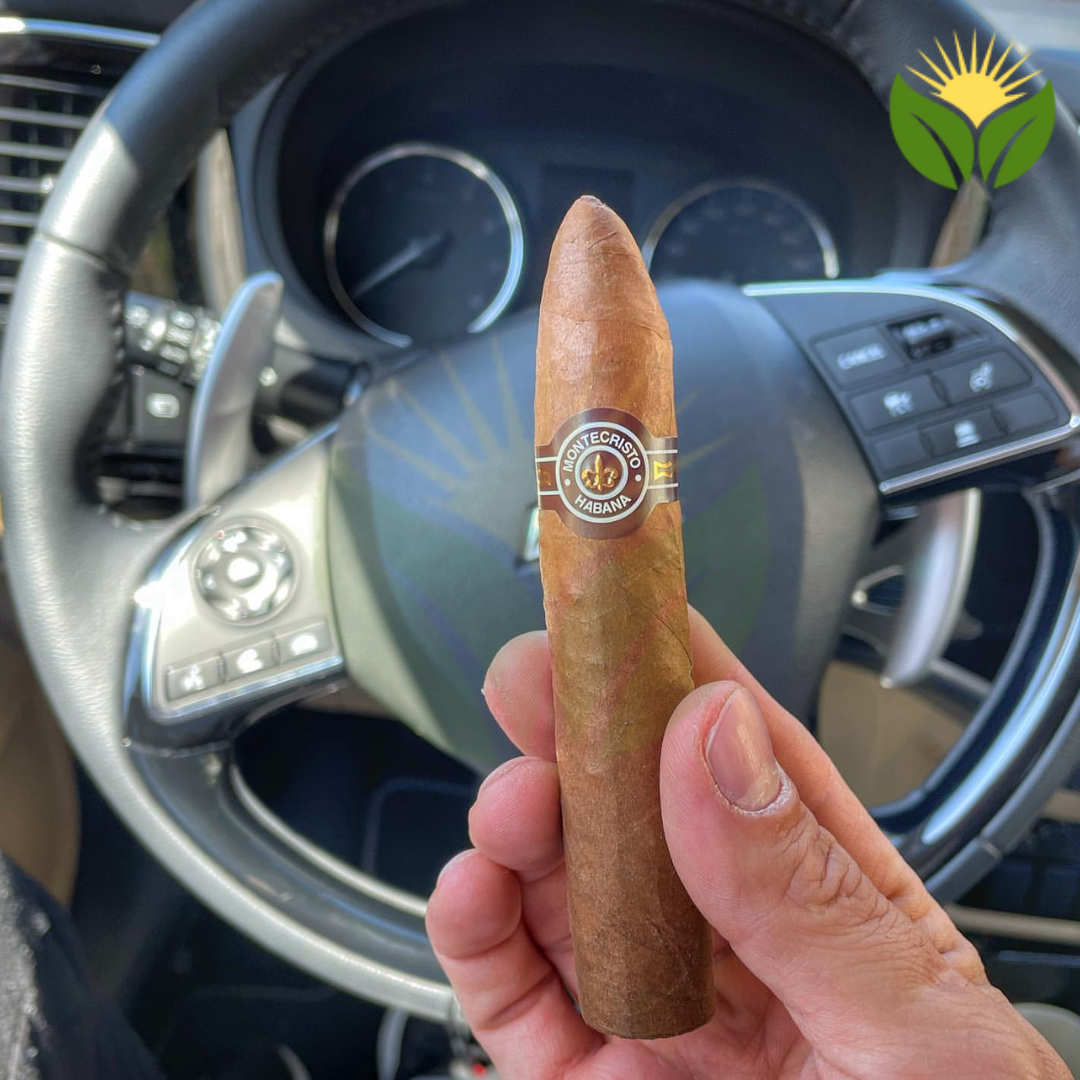
Look, I used to be that guy who thought anything under a Robusto wasn’t worth my time. “If I’m lighting up,” I’d tell anyone who’d listen, “I want at least 45 minutes of smoke.” Then a buddy handed me a Montecristo Petit No 2 during a lunch break in 2007 – maybe 2008, somewhere around there – and I had to eat my words. This little torpedo packed more complexity into its compact frame than cigars twice its size. Here’s the thing: the Petit No 2 isn’t just a “quick smoke” or a compromise for when you’re short on time. It’s a deliberately crafted expression of what makes Montecristo legendary, concentrated into a format that demands your full attention for every minute you’re with it.
What you’re about to read isn’t marketing fluff. I’m going to walk you through why this cigar has earned a permanent spot in my humidor, how it smokes from first light to final puff, and who should absolutely have a box of these on hand. Between you and me, if you’ve been sleeping on petit formats because you think bigger is always better, this might be the cigar that changes your perspective.
Why the Montecristo Petit No 2 Stands Apart
Montecristo launched in 1935, and if you know anything about Habanos, you know they don’t mess around with their flagship brands. The Petit No 2 came much later – it’s part of that wave of smaller vitolas that Habanos introduced when they finally admitted that not everyone has two hours for a smoke. But here’s what gets me: they didn’t just shrink down an existing blend and call it a day.
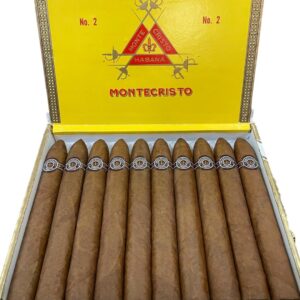
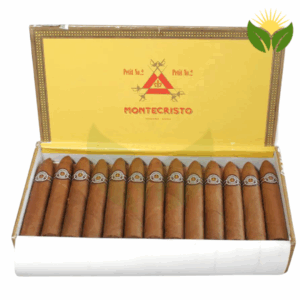
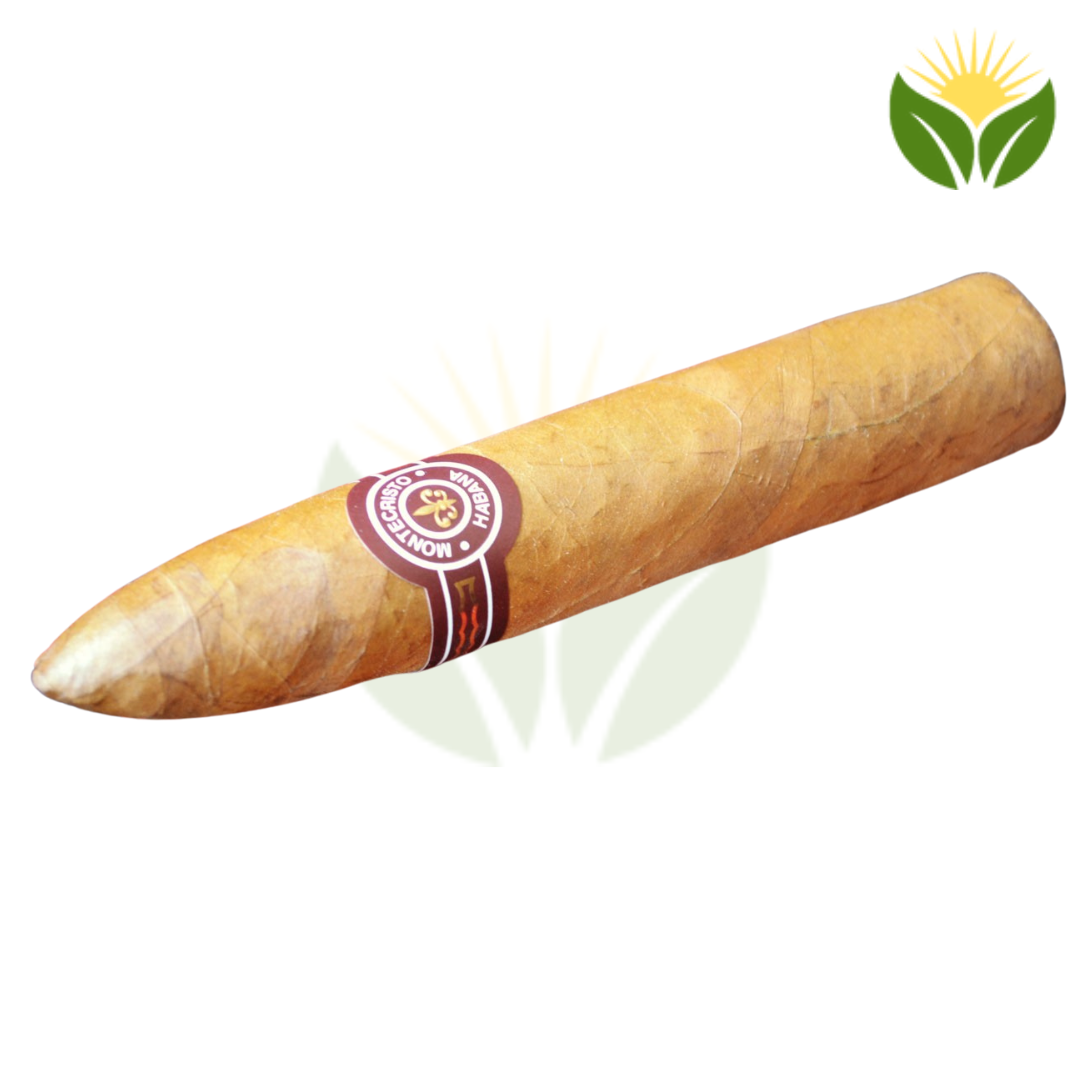
This cigar uses the same exceptional tobacco from the Vuelta Abajo region that goes into the legendary No 2, but the dimensions change everything about how those flavors develop. At 4.9 inches with a 52 ring gauge and that gorgeous torpedo shape, you’re getting a concentrated flavor bomb that starts strong and builds steadily. The tapered head gives you control over the draw that you just don’t get with a Parejo, and that matters more than most smokers realize. I’ll be honest: this is the cigar I reach for when I want the full Montecristo experience but only have 30-40 minutes. It’s perfect for the aficionado who appreciates Cuban pedigree but lives in the real world where not every smoke can be a two-hour meditation.
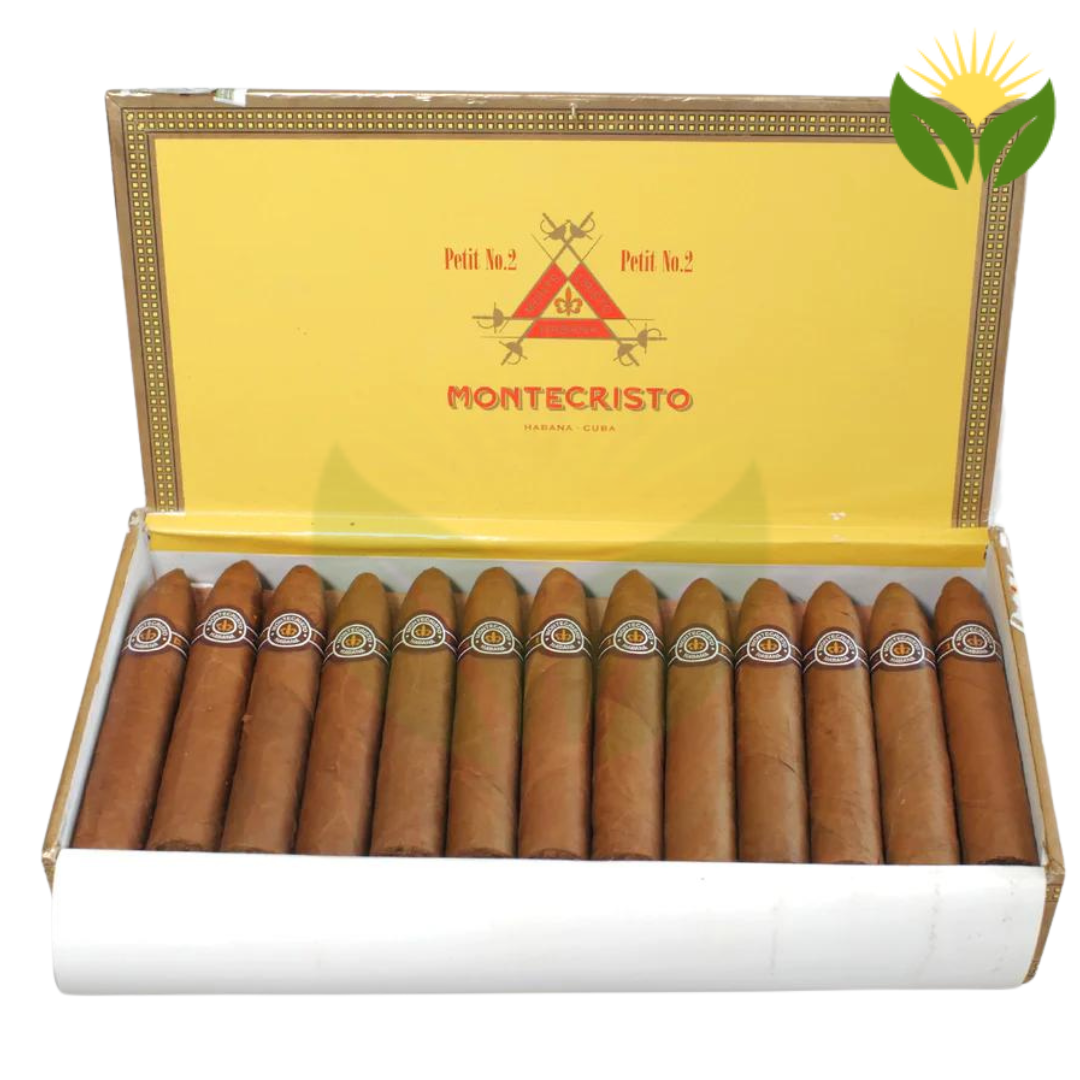
The wrapper on these – oh man – it’s that classic Colorado Claro to Colorado shade, oily but not slick, with minimal veining. You can tell just by looking at it that the filler inside is getting aged properly before it ever leaves Cuba.
| Specification | Details |
|---|---|
| Vitola | Petit Pyramid (Figurado) |
| Length | 4.9 inches / 125 mm |
| Ring Gauge | 52 |
| Wrapper | Cuban – Vuelta Abajo |
| Binder | Cuban – Vuelta Abajo |
| Filler | Cuban Blend – Vuelta Abajo Ligero, Seco, Volado |
| Strength | Medium to Medium-Full |
| Smoking Time | 35-45 minutes |
The Smoking Experience – What Actually Happens When You Light One Up
Okay, so you’ve got your Petit No 2 in hand. Before you even cut it, take a minute with the cold draw. That pointed cap means you need a sharp cutter or a punch – I prefer a straight cut just below where the cap starts to curve. The pre-light draw gives you this amazing preview: cedar, definitely, with this creamy sweetness underneath and just a hint of that barnyard earthiness that tells you this is authentic Cuban leaf.
First third comes out swinging. Not gonna lie, these can be a bit feisty right out of the gate, especially if they’re young. You get this immediate blast of white pepper on the retrohale that made me cough the first time I tried one. But underneath that initial kick, there’s complexity building. The creamy texture I love about Montecristos shows up early, coating your palate with this buttery richness. Cedar dominates – and I don’t mean that generic “woody” note that reviewers throw around when they can’t think of anything else. I mean that exact smell of Spanish cedar from a well-maintained humidor. Coffee starts creeping in around the halfway point of this first section, more like espresso than drip coffee, dark and slightly bitter in the best way.
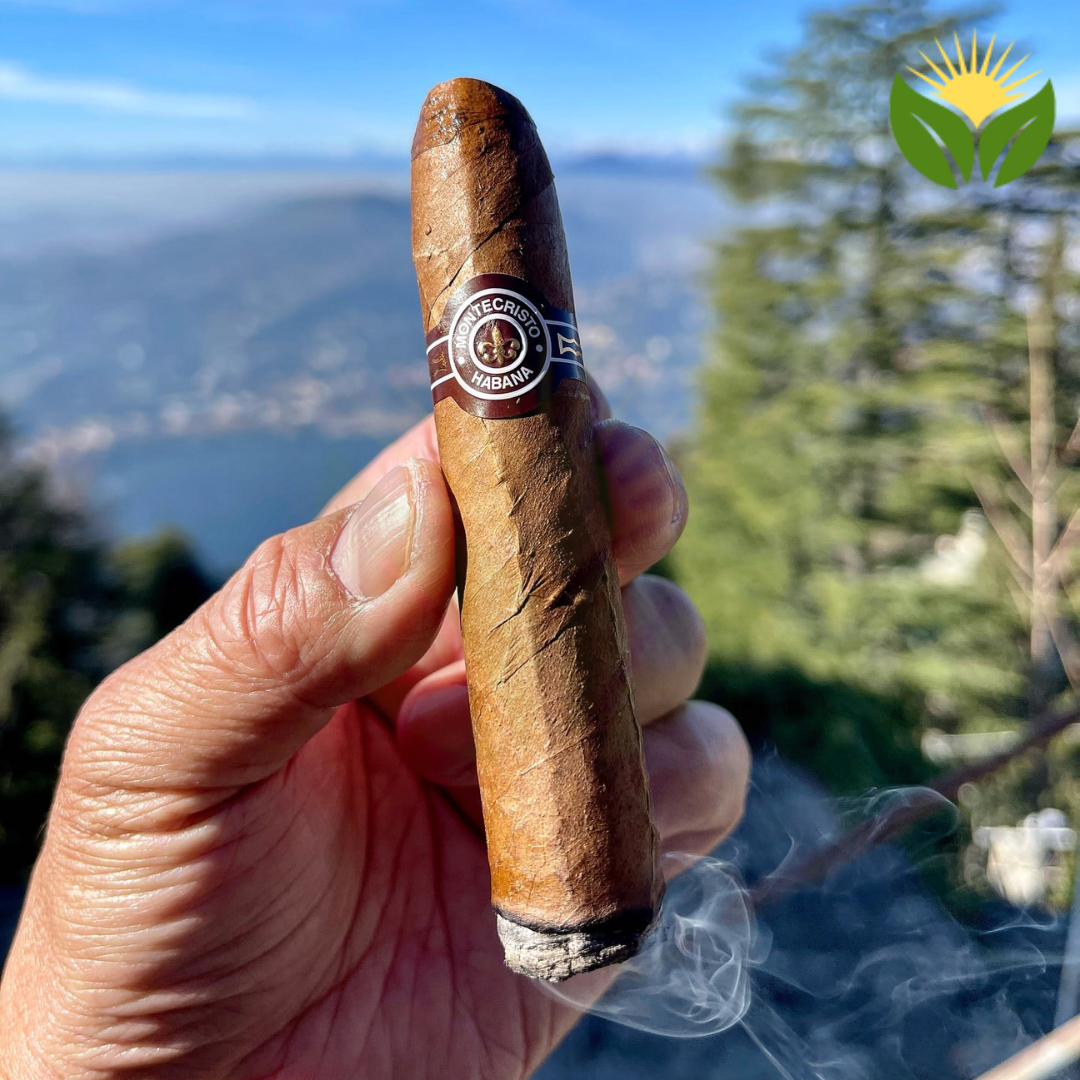
The burn line on these is usually razor-sharp if you’ve stored them properly. Ash holds for about an inch before you need to tap it, and it’s that pale gray color that makes you feel good about what you’re smoking. Construction-wise, I’ve rarely had issues with these, though I did get one plugged cigar in a box of 25 once – these things happen with Cuban cigars, you know?
Second third is where this little rocket really proves its worth. The pepper mellows out – thank goodness – and what emerges is this beautiful interplay between cream and spice. Hints of leather start showing up, that rich, well-worn leather smell. The coffee note transitions into more of a mocha thing, sweeter but still robust. Here’s where the Vuelta Abajo tobacco really struts its stuff. You start picking up on this subtle nuttiness, almost like roasted almonds, weaving through everything else. And the aroma? Thing is, the aroma is intoxicating. My wife, who usually makes me smoke outside, has actually commented on how good these smell.
The torpedo shape means the flavors are constantly intensifying as you move toward the thicker part of the cigar. It’s like the opposite of most smoking experiences where things peter out – this one builds momentum.
Final third – and I know this sounds dramatic, but this is where good cigars separate themselves from great ones. The Petit No 2 doesn’t get harsh or bitter like some smaller vitolas do when you’re down to the nub. Instead, everything intensifies and concentrates. That pepper from the beginning comes back, but now it’s integrated with all the other flavors rather than dominating them. The strength kicks up a notch here – I’d say you’re solidly in medium-full territory by this point. Cedar and earth become more prominent, the coffee gets darker and richer, and there’s this baking spice element that I can only describe as similar to cinnamon but not quite. Actually, scratch that – it’s more like the spice you smell in a tobacco shop, that combination of different aged tobaccos all mingling together.
I can usually smoke these down to about an inch and a half before the heat becomes too much. The retrohale in the final third is powerful – not for beginners, that’s for sure – but incredibly satisfying if you can handle it.
How Does It Stack Up Against Similar Smokes?
| Cigar | Strength | Smoking Time | Best For |
|---|---|---|---|
| Montecristo Petit No 2 | Medium to Medium-Full | 35-45 minutes | Experienced smokers wanting classic Montecristo in a compact format |
| Partagás Serie D No 5 | Medium-Full to Full | 30-40 minutes | Those who want more punch and earthiness in a short smoke |
| Romeo y Julieta Short Churchill | Medium | 35-40 minutes | Smokers preferring milder, sweeter profiles with less pepper |
| Bolívar Royal Corona | Full | 40-50 minutes | Aficionados seeking maximum strength in a petit format |
Real talk: the Partagás Serie D No 5 is probably the closest competitor, but it’s earthier and lacks that creamy elegance that defines Montecristo. The Romeo Short Churchill is smoother and easier for newer Cuban cigar smokers, but it doesn’t have the complexity or the kick that makes the Petit No 2 so engaging. And the Bolívar? That’s a whole different beast – stronger, more aggressive, less refined. If the Petit No 2 is a perfectly tailored suit, the Bolívar is a leather motorcycle jacket. Both have their place, but they’re not trying to do the same thing.
What to Drink With This Bad Boy
Hear me out: this cigar can handle bold pairings, but it also shines with more subtle companions. My go-to pairing is a good Spanish brandy – something like Carlos I Gran Reserva or Cardenal Mendoza. The sweetness and fruit notes in the brandy complement that creamy texture beautifully, and both the cigar and the drink have enough complexity that neither overwhelms the other.
Coffee works surprisingly well, especially if you’re smoking this as a mid-morning treat. A proper Cuban coffee, strong and sweet, creates this echo chamber of coffee flavors between the cigar and the cup that I absolutely love. For whisky drinkers, I’d lean toward a sherried Scotch – something like Glenfiddich 15 or Macallan 12. The dried fruit notes pick up on the subtle sweetness in the tobacco.
Time of day matters with these. I find them too robust for first thing in the morning unless you’ve had a substantial breakfast. They’re perfect for late morning or early afternoon – that post-lunch window when you want something satisfying but not overwhelming. Evening works too, though I tend to reach for bigger ring gauges once the sun goes down. Occasion-wise? These are fantastic for golf, business lunches where you can step away for 30 minutes, or any situation where you want a premium smoke but don’t have unlimited time. I’ve also enjoyed these at weddings during cocktail hour – celebratory enough to feel special, short enough that you’re not missing half the reception.
Everything You’re Probably Wondering About
How long should I age Montecristo Petit No 2 cigars before smoking?
Look, these smoke well fresh, but they really blossom with age. I’d give them at least six months to a year in your humidor at 65-68% humidity to let those flavors marry and that pepper mellow out. I’ve smoked five-year-old Petit No 2s that were absolutely transcendent – the cedar becomes more pronounced, the cream gets richer, and everything just integrates better. That said, if you can’t wait, they’re still excellent young, just a bit more aggressive. The aging question really depends on your preference for strength versus complexity.
Is the Montecristo Petit No 2 suitable for beginners?
I’ll be honest with you: this isn’t where I’d start someone who’s new to cigars. The strength kicks up to medium-full by the final third, and that pepper in the first inch can be intense if you’re not used to it. That said, if someone has experience with mild to medium cigars and wants to step up their game, this is actually a great introduction to the Montecristo line. Just make sure you’ve eaten something first and have a sugary drink handy in case the nicotine hits too hard. I’ve seen guys turn green trying to smoke these on an empty stomach.
What’s the difference between the Petit No 2 and the regular Montecristo No 2?
The regular No 2 is a legend – 6.1 inches with the same 52 ring gauge, and it’ll take you about 90 minutes to smoke. Same basic tobacco blend, but the extra length means the flavors develop more gradually and you get more evolution throughout the smoke. The Petit No 2 is more concentrated and intense – everything happens faster and with more immediacy. Think of it this way: the No 2 is a three-hour dinner with multiple courses, while the Petit No 2 is an incredible tapas plate where every bite packs a punch. I keep both in my humidor because they serve different purposes. No joke, on days when I have the time, I still reach for the full-size No 2, but the Petit gets smoked twice as often simply because it fits my schedule better.
Do Montecristo Petit No 2 cigars require special storage?
Nothing unusual – standard Cuban cigar storage applies here. I keep mine at 65% humidity and around 65-68°F. Some guys swear by 62% for aged Cubans, and that works too, but I find these maintain their oiliness and burn characteristics better with a bit more moisture. The torpedo shape means you want to be extra careful about fluctuating humidity – that pointed cap can unravel if conditions aren’t stable. Store them lying down, rotate them every few months, and for the love of all that’s holy, don’t mix them with Dominican or Nicaraguan cigars in the same box. The flavors will cross-contaminate, and Cuban tobacco has such a distinct aroma that it needs its own space.
Can you retrohale the Montecristo Petit No 2 throughout the entire cigar?
You can, but whether you should is another question. The first third will challenge you – that pepper is no joke on the retrohale. I typically do it sparingly early on, maybe every fifth or sixth puff, just to check in on how the flavors are developing. Second third is ideal for retrohaling – the pepper has calmed down and you really get to appreciate all those subtle notes of cream, coffee, and cedar coming through your nasal passage. Final third, it heats up again with intensity, so I’m back to doing it occasionally rather than consistently. If you’re new to retrohaling, practice with the middle section of this cigar. And here’s a tip: don’t push a full mouthful of smoke through your nose. Take a small draw, let it settle in your mouth, then gently exhale maybe a quarter of it through your nose. You’ll get all the flavor without the burning sensation.
Are newer vintage Petit No 2s different from older production years?
Okay, so this is where cigar nerds like me get into heated debates. Thing is, there’s definitely some variation between vintages – tobacco is an agricultural product, after all, and harvests vary. I’ve noticed that boxes from around 2015-2016 tend to be a bit stronger and more pepper-forward than more recent production, which seems slightly creamier out of the gate. But honestly? The difference isn’t night and day, and proper aging does more to affect the smoking experience than the production year in most cases. That said, if you find a vintage you particularly love, it’s worth buying a few boxes to age because you know what you’re getting. I’m probably biased here, but I think the consistency from Habanos has improved in recent years, so newer boxes are less of a gamble than they used to be back in the early 2000s.
What makes the wrapper on Montecristo Petit No 2 special?
The wrapper leaf comes from the Vuelta Abajo region, specifically selected for its flavor contribution and appearance. What sets it apart is that oily sheen without being greasy, and the elasticity – you can gently press the cigar and feel it spring back. That’s properly humidified, quality wrapper tobacco. The color is remarkably consistent across most boxes I’ve seen, that beautiful light to medium brown that catches light beautifully. But here’s what really matters: this wrapper contributes significantly to the flavor profile, not just the appearance. You can taste it in that cedar note and the sweetness on the finish. Cheap cigars use wrapper just to hold everything together – premium Habanos like this use wrapper as a crucial part of the blend. Hmm, how do I explain this… it’s like the difference between a garnish and an actual ingredient in a dish.
My Final Take – Who Should Smoke These?
The Montecristo Petit No 2 isn’t trying to be everything to everyone, and I respect that. What it does, it does exceptionally well: it delivers the classic Montecristo experience in a format that respects your time without compromising on quality. If you’re the type of smoker who appreciates Cuban heritage, enjoys medium to medium-full strength, and wants complexity without committing to a 90-minute smoke, this needs to be in your regular rotation.
I genuinely don’t understand why more people don’t talk about this vitola. Everyone obsesses over the No 2 and the Edmundo, but this little torpedo deserves way more attention than it gets. It’s not a “short smoke” in the dismissive sense – it’s a complete, satisfying experience that happens to fit into a lunch break.
Should you buy a box? If you’re experienced with Cuban cigars and you know you like the Montecristo profile, absolutely yes. If you’re newer to the game, maybe grab a five-pack first to see how they treat you. And please, for your own sake, let them rest in your humidor for a few months before diving in. Your patience will be rewarded.
Between you and me, these have earned their permanent spot in my top rotation, right next to the Partagás Serie D No 4 and the Cohiba Robusto. That’s the kind of company this cigar deserves to keep. Now stop reading about it and go experience it for yourself – that’s the only way you’ll really understand what makes this Cuban petit pyramid so special.