
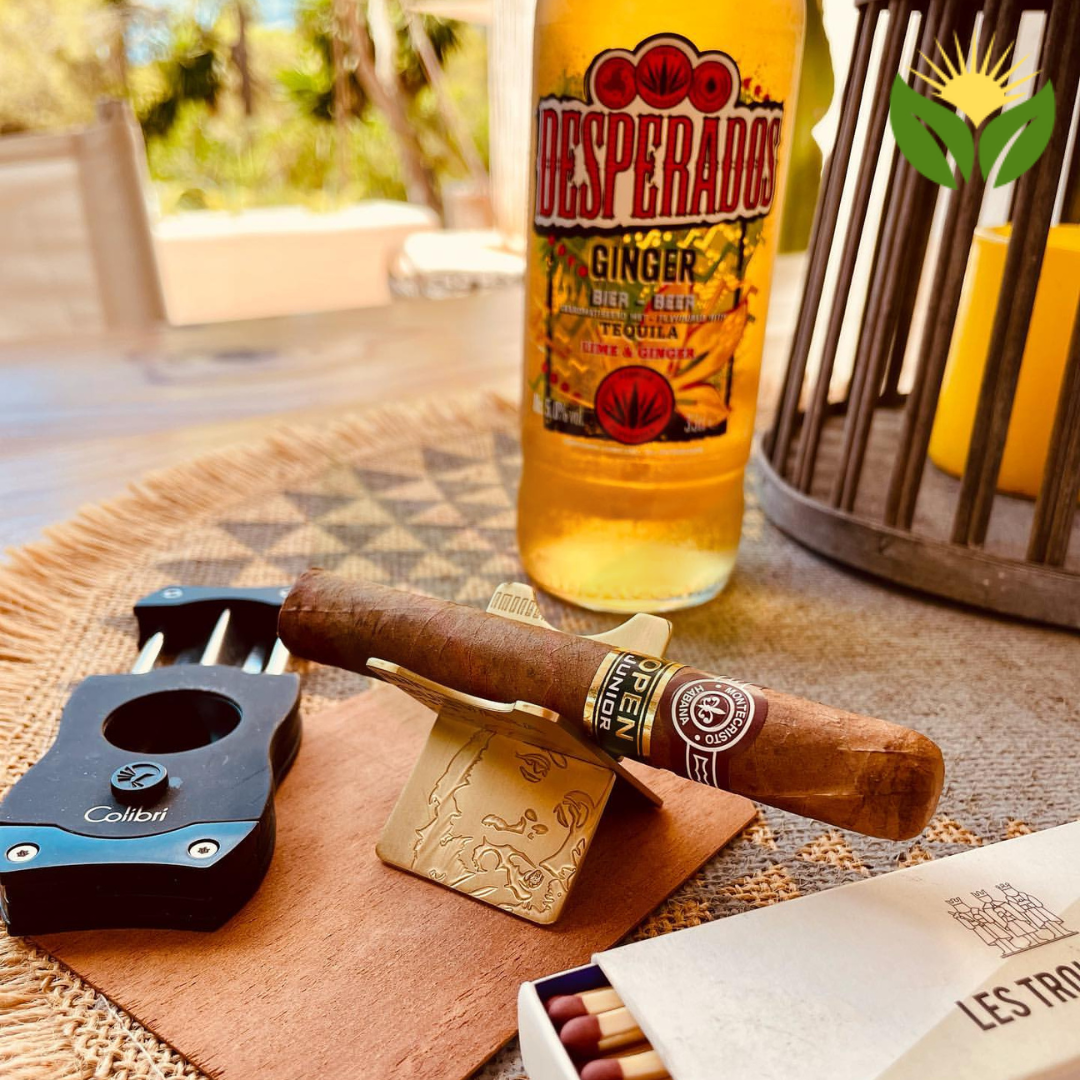

Description
Why the Montecristo Open Junior Deserves More Attention Than It Gets
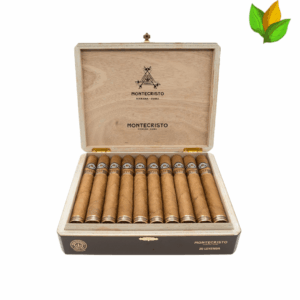
Look, I’m just going to say it: the Montecristo Open Junior is one of the most underappreciated cigars in the entire Montecristo lineup. I’ll be honest with you – when I first heard about the “Open” series back in the early 2000s, I was skeptical. A Montecristo designed for outdoor smoking? Sounded like marketing nonsense to me. But here’s the thing – after lighting up my first Open Junior during a golf outing in 2005 (or was it 2006? Doesn’t matter), I realized Habanos SA actually knew what they were doing with this vitola. This isn’t just another variation on the classic Montecristo formula. It’s a reimagining of what a shorter smoking experience can be when you actually put thought into the blend and construction. Over the next several minutes, I’m going to walk you through everything that makes this cigar special – from its surprisingly complex flavor profile to why it punches way above its weight in the mild-to-medium strength category.
What Makes the Montecristo Open Junior Stand Out
The Montecristo brand needs no introduction if you’ve been around cigars for more than five minutes. Since 1935, they’ve been producing some of Cuba’s most iconic smokes from their operations in the Vuelta Abajo region. But the Open series – introduced in 2009 – that’s a different beast entirely. The whole concept was built around creating cigars that could handle wind, movement, and the kind of conditions where you’d normally struggle with a traditional parejos.
The Open Junior specifically targets a smoker who wants that authentic Montecristo character but doesn’t have 90 minutes to dedicate to a No. 2 or an hour for a No. 4. Thing is, most short-format cigars sacrifice complexity for convenience. Not this one. The Open Junior manages to pack a legitimate flavor journey into roughly 30-35 minutes of smoking time. And I know some aficionados will disagree with me here, but I think the slightly larger ring gauge actually works in this cigar’s favor – it gives the blend room to breathe and develop in ways that a petite corona just can’t match.
Who’s this cigar for? Honestly, it’s for anyone who appreciates Cuban tobacco but lives in the real world. Morning smoke before work. Between meetings. On the golf course (where I’ve probably smoked a hundred of these things). During a quick break from whatever life throws at you. The Open Junior doesn’t demand ceremony – it just delivers.
| Specification | Details |
|---|---|
| Vitola | Open Junior (Petit Robusto) |
| Length | 4.3 inches / 110 mm |
| Ring Gauge | 38 |
| Wrapper | Cuban (Vuelta Abajo) |
| Binder | Cuban |
| Filler | Cuban blend (Vuelta Abajo region) |
| Strength | Mild to Medium |
| Smoking Time | 30-40 minutes |
The Smoking Experience: Better Than You’d Expect
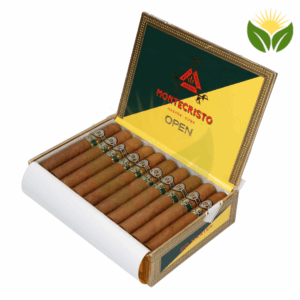
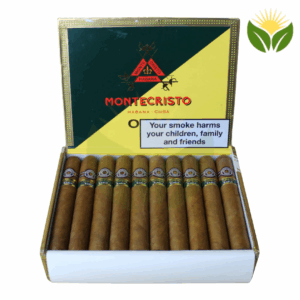
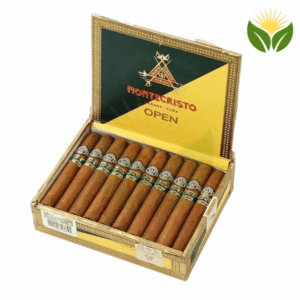
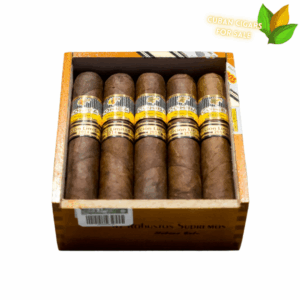
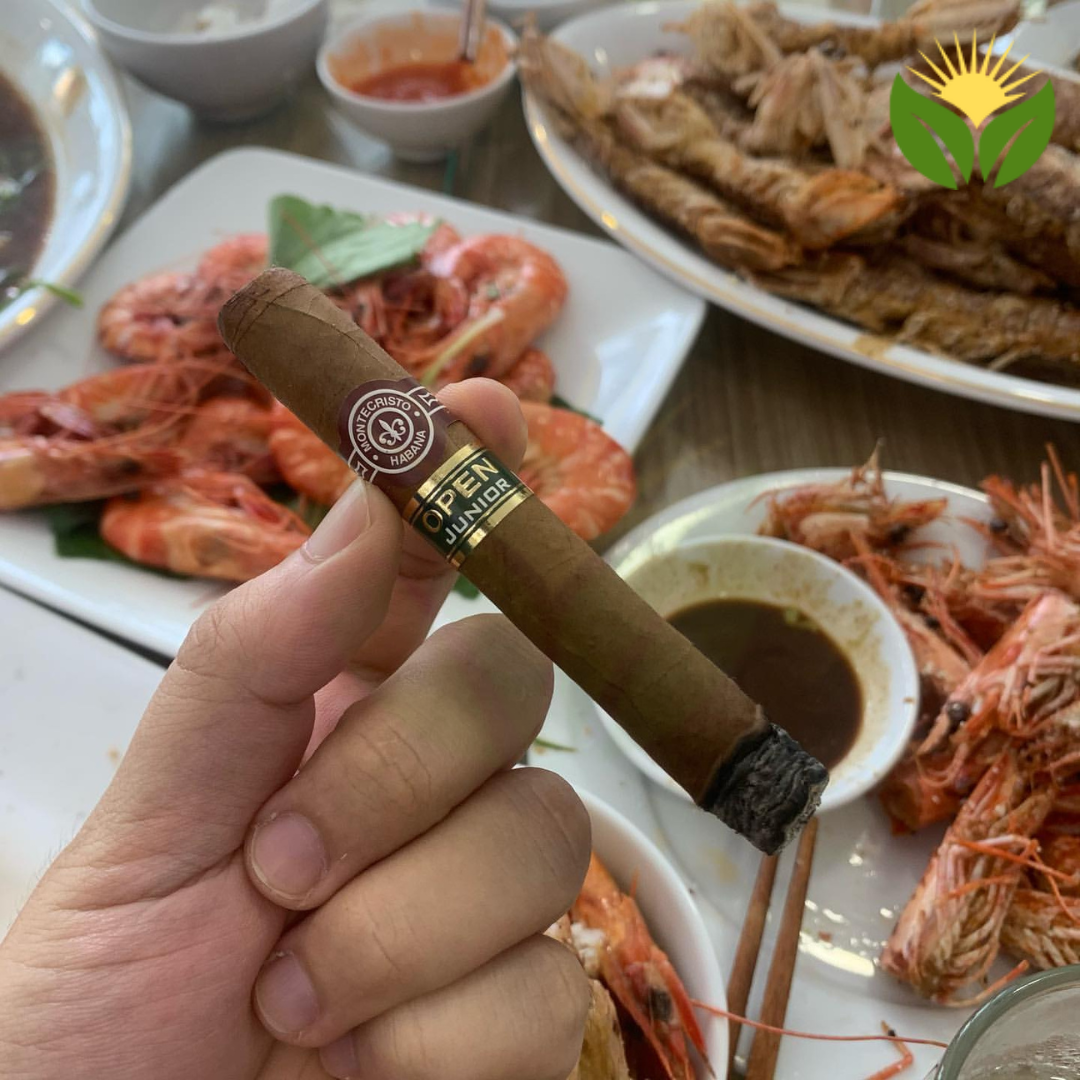
Okay, so let me walk you through what actually happens when you light one of these up. The wrapper has this beautiful light brown color – not quite colorado, more like a café au lait – with a subtle oily sheen that tells you the tobacco’s been treated right. The construction is typically flawless, which is what you’d expect from Montecristo. I’ve smoked probably 50 of these over the years, and I can count on one hand the number that had draw issues. That’s saying something.
Cold draw gives you this preview of cedar and hay with just a whisper of sweetness underneath. Not overpowering. Understated, actually – which is very Montecristo. The aroma before lighting reminds me of walking into a proper tobacco shop, not a cigar lounge but one of those old-school places where they still sell pipe tobacco and the whole room smells like wood and dried grass.
First third hits you with cream and cedar right out of the gate. There’s this underlying nuttiness – think almonds more than walnuts – and a subtle white pepper on the retrohale that keeps things interesting without beating you over the head. The burn line stays razor-sharp if you’re not fighting wind, and even outdoors it corrects itself without much fussing. The ash holds for about an inch before dropping, and it’s that light gray color that tells you the tobacco was aged properly. Real talk: this is where a lot of people underestimate the Open Junior. They think “short smoke, simple flavors” but that’s just not accurate.
Second third is where things get interesting – and I mean that. The cedar deepens and you start picking up these coffee notes, not espresso but more like a medium roast with cream. There’s a touch of cocoa that weaves in and out. The spicy element from the first third mellows but doesn’t disappear entirely, and there’s this leather quality that starts developing on the finish. The strength builds slightly but never crosses into full-bodied territory. I’d place it squarely in the medium range by this point, maybe medium-minus if that makes sense. The smoke production is generous throughout – thick, creamy clouds that hang in the air.
Final third – this is where you see the quality of the filler blend. Lesser cigars get harsh or one-dimensional in the last inch. The Open Junior actually develops this rich, slightly sweet tobacco flavor that reminds me of vintage Habanos. There’s a hint of honey and toasted bread, and that leather note from the second third becomes more prominent. The pepper comes back on the retrohale but it’s balanced, not aggressive. I typically smoke these down to the nub because the flavors stay clean right to the end. No bitterness, no tar buildup. Just good tobacco doing what good tobacco does.
Construction-wise – and this matters – the Open Junior benefits from that slightly wider ring gauge. The burn stays even, the draw remains consistent from start to finish, and you’re never fighting with it. The ash is solid without being stubborn. Everything about the physical experience just works.
How Does It Compare to Similar Cigars?
| Cigar | Strength | Smoking Time | Best For |
|---|---|---|---|
| Montecristo Open Junior | Mild to Medium | 30-40 minutes | Quick refined smoke, outdoor activities, morning sessions |
| Montecristo No. 4 | Medium | 45-60 minutes | Classic experience, when you have more time, indoor lounges |
| Romeo y Julieta Short Churchill | Mild to Medium | 35-45 minutes | Similar timeframe but lighter body, less complexity |
| Partagás Serie D No. 5 | Medium to Full | 35-45 minutes | When you want more strength in a short format |
Here’s what gets me about the comparison to the No. 4: people assume the No. 4 is automatically better because it’s more “traditional” Montecristo. And look, I love a No. 4 – been smoking them since the 90s. But the Open Junior isn’t trying to be a No. 4. It’s doing its own thing, and it does that thing extremely well. The flavor profile is similar enough that you recognize it as Montecristo, but different enough that it’s not just a shortened version of another vitola.
Compared to the Romeo Short Churchill – which I’ve also smoked plenty of – the Open Junior has more depth. The Romeo is pleasant but one-dimensional. Great for beginners or when you want something uncomplicated, but the Montecristo keeps you engaged throughout the smoke. Not gonna lie, if I’m reaching for a 30-40 minute Cuban, the Open Junior wins almost every time.
What to Drink With It (And When to Smoke It)
Coffee. That’s the easy answer. A proper espresso or a Cuban coffee if you can get it. The Open Junior in the morning with a strong coffee is one of life’s genuine pleasures, and I know this sounds dramatic, but it’s true. The coffee amplifies those cedar and cream notes in the first third while complementing the cocoa that shows up later.
If you’re drinking something stronger, I’d go with a light rum – think Havana Club 3-year or Bacardi Heritage – mixed with a little soda water and lime. The sweetness plays nicely with the cigar without overwhelming it. Beer works too – a good pilsner or a lighter lager, nothing too hoppy. I’ve paired it with Heineken during golf outings more times than I can count.
For spirits, a blanco tequila or a younger Irish whiskey. Wait, scratch that on the Irish – actually, a bourbon with moderate proof works better. Something like Buffalo Trace or Maker’s Mark. The vanilla and caramel notes in the bourbon echo the sweeter elements in the smoke.
As for timing – mornings are perfect. Mid-afternoon works great. Early evening before dinner. Basically any time you want a quality smoke but don’t want to commit to a full hour-plus session. I’ve found it’s almost the ideal cigar for situations where you’re not sure exactly how much time you’ll have. Starting a 60-minute cigar when you might get interrupted in 30 minutes? Frustrating. The Open Junior removes that stress.
Common Questions About the Montecristo Open Junior
What’s the difference between the Open series and regular Montecristo vitolas?
The Open series was specifically designed for outdoor smoking and situations where you’re active or dealing with wind. The blend is adjusted slightly to maintain flavor integrity even when you’re not smoking in ideal conditions. The vitolas also tend toward shorter smoking times with slightly larger ring gauges than traditional Montecristo formats. But here’s the thing – they’re not lesser cigars just because they’re built for convenience. The tobacco quality and construction standards are identical to the rest of the Montecristo line.
Is the Montecristo Open Junior mild enough for beginners?
Absolutely. I’d actually recommend it as one of the better entry points into Cuban cigars. The strength builds from mild to medium, which gives newer smokers a chance to acclimate. The flavors are refined without being aggressive – cedar, cream, coffee, leather – all things that appeal to most palates. And the shorter smoking time means beginners aren’t committing to a marathon session where they might get overwhelmed. That said, experienced smokers won’t find it boring. There’s enough complexity to keep it interesting.
How should I store Montecristo Open Juniors for optimal aging?
Standard humidor conditions apply – 65-70% humidity, 65-70°F temperature. The Open Junior benefits from aging just like any quality Habanos, though I’ve found the sweet spot is around 2-3 years. Fresh ones can be a bit tight on the draw and the flavors aren’t fully integrated. After a couple years, everything meshes beautifully. I’ve had some with 5+ years on them and they’re excellent – more refined, smoother, with the cedar notes becoming almost perfume-like. But honestly? Even with 6 months of proper storage, they’re smoking great.
What’s the actual smoking time for the Open Junior?
I usually clock 30-35 minutes if I’m smoking at a normal pace. If you’re puffing frequently – like during physical activity or in cold weather – you might finish in 25 minutes. Taking it slow and savoring it, you could stretch it to 40 minutes. But realistically, expect half an hour. That’s one of its selling points. It’s a legitimate smoking experience that respects your schedule.
Are there different production years or vintage variations worth seeking out?
The Open Junior isn’t a limited edition release, so you’re not hunting for specific years the same way you would with something like a Montecristo 80 Aniversario. That said, boxes from 2010-2015 seem to have particularly good tobacco in them – probably because the line was still relatively new and Habanos SA was being extra careful with quality control. I’ve also noticed that boxes with the current standard band tend to be more consistent than earlier releases. But real talk? The year-to-year variation isn’t dramatic. Recent production is excellent.
How does humidity affect the Open Junior’s performance outdoors?
This is where the Open series design really shines. Because it’s built for outdoor conditions, it handles humidity variations better than most vitolas. In dry climates, it doesn’t burn too hot. In humid conditions, it doesn’t get soggy or soft. I’ve smoked these on humid summer evenings in Florida and in dry mountain air in Colorado, and they perform consistently. That slightly wider ring gauge helps with airflow and burn management regardless of environmental conditions. Just don’t store them at wildly different humidity levels than you plan to smoke them in – give them a day or two to adjust.
Can you smoke the Montecristo Open Junior right out of the box?
You can, but should you? Depends on where you’re buying from and how long they’ve been sitting. If they’re coming from a reputable source with proper storage, a fresh box can smoke well immediately – I’ve done it plenty of times. But here’s what I recommend: let them rest in your humidor for at least a month if you can manage the patience. The construction settles, the flavors integrate better, and you’ll get a more refined experience. I know the temptation to crack open a fresh box and light one up immediately. Been there. But that month of rest genuinely improves the smoke.
Final Thoughts: An Underrated Gem
Between you and me, the Montecristo Open Junior doesn’t get the respect it deserves. I think part of the problem is that cigar enthusiasts – myself included sometimes – get caught up in the romance of long smoking sessions and traditional vitolas. We fetishize the idea of dedicating two hours to a Churchill or an hour to a Robusto. And look, I get it. Those experiences are special.
But the Open Junior proves that a 30-minute cigar can deliver genuine complexity, impeccable construction, and authentic Cuban character. It’s not a compromise. It’s not a “quick smoke” in the dismissive sense. It’s a thoughtfully crafted vitola that does exactly what it sets out to do, and it does it remarkably well. The Vuelta Abajo wrapper and filler bring all the classic Montecristo qualities – that cedar backbone, the creamy texture, the subtle spice, the refined tobacco flavor – in a format that fits modern life.
Whether you’re new to Cuban cigars or you’ve been smoking them for decades, the Open Junior deserves a spot in your rotation. Morning smoke, afternoon break, golf course companion, or just when you want quality without the time commitment – this cigar handles it all. Stock your humidor with a box, let them rest for a few weeks if you can, and discover what a well-executed short-format Habanos can be. You won’t regret it.