
Description
The Petit Robusto That Changed Everything
I still remember the first time someone handed me a Montecristo No. 4 at a lounge in Tampa – must’ve been around ’97 or ’98. The guy said, “This is the cigar that made Montecristo famous.” I thought he was being dramatic. Turns out? He wasn’t wrong. This petit robusto has been the brand’s flagship vitola for decades, and honestly, there’s a damn good reason why it outsells almost every other Cuban cigar on the planet. We’re talking about a smoke that’s introduced more people to Cuban cigars than probably any other single vitola in existence.
What you’re about to read isn’t some generic marketing pitch. I’m going to break down exactly what makes the No. 4 special, what it tastes like when you actually smoke one (not just what the flavor wheel says), and who this cigar is really for. Because – and I’ll be blunt here – this isn’t for everyone, even though the internet seems to think it is.
What Makes This Little Cuban So Special?
Montecristo as a brand needs almost no introduction. Founded in 1935, the marca became legendary partly because of this exact vitola – the No. 4. It’s a petit robusto format, which means you get a concentrated blast of flavor in about 40 to 50 minutes. Not a quick smoke, but not a two-hour commitment either.
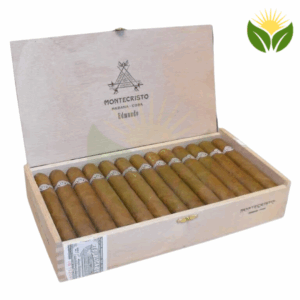
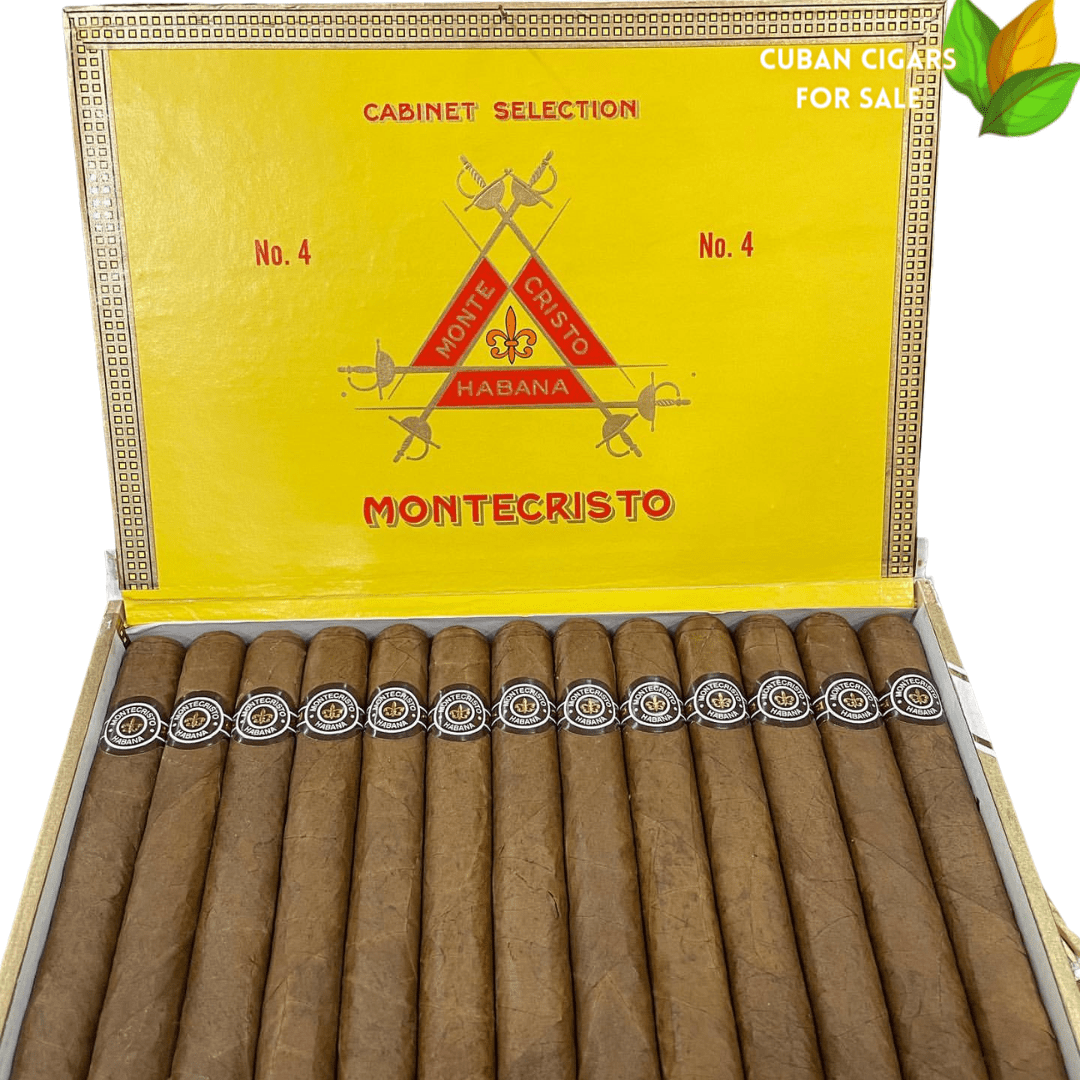
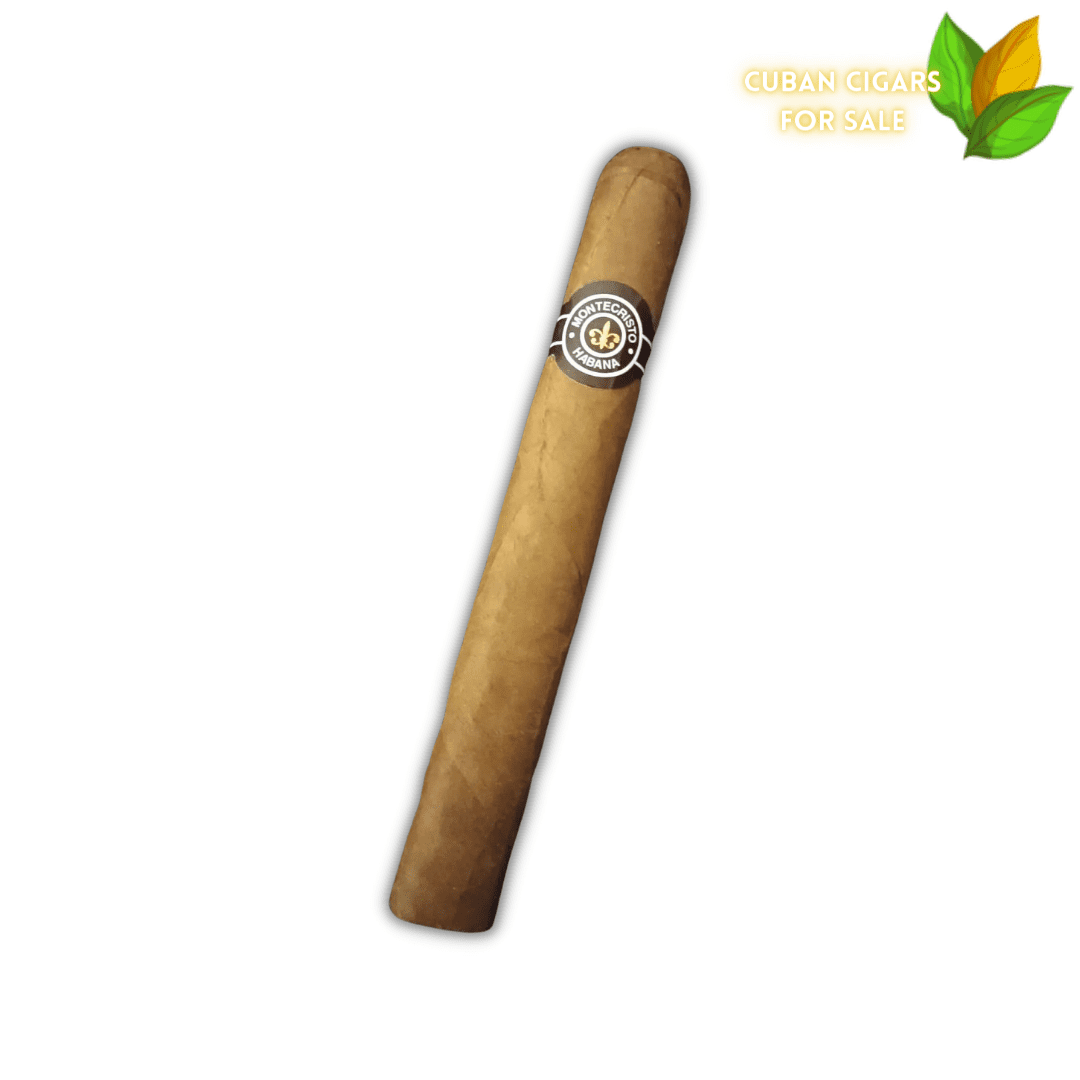
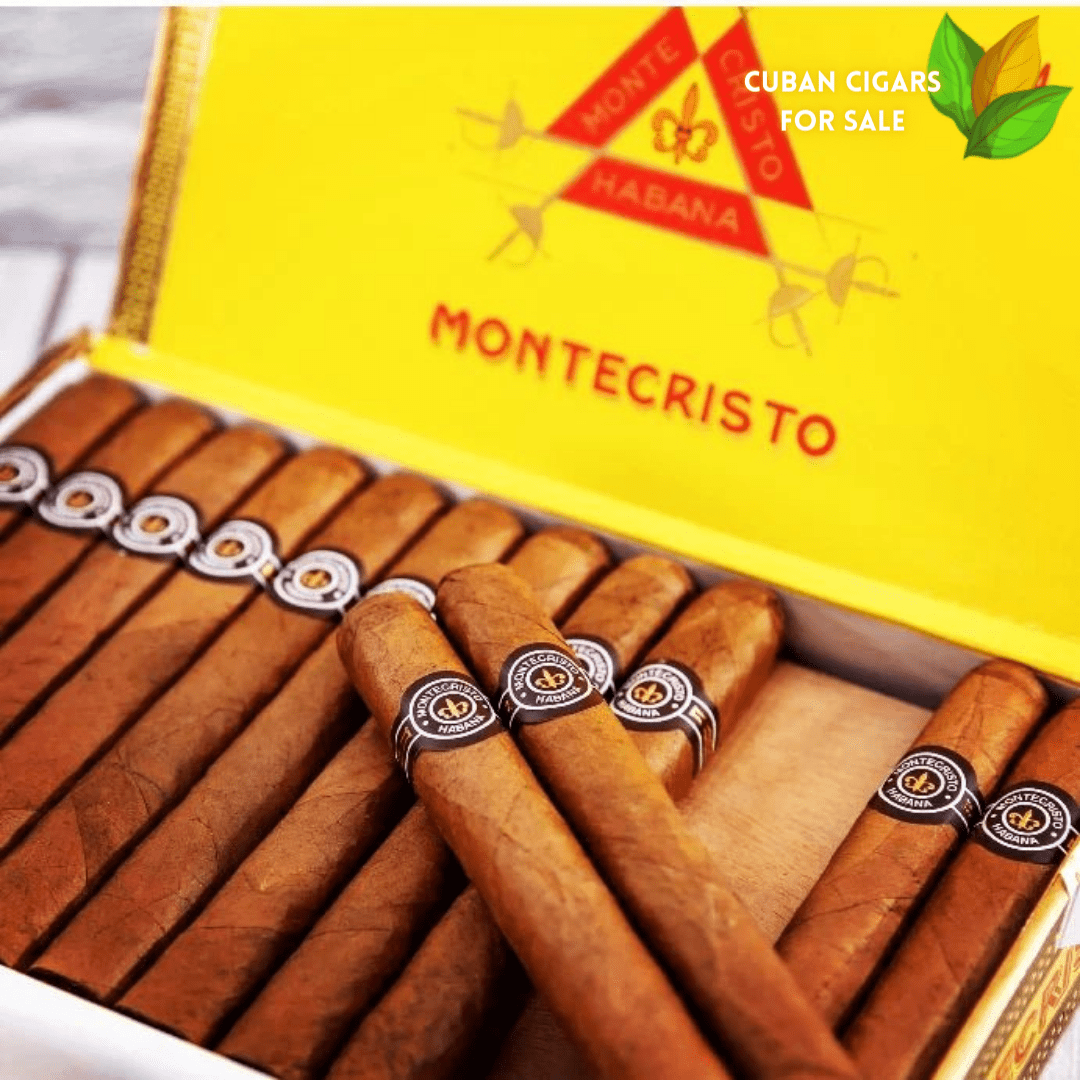
The wrapper comes from the Vuelta Abajo region – that legendary tobacco-growing area in Pinar del Río province. Every single one is handmade, and you can tell the moment you pick one up. The construction is typically flawless, with that classic Montecristo band that’s been largely unchanged for generations. The dress box presentation is elegant without being pretentious – five rows of five cigars, each one perfectly placed.
Who’s this for? Honestly, it’s become the benchmark smoke for intermediate to advanced aficionados. If you’re just getting into Cubans, this might hit you harder than you expect. It’s got medium to medium-full strength, which means it’s not going to knock you on your ass, but you’ll definitely know you’ve smoked a cigar. I’ve always thought of it as the perfect “serious smoke” when you’ve got less than an hour but want something genuinely satisfying.
| Specification | Details |
|---|---|
| Vitola | Petit Robusto (Edmundo) |
| Length | 5 inches / 127 mm |
| Ring Gauge | 42 |
| Wrapper | Cuban (Vuelta Abajo) |
| Binder | Cuban |
| Filler | Cuban blend |
| Strength | Medium to Medium-Full |
| Smoking Time | 40-55 minutes |
What It Actually Tastes Like (From Start to Finish)
The cold draw on a fresh No. 4 is typically firm but not tight – you get hints of cocoa and hay, maybe a touch of barnyard funk if the cigar’s been aging for a while. Once you toast that foot and get going, the first third comes at you with this classic Montecristo flavor profile: earthy, woody, with a distinctive coffee bean note that’s almost espresso-like. There’s usually a creamy undertone that balances out the earthiness.
What I love about this vitola is how the smaller ring gauge concentrates everything. You’re not getting diluted flavor here – it’s focused and deliberate. The draw is usually perfect, maybe a 7 out of 10 in terms of resistance, which is exactly where I want it. You shouldn’t have to work for it, but it shouldn’t be loose either.
Moving into the second third – and this is where the No. 4 really shows its complexity – you start picking up leather notes, maybe some white pepper if you retrohale. The coffee transitions more toward dark chocolate, and there’s this woody cedar thing happening that reminds me of opening a well-aged humidor. Not harsh, just present. The smoke itself is thick and creamy, coating your palate in a way that lighter-bodied cigars just don’t do.
Construction-wise, I’ve rarely had issues. The burn stays even without constant corrections – maybe a touch-up here or there if you’re smoking in wind, but generally speaking, these are incredibly well-constructed cigars. The ash builds up in that classic light-gray color, holding on for a solid inch or more before dropping. It’s firm, not flaky, which tells you the tobacco was properly fermented and aged.
Final third is where some people tap out if they’re not used to medium-full strength. The flavors get more intense – richer, earthier, with that coffee note coming back stronger. There’s sometimes a pleasant spiciness that wasn’t there earlier. I typically smoke it down until it gets too warm to hold comfortably, maybe with an inch left. The retrohale in this final stretch can be pretty powerful – lots of pepper and earth – so take it easy if your sinuses are sensitive.
How Does It Stack Up?
| Cigar | Strength | Smoking Time | Best For |
|---|---|---|---|
| Montecristo No. 4 | Medium-Full | 40-55 min | Classic Cuban experience in under an hour |
| Partagás Serie D No. 4 | Full | 45-60 min | Those who want more power and spice |
| Romeo y Julieta Short Churchill | Medium | 35-45 min | Milder smoke, easier on newcomers |
The comparison with the Partagás D4 comes up constantly – they’re the same vitola format but completely different personalities. The Partagás hits harder and has more upfront spice. The Montecristo is more refined, more balanced. Not better or worse, just different moods.
What to Drink With It
Coffee and the No. 4 is almost too obvious, but it works. Specifically, a strong espresso or Cuban coffee if you can get it. The complementary coffee notes in both just make sense together.
Rum is the traditional pairing – I’m talking aged rum, not that cheap mixing stuff. Something like Flor de Caña 12-year or even a nice Cuban Havana Club Añejo if you can source it. The caramel and vanilla notes in aged rum play beautifully with the chocolate and cream in the cigar.
Whisky works too – I’ve had great experiences with Highland scotches, something like Glenmorangie or Dalmore. The sherry cask influence in those whiskies complements the earthiness of the tobacco. Bourbon can overpower it unless you go with something on the gentler side.
Time of day? This is an afternoon or early evening smoke for me. Too strong for breakfast unless you’re a maniac, but perfect after lunch or before dinner. Pairs well with contemplation – I’m serious. This isn’t a party cigar; it’s a “sit on the porch and think” cigar.
How long should I age a Montecristo No. 4 before smoking it?
Honestly, they’re pretty good right out of the box if they’re fresh from a reliable source. That said, if you can stash them in your humidor for six months to a year, you’ll notice the flavors mellow and integrate better. I’ve had some with five years on them that were absolutely incredible – the harshness completely gone, just pure smooth complexity. But don’t feel like you have to wait. Life’s short.
Is the Montecristo No. 4 too strong for beginners?
It depends on the beginner. If you’ve been smoking milder stuff and want to step up, this could be your gateway to fuller-bodied cigars. But if you’re literally new to cigars altogether, maybe work your way up with something like a Romeo y Julieta first. The nicotine can sneak up on you, especially in that final third. Eat something beforehand and have a sugary drink nearby just in case.
What’s the difference between box-pressed and regular No. 4s?
Wait – actually, the No. 4 doesn’t typically come box-pressed. You might be thinking of another marca or vitola. The traditional No. 4 is round, not pressed. If you’ve seen pressed versions, they’re probably not authentic Montecristos. The packaging does put some gentle pressure on the cigars, but that’s different from deliberately box-pressed formats you’d see with brands like Padron or some non-Cubans.
How do I know if my Montecristo No. 4 is authentic?
Good question, because there are more fakes of this cigar than probably any other Cuban. Check the band closely – the printing should be crisp, not blurry. The box should have the proper holographic seals and correct stamps. But honestly? The best way is to buy from authorized dealers. The smell, the draw, the burn – once you’ve smoked a few real ones, fakes become pretty obvious. They just don’t smoke the same way.
Can I smoke a Montecristo No. 4 right after a big meal?
Absolutely, that’s actually an ideal time for it. The medium-full strength won’t overpower you when you’ve got food in your stomach, and the flavors cut through nicely without being too aggressive. I’d argue this is one of the better post-dinner cigars out there. Just give yourself maybe 20-30 minutes after eating so you’re not too full and uncomfortable.
What’s the best way to cut a Montecristo No. 4?
I’m a straight-cut guy for these – just take off about 2mm from the cap with a sharp double-blade cutter. Some people like V-cuts or punch cuts, but with a 42 ring gauge, a straight cut gives you the best draw in my experience. Just don’t cut too deep or the wrapper might unravel. And for the love of all that’s holy, don’t bite the end off like some kind of animal. Use a proper cutter.
How should I store my Montecristo No. 4 cigars?
Keep them in a humidor at around 65-68% relative humidity and 65-70°F temperature. Cubans generally prefer slightly lower humidity than their New World counterparts – they’re rolled a bit tighter. If you keep them too humid, the draw gets tight and they can actually swell. Too dry, and they’ll burn hot and harsh. I keep mine at 65% and they smoke perfectly every time.
Final Thoughts From the Smoking Chair
The Montecristo No. 4 isn’t just another Cuban cigar – it’s THE Cuban cigar for a lot of people. Is it perfect? No. Is it the most complex smoke I’ve ever had? Not even close. But it’s consistent, it’s well-made, and it delivers a classic Cuban experience in a format that fits modern life. You don’t need two hours to enjoy a great cigar, and the No. 4 proves that.
If you’re building a humidor and don’t have a box of these in there, you’re missing something fundamental. They age beautifully, they smoke great fresh, and they’re versatile enough to work in different situations. That’s why they’ve been a best-seller for decades.
Grab a box, let a few rest, smoke a few fresh, and see what works for you. This is one of those cigars you need to experience firsthand to understand why people keep coming back to it. Trust me on this one – or don’t, and miss out. Your call.