
Description
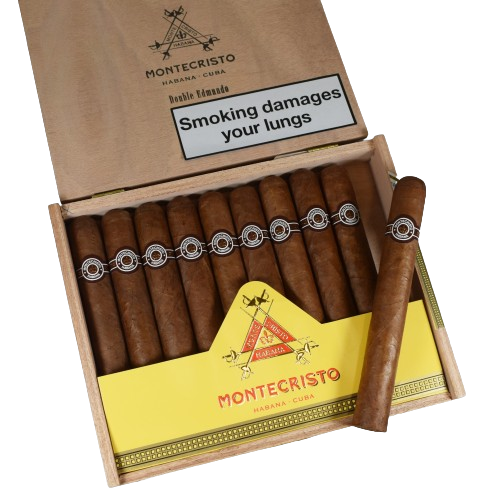
The weight settles into your palm like a familiar handshake—substantial, promising. I remember the first time I held a Cuban robusto of this caliber, feeling that perfect density that only comes from expertly rolled Vuelta Abajo tobacco. The wrapper catches the light with an oily sheen, dark and inviting, while the cold draw hints at what’s coming: coffee beans and dark chocolate, maybe a whisper of cedar waiting underneath.
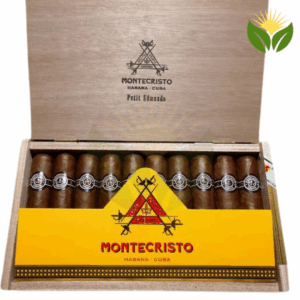
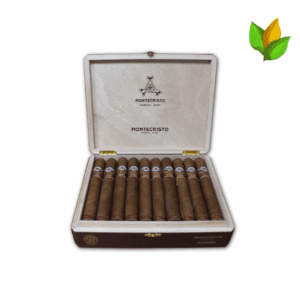
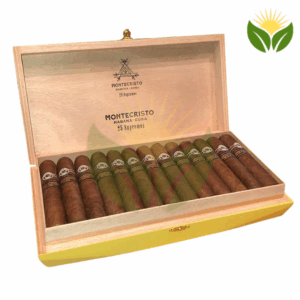
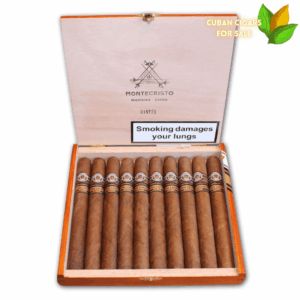
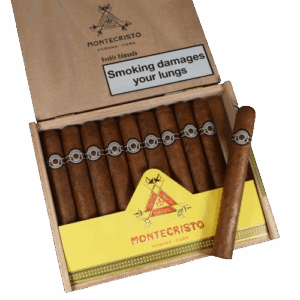
This is the Montecristo Double Edmundo, and honestly, it’s become one of those cigars I find myself reaching for when I want something reliable yet complex. Not flashy like some Cohiba releases, not experimental like certain Rocky Patel blends or Alec Bradley offerings. Just pure, refined Cuban craftsmanship in a format that gives you time to truly appreciate what Montecristo does best.
Construction and First Impressions
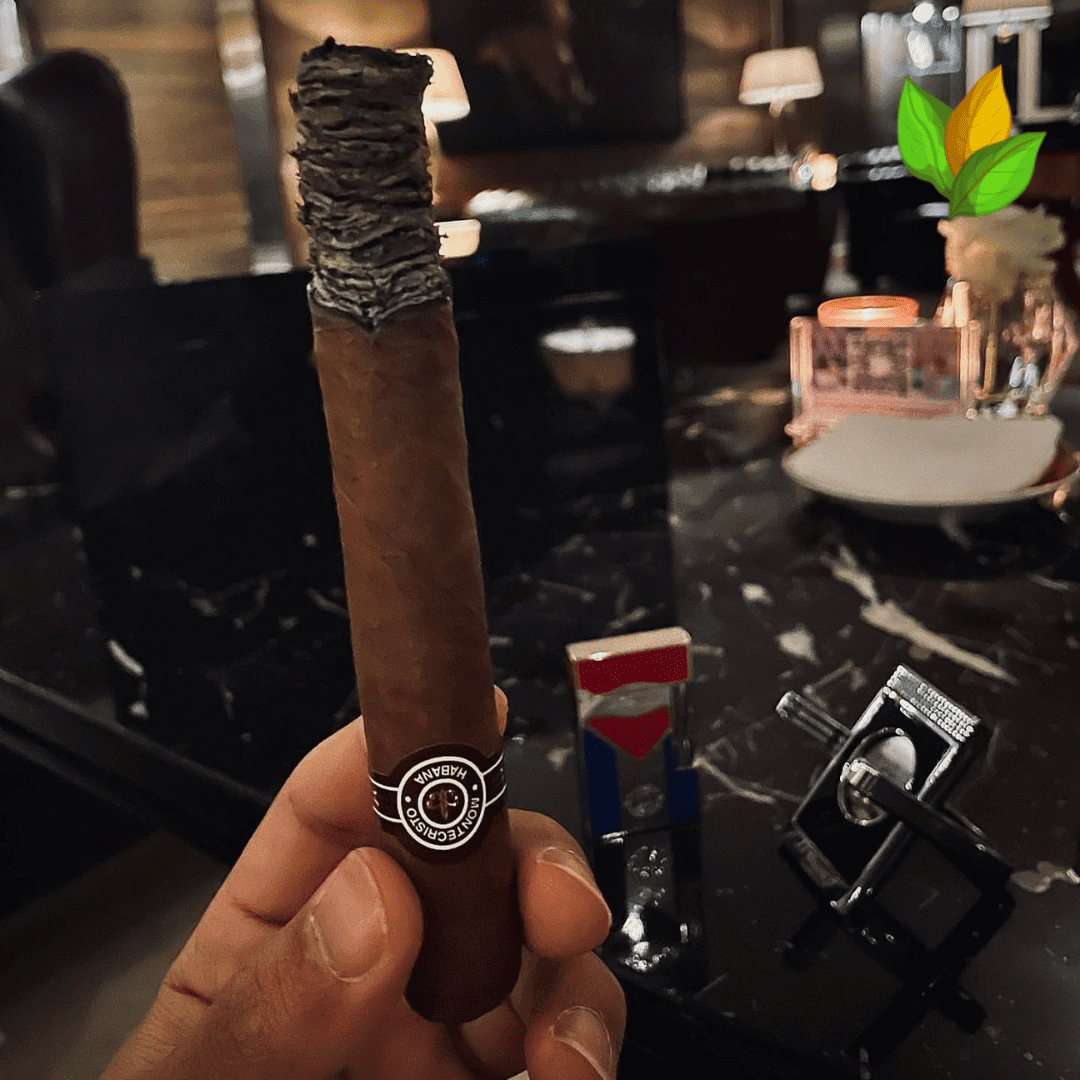
The construction on the Double Edmundo immediately telegraphs quality. I’ve examined dozens of these over the years, and the consistency is remarkable—that gorgeous color ranging from medium brown to slightly darker notes, with virtually no visible veins disrupting the smooth wrapper surface.
The triple cap is expertly applied, something you’ll want to inspect when verifying authenticity. The factory designation is Dobles, and you can feel the careful attention in every aspect. No soft spots, no lumps. The draw resistance feels just right during the cold inspection—not too tight, not too loose.
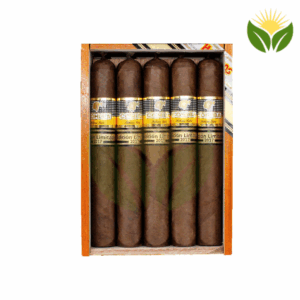
What strikes me most is the newer band design. This was actually the first Montecristo to feature the larger, more elaborate gilded band with those distinctive fleur-de-lis elements. It’s embossed properly on authentic examples, something counterfeiters often struggle to replicate convincingly.
Flavor Profile: A Journey Through Three Acts
Opening Third: Setting the Stage
The initial flavors arrive with surprising gentleness for such a substantial cigar. I typically get creamy, woody notes right away—think toasted oak with a coffee undertone that’s more about richness than intensity. There’s this lovely hazelnut quality that develops within the first ten minutes.
Cocoa bean appears early too, not sweet like milk chocolate but earthy and sophisticated. A touch of white pepper keeps things interesting without overwhelming the creamy smoke. The full Montecristo flavor signature is already evident—that balanced earthiness that prevents any one element from dominating.
Middle Third: Building Complexity
Here’s where the Double Edmundo really starts showing its personality. The body builds to medium-full, and those initial flavors intensify beautifully. The hazelnut coffee note becomes more pronounced, joined by leather and subtle spice that adds warmth without heat.
I’ve noticed blackberry hints appearing during this section—not fruity exactly, but a dark, rich complexity that adds depth. The earthiness remains steady, providing a foundation that keeps everything grounded. This middle section offers some of the best smoking I’ve experienced in the robusto extra format.
Final Third: The Full Spectrum
This is where patience pays off. Every flavor element peaks simultaneously—that hazelnut coffee, the toasted oak, cocoa, pepper, leather, spice, blackberry, and earth all coming together in what can only be described as complex harmony. The pallate never gets overwhelmed despite the intensity.
You can smoke this to the very end without harshness, which isn’t something I can say about every large cigar. The construction holds up beautifully right to the final inch.
Technical Specifications
| Specification | Details |
|---|---|
| Length | 155mm (6 1/8 inches) |
| Ring Gauge | 50 |
| Classification | Robusto Extra (Dobles factory vitola) |
| Strength | Medium to Medium-Full |
| Smoking Time | 60-90 minutes |
| Weight | 14.58 grams |
Perfect Pairings
The complexity of this cigar opens up numerous pairing possibilities. I’ve had excellent results with aged rum—something like a 15-year Zacapa complements those coffee and cocoa notes beautifully without competing.
For whiskey drinkers, I’d recommend a smooth bourbon rather than anything too peated. The vanilla and caramel notes in something like Maker’s Mark 46 work wonderfully with the leather and spice elements.
Coffee pairing is almost too obvious, but it works. A Cuban coffee or rich espresso creates this amazing harmony with the hazelnut coffee flavors in the cigar. I’ve also enjoyed it with a well-aged Madeira—the nutty, oxidative character of the wine plays beautifully against the earthiness.
Port is another winner, especially tawny port with some age. The fruit and nut characteristics add complexity without overwhelming the tobacco flavors.
Cutting and Lighting Technique
The generous 50 ring gauge means you want to be careful with your cut. I prefer a straight cut about 2mm from the cap—just enough to open the draw without damaging that beautiful triple cap construction.
For lighting, take your time. The larger ring gauge means more surface area to toast evenly. I use a butane torch on a lower setting, rotating slowly to create an even char line before the first puff. Don’t rush this step—uneven lighting on a cigar this size will affect the entire smoking experience.
The generous dimensions mean the cigar holds heat well, so you don’t need to puff frequently. One puff per minute is often sufficient once you’re established. For more detailed techniques, check out our guide on mastering Cuban cigar smoking.
Who Should Smoke This Cigar
Honestly, this isn’t a beginner’s cigar. The size alone requires some experience—over an hour of smoking time and medium-full strength means you need to know your tolerance. I’ve seen newcomers get overwhelmed by the complexity and richness.
This is perfect for experienced smokers who appreciate nuanced Cuban blending. If you’re familiar with other premium Montecristo releases or similar-strength cigars from brands like Rocky Patel or Alec Bradley, you’ll have the palate development to appreciate what’s happening here.
It’s also ideal for special occasions when you have the time to truly focus. This isn’t a cigar for multitasking—it deserves attention to fully appreciate the flavor evolution from start to finish.
Seasoned smokers looking for something reliable yet sophisticated will find this fits perfectly in their rotation. It offers complexity without being experimental or challenging just for the sake of it.
Authentication and What to Look For
With Cuban cigars this premium, authentication is crucial. The band is your first indicator—the newer gilded design should have crisp embossing and proper color registration. The fleur-de-lis elements should be clearly defined, not blurry or poorly aligned.
Check the triple cap carefully. Authentic examples have smooth, even caps that don’t feel rough or appear hastily applied. The wrapper should be consistent in colour and texture—no major veins or discolored patches.
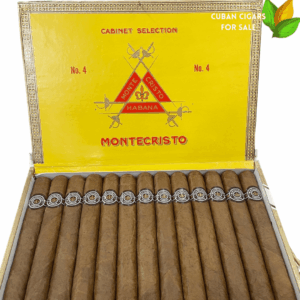
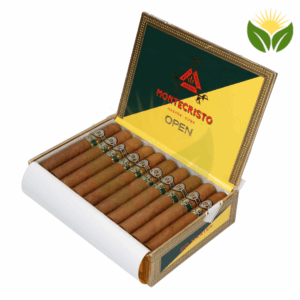
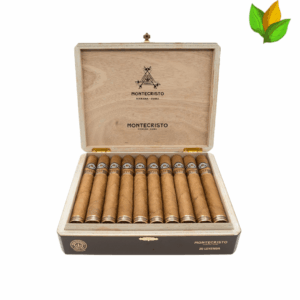
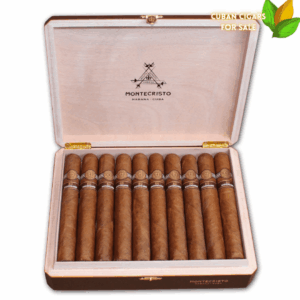
When you add one to your cart from any store, verify the seller has proper Habanos authentication. Look for official Cuban government seals and holographic elements on the box. Semi Boite Nature packaging comes in quantities of 10 or 25, both with specific security features.
The construction should feel firm but not hard, with consistent density throughout. Authentic cigars from the Dobles factory have specific weight and dimensional tolerances—that 14.58-gram weight is remarkably consistent across genuine examples.
For more background on Cuban cigar production and authentication, our article on Cuban cigars from plantation to perfection provides valuable context.
Storage and Aging Potential
Proper storage is essential for maintaining the quality this cigar delivers. I keep mine at 65-70% relative humidity and 65-68°F. The larger ring gauge actually makes these somewhat more forgiving of minor humidity fluctuations, but consistency is still important.
These age beautifully if you can resist smoking them immediately. I’ve had examples with 3-5 years of additional aging that showed remarkable development—the earthiness becomes more refined, the coffee and cocoa notes integrate more seamlessly.
In my experience, the sweet spot for aging is around 3 years beyond purchase date. The harshness that some detect in young examples completely disappears, while the complexity increases. Your humidor setup is critical here—check our preserving cigars fresh guide for specific techniques.
If you’re planning to cellar these, buy from current stock and ensure consistent storage conditions. Temperature fluctuations are more damaging than minor humidity variations, so a stable environment is key.
For detailed humidor setup information, Cigar Aficionado’s humidor guide provides excellent technical details.
Frequently Asked Questions
How long does a Double Edmundo take to smoke?
Expect 60-90 minutes depending on your smoking pace. The 155mm length and 50 ring gauge create a substantial smoking experience that shouldn’t be rushed. I typically budget at least 75 minutes for proper enjoyment.
What’s the difference between this and other Montecristo sizes?
The Double Edmundo is longer than the standard Edmundo and offers more smoking time for the flavors to develop. The progression from medium to medium-full strength is more gradual than in shorter formats, allowing you to experience the full spectrum of Montecristo’s blending.
Can beginners smoke this cigar?
I wouldn’t recommend it for newcomers. The size, strength, and complexity can be overwhelming if you’re not accustomed to premium Cuban cigars. The smoking time alone requires experience—many beginners get nicotine overwhelmed before finishing.
How should I store these if I don’t have a humidor?
Short-term, a sealed container with a humidity pack at 65-69% works, but these cigars deserve proper humidor storage for optimal aging and flavor development. The investment in proper storage equipment pays off quickly with cigars of this caliber.
What makes the authentication band special on this release?
The Double Edmundo was the first Montecristo to feature the newer, larger gilded band design with detailed fleur-de-lis elements. The embossing and color registration are more complex than older Montecristo bands, making counterfeiting more difficult but authentication more reliable for experienced smokers.
For members interested in learning more about Cuban tobacco cultivation and the Vuelta Abajo region that produces these exceptional cigars, the Britannica entry on Vuelta Abajo offers historical and geographical context.
You can view our complete selection and learn more about our authentication process at our about page, where we detail our commitment to providing only genuine Cuban cigars to our customers.