
Description
The Robusto That Changed Everything
I remember the first time I smoked an Epicure No. 2. It was 2001, sitting on the terrace of a hotel in Havana, watching the sunset paint the Malecón in shades of orange and gold. My Cuban host handed me this Robusto and said, “This is what we smoke when we want to remind ourselves why we love cigars.” Twenty-plus years later, I still reach for this vitola more than any other in my humidor. That’s not nostalgia talking – this is genuinely one of the most consistently excellent Cuban cigars you can buy, and I’ll defend that statement to anyone who disagrees.
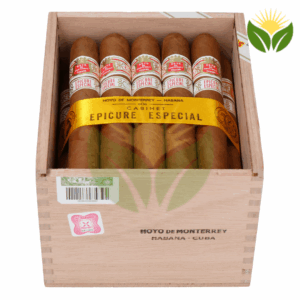
The Hoyo de Monterrey Epicure No. 2 isn’t flashy. It doesn’t scream for attention like some of the more aggressive Cuban brands. But that’s exactly why experienced smokers keep coming back to it. This is a cigar that rewards patience and attention, revealing layers of flavor that unfold slowly over its 50-minute smoke time.
What Makes the Epicure No. 2 Special?
Hoyo de Monterrey has been around since 1865, which means they’ve had plenty of time to figure out what they’re doing. The brand was named after a valley in Cuba where some of the finest tobacco grows, and that connection to terroir – yeah, I’m using a wine term for cigars, deal with it – really shows in their blends.
The Epicure No. 2 sits in that sweet spot between approachable and complex. It’s not a beginner’s cigar, but it’s not going to knock you on your ass either. I’d call it medium-bodied, though some days it leans closer to medium-light depending on the box and age. Thing is, this variability isn’t a bug – it’s a feature of Cuban tobacco. Each box tells a slightly different story, which keeps things interesting even after you’ve smoked dozens of them.
Who’s this cigar for? Honestly, almost everyone who’s moved past the novice stage. Morning smokers love it because it won’t overpower your palate before noon. Afternoon smokers appreciate its balance. And if you’re coming from fuller-bodied cigars, it offers a nice change of pace without feeling like you’re compromising. I’ve given these to friends who typically smoke Cohiba Robustos, and they’ve come back asking for more.
| Specification | Details |
|---|---|
| Vitola | Robusto (Edmundo) |
| Length | 4.9 inches / 124 mm |
| Ring Gauge | 50 |
| Wrapper | Cuban (Vuelta Abajo) |
| Binder | Cuban |
| Filler | Cuban blend from Vuelta Abajo region |
| Strength | Medium to Medium-Light |
| Smoking Time | 50-60 minutes |
The Smoking Experience: A Journey Worth Taking
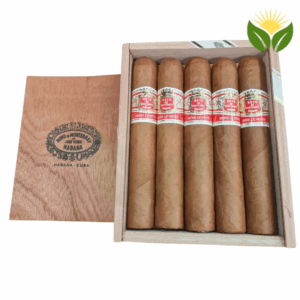
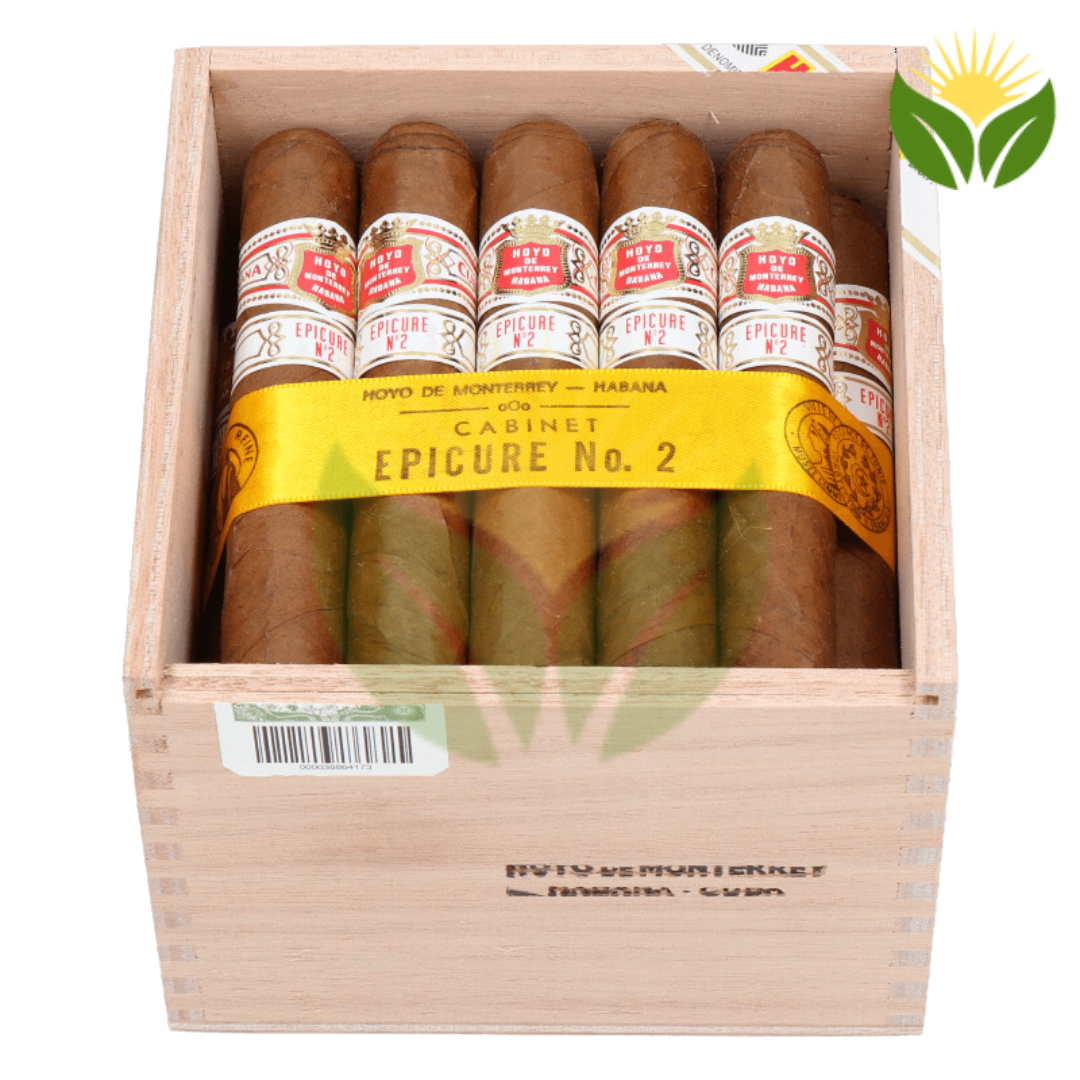
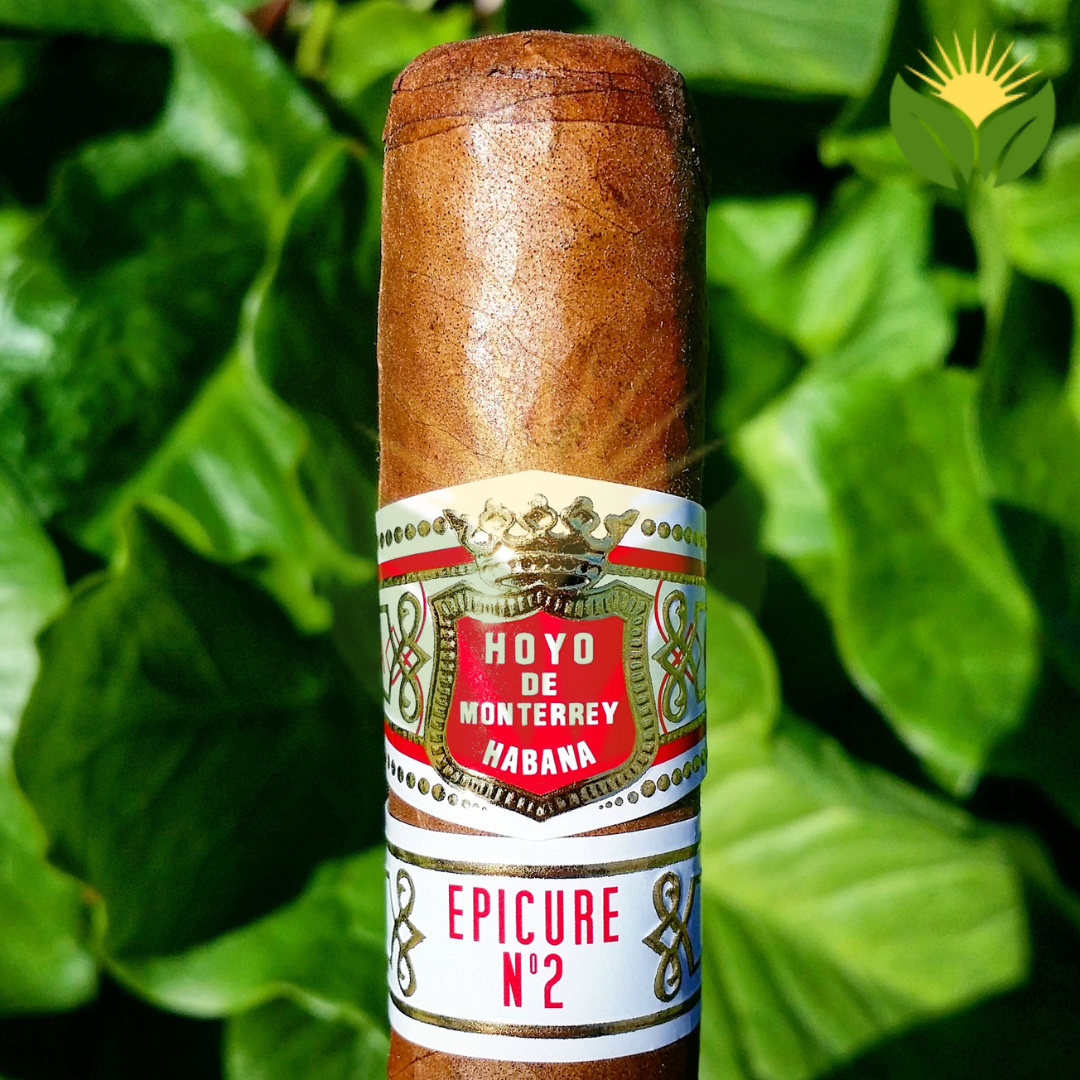
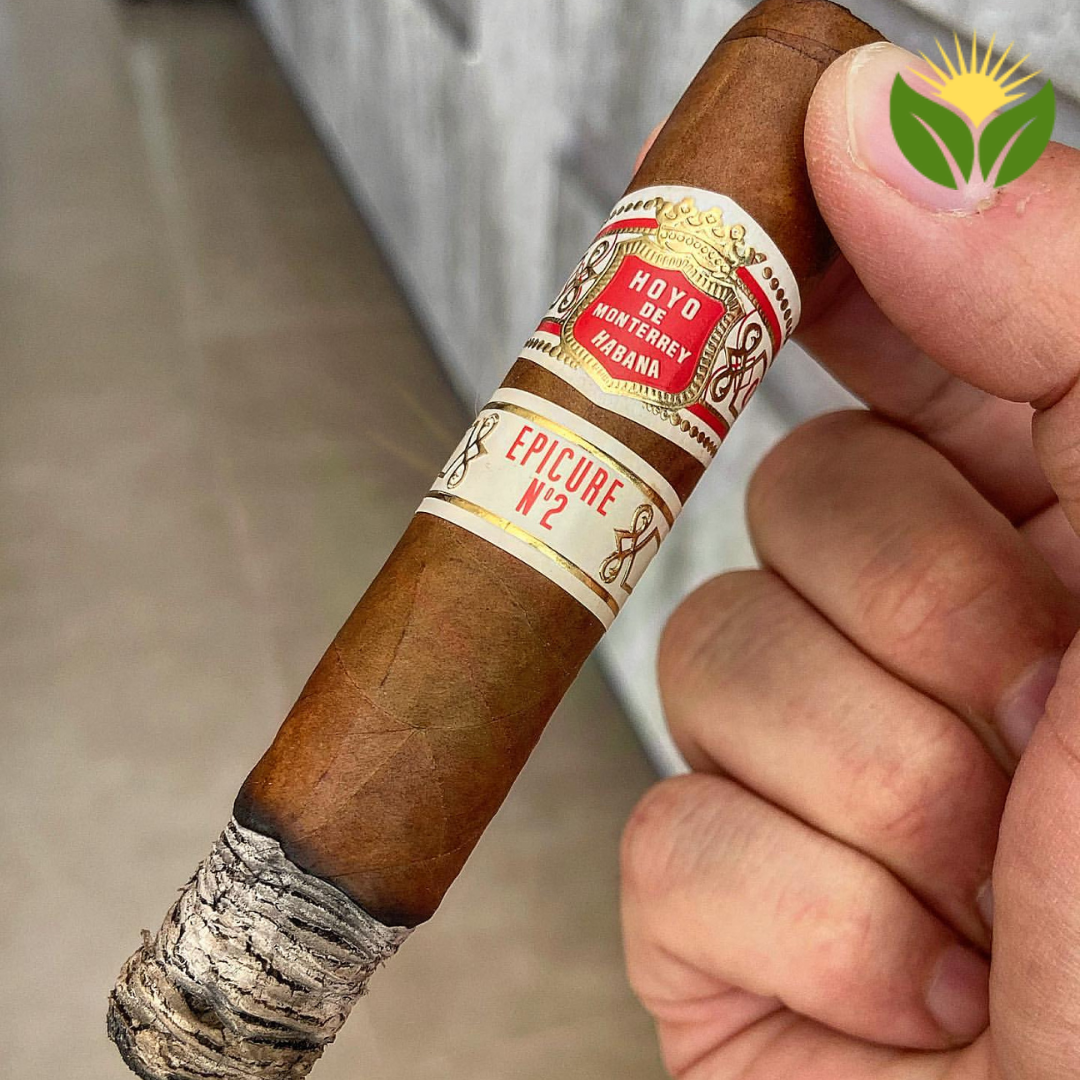
Right out of the box, the Epicure No. 2 has this beautiful caramel-colored wrapper with a slight oily sheen. Construction is usually spot-on – triple cap, minimal veins, and a firmness that tells you the roller knew what they were doing. The cold draw gives you hints of hay and light cream, maybe a touch of cedar. Nothing dramatic, but that’s not what we’re here for.
First third hits you with cream and cedar notes right away. There’s this subtle sweetness that reminds me of light honey – not sugar-sweet, but just enough to balance the earthiness. Some people get toasted almonds here, and I can see that too, especially on the retrohale. The smoke production is generous without being excessive, and that classic Cuban twang starts showing up about ten minutes in. You know the one I’m talking about – that slightly tangy, herbal quality that separates Cuban tobacco from everything else.
The burn is usually razor-sharp if you’ve stored them properly. I say usually because I’ve had the occasional one that needed a touch-up, but that’s Cuban cigars for you. The ash holds for about an inch before dropping, which is perfectly respectable for this vitola.
Second third is where things get interesting. The cream notes start backing off, and you get more wood coming through – think cedar cigar boxes, not freshly cut lumber. There’s also this floral quality that sneaks in, almost like white tea. I didn’t notice this when I was younger and smoking faster, but once you slow down and pay attention, it’s definitely there. The strength ticks up slightly here, moving from mild-medium to solid medium territory. Still smooth, still balanced, but with more presence.
Final third brings cocoa into the mix. Not chocolate exactly – more like raw cocoa with a slight bitterness that works beautifully with the cedar and earth notes. Some coffee shows up too, especially if you retrohale. The cigar never gets harsh or aggressive, which is remarkable considering how much flavor is packed into this final stretch. I usually smoke Robustos down to about an inch and a half, but with the Epicure No. 2, I often push it closer to an inch because that last bit is just too good to waste.
One thing worth mentioning – and I’m probably biased here because I’ve smoked so many of these – but the Epicure No. 2 responds incredibly well to aging. Fresh ones are good, but give them 3-5 years and they transform into something special. That honey sweetness becomes more pronounced, the rough edges smooth out completely, and you get this velvety texture in the smoke that’s hard to describe but impossible to forget.
| Cigar | Strength | Smoking Time | Best For |
|---|---|---|---|
| Hoyo de Monterrey Epicure No. 2 | Medium | 50-60 min | Balanced, all-day smoke with complexity |
| Partagás Serie D No. 4 | Medium-Full | 50-60 min | Richer, earthier flavor for experienced smokers |
| Montecristo No. 4 | Medium | 45-55 min | Classic Cuban profile, slightly more linear |
Perfect Pairings and Occasions
Coffee is the obvious choice here, and I’m not going to pretend otherwise. A medium-roast Cuban or Colombian coffee alongside an Epicure No. 2 in the morning is about as good as life gets. The coffee amplifies those cocoa notes in the final third without overwhelming the cigar’s more delicate flavors.
For spirits, I lean toward aged rum – specifically something like Havana Club 7 Year or Ron Santiago de Cuba 11 Year. The rum’s sweetness complements the honey notes, and you get this nice tropical vibe going that makes sense given the cigar’s origins. Scotch works too, but go lighter – a Speyside like Glenfiddich 15 rather than an Islay peat bomb that’ll steamroll the cigar’s subtleties.
Beer drinkers should try this with a good amber ale or even a wheat beer. I had one with a Belgian witbier last summer, and the citrus notes from the beer played surprisingly well with the cigar’s herbal qualities. Who knew?
Timing-wise, this is my go-to mid-morning or early afternoon smoke. Something about those cream and cedar notes just fits perfectly with that time of day. It works after dinner too, especially if you’ve had something light like fish or chicken rather than a heavy steak.
How long should I age Hoyo de Monterrey Epicure No. 2 cigars before smoking?
They’re perfectly smokeable fresh, but if you can wait 2-3 years, you’ll be rewarded. I’ve got some from 2018 in my humidor right now that are absolutely singing. The harshness you sometimes get from young Cuban tobacco completely disappears, and the flavors integrate beautifully. That said, don’t feel like you need to wait – plenty of people smoke them right out of the box and love them.
Is the Epicure No. 2 strong enough for experienced smokers?
Yes, but not in the way you might think. This isn’t about raw strength or nicotine punch – it’s about complexity and refinement. I’ve been smoking Cubans for over 25 years, and I reach for these constantly. The flavor development keeps things interesting, and the balance is something you appreciate more as you gain experience. If you need something to knock you on your ass, try the Partagás Serie D No. 4 instead.
How does the Epicure No. 2 compare to the Montecristo No. 4?
Both are classic Cuban Robustos, but they’re different beasts. The Monte No. 4 is more straightforward – you know what you’re getting from start to finish, and there’s nothing wrong with that consistency. The Epicure No. 2 has more variation and evolution throughout the smoke. It’s also generally creamier and less earthy than the Montecristo. I keep both in my rotation because sometimes I want the Monte’s reliability, and sometimes I want the Epicure’s journey.
What’s the best way to store these cigars?
Standard Cuban cigar storage applies – 65-68% humidity, around 65-70°F temperature. I actually keep mine at the lower end, around 62-65% humidity, because I find they burn better and the flavors are more defined. Let them rest for at least a month after receiving them before smoking, especially if they’ve been shipped internationally. Cuban cigars can be finicky about humidity swings, so give them time to acclimate to your humidor.
Are boxes of Epicure No. 2 consistent from year to year?
Not really, and that’s part of the Cuban cigar experience. I’ve had boxes that leaned lighter and creamier, and others that were earthier with more punch. Even within the same box, you might get some variation. This bothers some people, but I think it’s part of what makes Cuban cigars interesting. Just make sure you’re buying from reputable sources to avoid quality issues that go beyond normal variation.
Can beginners smoke the Hoyo de Monterrey Epicure No. 2?
Sure, especially if they’ve already tried a few milder cigars and want to step up. I wouldn’t recommend this as someone’s first cigar – there’s enough complexity that a complete novice might miss what makes it special. But if you’ve smoked a dozen cigars and you’re ready to explore Cuban offerings, this is actually a great entry point. Just smoke it slowly, don’t inhale, and have something to drink nearby.
What time of day is best for smoking this cigar?
Mid-morning through early afternoon is my sweet spot for the Epicure No. 2. The medium body and cream-forward profile make it perfect with morning coffee or as an after-lunch treat. I don’t usually reach for it after heavy dinners because I want something with more oomph at that point. That said, rules are made to be broken – if you want to smoke it at midnight, go for it. Your cigar, your choice.
Final Thoughts on a Cuban Classic
The Hoyo de Monterrey Epicure No. 2 doesn’t need my endorsement – it’s been a bestseller for years because it delivers exactly what a great Cuban Robusto should: balance, complexity, and that ineffable quality that keeps you coming back. This is the cigar I recommend most often to people making the jump from New World cigars to Cubans, and it’s the one I smoke most frequently myself.
If you’re building a humidor and can only stock a handful of Cuban cigars, this should absolutely be on the list. Buy a box, let half of them age for a few years, and smoke the rest whenever you want a reliable, sophisticated smoke that won’t disappoint. You’ll understand why it’s earned its reputation.