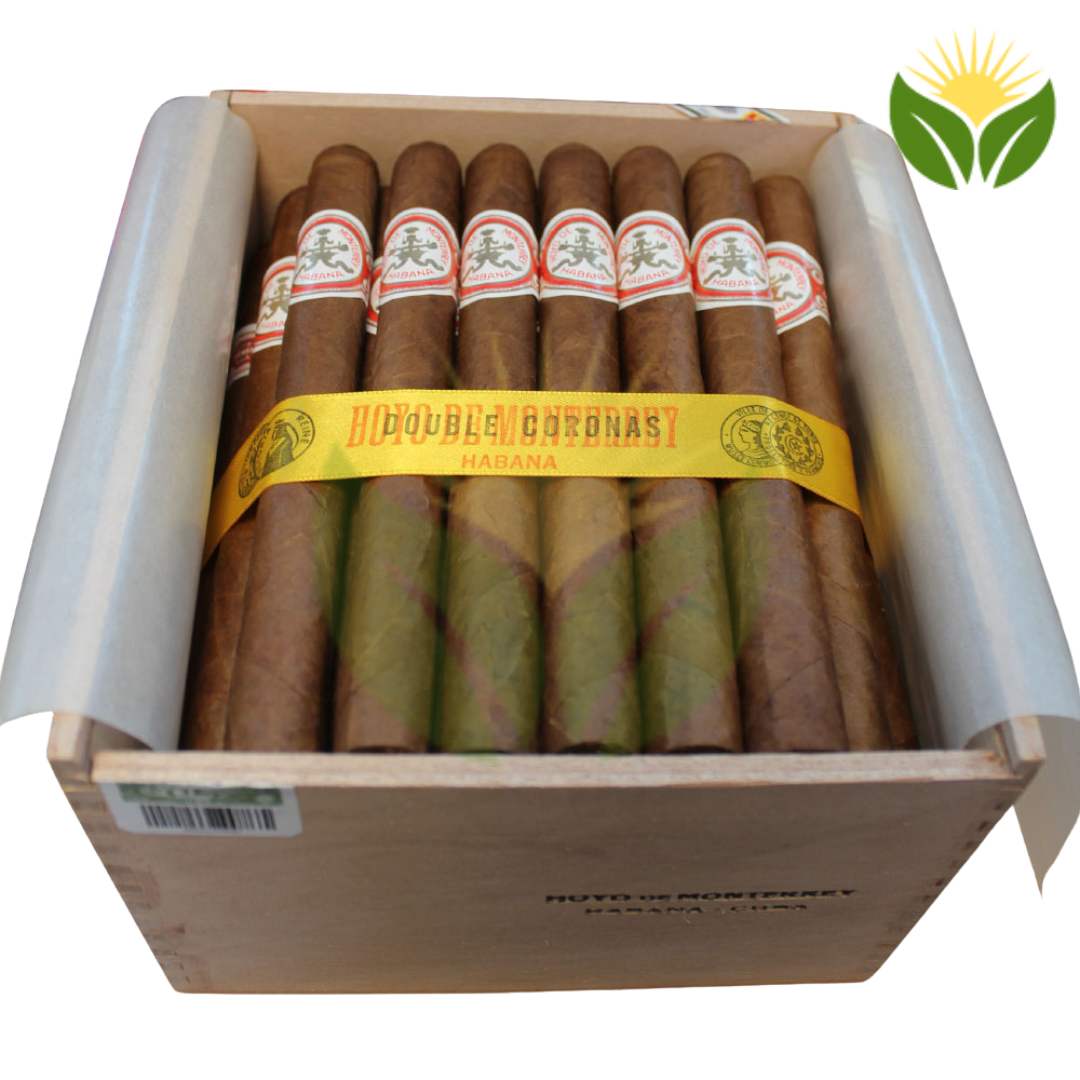
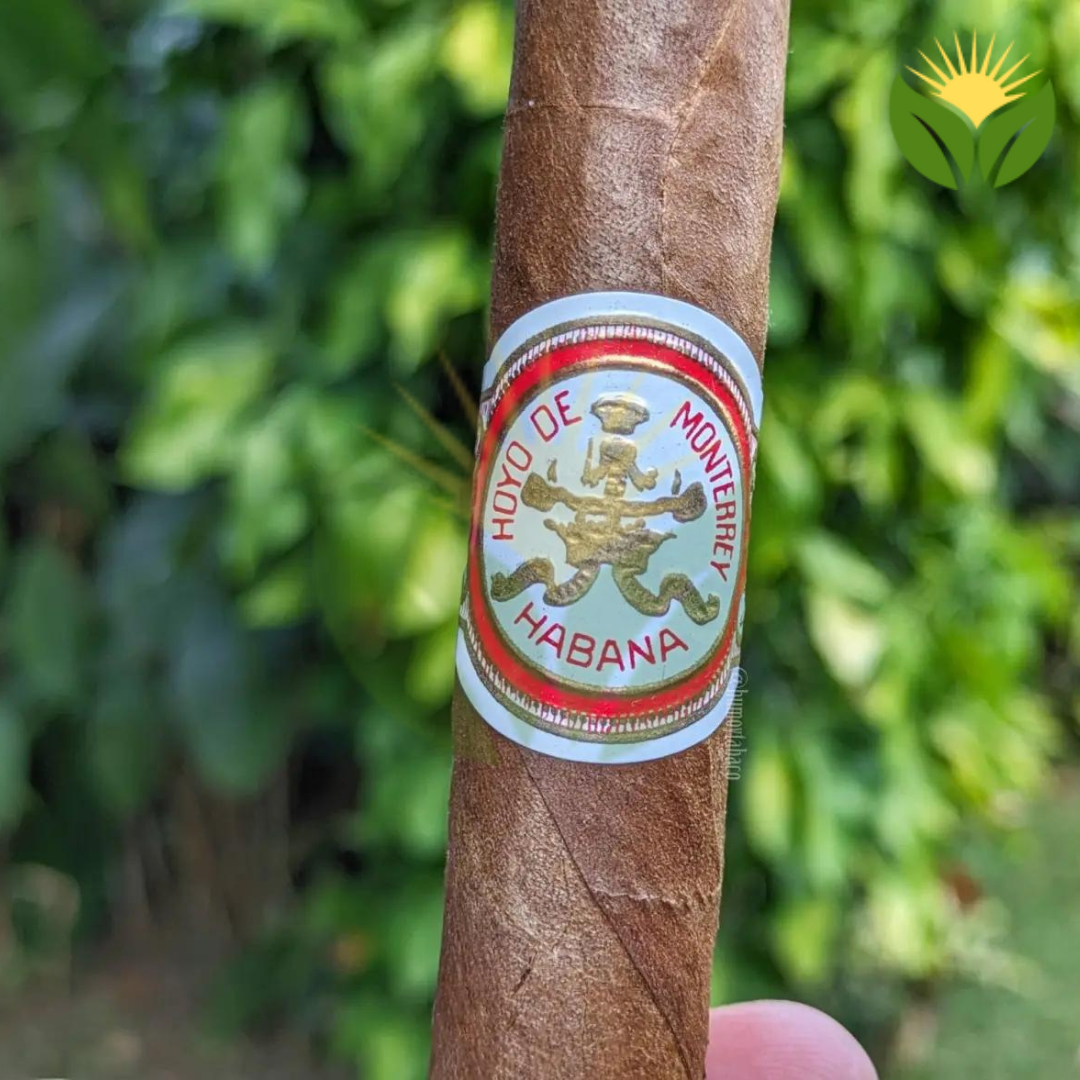

Description
Why This Might Be the Most Underappreciated Double Corona in Havana’s Portfolio
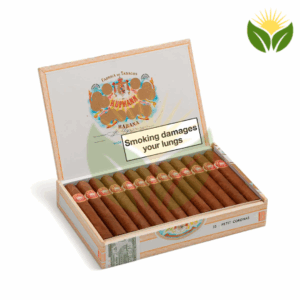
I’ll be honest with you – I’ve watched the Hoyo de Monterrey Double Corona sit in humidors while flashier brands get all the attention, and it’s bothered me for years. This cigar doesn’t scream for your attention. It doesn’t come in fancy reserva releases or limited editions that sell out in minutes. What it does is deliver a smoking experience that’s refined, elegant, and – here’s my controversial take – more approachable than the Partagás Double Corona that everyone obsesses over. I’m probably going to catch heat for that comparison, but after thirty years of smoking Cubans, I know what I like.
Thing is, if you’re the type of smoker who appreciates subtlety over power, who’d rather spend two hours with a cigar that rewards patience instead of one that punches you in the face, you need to try this vitola. What you’re about to learn is why this particular format brings out everything that makes Hoyo de Monterrey special, and why it deserves a permanent spot in your rotation.
What Makes the Hoyo de Monterrey Double Corona Special
The Hoyo de Monterrey brand has been around since 1865 – yeah, that’s not a typo – when José Gener established it in the Vuelta Abajo region. The name translates to “hole of Monterrey,” named after a plantation that apparently had a particularly deep depression in the land. Not the most glamorous origin story, I’ll admit, but what matters is what ended up in the tobacco fields there.
This Double Corona showcases what Hoyo does best: medium-bodied complexity without overwhelming your palate. While other marcas go for bold, aggressive profiles, Hoyo has always been the gentleman of Cuban cigars. The wrapper comes from the Vuelta Abajo region – the same tobacco-growing area that supplies basically every premium Cuban you’ve ever heard of – and it shows in that silky, slightly oily sheen you’ll notice when you first pick it up.
Who’s this cigar for? I’d say intermediate to advanced smokers who’ve moved past the need to prove anything with full-strength cigars. If you’re still at the stage where you’re comparing ring gauges like they’re sports statistics, maybe work your way up to this. But if you’ve reached that point where you value nuance and you’ve got a solid two hours to dedicate to a smoke, this is your format. The Double Corona size – we’re talking about a substantial cigar here – gives the blend room to breathe and develop in ways the smaller vitolas just can’t match.
| Specification | Details |
|---|---|
| Vitola | Double Corona (Prominente) |
| Length | 7.6 inches / 194 mm |
| Ring Gauge | 49 |
| Wrapper | Cuban (Vuelta Abajo) |
| Binder | Cuban |
| Filler | Cuban blend |
| Strength | Medium |
| Smoking Time | 90-120 minutes |
The Smoking Experience – What You’re Actually Getting
The cold draw on a well-constructed Double Corona is slightly firm – exactly how I like it, actually. You’ll pick up some hay, maybe a hint of that barnyard funk that good Cuban tobacco sometimes has. Not overwhelming, just there in the background letting you know this is the real deal.
Light it up, and the first third is all about restraint. I remember the first time I smoked one of these properly aged – had about three years on it, maybe four – and what struck me was how the flavors presented themselves one at a time instead of all at once. You get cream first, then this gentle cedar note that reminds me of opening a humidor that’s been seasoned for years. There’s sweetness too, but it’s subtle. Think toasted almonds rather than anything sugary. The smoke production is generous without being excessive, and if you’re retrohaling – which you should be – you’ll catch some white pepper that adds just enough kick to keep things interesting.
Second third is where this cigar earns its reputation. The flavors start layering – and I mean actually layering, not just muddling together like some cigars do when they’re trying too hard. The cedar deepens. You might pick up some leather, maybe a touch of cocoa. Nothing crazy or unexpected, but executed so cleanly that you can’t help but appreciate the craftsmanship. The burn line on a good one stays razor sharp with minimal correction needed. I’ve had a few that needed a touch-up here and there, but that’s Cuban construction for you – it’s handmade, not machine-perfect, and honestly I prefer it that way.
Final third – hmm, how do I explain this – it gets richer without getting harsh. That’s the magic of a well-blended medium-bodied cigar. Some earth comes into play, maybe a hint of coffee on the finish. The strength picks up slightly, but we’re still firmly in medium territory. Not gonna knock you on your ass like a Bolívar would. The retrohale intensifies, more pepper showing up, and if you’ve been patient with your puffing, the cigar stays cool right down to the nub. Actually, scratch that – when I say nub, I mean smoking it until your fingers get warm. These are too good to waste.
Construction quality? Generally solid. The ash holds for a good inch and a half, sometimes two inches if you’re gentle with it. It’s that light gray color that tells you the tobacco was properly fermented. I’ve had maybe one in ten that had draw issues, which is about par for the course with Cubans these days. The tobacco shortage and quality control issues since – I think it was 2012? Maybe 2013 when things got rough – have affected every marca to some degree.
| Cigar | Strength | Smoking Time | Best For |
|---|---|---|---|
| Hoyo de Monterrey Double Corona | Medium | 90-120 min | Refined, nuanced sessions |
| Partagás Lusitania | Medium-Full | 100-130 min | When you want more punch |
| Punch Double Corona | Medium | 90-110 min | Similar profile, slightly earthier |
| Romeo y Julieta Churchill | Mild-Medium | 75-100 min | Lighter alternative, shorter smoke |
How to Pair This Properly
Coffee with this cigar is nice in the morning – I’m talking about a proper Cuban espresso if you can get it, or at least a medium roast that won’t fight with the tobacco. But real talk: this is an afternoon or early evening cigar, and it pairs beautifully with aged rum. Try it with a Havana Club 7 Year or, if you want to go upscale, a Diplomatico Reserva Exclusiva. The sweetness in good rum complements that toasted almond note in the first third without overwhelming it.
Some guys swear by pairing Hoyos with scotch – specifically Highland single malts like Glenmorangie or Dalwhinnie. I won’t argue with that, though personally I find scotch can overpower the more delicate notes. If you’re going the whiskey route, maybe try a lighter Irish whiskey instead. Jameson Black Barrel works surprisingly well.
Occasion-wise? This is your weekend afternoon cigar when you’ve got nowhere to be and nothing to prove. I’ve smoked these during poker games, on the golf course (though you need a good two hours uninterrupted, so plan accordingly), and just sitting on the patio watching the sun set. Not a celebration cigar necessarily – save your Cohiba Behikes and Montecristo gran reserva releases for that – but definitely a “treating yourself for no particular reason” smoke.
What You Really Want to Know
How does the Double Corona compare to other Hoyo de Monterrey vitolas?
The Double Corona is where the Hoyo blend really stretches out and shows what it can do. Shorter vitolas like the Epicure No. 2 are good – don’t get me wrong – but they’re more straightforward. The Double Corona gives you that full evolution from mild and creamy to rich and complex over two hours. If you’ve only tried the smaller formats and think Hoyo is too mild, this vitola might change your mind.
Should I age these or smoke them fresh?
I’m probably biased here, but minimum two years of additional aging in your own humidor makes a huge difference. Fresh boxes can be harsh and one-dimensional. With three to five years on them, the flavors integrate and that harshness completely disappears. I’ve got a few from 2015 in my humidor right now that are smoking beautifully. If you’re buying from a good source with proper storage, they might already have some age on them, which helps.
Is this cigar strong enough for experienced smokers?
If by “strong” you mean nicotine punch, then no – this is medium-bodied and will stay that way. But if by “strong” you mean complex and interesting enough to keep your attention for two hours, absolutely yes. I’ve been smoking Cubans for three decades and I never get bored with a well-aged Hoyo Double Corona. Strength and complexity aren’t the same thing, and too many smokers confuse the two.
What’s the best time of day to smoke this?
Mid-afternoon to early evening is ideal. It’s too much cigar for first thing in the morning unless you’re one of those people who can handle a two-hour smoke before lunch – I’m not. After dinner works if you had a light meal, but a heavy dinner plus a Double Corona can be too much. My sweet spot is around 3 or 4 PM on a Saturday when I’ve got nothing else planned.
How does this compare to a Connecticut wrapped cigar?
Wait, are we talking Connecticut shade or Connecticut broadleaf? Doesn’t matter actually – they’re completely different experiences. Connecticut shade wrappers are milder and creamier with almost no spice. Connecticut broadleaf is darker and sweeter with more body. The Hoyo sits somewhere in the middle complexity-wise but with that distinct Cuban tobacco character you can’t get from non-Cuban cigars. If you’re used to connecticut cigars, this will have more earth and pepper than you’re expecting, but it’s not a huge jump.
Are there any limited edition or reserva releases in this vitola?
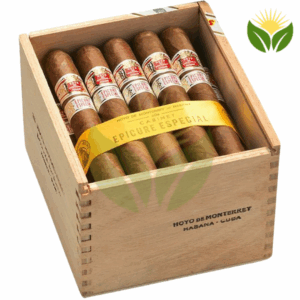
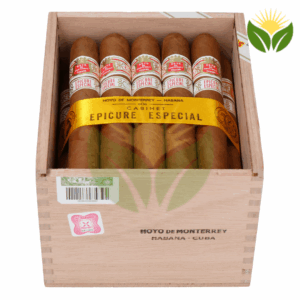
Hoyo occasionally releases special editions and gran reserva cigars in various formats, but the regular production Double Corona is the standard bearer. I’ve tried some of the special releases – the Epicure Especial release was nice, the Short Hoyo Piramides was interesting – but honestly the regular Double Corona doesn’t need fancy packaging or cosecha designations to be excellent. It’s a workhorse cigar in the best possible sense.
Will this be too mild if I usually smoke fuller cigars?
Maybe? I genuinely don’t understand why more people don’t appreciate medium-bodied cigars, but I get that some smokers want that full-throttle experience. If you’re coming from Partagás Serie D or Bolívar Royal Coronas, yeah, this will feel lighter. But give it a chance when you’re in the mood for something more contemplative. Not every cigar needs to be a flavor bomb. Sometimes subtle is exactly what you want.
Why This Deserves a Spot in Your Rotation
The Hoyo de Monterrey Double Corona isn’t going to make anyone’s top ten list of most sought-after Cubans. It doesn’t have the cachet of a Cohiba or the cult following of certain Partagás releases. What it does have is reliability, elegance, and a smoking experience that rewards patience and attention. After smoking hundreds of these over the years – I’m probably being conservative with that number – I keep coming back because they deliver exactly what I want from a long-format cigar without any pretense.
If you’re building a humidor and want something for those occasions when you’ve got time to really appreciate a good smoke, add a box of these. Let them rest for a year or two if you can manage the patience. When you finally light one up on a quiet afternoon with a good drink and nowhere to be, you’ll understand why some of us have been quietly enjoying these while everyone else chases the latest limited release. And if you try one and think I’m crazy, that’s fine too – more for the rest of us.