
Description
The Double Corona That Made Me Rethink Hoyo de Monterrey
Here’s the thing – I’ve smoked a lot of Hoyos over the years. And I’ll be honest with you: for the longest time, I pegged this brand as the “mild mannered gentleman” of the Cuban lineup. Pleasant enough, sure. But not exactly thrilling. Then I got my hands on a properly aged Double Corona, and – wait, let me back up. This was during a trip to a cigar lounge in Tampa, maybe 2018? The owner insisted I try one from a box he’d been aging for about five years. Changed my whole perspective on what Hoyo de Monterrey could do when given the right vitola and some patience.
Look, the Double Corona format is special. Always has been. There’s something about that 7.6 inches of premium tobacco that lets a blend really stretch its legs and show you what it’s capable of. And when you’re talking about Hoyo de Monterrey – a brand that’s been rolling cigars in Cuba since 1865 – you’re working with some serious pedigree. This isn’t some flash-in-the-pan marca. We’re talking about cigars that were Winston Churchill’s go-to smokes for decades, though he preferred the shorter vitolas.
What Sets This Smoke Apart
The Hoyo de Monterrey Double Corona sits in an interesting spot in the Habanos portfolio. It’s not trying to be a powerhouse like a Partagás Lusitania. It’s not competing with the earthy intensity of a Bolivar. Instead, this cigar occupies this beautiful middle ground – enough complexity to keep experienced smokers engaged, but with that signature Hoyo elegance that won’t knock you sideways.
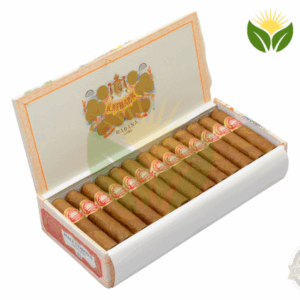
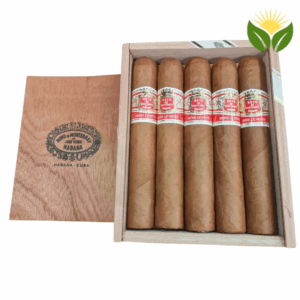
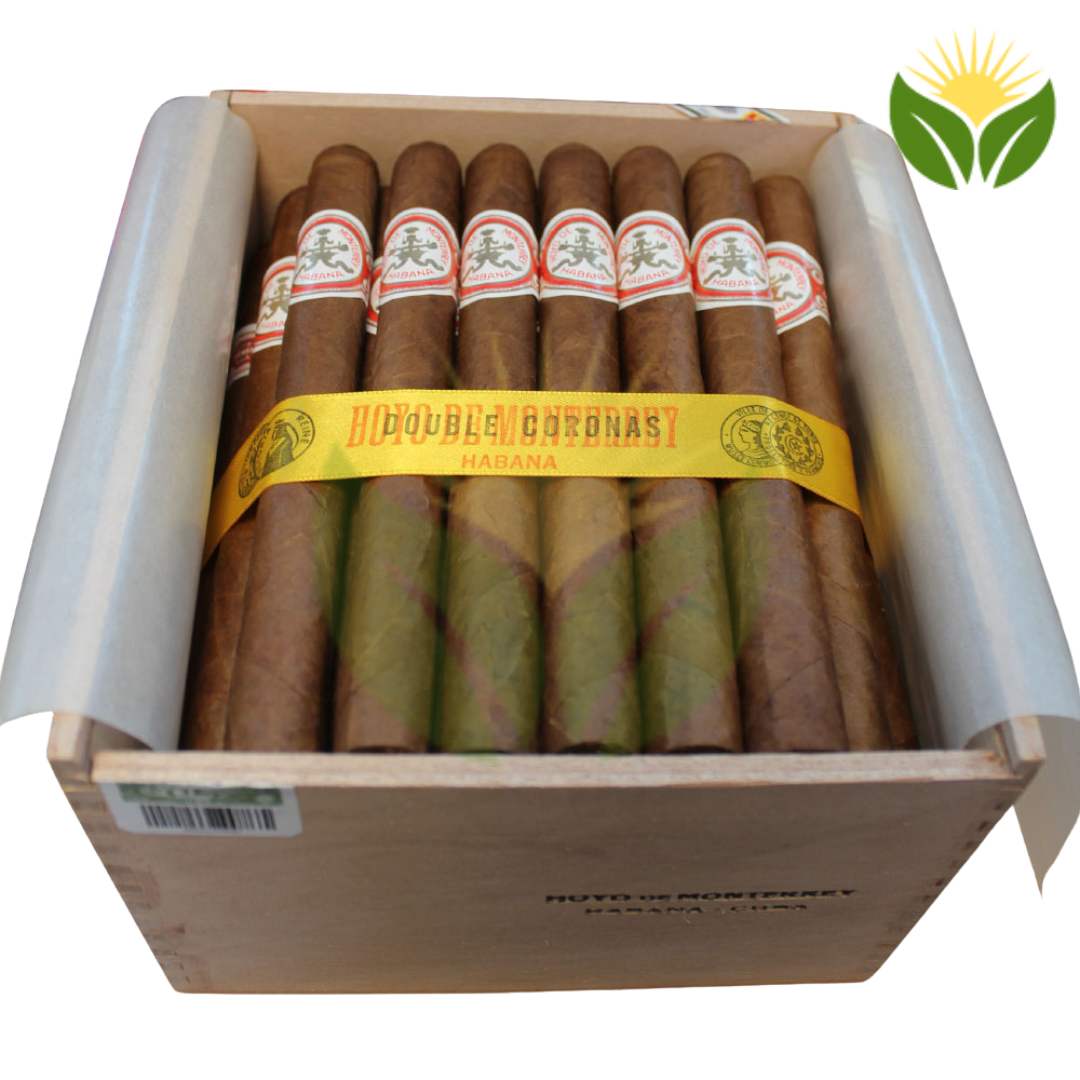
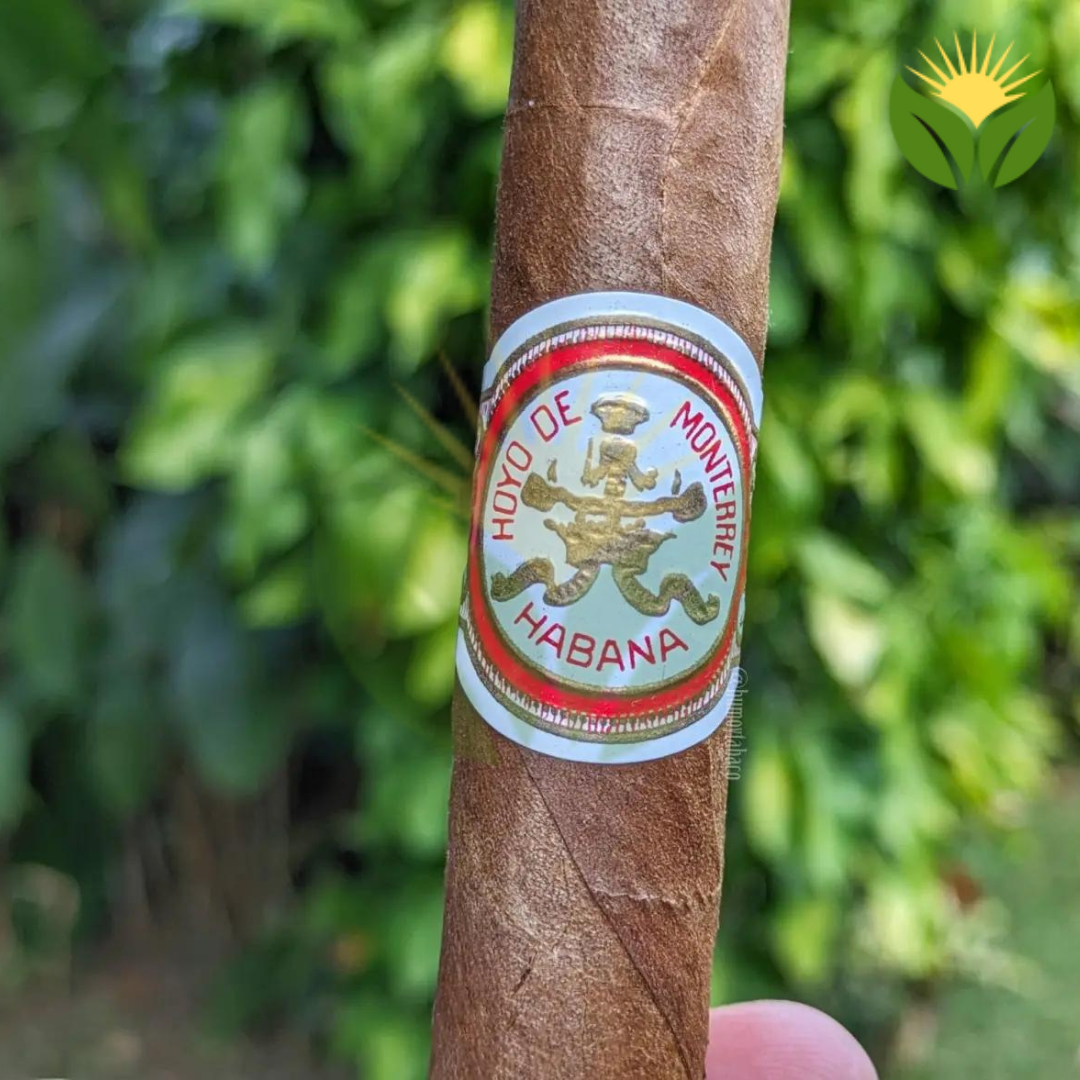
What really gets me about this particular vitola is how it showcases the tobacco from the Vuelta Abajo region. That wrapper leaf – oh man – it’s got this silky, almost oily sheen to it when you get a fresh box. The color tends toward a medium brown, what the folks at Habanos S.A. call “colorado claro,” and the construction is typically flawless. I’m talking triple-cap perfection, minimal veins, and that distinctive pigtail cap that tells you someone actually gave a damn when they rolled it.
Who’s this cigar for? Real talk: if you’re new to Cuban cigars, this might not be your starting point. Not because it’s too strong – it’s actually quite approachable in terms of strength. But because that smoking time, we’re looking at 90 minutes minimum, sometimes pushing two hours if you’re really savoring it. You need the time, the patience, and honestly, the right setting. This isn’t a cigar you smoke while mowing the lawn. This is the cigar you light up when you’ve got nowhere to be and nothing urgent demanding your attention.
| Specification | Details |
|---|---|
| Vitola | Double Corona (Prominente) |
| Length | 7.6 inches / 194 mm |
| Ring Gauge | 49 |
| Wrapper | Cuban (Vuelta Abajo) |
| Binder | Cuban |
| Filler | Cuban Long-Filler Blend |
| Strength | Medium |
| Smoking Time | 90-120 minutes |
The Journey Through Three Acts
Okay, so you’ve clipped it – and by the way, use a straight cut on this one, not a punch. Trust me on that. The cold draw gives you this preview of what’s coming: sweet tobacco, hints of cedar, maybe a touch of honey if you’re lucky. Sometimes I get a subtle cocoa note even before lighting up, though that might just be my imagination working overtime.
Light it properly – I cannot stress this enough. Toast that foot evenly, don’t char it. The first few puffs are always revealing. With the Double Corona, you’re getting hit immediately with cream. That signature Hoyo creaminess that coats your palate. There’s cedar there too, but it’s more like walking through a cigar shop than standing in a lumberyard. Smooth, aromatic, welcoming. The first third develops this beautiful balance between that creamy base and gentle spice – not pepper exactly, more like cinnamon or nutmeg. Very subtle stuff.
The ash? It holds like a champ. I’ve seen it go two inches easy before gravity won. The burn line stays razor-straight if you’re not smoking in wind, and the smoke production is generous without being excessive. Here’s what I love – the smoke itself has this weight to it. It’s not thin and wispy. It’s substantial, almost chewy.
Second third is where things get interesting, and I mean that. The creamy character stays put – that’s your baseline – but now you’re getting these waves of complexity rolling through. Coffee emerges, though it’s more like café con leche than espresso. There’s this interplay between sweet and savory that keeps you guessing. Some cigars plateau in the middle section, they just coast. Not this one. It’s building. I’ve noticed that properly aged examples – we’re talking three to five years minimum – develop this incredible cocoa richness through the middle that younger ones just don’t have. And the aroma? Anyone sitting near you is going to ask what you’re smoking. It fills the room with this cedar and roasted nut character that’s genuinely intoxicating.
The final third – and this is where some medium-strength cigars fall apart – it maintains composure. No harshness, no bitterness, just a deepening of everything that came before. The coffee notes get a bit more pronounced. The cedar becomes almost leathery. There’s often a return of that spicy quality from the first third, but now it’s mellowed, integrated, part of the whole picture rather than a solo act. Through the nose, you’re getting complexity that wasn’t there at the start. Actually, scratch that – it was always there, it just needed time to fully express itself.
Construction-wise, I’ve rarely had issues with these. The draw stays consistent throughout – never too loose, never plugged. The wrapper holds together even as you’re nubbing it. And that’s saying something for a cigar this long. The only thing I’d mention is temperature control. Because of the length and the smoking time, you need to pace yourself. Smoke it too fast and you’ll overheat it, wreck those delicate flavors. This is a contemplative smoke, not a race.
How It Stacks Up Against The Competition
| Cigar | Strength | Smoking Time | Best For |
|---|---|---|---|
| Hoyo de Monterrey Double Corona | Medium | 90-120 min | Contemplative sessions, appreciating subtlety and elegance |
| Partagás Lusitania | Medium-Full | 100-130 min | When you want more power with your complexity |
| Romeo y Julieta Churchill | Mild-Medium | 80-100 min | Easier introduction to long-format Cubans, less demanding |
| Bolívar Royal Corona | Full | 60-75 min | Shorter smoke with significantly more punch and earth |
Thing is, comparing Cuban cigars is always tricky because you’re dealing with natural products that vary box to box, year to year. But if I’m being honest about where the Hoyo Double Corona sits in the landscape – it’s the thinking person’s long-format smoke. The Partagás Lusitania is going to give you more oomph, more earth, more “this is definitely Cuban tobacco” intensity. The Romeo Churchill is smoother, milder, maybe too mild for some palates. And the Bolívar? Different animal entirely. Shorter, denser, more aggressive.
The Hoyo splits the difference beautifully. Between you and me, I think it’s actually the most food-friendly of this group, which brings me to…
What To Drink With It (And When To Smoke It)
I’ve paired this cigar with everything from coffee to rum to single malt, and here’s what works. Morning or early afternoon? Pair it with a good cappuccino or Cuban coffee if you can get your hands on it. That coffee and cream combination mirrors what’s happening in the cigar itself, and the synchronicity is beautiful. I’m talking about real Cuban coffee here, not Starbucks. The richness, the slight sweetness – it just works.
Evening smoke? Aged rum is your friend. A Havana Club 7 Year or if you’re feeling fancy, a Ron Santiago 20. The caramel and vanilla notes in the rum complement that creamy character while the spice plays off the tobacco’s subtle pepper. I’ve also had phenomenal experiences with bourbon – specifically something like a Blanton’s or a Four Roses Single Barrel. The sweeter bourbons work better than the rye-heavy ones.
Now, scotch – and I know this sounds dramatic, but hear me out – you need something gentle here. A Highland scotch, maybe a Speyside. Glenmorangie 10 Year is perfect. Something with honey and vanilla notes. Don’t go reaching for your Laphroaig or Ardbeg. Those peated monsters will steamroll the subtle flavors you’re trying to appreciate. Save those for your Bolívars.
Time of day matters more than people think. No joke, I find this cigar hits differently depending on when you light it up. Late afternoon into evening is ideal. You’ve finished whatever you needed to finish for the day. The sun’s getting low. You’ve got your drink, maybe some good company or a book you’ve been meaning to read. That’s the sweet spot. Smoking this first thing in the morning feels wrong somehow. It’s too refined, too contemplative for sunrise.
Aging Considerations and Box Selection
Look, I’m just going to say it – young Hoyo de Monterrey Double Coronas are good. Aged ones are spectacular. I know some aficionados will disagree, but I genuinely don’t understand why anyone smokes these fresh. Give them time. Three years minimum if you’ve got the patience. Five years is even better. What happens during that aging process is magic.
The rough edges – and yes, even Hoyos have slight rough edges when young – they smooth out completely. That creamy character becomes even more pronounced. The cocoa notes deepen. The cedar transforms from “freshly cut lumber” to “antique humidor.” It’s worth the wait, and I’m probably biased here because I tend to age everything, but still. The difference is night and day.
Box codes matter if you’re really getting into this. Post-2010 production has been pretty consistent in my experience, though I’ve heard some folks complain about quality control. The boxes I’ve purchased from 2015 onwards have been stellar. But who am I to judge without smoking every single production year? Grain of salt on all of this.
Storage is crucial with these longer vitolas. Keep them at 65-68% humidity. Any higher and you risk burn issues with something this long. Any lower and you’ll dry out that beautiful wrapper. And speaking of the wrapper – check your sticks when you buy them. Look for minimal damage, good color consistency across the box, and that slight oil sheen I mentioned earlier. A dry, matte wrapper is a red flag.
The Limited Edition Question Everyone Asks
Okay, so there’s sometimes confusion about Hoyo de Monterrey limited edition releases versus regular production. The Double Corona we’re talking about here is regular production – it’s part of the standard lineup, which is actually a good thing. You can find it. You don’t need to hunt down some unicorn release from 2007 that costs your first-born child.
That said – and this is just between us – when Hoyo does release limited editions or regional editions, pay attention. The brand doesn’t do it as often as Romeo or Cohiba, which means when they do, it’s usually thoughtful. But for my money? The regular production Double Corona gives you everything you need. The filler blend is tried and true. The vitola shows off what Hoyo does best. You’re not missing out by sticking with the standard offering.
How long should I age Hoyo de Monterrey Double Coronas before smoking them?
Real talk: minimum three years if you want them to really shine. I’ve smoked them fresh and they’re perfectly fine – smooth, creamy, all the hallmarks you expect from Hoyo. But give them five years and you’re in a different league entirely. The cocoa deepens, the cedar becomes more refined, and that creamy characteristic becomes almost luxurious. If you’ve got the patience and the humidor space, put a box away and forget about it for half a decade. Your future self will thank you. That said, if you can’t wait, grab one with at least a year or two on it from a reputable dealer who ages their stock.
What’s the strength level of the Hoyo de Monterrey Double Corona?
It sits comfortably in medium territory – not mild enough to bore experienced smokers, not strong enough to overwhelm newer Cuban cigar enthusiasts. Here’s the thing though: strength builds slightly as you progress through the smoke. The first third is on the milder side of medium, second third is solidly medium, and the final third creeps toward medium-plus. But we’re not talking Bolivar levels here. You won’t get nicotine-sick unless you’re chain-smoking these on an empty stomach, which would be insane given the smoking time. It’s sophisticated strength – present but not dominating the flavor profile.
How does this compare to other Hoyo de Monterrey vitolas?
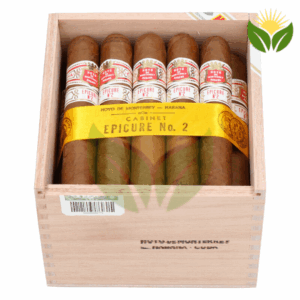
The Double Corona shows you what the Hoyo blend can do when it’s given room to develop. Shorter vitolas like the Epicure No. 2 are excellent – don’t get me wrong – but they’re more concentrated, faster-paced. The Double Corona unfolds slowly, reveals complexity in layers rather than hitting you all at once. It’s got more depth than the petit robustos, more elegance than even the Churchill-sized offerings from the line. If you’ve only smoked the smaller ring gauges, the Double Corona will surprise you with how much more nuanced the same basic tobacco blend can be. The longer format and thinner ring gauge – 49 is actually relatively slim for a Double Corona – creates this perfect ratio for flavor development.
What humidity level should I store these at?
I keep mine at 65% and they smoke beautifully. Some people go up to 68%, which is fine, but anything above 70% and you’re asking for burn problems with a cigar this long. The wrapper-to-filler ratio means you need that drier storage to maintain good combustion throughout the entire smoking experience. I learned this the hard way – stored some at 72% once and they burned like wet cardboard. Not gonna lie, I ruined three sticks before I figured out the issue. Boveda 65% packs are your friend here. And honestly, the slightly drier storage actually enhances the cedar and spice notes. Too humid and everything gets muted, muddy.
Can beginners smoke the Hoyo de Monterrey Double Corona?
Can they? Sure. Should they? Hmm, how do I put this. The strength level is manageable for beginners – that’s not the issue. The issue is the time commitment and the learning curve for appreciating subtlety. If you’re new to cigars and you jump straight into a two-hour smoke, you might not have the palate development yet to catch all the nuances that make this cigar special. You might get bored halfway through. It’s like – and I know this sounds pretentious, but hear me out – it’s like trying to appreciate a complex wine when you’re used to beer. Start with shorter Hoyos, get familiar with the flavor profile, then graduate to the Double Corona. Or ignore my advice entirely and dive in. Some people have naturally sophisticated palates. Just make sure you’ve got the time to dedicate to it and you’re not going to rush through it.
What are the main flavor notes I should expect?
The foundation is cream – that’s your baseline throughout the entire smoke. Built on top of that you’re getting cedar (more aromatic than woody), coffee with milk, subtle cocoa especially in the second and final thirds, and this gentle baking spice character – think cinnamon and nutmeg rather than black pepper. Some cigars hit you over the head with their flavors. The Hoyo Double Corona is more refined. The flavors are there but they’re integrated, they flow into each other. Through the nose you’re picking up nuts – almond mostly – and that cedar becomes more prominent. With age, all of these characteristics become more defined. The cocoa especially gets richer. But if someone tells you they’re getting strong pepper or earth from this cigar, they’re either smoking a different stick or they’ve got a very different palate than me.
Why does this cigar cost more than shorter Hoyo vitolas?
You’re paying for more tobacco – that’s the simple answer. A Double Corona requires significantly more wrapper leaf, binder, and filler than a robusto. But there’s more to it than just quantity. The wrapper leaves for longer vitolas need to be near-perfect – no major veins, no blemishes, consistent color and texture for almost eight inches. That’s harder to source than wrapper for shorter cigars. Plus the rolling is more challenging. It takes more skill to bunch and roll a Double Corona properly than it does a petit corona. The torcedores (rollers) who handle these larger formats are typically more experienced. And then there’s the simple economics – you get fewer cigars per tobacco plant when you’re rolling long formats. All that adds up. But if you break it down by smoking time per dollar, it’s actually not bad compared to burning through three robustos in the same timeframe.
My Final Take On This Smoke
Look, I’ve probably smoked fifty of these over the years – maybe more if I’m being honest. Different boxes, different years, different settings. And here’s what I keep coming back to: the Hoyo de Monterrey Double Corona is the cigar I reach for when I want to actually think about what I’m smoking. It’s not background music. It demands your attention, but it rewards you for giving it.
Is it the strongest Cuban you’ll smoke? No. Is it the most complex? Probably not. But it might be the most elegant. It’s refinement in tobacco form. And when you’re in the right mood, with the right drink, the right setting – this cigar is damn near perfect for what it’s trying to be. It’s not trying to impress you with power. It’s not showing off with exotic flavors. It’s just exceptionally well-made tobacco showcasing what the Vuelta Abajo region can produce when blended with a light touch.
If you’ve never tried one, grab a single, give it a few months rest minimum, and set aside a proper chunk of time. Don’t rush it. Don’t smoke it while distracted. This isn’t that kind of cigar. And if you find it too subtle, too mild for your tastes – that’s completely fair. Not every cigar is for every smoker. But for those of us who appreciate that creamy, cedar-forward, elegant profile that Hoyo has been perfecting for over 150 years? This Double Corona format might just be the best expression of it you’ll find.
Now if you’ll excuse me, all this writing has me wanting to dig into my humidor and fire one up.