
Description
Why the H. Upmann Petit Corona Deserves More Attention
Look, I’m just going to say it: the H. Upmann Petit Corona doesn’t get the love it deserves. While everyone’s chasing after limited edition releases and big ring gauges, this little gem sits quietly in the lineup, doing exactly what it was designed to do – deliver a classic Cuban experience in under an hour. I’ll be honest with you – I’ve been smoking these since the late 90s, and there’s something about this particular vitola that just works. Maybe it’s the nostalgia talking, but when I reach for a Petit Corona during my lunch break or before dinner, nine times out of ten, it’s this one.
Here’s the thing: not every smoking session needs to be a two-hour event. Sometimes you want that authentic Habanos character without blocking out your entire afternoon. The Petit Corona format has been around forever for a reason, and H. Upmann – one of the oldest Cuban brands, dating back to 1844 – has pretty much perfected it. But I’m getting ahead of myself. Let me walk you through what makes this cigar special.
What You’re Actually Getting: The H. Upmann Story
H. Upmann has this interesting history that most people don’t know about. Started by a German banker – yeah, a banker – who fell in love with Cuban tobacco and decided to get into the cigar business. Hermann Upmann was his name, and the guy had taste. The brand became known for this refined, elegant style that wasn’t trying to knock your head off with strength. It’s sophisticated without being pretentious, if that makes sense.
The Petit Corona sits right in that sweet spot of the H. Upmann portfolio. It’s not trying to be something it’s not. You’re getting tobacco from Vuelta Abajo – the prime growing region in Pinar del Río – wrapped up in a size that’s been popular since before any of us were born. Thing is, this cigar appeals to a specific type of smoker. If you’re someone who appreciates subtlety over power, if you’d rather taste cedar and cream than get hit with a pepper bomb, this is your wheelhouse. And if you’ve got 40 minutes instead of two hours? Even better.
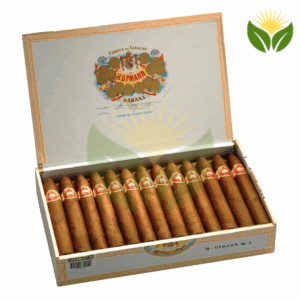
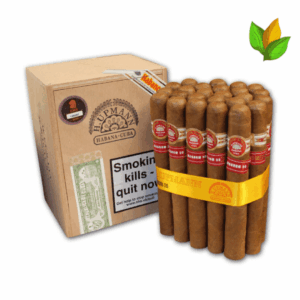
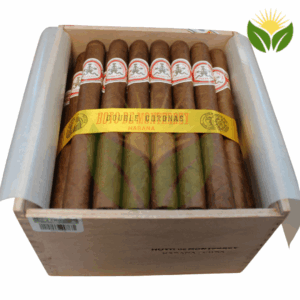
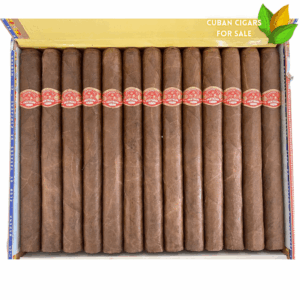
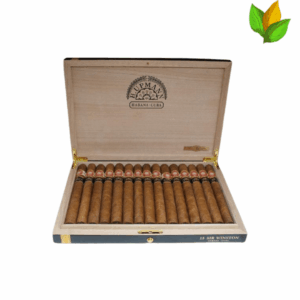
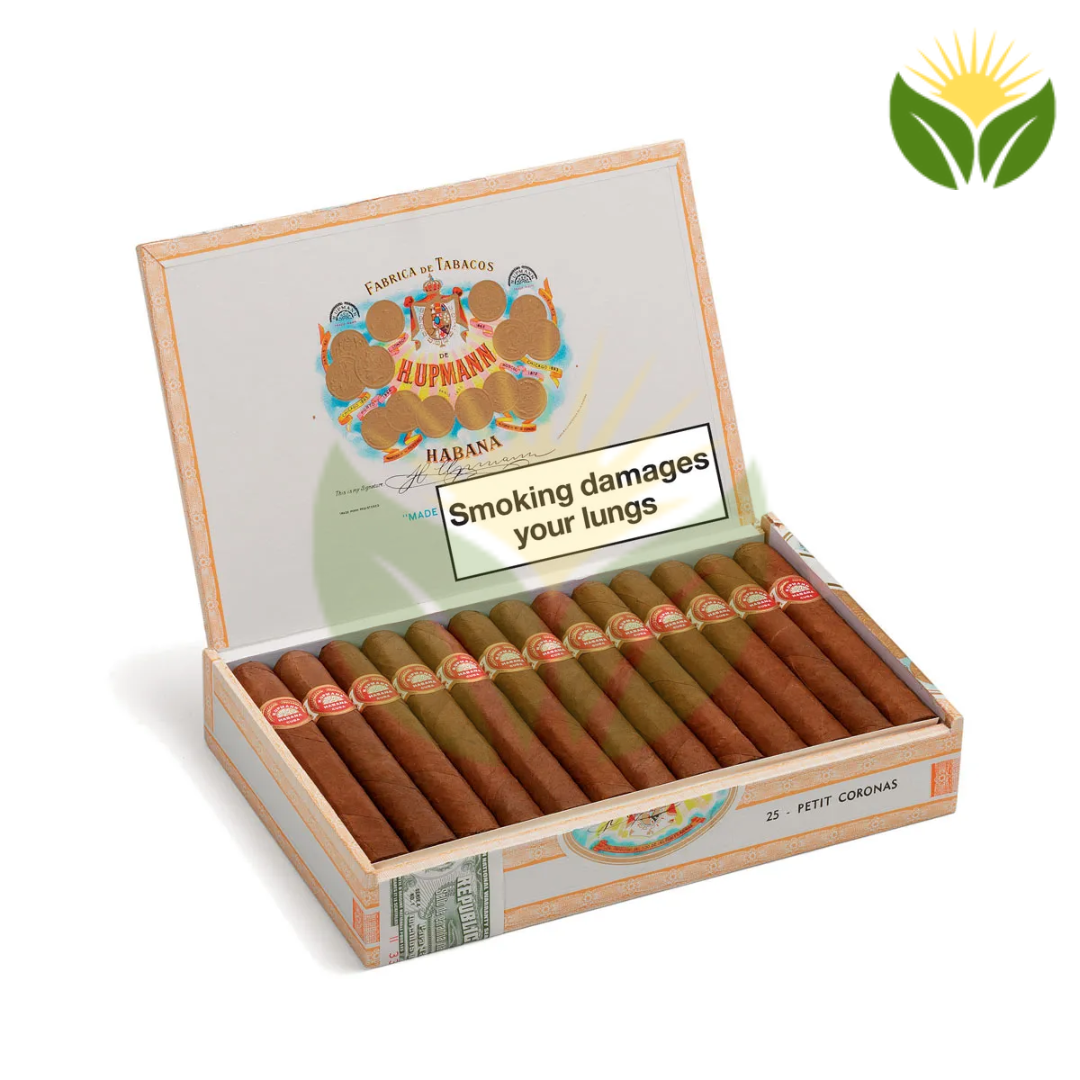
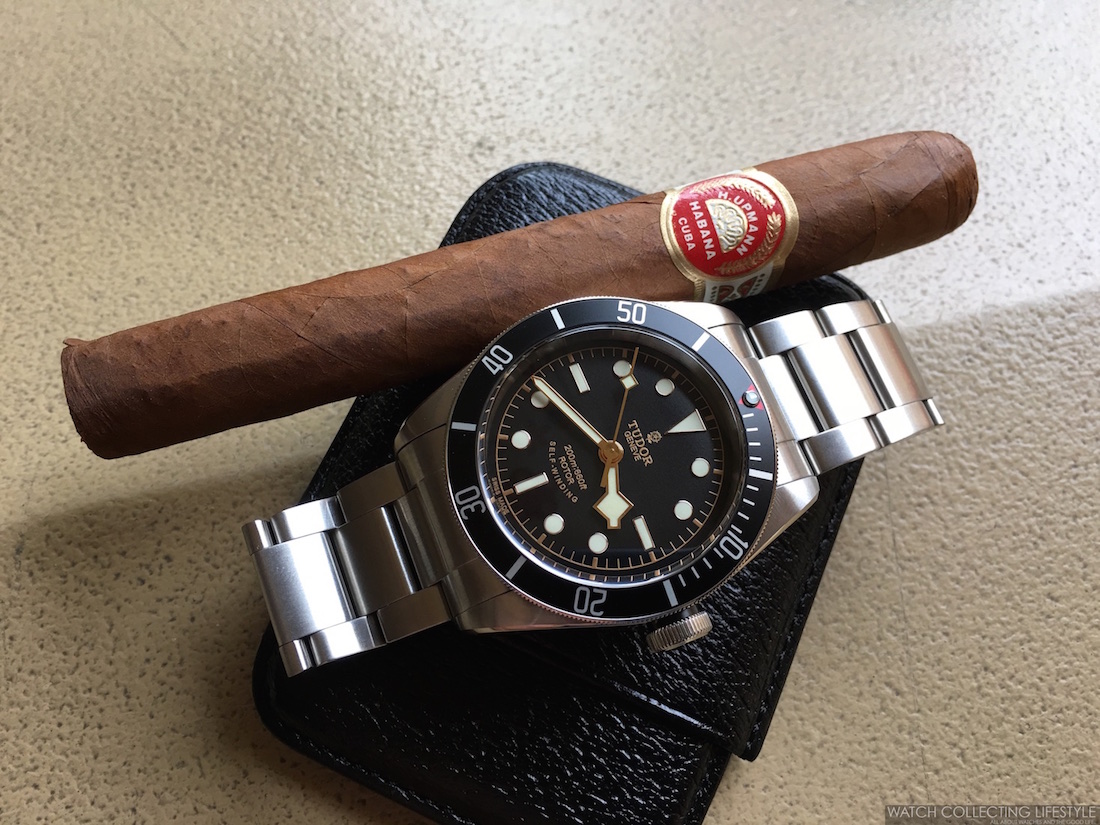
The wrapper on these has this beautiful golden-brown color – what we call colorado claro in the business. It’s oily but not greasy, smooth with just enough tooth to let you know it’s got character. The construction is what you’d expect from Habanos S.A. at their best: tight triple-cap, even bunch, firm but not hard. I’ve had boxes where every single cigar looked like it came from the same roller’s table. That consistency? That’s what you’re paying for with Cuban cigars, when they get it right.
The Technical Stuff (Because It Matters)
| Specification | Details |
|---|---|
| Vitola | Petit Corona |
| Length | 5 inches / 127 mm |
| Ring Gauge | 42 |
| Wrapper | Cuban (Vuelta Abajo) |
| Binder | Cuban |
| Filler | Cuban long filler blend |
| Strength | Mild to Medium |
| Smoking Time | 35-45 minutes |
That 42 ring gauge is crucial, by the way. I know we’re living in an era where everyone wants 60-ring monsters, but hear me out: the smaller ring gauge gives you a higher wrapper-to-filler ratio, which means you’re tasting more of that beautiful Vuelta Abajo wrapper leaf. The flavor concentration is different – more focused, more refined. It’s like the difference between a double espresso and a grande latte. Both have their place, but one is definitely more intense per square inch.
What It Actually Tastes Like (The Real Experience)
Okay, so you’ve cut it, toasted the foot, and you’re ready to light up. The cold draw – and I always check the cold draw – gives you this preview of what’s coming: hay, maybe a touch of honey sweetness, and that classic Cuban twang that’s hard to describe but impossible to mistake. Not a ton of resistance, but not loose either. Just right.
First third hits you with cedar immediately. And I don’t mean generic “woody notes” – I’m talking about that specific Spanish cedar you smell when you open a well-maintained humidor. That afternoon in Havana when I visited the Partagás factory? That’s the smell. There’s a creaminess underneath that cedar, almost like fresh butter, with just enough white pepper on the retrohale to remind you this is tobacco, not a dessert. The burn line stays pretty even if you’re not rushing it – and don’t rush it, for the love of God. This isn’t a cigar you power through.
The ash holds for about an inch before it drops, nice and white-gray, which tells you the tobacco was properly aged and the soil had good mineral content. I’m not one of those guys who tries to hold the ash for the entire cigar – that’s just showing off – but a solid inch is a good sign. The smoke production is generous without being overwhelming. Thick, creamy clouds that hang in the air.
Second third is where it gets interesting. The cedar backs off just a touch, and you start picking up some coffee notes – not espresso, more like a medium roast with cream. There’s this cocoa thing happening too, subtle but definitely there. The pepper increases slightly, probably a 3 out of 10 if we’re scoring it. The strength creeps up from mild to what I’d call a solid medium, but it never gets aggressive. My buddy Carlos – guy’s been smoking Cubans longer than I have – he always says the H. Upmann profile is “the gentleman’s smoke,” and yeah, I get it. There’s nothing rough or unpolished about this experience.
Here’s where some people mess up: they expect the final third of every cigar to be this flavor bomb. With the Petit Corona, the final third is more about refinement than intensity. The coffee notes deepen, you get a bit more earth, maybe some leather if your palate’s dialed in. The creamy texture stays consistent – actually, scratch that – it might even get creamier. The strength peaks at medium but never crosses into “I need to sit down” territory. No harshness, no bitterness, no ammonia (which would indicate young tobacco). It’s a clean finish that doesn’t overstay its welcome.
The retrohale – and if you’re not retrohaling, you’re missing half the experience – gives you the full aromatic profile. That cedar-cream-coffee combination with just a whisper of cocoa and spice. Some cigars get harsh when you retrohale them. Not this one. It’s smooth all the way down to the nub, which I usually smoke until it’s too hot to hold. No joke, I’ve burned my fingers more than once on these because I didn’t want to put them down.
How It Stacks Up Against Similar Smokes
| Cigar | Strength | Smoking Time | Best For |
|---|---|---|---|
| H. Upmann Petit Corona | Mild-Medium | 35-45 min | Refined daytime smoke, cedar and cream lovers |
| Romeo y Julieta Petit Corona | Mild | 30-40 min | Lighter alternative, morning smoke |
| Partagás Serie D No. 5 | Medium-Full | 40-50 min | When you want more punch, evening smoke |
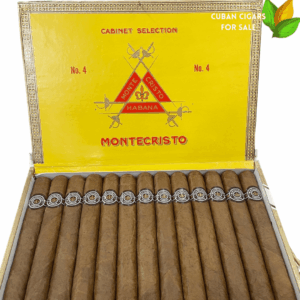
| Montecristo No. 4 | Medium | 40-50 min | Classic Cuban experience, all-day smoke |
Real talk: if you’re trying to decide between the H. Upmann Petit Corona and the Montecristo No. 4, you’re comparing two of the best petit coronas Cuba produces. The Monte has a bit more body and that signature earthiness, while the H. Upmann leans more toward elegance and cream. Both are excellent. The Romeo is milder – sometimes too mild for my taste, honestly – and the Partagás is a different animal entirely, more rustic and powerful. Between you and me, I keep all four in my humidor because they serve different purposes, but the H. Upmann gets smoked most frequently.
What to Drink With It (This Actually Matters)
I’ve tried this cigar with everything from coffee to bourbon, and here’s what works: a proper Cuban coffee – cortadito or café con leche – is phenomenal with the H. Upmann Petit Corona in the morning or early afternoon. The coffee echoes those natural coffee notes in the tobacco without overwhelming them.
For spirits, I’m reaching for a lighter rum – Havana Club 7 Añejo or even the 3 Años if it’s before dinner. Nothing too heavy or sweet. A smooth, aged rum complements that creamy character beautifully. Whisky-wise? A Highland Scotch, something like Glenmorangie 10 or Dalwhinnie 15. Nothing peaty – that would bulldoze the subtle flavors you’re paying for. And look, I know some people pair everything with bourbon, but honestly, most bourbons are too aggressive for this particular cigar. Maybe a wheated bourbon like Maker’s Mark if you must, but proceed with caution.
Champagne works. Yeah, I said it. A Brut champagne or a good Cava with this cigar during a celebration? Outstanding combination. The acidity and bubbles cleanse your palate between puffs, and the yeasty notes play nicely with that cedar and cream profile. It’s a special occasion pairing, but man, it works.
Time and place: this is your lunch break cigar, your before-dinner aperitif smoke, your “I’ve got 45 minutes to myself” cigar. It’s not a heavy after-dinner cigar – save the Cohiba Esplendidos and Partagás Lusitanias for that. This is refined relaxation, not food-coma contemplation.
Aging These: My Experience
Okay, so here’s where opinions differ. Some people smoke Cuban cigars fresh, and honestly, that’s usually a mistake. The H. Upmann Petit Corona benefits from aging, but – and this is important – it doesn’t need a decade in your humidor to be good. I’ve found the sweet spot is somewhere between one and three years of proper rest at 65-68% humidity.
Fresh box (less than six months of age): You’ll get the flavors I described, but they might be a bit sharp, maybe some ammonia if you’re unlucky. The cream and cedar are there, but the integration isn’t complete. Still smokeable, definitely enjoyable, but not optimized.
One to three years: This is it. This is where the magic happens. Everything mellows and marries together. The cedar becomes more refined, the cream gets richer, those coffee and cocoa notes become more prominent. The construction seems to improve too – better burn, more consistent smoke production. I’m probably biased here, but I think two years is the perfect age for these.
Five-plus years: I’ve smoked these with serious age on them – had a 2010 vintage last year that was exceptional. The flavors become more subtle but also more complex. You lose some of the pepper entirely, gain more sweetness, the cedar transforms into something almost floral. It’s a different experience, not necessarily better or worse, just different. If you’ve got the patience and the storage space, aging a box for the long haul is worth the experiment.
Storage matters more than people think. Keep them at 65-67% relative humidity, around 65-68°F if you can manage it. Too humid and they get mushy and don’t burn right. Too dry and you lose that creamy texture and the wrapper might crack. Cuban cigars are fussier than their New World cousins about this stuff.
Common Questions People Actually Ask Me
Is the H. Upmann Petit Corona too mild for experienced smokers?
Not gonna lie, I get this question a lot, and it bugs me. “Mild” doesn’t mean “boring” or “for beginners only.” The H. Upmann Petit Corona is mild to medium in strength, but the flavor complexity is absolutely there for experienced palates. I’ve been smoking cigars for 30 years, and I reach for these regularly. Strength and flavor are two different things. This cigar has nuance, subtlety, and refinement – qualities that actually require some experience to fully appreciate. If you only smoke full-strength cigars, then yeah, maybe this isn’t your speed. But dismissing it as “too mild” is missing the point entirely.
How does this compare to the H. Upmann Half Corona?
The Half Corona is smaller – 3.5 inches versus 5 inches – and it’s a quicker smoke, maybe 20-25 minutes. Same flavor family, but the Petit Corona gives you more time to explore the progression and complexity. The Half Corona is great for a really quick smoke, but you don’t get that full development through three distinct thirds. Think of it like this: the Half Corona is a short story, the Petit Corona is a novella. Both from the same author, similar themes, but one has more room to develop the plot. I keep both in my humidor for different situations, but if I had to choose just one, it’s the Petit Corona every time.
Should I buy a box or try singles first?
Here’s the thing – if you’re new to Cuban cigars or the H. Upmann brand, grab a five-pack or a few singles first. Not every cigar is for every person, and Cuban cigars can vary box to box, year to year. That said, if you already know you like classic Cuban profiles – cedar, cream, medium body – then buying a box makes sense because these benefit from aging together. I’ve never regretted buying a box of these, but I also knew what I was getting into. Test the waters first, then commit to a box if it clicks with your palate. Just make sure you’re storing them properly if you do buy a box.
What’s the best time of day to smoke this cigar?
I smoke these most often in late morning or early afternoon, maybe with a coffee or after lunch. The mild-to-medium strength means it’s not going to knock you on your butt if you smoke it on a relatively empty stomach. That said, it’s versatile enough for pre-dinner too. I wouldn’t choose it as my after-dinner, post-steak cigar – that’s when I want something fuller-bodied. But from 10 AM to about 6 PM? This cigar is in play. I’ve got a buddy who swears by these as morning smokes with his first coffee of the day, and honestly, I can’t argue with that approach either. It’s a daytime cigar, basically.
Do these need to rest after shipping?
Absolutely yes. Look, I don’t care how well-packaged they arrive, Cuban cigars need time to recover from shipping stress. Minimum two weeks in your humidor at proper humidity before you even think about lighting one up. A month is better. They’ve gone through temperature fluctuations, humidity changes, physical jostling – they need to stabilize. I’ve made the mistake of smoking cigars too soon after receiving them, and it’s always disappointing. Tight draw, uneven burn, muted flavors. Give them time. Your patience will be rewarded. If you can’t wait a month, at least give them two weeks. But seriously, wait the month.
Are there fake H. Upmann Petit Coronas out there?
Unfortunately, yes. H. Upmann is one of the brands that gets counterfeited, though maybe not as heavily as Cohiba or Montecristo. Buy from authorized dealers only – I can’t stress this enough. Check the Habanos authentication features: the holographic seal, the box codes, the construction quality. Real H. Upmanns have excellent construction with minimal soft spots, proper triple caps, and that distinctive aroma. If the deal seems too good to be true, it probably is. I’ve seen fakes that looked pretty convincing on the outside, but the moment you cut one open, the short filler and floor scraps are obvious. Don’t get burned trying to save a few bucks. Stick with reputable sources.
What makes the Vuelta Abajo wrapper special on this cigar?
Vuelta Abajo is the premier tobacco-growing region in Cuba – has been for over a century. The soil, the microclimate, the morning fog followed by hot sun – it all contributes to tobacco that’s more complex and refined than other regions. The wrapper leaf from Vuelta Abajo tends to be silkier, more elastic, with better natural oils and sweeter characteristics. On the H. Upmann Petit Corona, that wrapper is what gives you those cedar and cream notes right from the start. It’s not just decoration – the wrapper contributes a huge percentage of the flavor profile, especially in smaller ring gauges like this. When you’re smoking a properly aged H. Upmann with that Vuelta Abajo wrapper, you’re tasting terroir, tradition, and craftsmanship all in one package. It’s what separates Cuban cigars from everything else, honestly.
Final Thoughts From Someone Who’s Smoked Too Many of These
Look, I’m not going to tell you this is the greatest cigar ever made. That’s not what it’s trying to be. But what it is, is a reliable, refined, beautifully constructed classic Cuban smoke that delivers exactly what it promises: cedar, cream, coffee, cocoa, and about 40 minutes of pure enjoyment. No drama, no surprises, no disappointments – just quality tobacco rolled well and aged properly.
I genuinely don’t understand why more people don’t talk about this cigar. Maybe it’s because it’s not flashy. No limited edition labels, no special bands, no marketing hype. It’s just there, doing its job, being excellent in a quiet, understated way. That’s very H. Upmann, actually. The brand has always been like that refined gentleman at the cigar lounge who doesn’t need to tell everyone about his collection – you just know he’s got good taste.
If you appreciate subtlety over strength, refinement over raw power, and you want a cigar that respects your time without rushing you, the H. Upmann Petit Corona deserves a spot in your rotation. Age them if you can. Pair them thoughtfully. Smoke them slowly. You’ll see what I mean.