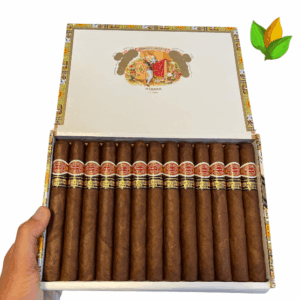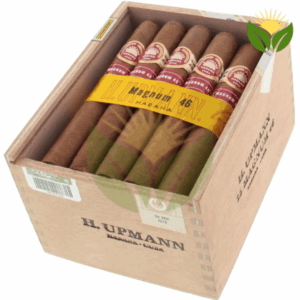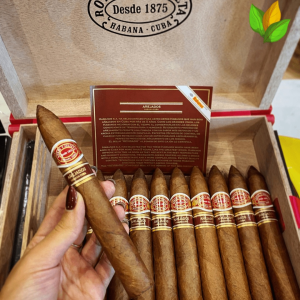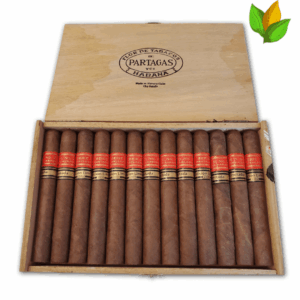

Description
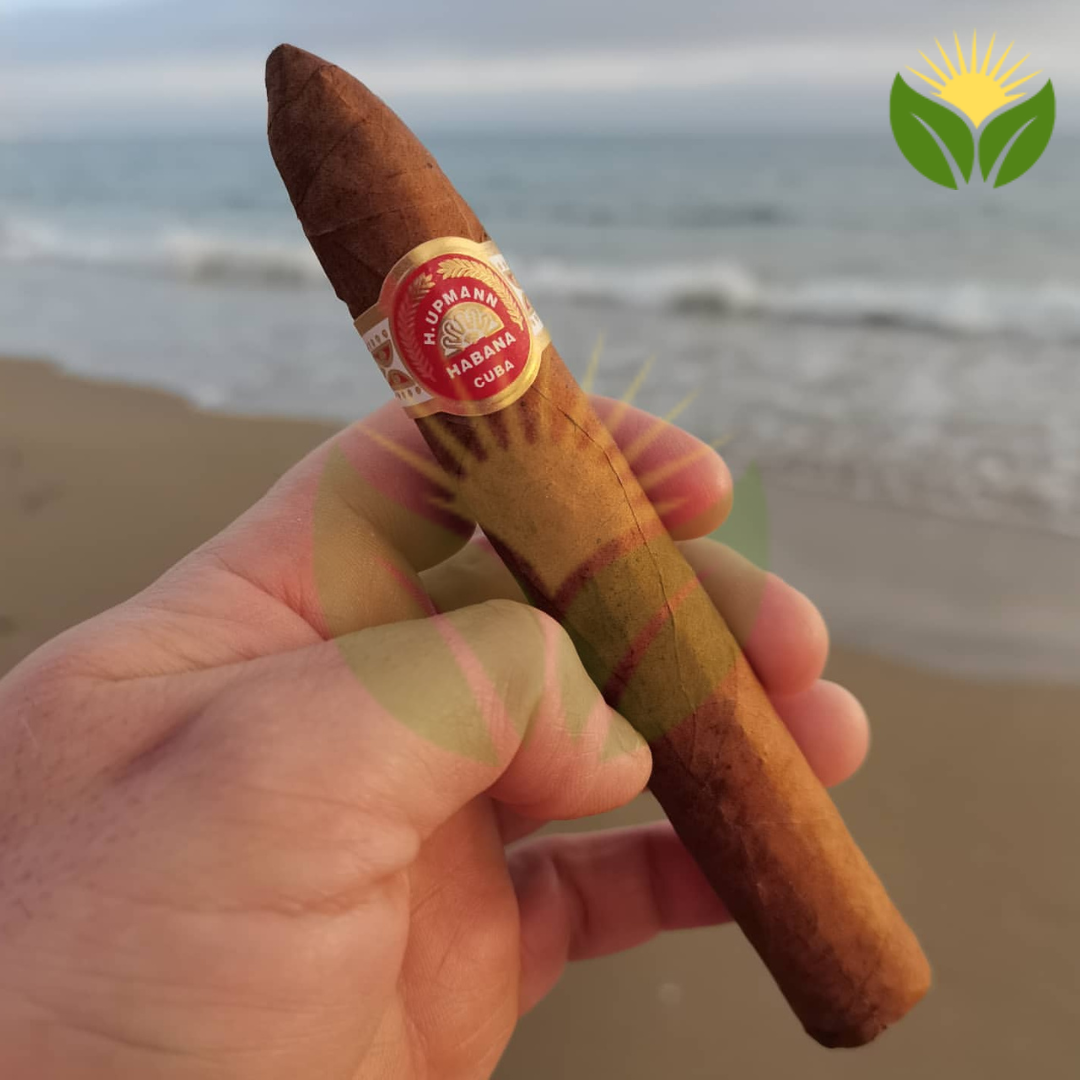
The leather chair creaked as I settled back, the torpedo-shaped Cuban resting between my fingers like a familiar weight. Its oily wrapper caught the amber light from the lounge window, and I could smell that distinctive Cuban earthiness before even bringing it to my nose. The anticipation was almost as satisfying as what I knew would follow – sixty minutes of pure indulgence with one of Cuba’s most reliable offerings.
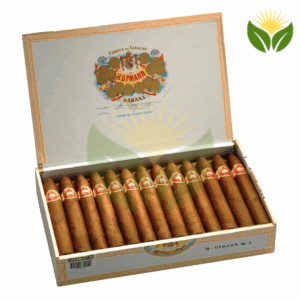
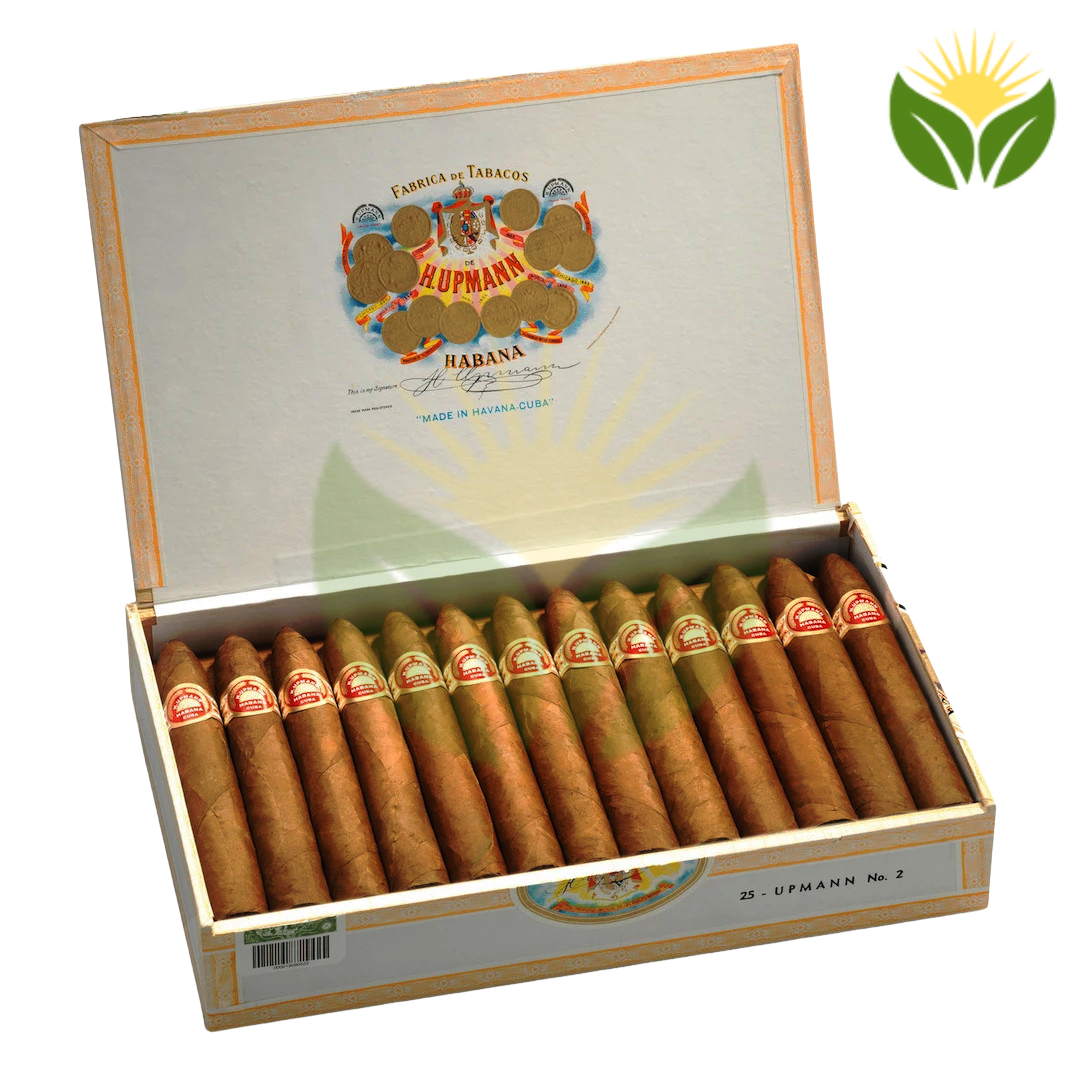
This isn’t just another premium smoke. It’s the H. Upmann No. 2, a cigar that’s earned its reputation through decades of consistent excellence. While other Cuban brands sometimes disappoint, this Pirámides vitola delivers a fully engaging experience that builds beautifully from first light to final draw.
Technical Specifications
| Length | 6⅛ inches (156 mm) |
| Ring Gauge | 52 |
| Vitola | Pirámides (Torpedo) |
| Strength | Medium |
| Smoking Time | Approximately 60 minutes |
| Wrapper | Cuban (Vuelta Abajo) |
Construction and Appearance
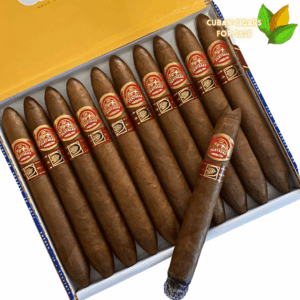
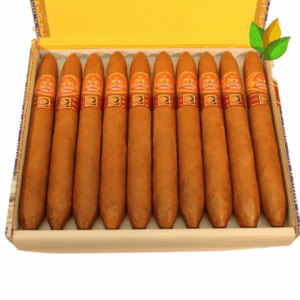
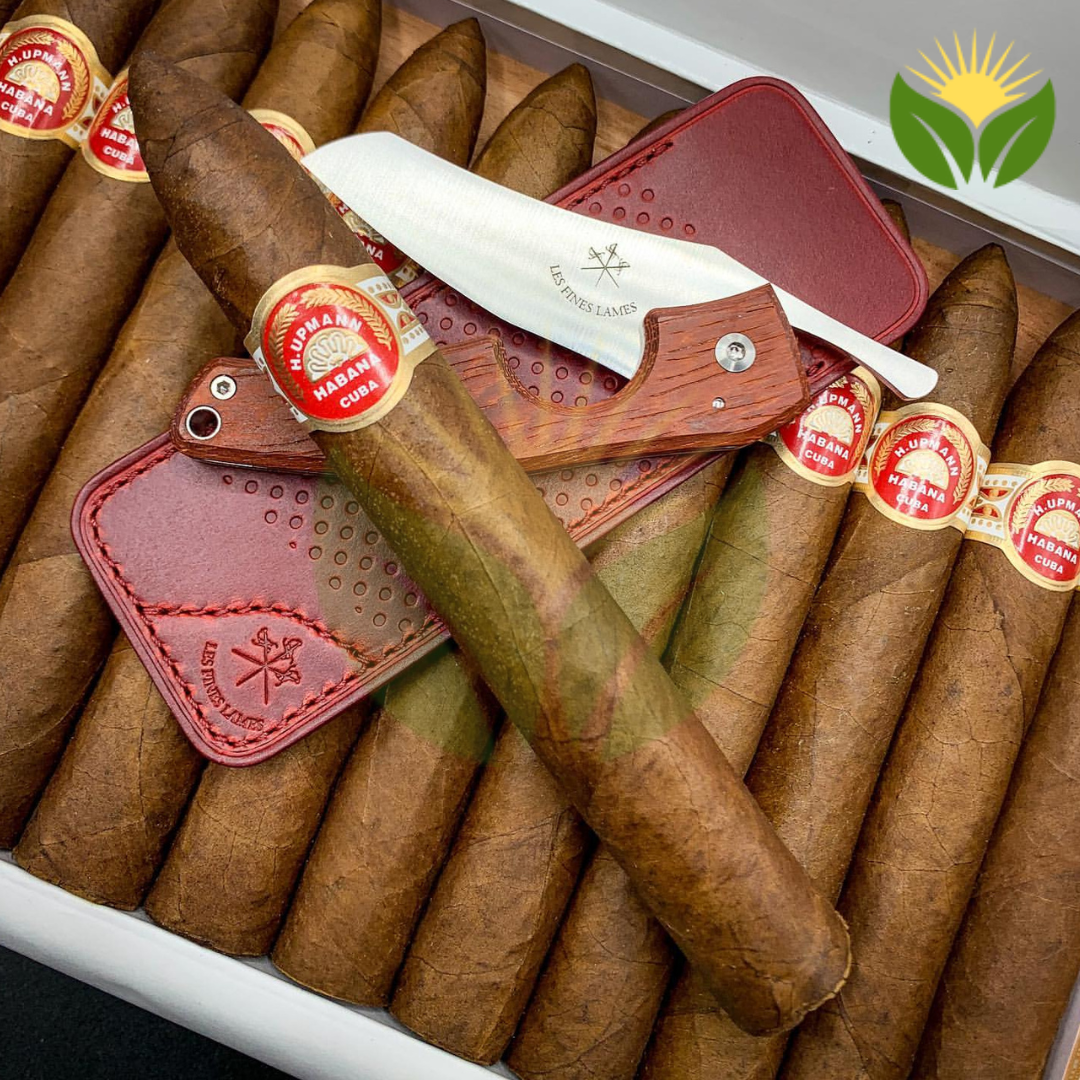
The moment you pick up an authentic H. Upmann No. 2, you’ll notice its substantial weight. This isn’t a delicate smoke – it’s built like the premium Cuban it is. The wrapper displays that characteristic oily sheen that comes from tobacco grown in the renowned Vuelta Abajo region, with minimal veining and a rich, medium-brown color.
I’ve always appreciated how evenly these cigars are rolled. The torpedo shape tapers beautifully to a pointed cap, and the construction feels firm without being overpacked. When you bring it to your nose, you’ll detect woody, earthy aromas with hints of barnyard – that unmistakable Cuban terroir that sets these apart from any Dominican or Nicaraguan offering.
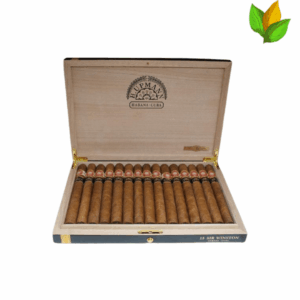
The band itself is a work of art, featuring the classic H. Upmann design with gold lettering on red and white backgrounds. It’s worth noting that the packaging on recent releases has maintained the traditional styling, though some collectors prefer boxes from certain years for their unique characteristics.
Flavor Profile: A Journey Through Three Acts
Opening Third: The Gentle Introduction
The first inch introduces you to medium-bodied flavors that never overwhelm. I typically get clean notes of cedar and tea, accompanied by subtle fruit undertones and a hint of roasted nuts. There’s a gentle black pepper spice that tingles the palate, but it’s restrained – this isn’t a cigar that slaps you across the face.
What I love about this opening is how slowly it burns. The combustion is even and deliberate, giving you time to appreciate each draw. Some fresh releases can be a bit tight initially, but once they settle in, the draw becomes perfect.
Second Third: Where Magic Happens
Here’s where the H. Upmann No. 2 truly shines. The flavors become sweeter and more complex, with fruit notes becoming more pronounced. I often detect hints of apple or pear, balanced by emerging floral characteristics that add elegance to each puff.
The smoke develops a mouth-filling texture that’s incredibly satisfying. The harshness from the first few draws completely disappears, replaced by a smoothness that makes this cigar accessible to both newcomers and veterans. The richness builds without becoming overwhelming – it’s perfectly calibrated.
Final Third: The Grand Finale
The last portion is where this cigar shows its Cuban pedigree. Bold leather notes emerge, accompanied by cocoa and warming spices like nutmeg and cinnamon. I’ve noticed hints of salted peanuts in well-aged examples, along with an intensifying floral balance that keeps the strength in check.
Unlike some Cuban cigars that can become harsh in the final third, the H. Upmann No. 2 maintains its composure. The nicotine builds gradually, providing satisfaction without the punch that might overwhelm less experienced smokers.
Perfect Pairings
In my experience, this cigar pairs beautifully with single malt whiskeys. I particularly enjoy it with Lagavulin or Bowmore Port Wood Finish – the smoky, peated flavors complement the cigar’s earthy notes without competing. The excellent reliable whiskey character of these Islay malts matches the medium strength perfectly.
For cocktail enthusiasts, try pairing it with a Penicillin. The honey-ginger sweetness and smoky Scotch base create a room-filling aroma when combined with the cigar’s woody notes. The combination is nothing short of magical.
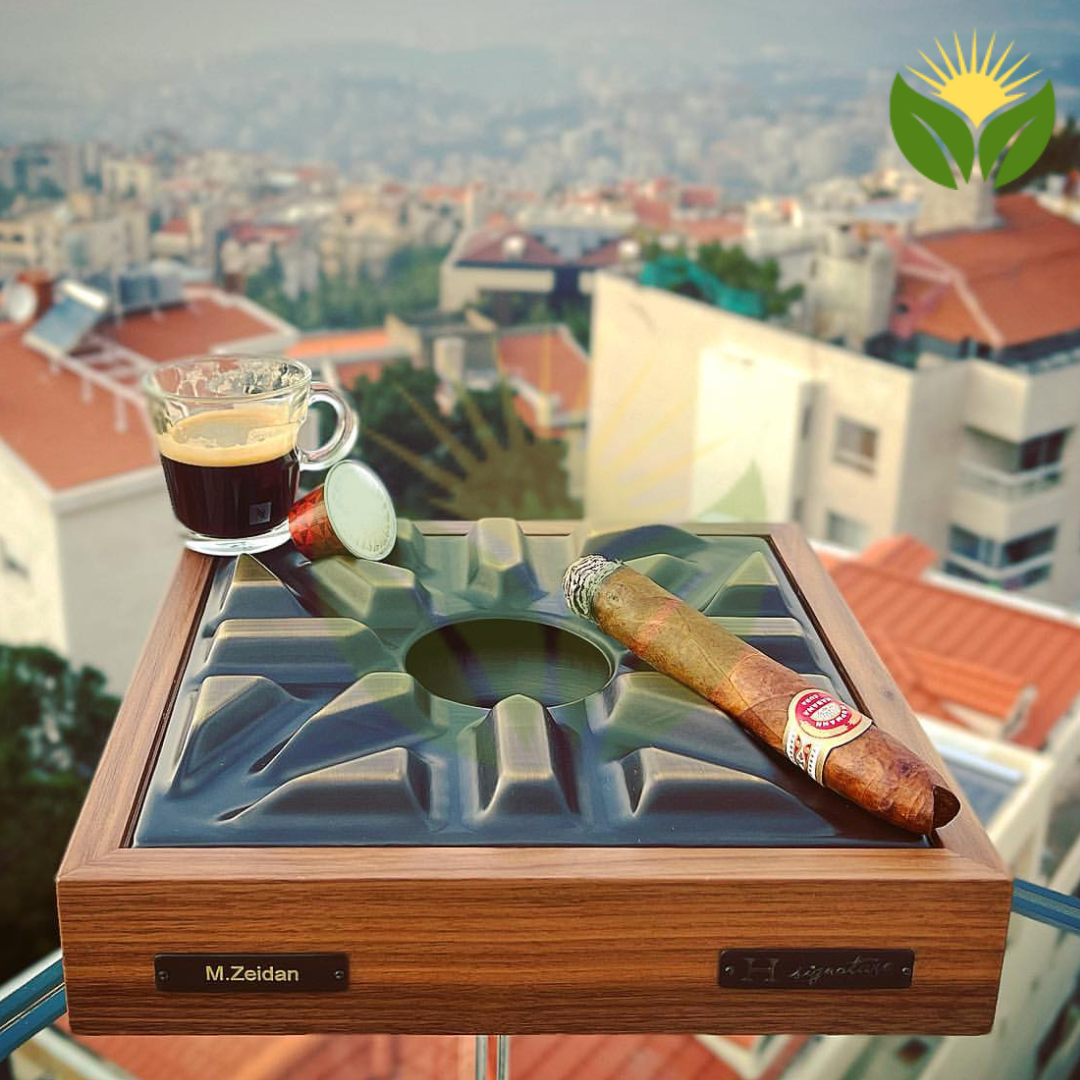
Coffee works wonderfully too, especially darker roasts with toasty characteristics. I’ve found that Cuban coffee, if you can source it, provides very pleasant sweet notes that echo the cigar’s fruit undertones.
Who Should Smoke This Cigar?
The H. Upmann No. 2 is incredibly versatile. New cigar enthusiasts will appreciate its medium strength and smooth progression, while experienced smokers value its complexity and reliability. This isn’t a cigar that demands years of experience to appreciate – it’s immediately rewarding.
I’d recommend it for special occasions when you have a full hour to dedicate to the experience. Business dinners, celebrations, or quiet evening contemplation – this cigar adapts to the moment. The torpedo shape also makes it an excellent conversation piece in social settings.
For those building a Cuban collection, this should be a cornerstone selection. It’s more approachable than a Cohiba or complex Montecristo, but delivers genuine Cuban character that lesser brands can’t match.
Cutting and Lighting Technique
The torpedo tip requires careful attention when cutting. I use a sharp guillotine cutter and remove just enough of the cap to open the draw – usually about 1/8 inch. Cut too much and you’ll risk unraveling the wrapper.
For lighting, take your time with a butane torch or cedar strips. The tapered head needs even heating to establish proper combustion. I rotate the cigar slowly while toasting the foot, then take gentle draws to establish an even burn line.
Don’t rush this process. The H. Upmann No. 2 rewards patience in the lighting ritual, and proper technique ensures you’ll get the full flavor development throughout the smoke.
Storage and Aging
Maintain these cigars at 70% relative humidity and 70°F temperature for optimal preservation. I store mine in a dedicated humidor section because the oily wrapper is particularly sensitive to humidity fluctuations.
The aging potential is exceptional. Fresh releases are excellent, but cigars with 2-5 years of proper storage develop incredible complexity. The fruit notes become more pronounced, while harsh edges completely smooth out. I’ve smoked examples from the late 90s that were absolutely transcendent.
For long-term storage, consider investing in a quality humidor setup. Proper humidor management is crucial for preserving these premium cigars, and the investment pays dividends in flavor preservation.
Check out our guide on preserving cigar freshness for detailed storage techniques that will keep your H. Upmann collection in perfect condition.
Authenticity: Avoiding Counterfeits
Unfortunately, the popularity of H. Upmann cigars has led to counterfeiting, though they’re targeted less frequently than Montecristo or Cohiba. Here’s what to look for in authentic examples:
Genuine H. Upmann No. 2 cigars have a substantial, weighty feel and even appearance. The wrapper should be oily with a woody nose – never dry or odorless. Check for the official Habanos S.A. band with proper hologram seals and precise labeling.
Box codes and dates are crucial authentication tools. Recent releases from May 2022, for example, carry specific factory codes that can be verified. Always purchase from authorized dealers who can provide provenance documentation.
Fake cigars typically have uneven construction, poor draw characteristics, and off-putting aromas. The craftsmanship standards of genuine Cuban factories are difficult to replicate, so trust your instincts if something feels wrong.
Frequently Asked Questions
How does the H. Upmann No. 2 compare to other premium Cuban cigars?
The H. Upmann No. 2 offers more approachable complexity than a Cohiba Siglo series and more consistent quality than many Montecristo releases. It’s less intense than Romeo y Julieta’s full-bodied offerings but more sophisticated than basic H. Upmann coronas. Think of it as the perfect middle ground in Cuban premium cigars.
What’s the best age for smoking these cigars?
Fresh releases are enjoyable immediately, but 2-3 years of aging really allows the flavors to marry beautifully. I’ve found the sweet spot to be around 3-5 years, when the fruit notes reach their peak while maintaining the cedar and earth characteristics. Beyond 10 years, they can become quite mellow – still excellent, but different.
Can beginners handle the strength level?
Absolutely. The medium strength builds gradually over the 60-minute smoking time, making it manageable for newcomers who smoke slowly. Unlike some Cuban cigars that hit hard immediately, the H. Upmann No. 2 allows you to gauge your tolerance as you progress through the thirds.
Why is this cigar sometimes discontinued or hard to find?
Cuban cigar availability fluctuates based on tobacco harvests, factory production schedules, and export allocations. The H. Upmann No. 2 isn’t permanently discontinued, but certain years or limited edition releases may sell out quickly. This is normal for premium Cuban cigars and adds to their collectible nature.
What makes the torpedo shape special compared to other vitolas?
The torpedo or Pirámides shape concentrates flavors initially, then opens up as you progress toward the larger ring gauge. This creates a natural flavor progression that’s more dramatic than straight-sided cigars. The tapered head also makes for an elegant smoking experience and impressive presentation.
For those interested in exploring more about Cuban cigar craftsmanship and our selection process, visit our about page to learn how we source and authenticate these exceptional cigars.