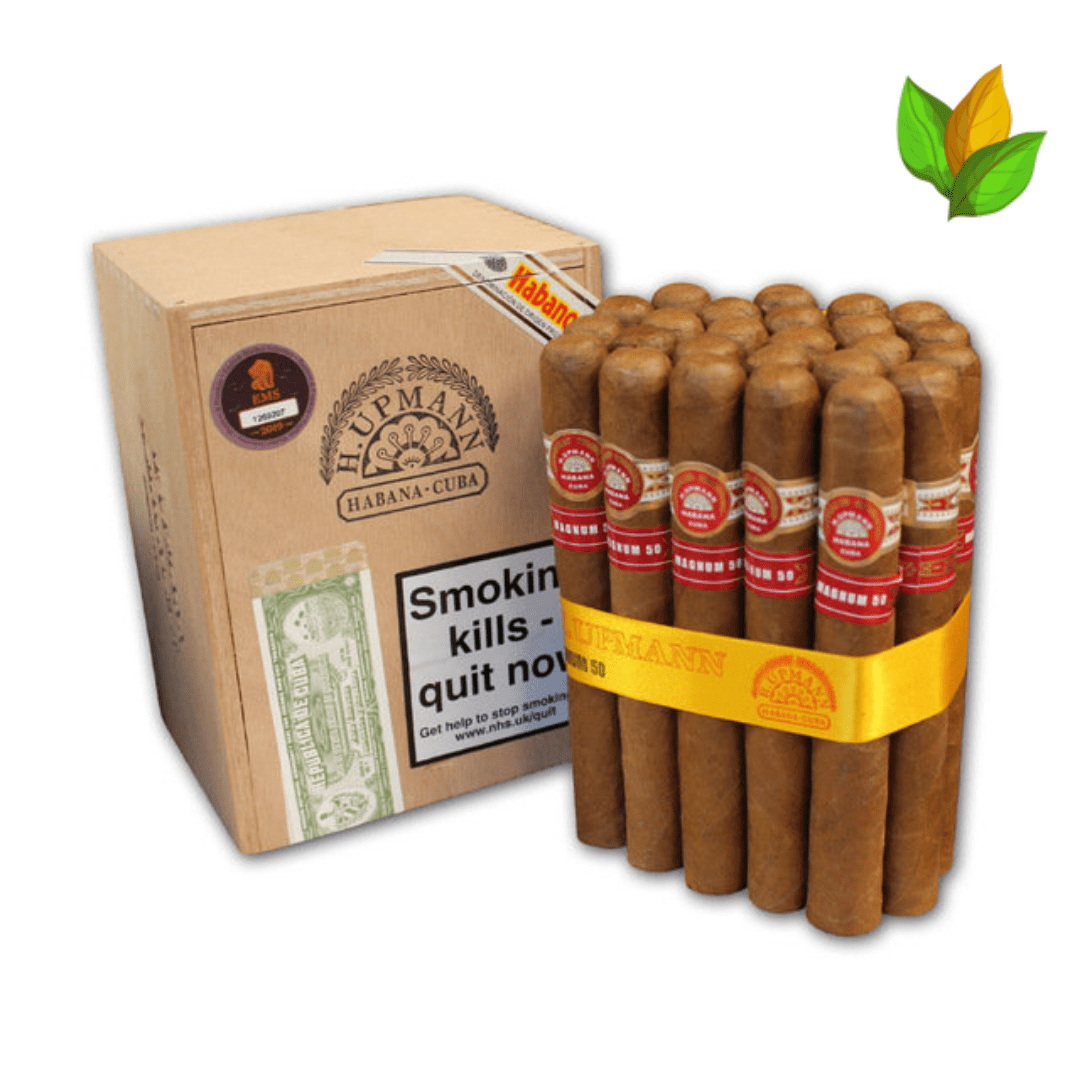

Description
The late afternoon light filtered through the cigar lounge’s venetian blinds as I reached for what would become one of my most memorable smoking experiences. The weight of it surprised me—substantial, confident in my palm like a well-crafted tool. I’d heard whispers about this particular stick from fellow aficionados, but nothing prepared me for that first gentle squeeze of the wrapper, the way it gave just enough to promise perfection without betraying any weakness.
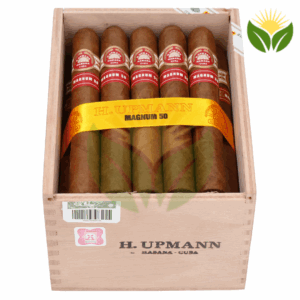
That was my introduction to the H Upmann Magnum 50, and honestly, it set a standard I still chase today. There’s something about holding a proper Cuban robusto that makes you slow down, makes you appreciate the moment before the first light. The anticipation builds as you examine the triple cap, run your fingers along the smooth wrapper, and catch that unmistakable aroma of aged tobacco that only comes from the Vuelta Abajo region.
Specifications
| Length | 6 1/4 to 6 3/8 inches (160-162mm) |
| Ring Gauge | 50 |
| Vitola | Double Robusto |
| Strength | Mild to Medium (builds to Medium-Full) |
| Smoking Time | 60-90 minutes |
| Origin | Cuba (Vuelta Abajo wrapper, binder, filler) |
Flavor Profile Journey
What makes this Upmann Magnum special isn’t just its impressive size—it’s the way the flavor evolves throughout your smoking time. I’ve found that each third offers something distinctly different, creating what feels like three separate experiences wrapped in one beautiful package.
First Third: The Gentle Introduction
The opening draws reveal why H Upmann has maintained its reputation for elegance. You’ll notice a lovely balance of graham cracker sweetness with just a hint of salt on the palate. There’s a subtle earthiness reminiscent of damp hay and forest mushrooms that grounds the experience without overwhelming newcomers to Cuban cigars. Some sticks show slight pepper notes early on, but it’s never aggressive—more like a gentle reminder that you’re smoking something with character.
I’ve also picked up woody notes and cocoa undertones in particularly well-aged examples. The really delicious aspect of this opening phase is how approachable it feels, even to those more familiar with milder coronas or Connecticut-wrapped cigars.
Middle Third: Where Magic Happens
This is where the Magnum 50 truly shines, and why I keep coming back to this vitola. The caramel sweetness that emerges around the halfway point transforms the entire experience. It’s like someone stirred honey and cinnamon into the smoke, creating layers of complexity that remind me of a perfectly spiced gingersnap cookie.
The body builds to a solid medium during this phase, introducing notes of vanilla, rustic leather, and stone fruits—particularly apricot and peach. There’s a nuttiness, almost almond-like, that weaves through everything. The spice becomes more pronounced on your tongue, but it’s balanced beautifully by the sweetness. This middle section typically lasts 20-25 minutes of the total smoking time, and honestly, I sometimes wish it would go on longer.
Final Third: The Bold Conclusion
The last third marks a significant shift in character. The vegetal and woody notes take center stage, and the strength ramps up considerably—sometimes catching inexperienced smokers off guard. This is where the Magnum 50 reminds you it’s a serious Cuban cigar, not just a mild afternoon smoke.
The spice becomes more dominant, and there’s often some heat that builds toward the nub. I’ve learned to slow down my puffing rhythm during this phase to keep temperatures manageable. While some might find this final act too strong, I appreciate the complexity it adds to the overall experience. It’s like the cigar is saving its most intense notes for last, ensuring you remember this smoke long after you set it down.
Construction and Appearance
The construction quality on these fabulous cigars consistently impresses me, which isn’t always a given even with Cuban premiums. The wrapper shows that beautiful Colorado shade typical of quality Vuelta Abajo tobacco, with minimal veins and an oily sheen that catches the light perfectly.
Running your fingers along the wrapper reveals excellent density without any soft spots or overpacking. The triple cap is executed flawlessly—a small detail that speaks to the craftsmanship coming out of the Cuban factories. When you examine the foot, you’ll notice the blend of filler leaves arranged in what appears to be a thoughtful pattern, though I’m careful not to get too scientific about it.
The draw typically opens up beautifully after a proper cut, providing just enough resistance to concentrate the flavors without making you work for every puff. I’ve rarely encountered construction issues with this vitola, which makes it reliable for special occasions when you don’t want to gamble on quality.
Who Should Smoke This Cigar
In my experience, the Magnum 50 serves as an excellent bridge cigar for several different smoking situations. If you’re relatively new to Cuban cigars but have some experience with medium-bodied smokes, this represents a perfect step up from milder options. The approachable opening third won’t overwhelm your palate, while the building complexity keeps things interesting.
For experienced aficionados, this works beautifully as an afternoon or early evening smoke, especially when you want something substantial without the full commitment of a Churchill or Double Corona. The 60-90 minute smoking time makes it ideal for longer business meetings, golf rounds, or those unhurried weekend moments when you can properly savor the experience.
I wouldn’t recommend starting absolute beginners on this cigar—the final third can be too intense for completely inexperienced palates. However, if you’ve enjoyed other H Upmann vitolas or comparable Cuban classics like certain Montecristo offerings, you’ll likely appreciate what this double robusto brings to the table.
The occasions where this cigar truly shines include celebrations, contemplative solo sessions, and sharing with friends who appreciate quality tobacco. It’s special enough to mark important moments but approachable enough not to intimidate guests who might be less experienced with Cuban cigars.
Perfect Timing
This Cuban classic works particularly well in the late afternoon or early evening, when you have time to appreciate its full evolution. Weekend mornings with coffee also provide an excellent backdrop, though be prepared for the strength to build more than you might expect from a morning smoke.
Storage and Aging
Proper storage makes all the difference with Cuban cigars, and the Magnum 50 responds particularly well to careful humidor management. I keep mine at exactly 70% relative humidity and 21°C (70°F), following the standard recommendations for Cuban tobacco. These specific parameters help maintain the wrapper’s oils while preventing any risk of mold or drying out.
Preserving cigars fresh becomes especially important with this vitola because of its substantial ring gauge—there’s more tobacco to protect, and any storage issues become magnified over time. I’ve found that these cigars benefit significantly from aging, with the caramel and honey notes becoming more pronounced after 6-12 months of proper storage.
The aging potential here is impressive. Boxes from 2008-2010 that I’ve sampled recently showed remarkable development, with the spice mellowing and the sweet notes becoming more integrated throughout the entire smoking experience. If you can resist the temptation, buying a box and setting half aside for extended aging will reward your patience.
For those serious about storage, cedar-lined humidors work best, and I recommend keeping these away from stronger, more peppery cigars that might influence their flavor profile over time. The slide-lid boxes they come in aren’t suitable for long-term storage, so plan to transfer them to your humidor relatively quickly after purchase.
Perfect Pairings
The flavor evolution of the Magnum 50 makes it incredibly versatile for pairing with different beverages, though timing matters significantly based on which third you’re smoking.
Wine and Spirits
Full-bodied red wines work beautifully, especially after a red meat dinner when you want something substantial to cap off the evening. I’ve particularly enjoyed this cigar with Cabernet Sauvignon and Malbec—the tannins complement the woody notes in the final third without overwhelming the earlier sweetness.
For spirits, aged rum brings out those caramel and honey notes in the middle section. A quality añejo rum, sipped neat, creates a harmonious pairing that enhances both the cigar and the drink. Bourbon with vanilla notes also works well, though I find it can sometimes compete with rather than complement the cigar’s natural sweetness.
Coffee and Beer
Morning coffee creates an excellent foundation for this smoke, with the caffeine helping to highlight the cocoa undertones in the first third. Medium roast works better than dark roast—you want the coffee to support, not overpower the tobacco flavors.
Light beer in the evening provides a refreshing contrast, especially during warmer months. The beer’s carbonation cleanses the palate between draws, allowing you to appreciate the flavor transitions more clearly. Wheat beers and Belgian whites work particularly well.
Managing the Final Third
As mentioned in various review sources, keeping some sugar or chocolate nearby can help counter the increased strength in the final third. Dark chocolate with 70% cocoa content provides an elegant solution that doesn’t detract from the cigar’s complexity while taming any harsh edges that might develop.
Authenticity and Purchasing
Given the popularity of H Upmann cigars, counterfeits unfortunately exist in the market, making authentication crucial for any serious purchase. I’ve learned to look for specific markers that indicate genuine Cuban production.
Visual Authentication
Authentic Magnum 50s feature immaculate construction with smooth, oily wrappers free from obvious blemishes. The triple cap should be perfectly applied, and the head should be flat rather than pointed. The Habanos band includes security features like holographic elements that counterfeiters struggle to replicate accurately.
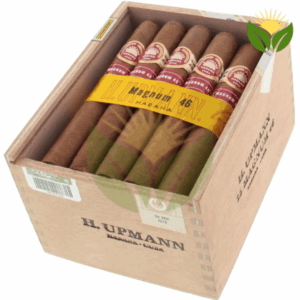
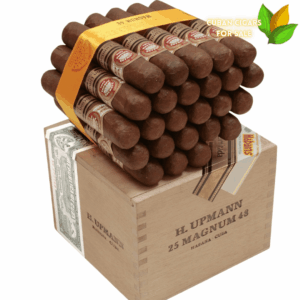
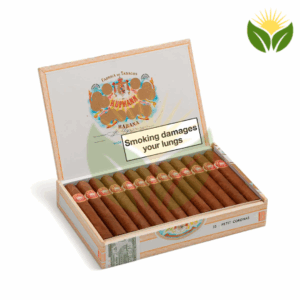
The boxes themselves come in slide-lid formats containing either 25 or 50 cigars. Genuine boxes show consistent printing quality, proper Spanish grammar on the labeling, and the official Habanos warranty seal. If you’re examining tubos versions, the aluminum tubes should feel substantial and show quality construction.
Reliable Sources
When you order Cuban cigars, stick with authorized Habanos dealers who can provide authentication guarantees. Established merchants with long track records offer the best protection against counterfeit products, even if their prices might be slightly higher than questionable online sources.
Fakes often reveal themselves through poor draw characteristics, uneven burn patterns, or off-flavors that don’t match the expected H Upmann profile. The investment in authentic cigars always pays off through the superior smoking experience and peace of mind.
What to Avoid
Be particularly suspicious of deals that seem too good to be true, especially from sellers without established reputations. Authentic Cuban cigars command premium prices for good reason, and significant discounts often indicate counterfeit products.
Poor construction details like crooked caps, sloppy bands, or wrapper issues that would never pass Cuban quality control serve as immediate red flags. When in doubt, consult with experienced tobacconists who can help verify authenticity before you complete your purchase.
Cutting and Lighting Technique
The 50 ring gauge requires some consideration for proper preparation, and I’ve found that cutting technique significantly impacts the smoking experience with this particular vitola.
The Perfect Cut
I prefer using a sharp guillotine cutter, making a clean cut about 1/16 inch into the cap. The substantial ring gauge means you have more surface area to work with, but resist the temptation to cut too much—you want to preserve the wrapper’s structural integrity throughout the smoking time.
Double-blade cutters work exceptionally well with this size cigar, providing the clean edges that prevent wrapper unraveling. Some smokers prefer V-cuts with larger ring gauges, but I find the straight cut offers better draw consistency with the Magnum 50’s construction style.
Lighting Process
Given the size, take extra time with the lighting process. Mastering the initial light becomes particularly important with double robustos because uneven lighting can create draw problems that persist throughout the entire smoke.
Use a butane lighter or wooden matches, avoiding any flavored options that might interfere with the tobacco’s natural character. Toast the foot evenly, rotating the cigar slowly until the entire surface shows an even cherry. The first few puffs should draw easily without requiring excessive effort.
Take your time with this process—rushing the light often leads to tunneling or other burn issues that can ruin what should be a 60-90 minute journey through some of Cuba’s finest tobacco craftsmanship.
Frequently Asked Questions
How does the Magnum 50 compare to other H Upmann vitolas?
The Magnum 50 offers more complexity and smoking time compared to shorter H Upmann options like the Half Corona or Petit Corona. It’s less intense than the larger Churchill vitolas but provides more flavor development than the standard Corona sizes. The double robusto format allows the blend to showcase its full range of characteristics, making it one of the most complete expressions of the H Upmann profile.
Is this cigar suitable for beginners to Cuban tobacco?
While not the most beginner-friendly Cuban cigar due to its building strength, it works well for smokers with some experience who want to explore Cuban complexity. The mild beginning makes it approachable, but the final third can overwhelm complete newcomers. I’d recommend having some experience with medium-bodied cigars before tackling this one.
How long should I age these before smoking?
Fresh boxes can be enjoyed immediately, but 6-12 months of proper aging significantly enhances the flavor integration and smoothness. The caramel and honey notes become more pronounced with time, while any harsh edges in the final third tend to mellow. Some collectors age them for years, though I find the sweet spot around 1-2 years for optimal flavor development.
What’s the best time of day to enjoy a Magnum 50?
Late afternoon or early evening works best, giving you sufficient time to appreciate the full smoking experience without rushing. Weekend mornings with coffee also work well, though be prepared for the strength to build more than typical morning smokes. The key is having 60-90 minutes available to enjoy the complete flavor journey without interruption.
How do I know if my Magnum 50 is burning properly?
A properly burning Magnum 50 should maintain an even burn line throughout, with white to light gray ash that holds for at least an inch before dropping. The draw should provide mild resistance without requiring hard pulls. If you notice tunneling, uneven burning, or excessive heat, slow your puffing rhythm and consider touching up problem areas with your lighter. The quality of authentic Cuban construction typically ensures even burning when properly lit and smoked at an appropriate pace.