
Description
The Masterpiece That Started My Ceramic Jar Obsession
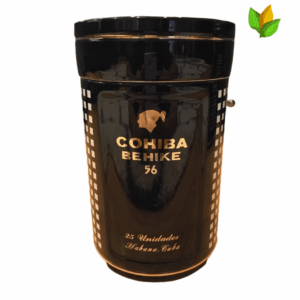
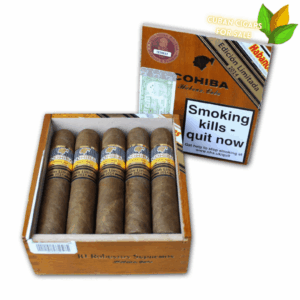
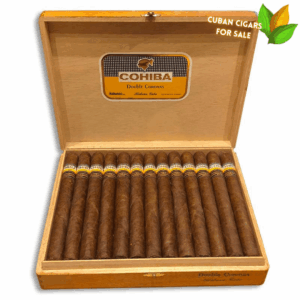
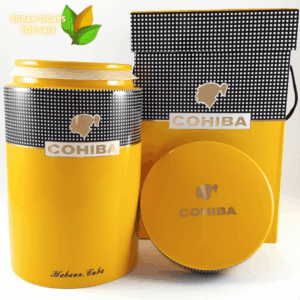
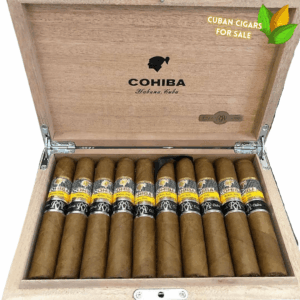
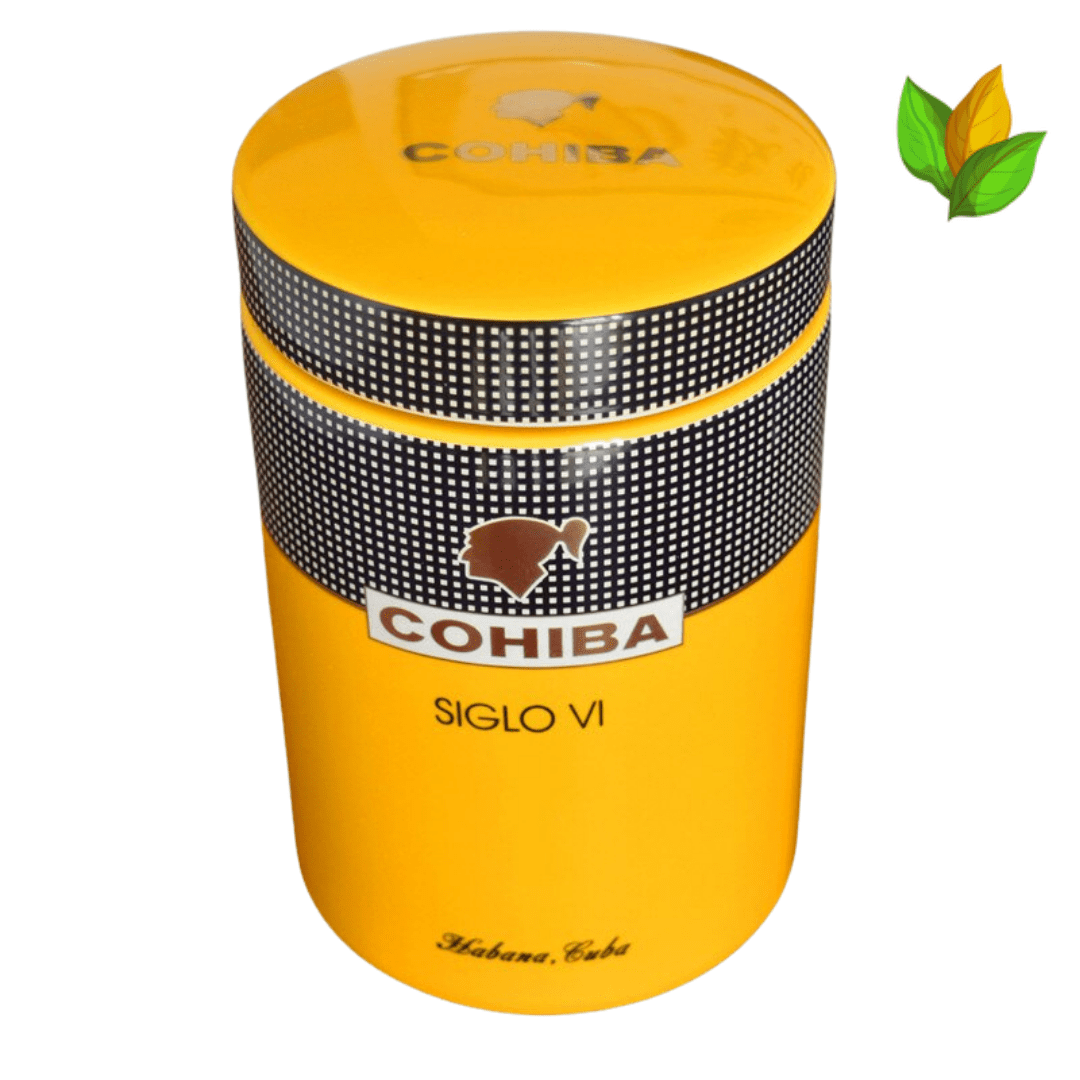
I’ll be blunt: the first time I saw a Cohiba Siglo VI presented in its ceramic jar, I thought it was overkill. Fancy packaging for the sake of fancy packaging, right? Then I smoked one that had been aging in that jar for three years, and – not gonna lie – I got it. The ceramic jar isn’t just about looks. It’s a humidity-controlled time capsule that turns an already exceptional cigar into something that makes you pause mid-conversation and just… appreciate what’s happening. This is Cohiba’s largest regular production vitola in the Linea 1492 series, and when they decided to release it in these limited-edition ceramic jars, they weren’t messing around. We’re talking about a smoke that demands 90 minutes of your undivided attention, wrapped in packaging that belongs on a collector’s shelf.
What Makes This Release Different From Your Standard Box
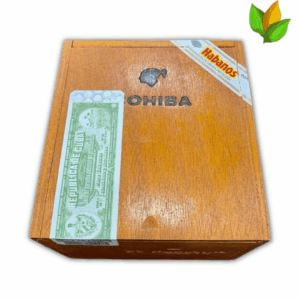
The Siglo VI itself has been around since the mid-90s – part of that famous Linea 1492 release that commemorated Columbus’s voyage. Thing is, Cohiba knows what they’re doing when it comes to special editions and alternative packaging. These ceramic jars aren’t just pretty containers. They’re glazed, sealed vessels that maintain more consistent humidity than your average cedar box, which means the cigars inside age differently. Better? That’s debatable, but definitely different.
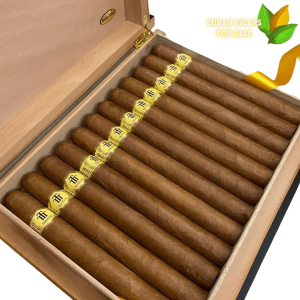
Each jar holds 25 handmade beauties, and here’s what gets me excited: the microclimate inside that ceramic creates a slower, more gradual aging process. The tobacco mellows without losing the complexity that makes Cuban cigars from the Vuelta Abajo region so sought after. I’ve got a buddy – Carlos, runs a cigar shop in Tampa – who did a side-by-side comparison of a jar-aged Siglo VI versus one from a regular box, both from the same production year. The jar-aged one had this silkier smoke, more integrated flavors. Could’ve been coincidence, but I don’t think so.
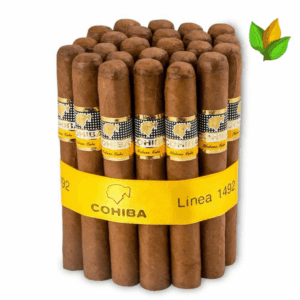
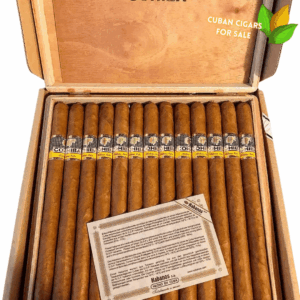
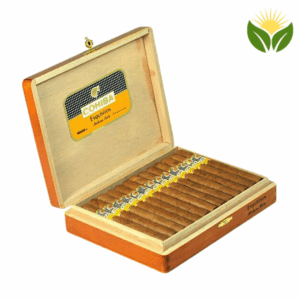
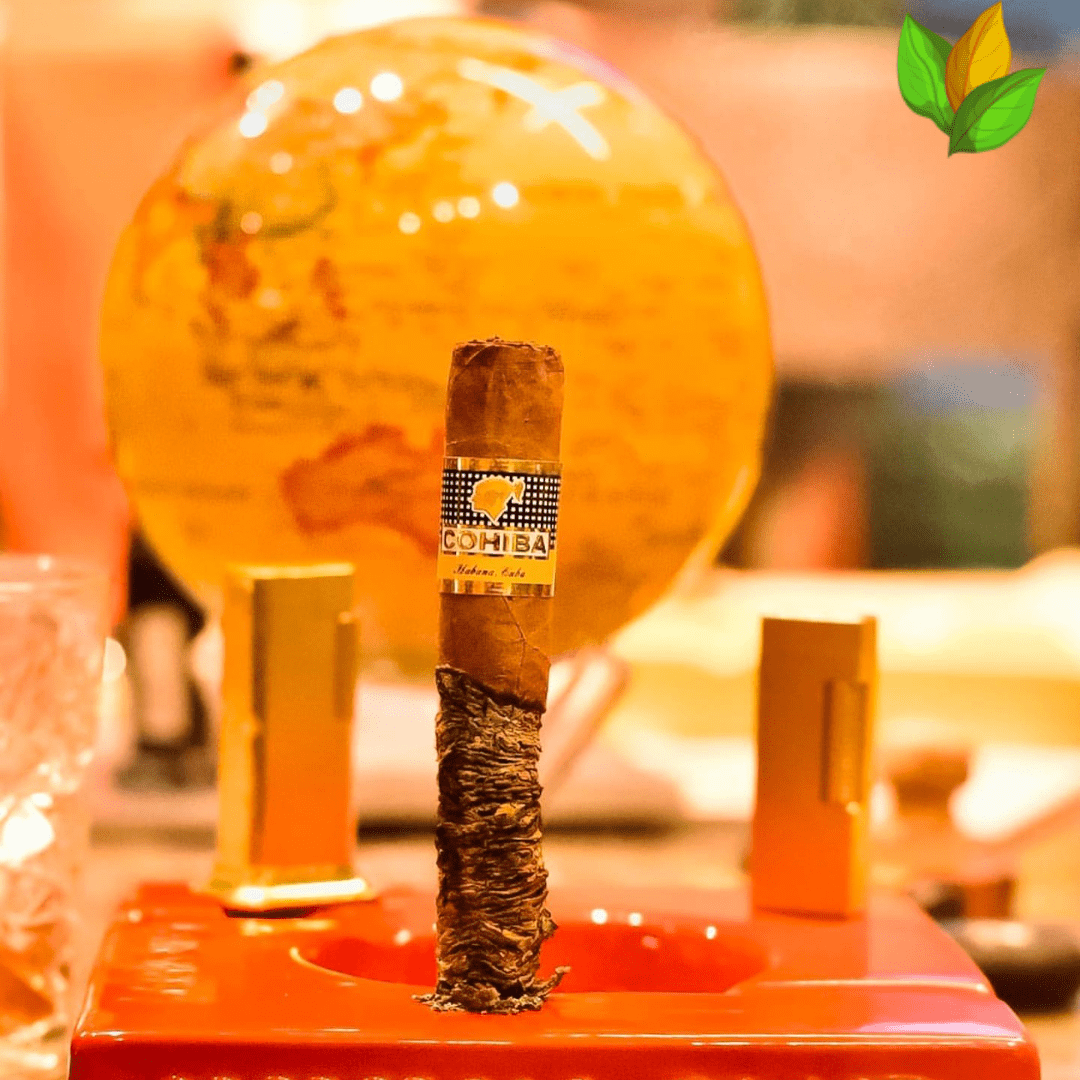
The Siglo VI targets the experienced smoker who’s got time to kill and wants every minute to count. This isn’t a quick smoke between meetings. It’s a 90-minute commitment – maybe longer if you’re the type who likes to let it rest between puffs. The vitola itself is a beautiful Canonazo size, and that distinctive Cohiba band with its iconic white and gold design sits perfectly on what is, in my opinion, one of the best-constructed cigars coming out of Cuba right now.
| Specification | Details |
|---|---|
| Vitola | Canonazo (Siglo VI) |
| Length | 5.9 inches / 150 mm |
| Ring Gauge | 52 |
| Wrapper | Cuban Vuelta Abajo |
| Binder | Cuban |
| Filler | Cuban Blend (Vuelta Abajo) |
| Strength | Medium to Medium-Full |
| Smoking Time | 90-120 minutes |
How This Cigar Smokes – And Why I Keep Coming Back
The cold draw on a properly stored Siglo VI from these ceramic jars gives you hints of what’s coming – dried fruit, a touch of cocoa, maybe some hay if you’re paying attention. Light it up, and that first third is all about elegance. I know that sounds like marketing speak, but I mean it literally. The smoke is creamy, almost buttery, with cedar notes that remind me of walking into a proper humidor. There’s this subtle spice on the retrohale – not pepper, more like cinnamon or nutmeg – that adds complexity without overpowering anything.
The construction on these? Impeccable. I’ve gone through probably a dozen from various jars over the years, and I can count on one hand how many required a touch-up. The burn line stays razor-sharp, and the ash holds for a solid inch and a half before you need to think about tapping it. That’s the advantage of Cohiba’s triple-fermentation process – the tobacco burns evenly because it’s been processed to near perfection.
Around the halfway point – and this is where it gets interesting – the flavor profile shifts. That cedar backbone remains, but you start getting leather, roasted coffee beans, maybe even a hint of dark chocolate if the cigar’s been aged properly. The strength builds too, moving from that comfortable medium into medium-full territory. Not overwhelming, but you definitely know you’re smoking a Cuban cigar. The smoke output is generous without being excessive, and the coolness of the smoke stays consistent if you’re not puffing like a chimney.
Final third is where the Siglo VI earns its reputation. Some cigars fall apart in the last stretch – get harsh, get bitter, lose their complexity. Not this one. It actually gains depth. The flavors concentrate, you get more of that espresso character, and if you’re brave enough to retrohale this late in the game, you’ll catch some of the most complex spice notes of the entire smoke. I usually take it down until it’s almost too hot to hold, because those last twenty minutes are just that good. The nicotine by this point is noticeable – I wouldn’t recommend this as your first smoke of the day unless you’ve got a strong stomach – but it never crosses into unpleasant territory.
How Does It Stack Up Against Similar Smokes?
| Cigar | Strength | Smoking Time | Best For |
|---|---|---|---|
| Cohiba Siglo VI Ceramic Jar | Medium-Full | 90-120 min | Special occasions, extended leisure time |
| Montecristo Edmundo | Medium | 60-75 min | Those wanting similar size but shorter smoke |
| Partagás Serie D No. 4 | Full | 50-70 min | Fans of robusto size with more punch |
| Bolivar Royal Corona | Full | 45-60 min | Stronger flavor in compact format |
What You Should Drink With This
I’m going to say something that might be controversial: skip the cognac with this one. Yeah, I know, cognac and Cubans are supposed to be a match made in heaven. But the Siglo VI has such refined flavors that a heavy cognac can bulldoze right over them. What works better? A nice aged rum – think Diplomatico Reserva Exclusiva or Ron Zacapa 23. The sweetness complements without competing, and the complexity of a good rum matches the complexity of the tobacco.
Coffee works beautifully, especially if you’re smoking this in the morning or early afternoon. A proper Cuban espresso is ideal, but even a well-made cappuccino won’t steer you wrong. The roasted notes in the cigar play off the coffee in a way that enhances both. And if you’re a whisky person – single malt, something from Speyside with those honeyed, fruity notes. Glenfiddich 18 or Macallan 12 would be my go-to choices. The ceramic jar aging seems to bring out sweeter undertones in the tobacco that pair exceptionally well with the right scotch.
Occasion-wise? This is your celebration cigar. Promotion at work, anniversary, birth of a child, or just because it’s Saturday and you’ve earned it. The ceramic jar presentation makes it a perfect gift too – I’ve given these to friends for milestone birthdays, and the reaction is always the same: they don’t want to open it because it looks so good on the shelf. But trust me, these are meant to be smoked, not just admired.
Everything You’re Probably Wondering About
How long can I age the Siglo VI in the ceramic jar?
Honestly? Years. I know collectors who’ve kept them sealed for five-plus years with excellent results. The ceramic maintains humidity better than you’d think, though I’d still recommend storing the jar itself in a temperature-controlled environment. Once you crack the seal and start smoking from the jar, treat it like any other opened box – keep it in your humidor and smoke within a reasonable timeframe. The sweet spot for aging these, in my experience, is 2-3 years from production date.
Is the Siglo VI really that different from other vitolas in the Linea 1492?
Yeah, it is. The larger ring gauge and longer length give the blend more room to breathe and develop. The Siglo IV is fantastic if you want that Cohiba profile in a smaller format, but the VI has a depth and evolution that you just can’t get in 45 minutes. It’s not just “more of the same” – it’s a genuinely different smoking experience. Some aficionados actually prefer the smaller vitolas for their intensity, but I’m firmly in the Siglo VI camp.
What makes the ceramic jar special compared to regular box packaging?
Beyond the obvious collectibility factor, the ceramic creates a different aging environment. It’s less porous than wood, so humidity fluctuations are more gradual. Does this make a massive difference? That’s up for debate, but I’ve noticed jar-aged cigars tend to have a smoother, more integrated flavor profile. Plus – and this isn’t nothing – the presentation is stunning. Opening that ceramic jar for the first time feels like an event, not just grabbing another cigar.
Can a beginner smoke the Siglo VI, or is it too strong?
I’m going to be honest with you – if you’re genuinely new to cigars, start with something smaller and milder. The Siglo VI isn’t aggressively strong, but it’s a 90-minute commitment with building nicotine that can knock you sideways if you’re not ready for it. That said, if you’ve smoked a few dozen cigars and feel comfortable with medium-bodied smokes, go for it. Just make sure you’ve eaten something first and have a sugary drink handy just in case.
How do these ceramic jar releases compare to other Cohiba special editions?
Cohiba releases a lot of special editions and alternative packaging – Reservas, Gran Reservas, vintage releases. The ceramic jars fall somewhere in the middle in terms of exclusivity. They’re not as rare or aged as the Reservas, but they’re definitely more special than your standard 25-count box. The advantage here is you’re getting regular production tobacco in premium packaging with excellent aging potential. It’s more accessible than the ultra-limited releases but still feels like a special occasion purchase.
Should I smoke these fresh or let them rest after buying?
If you’re buying from a reputable source and the jars have been stored properly, you can smoke them right away – they’re usually already well-rested. That said, I’m a big believer in letting Cuban cigars acclimate to your humidor for at least a few weeks after purchase. The transition can sometimes cause the flavors to go a bit flat temporarily. Give them a month in your humidor at 65-68% humidity, and you’ll be rewarded. Or, if you’ve got the patience, let the whole jar sit for a year or more. Your call.
What’s the deal with Cohiba’s triple fermentation process?
Most Cuban cigars go through two fermentation cycles. Cohiba adds a third specifically for the wrapper and some of the filler leaves. This extra fermentation mellows the tobacco, reduces harshness, and contributes to that signature Cohiba smoothness and complexity. It’s part of why Cohibas smoke differently than other Cuban brands – even when they’re using tobacco from the same region. Whether it’s worth the premium is subjective, but the difference is definitely there if you know what to look for.
Final Thoughts From Someone Who’s Smoked Too Many of These
The Cohiba Siglo VI Ceramic Jar sits in this interesting space between everyday luxury and special occasion smoke. The cigar itself is spectacular – consistently well-made, complex, rewarding from start to finish. Add in the ceramic jar presentation, and you’ve got something that works equally well as a personal treat or a showpiece gift. I’ve probably gone through three or four of these jars over the years, and I keep coming back because the experience delivers every single time.
If you’re looking for a Cuban cigar that justifies setting aside two hours, pouring something worth sipping, and actually paying attention to what you’re smoking – this is it. The ceramic jar isn’t just packaging gimmickry. It’s functional art that protects and enhances what’s inside. These don’t come around constantly, and when they do, they’re worth adding to your collection. Whether you smoke them now or let them age, you’re getting one of the finest expressions of what Cuban tobacco can do when everything goes right.