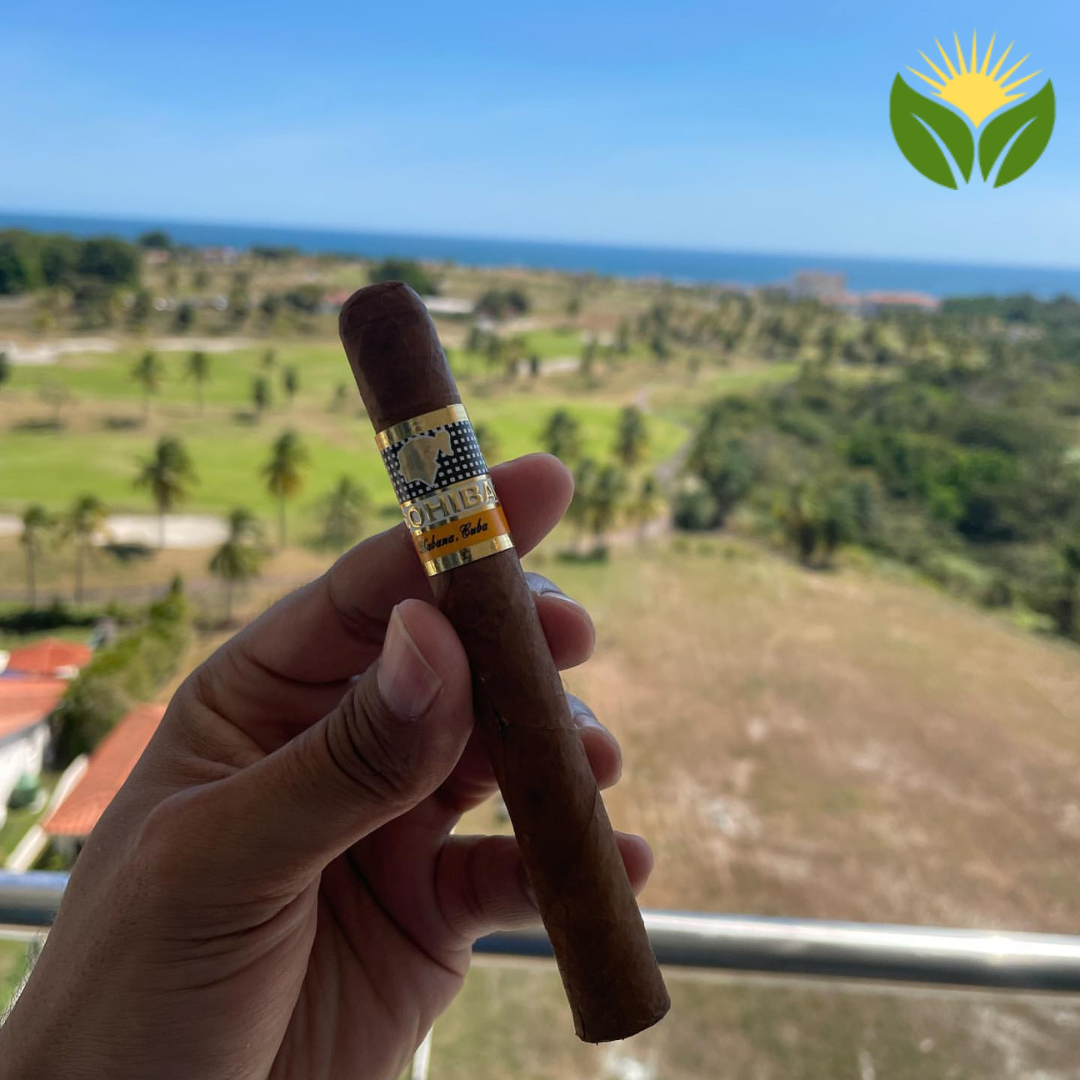

Description
Why the Siglo II Deserves More Attention Than It Gets
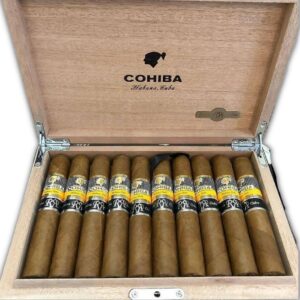
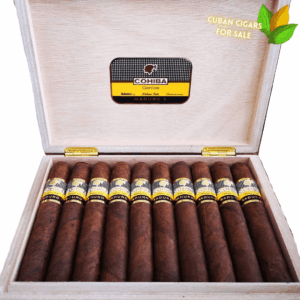
Look, I’m just going to say it: the Cohiba Siglo II is probably the most underrated cigar in the entire Línea 1492 collection. Everyone obsesses over the bigger vitolas – the Siglo VIs get all the love, the Siglo IVs show up in every “best of” list – but this petit corona? This is the one I keep coming back to. Here’s the thing – not every smoking session needs to be a two-hour commitment. Sometimes you want that unmistakable Cohiba character in a tidy 50-minute package, and that’s exactly what the Siglo II delivers. I’m going to walk you through why this particular vitola has earned a permanent spot in my humidor, what you can expect from the smoking experience, and – because I know someone will ask – how it stacks up against similar offerings from other marcas.
The Cohiba That Fits Into Your Actual Life
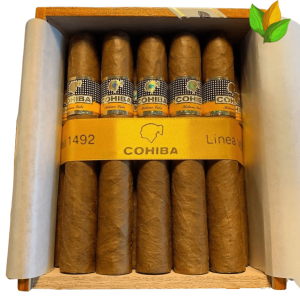
Cohiba needs no introduction, right? Since 1966, it’s been the flagship brand of Cuban cigars – originally rolled exclusively for Fidel Castro and Communist Party officials. That’s not marketing fluff; it’s actual history. The Línea 1492 series, introduced in – I think it was 1992? Maybe ’93. Anyway, it commemorated the 500th anniversary of Columbus landing in the Americas, and it gave us these five vitolas named “Siglo” (century in Spanish).
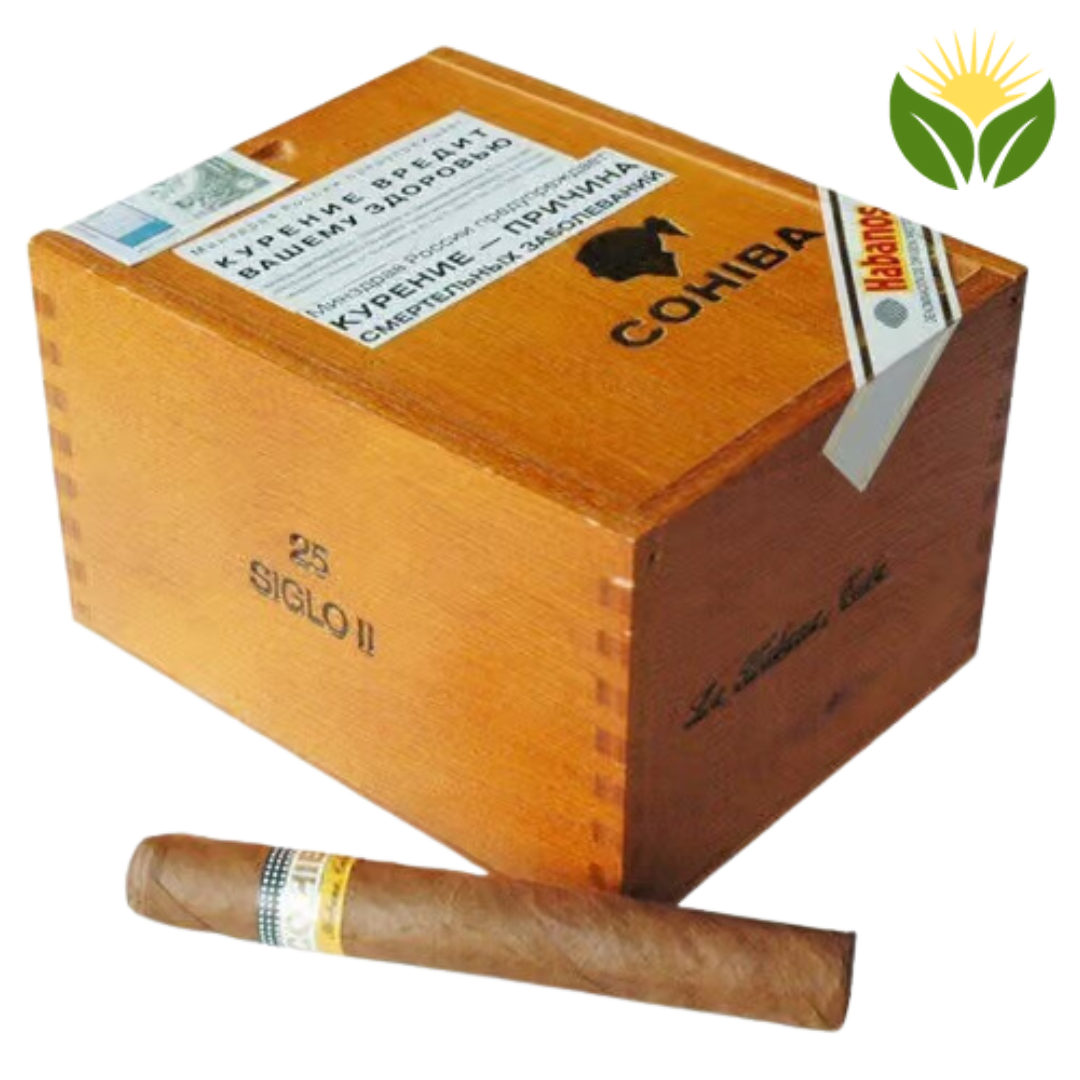
But here’s what gets me about the Siglo II specifically: it’s the perfect size for people who actually have jobs and responsibilities. At 5.12 inches with a 42 ring gauge, this is a cigar you can smoke during a lunch break, after dinner without missing the entire evening, or – my personal favorite – on the golf course without having to relight it fifteen times because you’re too slow. The tobacco is the same premium Vuelta Abajo leaf that goes into every Cohiba, receiving that distinctive third fermentation that sets the marca apart. You’re getting the full Cohiba treatment in a format that respects your time.
This cigar speaks to the experienced smoker who’s moved past the “bigger is better” phase. Not gonna lie, I went through that phase too – we all did. But there’s something refined about reaching for a petit corona and knowing it’s going to deliver everything you want without the commitment. The medium-bodied strength profile makes it versatile enough for morning, afternoon, or evening sessions.
| Specification | Details |
|---|---|
| Vitola | Petit Corona (Siglo II) |
| Length | 5.12 inches / 130 mm |
| Ring Gauge | 42 |
| Wrapper | Cuban Vuelta Abajo |
| Binder | Cuban Vuelta Abajo |
| Filler | Cuban blend – triple fermented |
| Strength | Medium |
| Smoking Time | 45-60 minutes |
What Actually Happens When You Light One Up
Okay, so you’ve cut it – and use a sharp cutter, please, that 42 ring gauge doesn’t give you much margin for error – and you’re taking a cold draw. Right away, you’re getting hints of what’s coming: leather, subtle coffee notes, maybe a whisper of cocoa. The draw resistance is usually perfect on these, assuming you’re not dealing with a young box. Wait, let me back up – if your Siglo IIs are fresh, give them at least six months. A year is better. They can be tight when young.
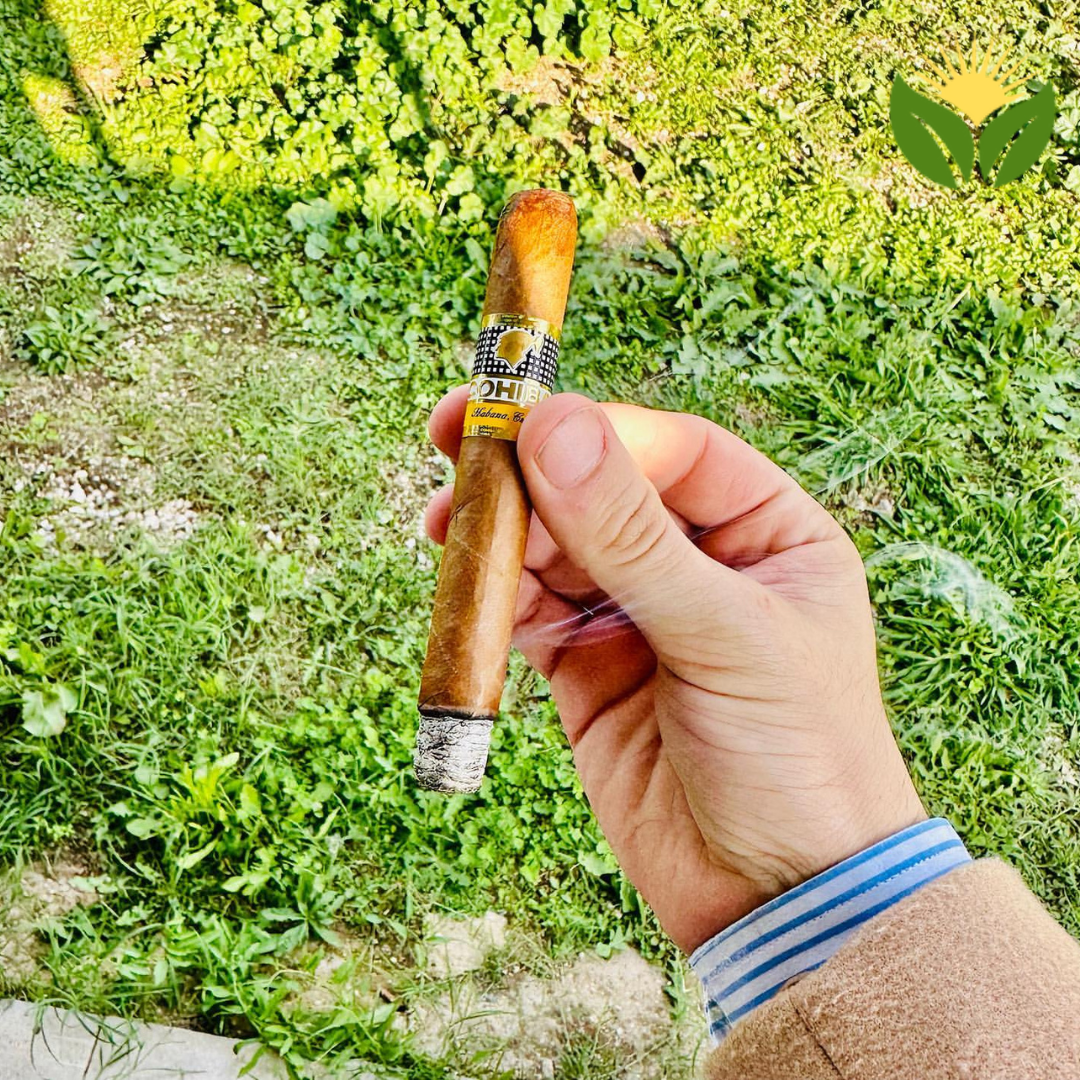
The first third starts smooth – deceptively smooth if you’re new to Cohibas. That initial flavor hits you with creamy earth tones and this distinctive Cohiba characteristic that I can only describe as clean tobacco. Not grassy, not hay-like, just… pure. There’s a subtle sweetness underlying everything, and you’ll pick up leather notes that remind me of walking into a high-end shoe store. The aroma at this stage is beautiful – my wife actually tolerates this cigar more than most because it doesn’t have that heavy, aggressive smoke character. The wrapper, when you’re lucky enough to get a well-aged box, has this silky oil sheen that just looks expensive.
Second third is where things get interesting – and this is where the Siglo II proves it’s not just a “quick smoke” compromise. The flavor complexity opens up considerably. You start getting these waves of coffee – not bitter espresso, more like a well-balanced café con leche. The earth notes deepen, and there’s this spicy element that creeps in around the midpoint. It’s not pepper exactly, more like baking spices? Cinnamon maybe, with some cedar. The burn line stays remarkably even if you’re smoking at a reasonable pace – one puff per minute or so. The ash holds for a solid inch, sometimes more, with that characteristic light gray color Cuban tobacco gives you.
Here’s the thing about the final third: some petit coronas get harsh or hot toward the end. The Siglo II doesn’t, at least not if you’ve been treating it right. The flavors intensify but stay balanced – that medium body nudges toward medium-full, but it never crosses into aggressive territory. The leather notes really come forward here, mixing with dark chocolate undertones and this lingering coffee finish. The retrohale – if you’re into that, and I know not everyone is – gives you white pepper and toasted nuts. I usually smoke these down to about an inch and a half before they get too warm.
Construction quality is typically excellent, though I’ll be honest: I’ve had the occasional dud. Maybe one in every twenty has draw issues or tunneling problems. That’s Cuban cigars for you – handmade means variability. But when you get a good one? Oh man, it’s a masterclass in cigar construction. The burn is even, the draw is effortless, and you’re not fighting the cigar – you’re just enjoying it.
How Does It Stack Up Against the Competition?
| Cigar | Strength | Smoking Time | Best For |
|---|---|---|---|
| Cohiba Siglo II | Medium | 45-60 min | Sophisticated daily smoke with refined complexity |
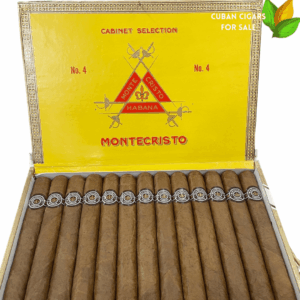
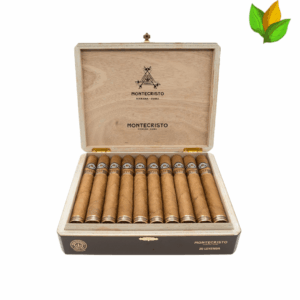
| Montecristo No. 4 | Medium | 40-50 min | Traditional Cuban flavor at lower intensity – earthier profile |
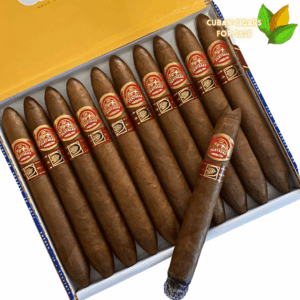
| Partagás Serie D No. 5 | Medium-Full | 35-45 min | Bolder smoker wanting more punch in less time |
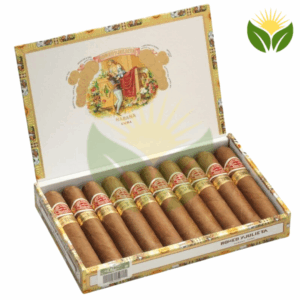
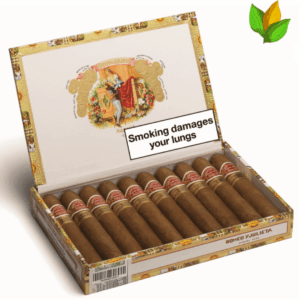
| Romeo y Julieta Exhibición No. 4 | Mild-Medium | 50-60 min | Gentler introduction to premium Cubans with floral notes |
Real talk: if you’re comparing the Siglo II to the Montecristo No. 4 – and everyone does – you’re looking at a more refined, smoother smoke with the Cohiba. The Monte has that classic Cuban earth-forward punch, and some days that’s exactly what you want. But the Siglo II has more finesse, more complexity in the flavor transitions. It’s the difference between a good steakhouse and a Michelin-starred restaurant. Both serve excellent beef, but the experience is different.
The Partagás Serie D No. 5 will give you more strength if that’s what you’re after, but you lose some of the sophisticated subtlety. And the Romeo? Beautiful cigar, don’t get me wrong, but it’s playing in a gentler space – perfect for mornings or new smokers, but not quite the full experience.
What to Drink With It (Because This Actually Matters)
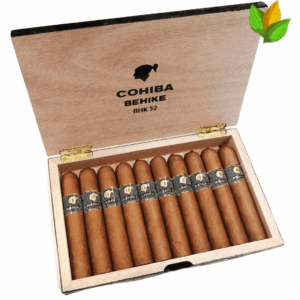
I’ll be blunt: pairing matters more with medium-bodied cigars than with full-bodied monsters. When you’ve got a Behike blasting your palate, you can drink almost anything. But the Siglo II’s subtlety deserves some thought.
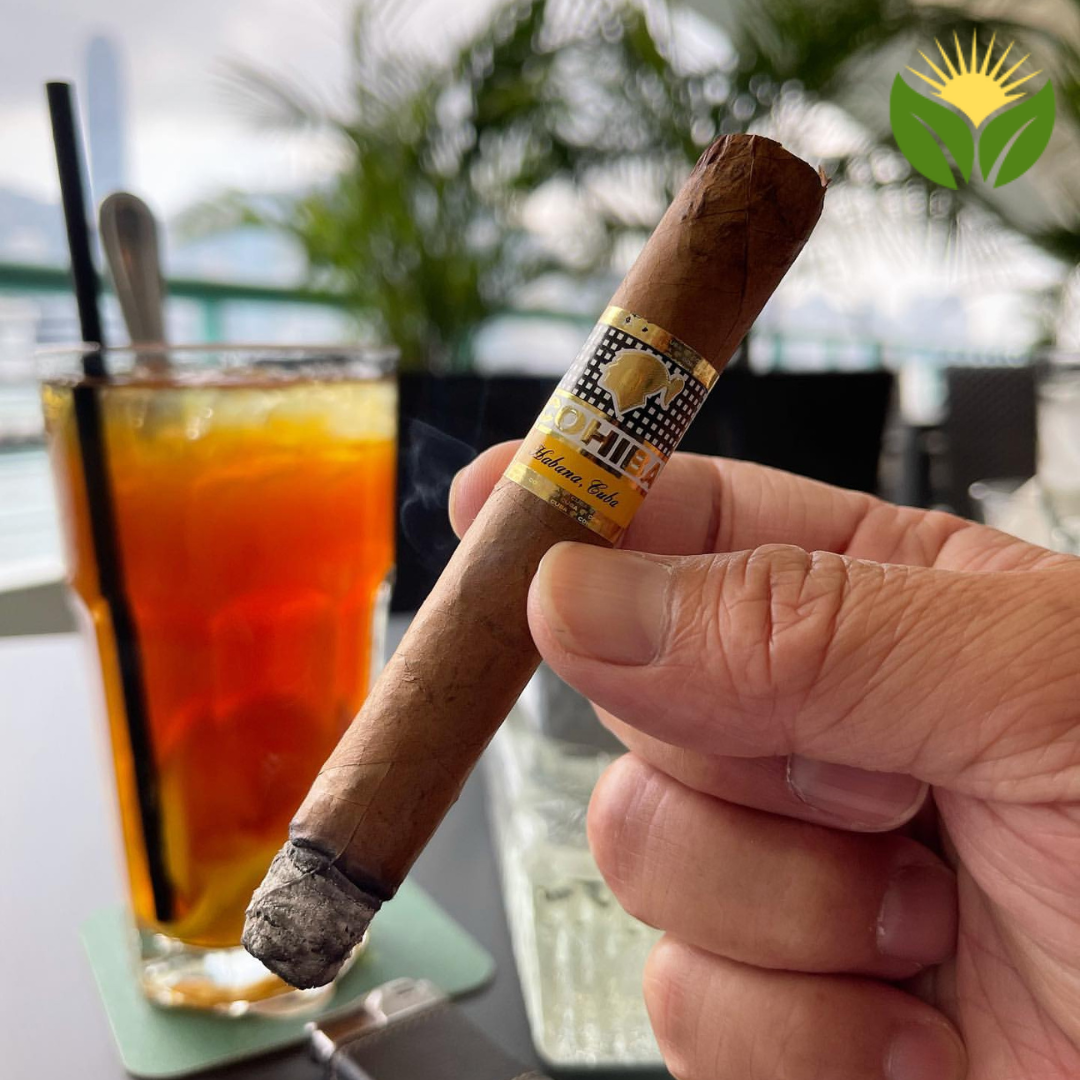
Coffee works beautifully – and I mean actually good coffee, not gas station stuff. A proper Cuban coffee (the irony isn’t lost on me) or a smooth Colombian roast complements without overpowering. In the evening, I reach for aged rum. A Havana Club 7 Year or – if I’m feeling fancy – a Zacapa 23. The caramel notes in good rum pick up those tobacco sweetness elements perfectly. Scotch people will argue with me here, but I think anything too peaty overwhelms this cigar. A highland single malt around 12 years, something smooth like Glenmorangie? That works. Spanish red wine – a Rioja reserva specifically – is another winner if you’re having it with dinner.
Occasion-wise, this is my go-to golf course cigar, my after-lunch-meeting celebration, my “the kids are finally asleep” reward. It’s sophisticated enough for special moments but not so precious that you feel guilty smoking it on a random Tuesday. Morning or afternoon sessions work great because the medium body won’t knock you sideways before you’ve accomplished anything with your day.
Questions People Actually Ask Me About This Cigar
How does the Siglo II compare to the other vitolas in the Línea 1492?
Look, the Siglo II is the most approachable of the bunch in terms of time commitment, but it doesn’t sacrifice the Cohiba character. The Siglo I is smaller and milder – almost too mild for experienced smokers. The Siglo III through VI are progressively larger and fuller-bodied. The II hits this sweet spot where you get genuine complexity and the full Cohiba profile without blocking out your entire afternoon. I actually think the flavor development is better paced in the II than in the longer vitolas because the tobacco ratio stays optimal throughout the smoke. The bigger Siglos can sometimes feel stretched out in the middle third.
Is the Siglo II too mild for someone who usually smokes full-bodied cigars?
Here’s the thing – medium body doesn’t mean boring or weak. I smoke plenty of full-bodied Nicaraguans and stronger Cubans like Partagás, and I still love the Siglo II. The complexity is what keeps it interesting, not raw strength. That said, if you exclusively smoke ligero bombs and need that nicotine punch, yeah, this might feel restrained to you. But I’d argue that shows a limited palate. Not gonna lie, some of the most memorable cigars I’ve smoked have been medium-bodied. Strength is just one dimension. The Siglo II has finesse, balance, and flavor transitions that most full-bodied cigars can’t touch.
How long should I age Cohiba Siglo II cigars before smoking?
Minimum six months from box date, but honestly, a year or more is ideal. Fresh Siglo IIs can be tight and a bit sharp – that third fermentation Cohiba does needs time to marry with the rest of the blend. I’ve got a box from 2019 that’s smoking absolutely phenomenally right now. The flavors have mellowed and integrated beautifully. If you’re buying young boxes, my advice is to buy two – smoke one now if you can’t wait, but stash the other for a year and taste the difference. The improvement is dramatic. Some people age them five, ten years or more, and I’ve had fifteen-year-old Siglo IIs that were transcendent, but you definitely get diminishing returns after about three years unless your storage is absolutely perfect.
What’s the best way to cut and light a Siglo II given its smaller ring gauge?
That 42 ring gauge demands precision – you don’t have a lot of real estate to work with. Use a sharp guillotine cutter, and cut conservatively. You want to remove just the cap, maybe 2-3mm maximum. Cut too deep and you risk unraveling the wrapper. For lighting, I prefer a soft flame lighter or cedar spills over torch lighters because the smaller diameter means it’s easier to overheat the foot. Toast the foot evenly, rotating the cigar, then take gentle draws to establish an even burn. Don’t blast it with a triple-flame torch like you’re welding metal. The thinner ring gauge means less tobacco to keep the burn going, so you need to pace yourself – one puff per minute, maybe a bit more. Smoke too fast and it’ll get hot and bitter.
Are Cohiba Siglo II cigars frequently counterfeited, and how can I spot fakes?
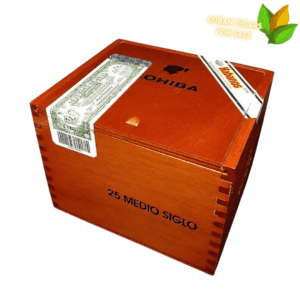
Oh man, yes – Cohiba is the most counterfeited marca out there, and the Siglo II is no exception. Between you and me, I’d say half the “Cohibas” sold on beaches and in sketchy shops are fake. Real Siglo IIs have specific markers: the Taino head hologram on the box should be clear and properly aligned, the box code should match Habanos SA’s authentication system, and the bands should have precise printing with no bleeding colors. The triple cap should be flawless – fakes often have sloppy caps. Most importantly, buy from authorized Habanos dealers only. If someone’s selling you a box for half the normal price, it’s fake. Period. The construction quality and flavor profile of counterfeits is obvious once you’ve smoked real Cohibas – they’re harsh, poorly rolled, and taste like yard clippings.
Can beginners enjoy the Siglo II, or is it better suited for experienced smokers?
Hmm, how do I put this – the Siglo II is approachable enough for someone relatively new to cigars, but I think it’s somewhat wasted on true beginners. If you’ve never smoked a cigar before, you’re not going to appreciate the subtlety and complexity that make this special. You’ll just taste “tobacco.” But if you’ve smoked a dozen or two cigars and you’re ready to step up from bundle cigars or Connecticut-wrapped mild sticks, then absolutely, this is a fantastic next step. The medium body won’t overwhelm you like a Bolivar would, but you’ll get enough flavor complexity to understand why Cuban cigars command their reputation. Just know that the learning curve matters – your first Siglo II will be good, but your tenth will be revelatory because you’ll actually know what you’re tasting.
What’s the ideal humidity level for storing Siglo II cigars?
I keep mine at 65% relative humidity, which is slightly lower than the traditional 70% most people use. Here’s my reasoning: that smaller ring gauge and the specific Cohiba wrapper seems to perform better slightly drier. At 70%, I’ve found they can be a bit spongy and the draw gets too open. At 65%, they maintain perfect construction and burn characteristics. Temperature-wise, shoot for 65-68°F if you can manage it. Cuban cigars in general, and Cohibas specifically, are more sensitive to humidity fluctuations than New World cigars. Get yourself a reliable hygrometer – not those cheap analog ones that lie to you – and keep things stable. The Siglo II’s smaller size means it’ll acclimate faster to humidity changes, which can be good or bad depending on your storage situation.
So Should You Buy a Box?
Look, I’m not going to pretend the Siglo II is for everyone. If you want maximum bang for your smoking time and you’re all about bold, full-bodied experiences, there are better options in the Cuban portfolio. The Partagás Serie D No. 4 will give you more punch. A Ramón Allones Small Club Corona delivers bigger flavors in a similar timeframe.
But if you appreciate finesse – if you’ve reached the point in your cigar journey where you value complexity and balance over raw strength – the Siglo II is exceptional. It’s my answer to the question “what’s a good everyday Cuban cigar?” because it delivers that unmistakable Cohiba character without demanding two hours of your time or palate-destroying intensity that ruins your next three cigars.
Thing is, this particular vitola rewards patience. Age them properly, smoke them slowly, pay attention to the flavor transitions. This isn’t a cigar you smoke while doing yard work or arguing with someone on the phone. It’s a cigar that asks you to sit down, slow down, and actually taste what’s happening. And honestly? In our increasingly chaotic world, that 50 minutes of forced mindfulness might be the most valuable thing about it.
The Siglo II represents what Cuban cigars do best: refined tobacco, expert blending, and a smoking experience that’s been perfected over decades. Whether you’re new to Cohibas or you’ve been smoking them since before half the people reading this were born, there’s something here to appreciate. Just do yourself a favor – buy from legitimate sources, age them if they’re young, and give them the attention they deserve. You’ll understand why I keep coming back to this one.