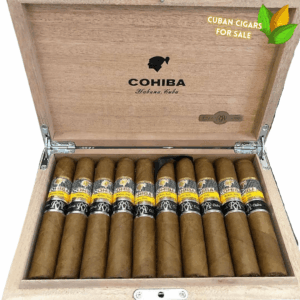

Description
Why the Cohiba Churchill Remains Cuba’s Most Celebrated Grande Format
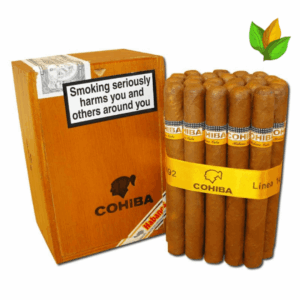
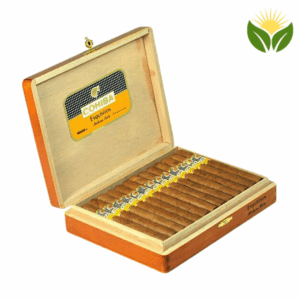
Look, I’m just going to say it: after three decades of smoking Cuban cigars, the Cohiba Churchill still stops me in my tracks. There’s something about this particular vitola – and I know, I know, “it’s a Cohiba” sounds like such a predictable answer – but hear me out. This isn’t just about the band or the prestige. It’s about what happens in that 90-minute window when you light one up and remember exactly why Cuban tobacco earned its reputation in the first place.
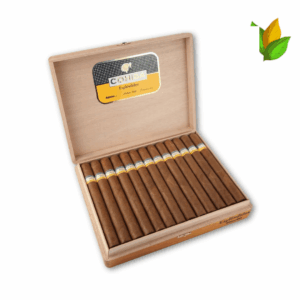
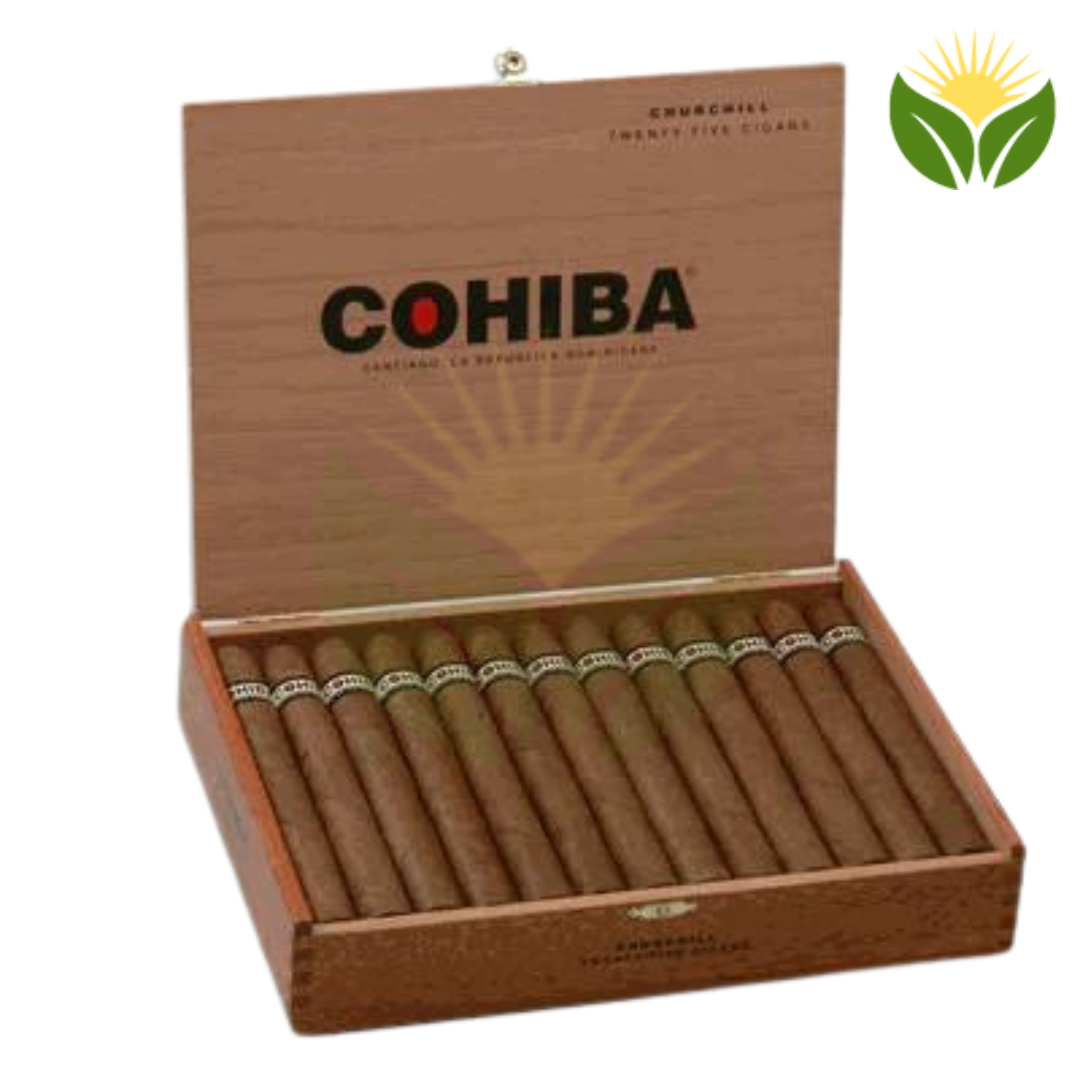
Here’s the thing – the Churchill format itself has a complicated history with this brand. While other Habanos houses had been rolling Churchills for decades, Cohiba came late to the game. And honestly? That delay worked in their favor. By the time they introduced this vitola, they’d perfected their unique fermentation process – that third fermentation that sets Cohiba apart from literally every other Cuban marca. What you’re getting here isn’t just a bigger cigar. It’s a masterclass in what happens when Cuba’s most premium tobacco gets the space to breathe and develop across 47 ring gauge and seven inches of pristine construction.
I’m going to walk you through everything that makes this cigar worth your attention – the flavor journey from first light to final inch, how it stacks up against other grandes in the Habanos portfolio, and yeah, the specific moments when this Churchill absolutely shines versus when you might want to reach for something else instead.
The Cohiba Churchill: Cuba’s Premium Grande Experience
Cohiba didn’t exist for regular smokers until 1982. Before that? This was Fidel’s personal brand, rolled exclusively for Cuban diplomats and visiting dignitaries. When they finally released it commercially, they kept that same obsessive approach to tobacco selection – only the top 2-3% of Vuelta Abajo leaves make it into a Cohiba. And I’m not talking about regular Cuban tobacco, which is already exceptional. I mean the absolute finest sections from farms with proven track records spanning generations.
The Churchill vitola brings something specific to Cohiba’s lineup. Thing is, their smaller formats – your Robustos, your Coronas – they’re incredible, but they can sometimes feel intense. Almost too concentrated. The Churchill gives those same leaves room to stretch out. You get the full Cohiba experience without the occasional sharpness that can creep into their more compact offerings.
This cigar is built for the experienced smoker who has time. Not gonna lie, if you’re new to Cubans, start somewhere else. Maybe a Montecristo No. 2 or a Romeo y Julieta Churchill. But if you’ve been around the block, if you know what good Cuban tobacco tastes like and you want to experience it at its absolute peak? This is that cigar. Medium to medium-full strength, complex enough to keep your attention, smooth enough that it never punishes you for paying attention to the subtleties.
| Specification | Details |
|---|---|
| Vitola | Churchill (Julieta No. 2) |
| Length | 7 inches / 178 mm |
| Ring Gauge | 47 |
| Wrapper | Cuban (Vuelta Abajo) |
| Binder | Cuban (Vuelta Abajo) |
| Filler | Cuban long-filler blend (triple fermented) |
| Strength | Medium to Medium-Full |
| Smoking Time | 90-120 minutes |
The Complete Flavor Journey: What Actually Happens When You Smoke One
Okay, so the cold draw – and this matters more than people think – gives you cedar right up front. Not generic “cigar smell” cedar, but that specific sweetness you get from Spanish cedar humidor trays. There’s also this subtle cocoa note hiding underneath. Sometimes I pick up a hint of dried apricot, but that might depend on how long it’s been aging. I’m probably biased here, but I genuinely believe you should let these rest for at least six months after purchase. The difference is night and day.
First third hits different depending on whether you toast it properly. And I mean really toast it – don’t just scorch the foot and call it good. Take your time. The initial flavors come at you with this beautiful balance of leather and earth. Not harsh leather like some Bolivars can be – more like aged leather, broken in and comfortable. The earth note is clean, almost sweet. There’s creaminess too, which surprises people who expect Cohiba to be all power and intensity. The wrapper from Vuelta Abajo brings this natural sweetness that rounds everything out.
About an inch in, you’ll notice the first shift. This is where that triple fermentation starts showing its cards. The smoke gets richer – there’s no other way to describe it. The volume increases, the texture becomes almost silky. I’ve had friends describe it as buttery, and yeah, that works too. White pepper enters the conversation through the retrohale. Not aggressive, just present. Meanwhile the core flavors deepen. That leather note picks up some coffee undertones. Dark roast, not the bright acidic stuff.
Second third is where this cigar earns its reputation. Real talk: this is the sweet spot. Everything comes together in a way that makes you slow down and actually pay attention. The earth and leather are still there – they’re the foundation – but now you’re getting layers. There’s this cedar note that weaves in and out. Cocoa becomes more pronounced. Some cigars I’ve smoked showed genuine honey sweetness here, especially ones with three or four years of age. The spicy element from the first third settles into more of a warming sensation than actual spice. Perfect time to retrohale if you’re into that, because the aroma complexity is just ridiculous. Toasted nuts, maybe some cinnamon hiding in there.
Construction throughout has been – and I’ve smoked probably fifty of these over the years – consistently excellent. The burn line stays razor sharp with minimal correction. The ash builds firm and holds for a good two inches before you need to knock it off. Draw resistance is exactly where it should be: enough resistance that you’re working for the smoke, not so much that you’re turning red in the face.
Final third? Here’s where things get interesting, and this is make-or-break for a Churchill. Some grandes fall apart at the end, get bitter or hot or just boring. Not this one. The strength picks up noticeably – you’ll feel it if you’re smoking on an empty stomach – but it stays smooth. That’s the key word: smooth. The flavors concentrate. The leather gets richer, almost like dark chocolate now. Earth becomes more mineral, almost like wet stone. There’s still enough of that natural wrapper sweetness to keep everything balanced. I usually smoke these down to the nub because the last inch is just too good to waste.
How the Churchill Stacks Up: The Honest Comparison
Between you and me, comparing Churchills across different Cuban brands is one of my favorite rabbit holes. Because here’s the thing – same format, same Cuban tobacco, but completely different experiences depending on which marca you’re talking about.
| Cigar | Strength | Smoking Time | Best For |
|---|---|---|---|
| Cohiba Churchill | Medium-Full | 90-120 minutes | Special occasions when you want the pinnacle of Cuban blending refinement |
| Romeo y Julieta Churchill | Medium | 75-90 minutes | Your daily Churchill if you prefer elegance over power – slightly lighter body |
| Hoyo de Monterrey Churchill | Medium-Light | 80-100 minutes | Morning or early afternoon smoke – delicate, creamy, very approachable |
| Montecristo Churchill | Medium-Full | 85-110 minutes | When you want classic Cuban flavors without the Cohiba premium – excellent value alternative |
I’ll be honest with you: the Romeo Churchill is fantastic, and it’s usually my recommendation for someone’s first Cuban Churchill. It’s gentler, more forgiving, still delicious. But the Cohiba? It’s operating at a different level of complexity. You’re getting flavor notes that simply don’t appear in other marcas because of that unique fermentation process.
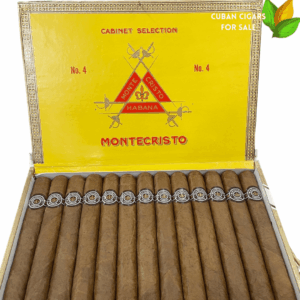
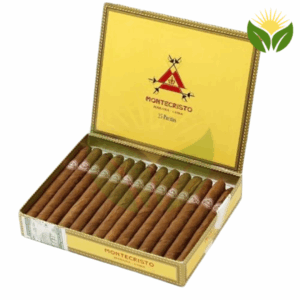
The Montecristo Churchill is probably the closest comparison in terms of strength and body. Both are in that medium-full range, both have serious aging potential. But where the Monte leans into more traditional Cuban grassiness and cocoa, the Cohiba has this refined, almost polished character. Less rustic, more sophisticated. Not better necessarily – just different. Depends what you’re in the mood for.
What to Drink With It (And When to Smoke It)
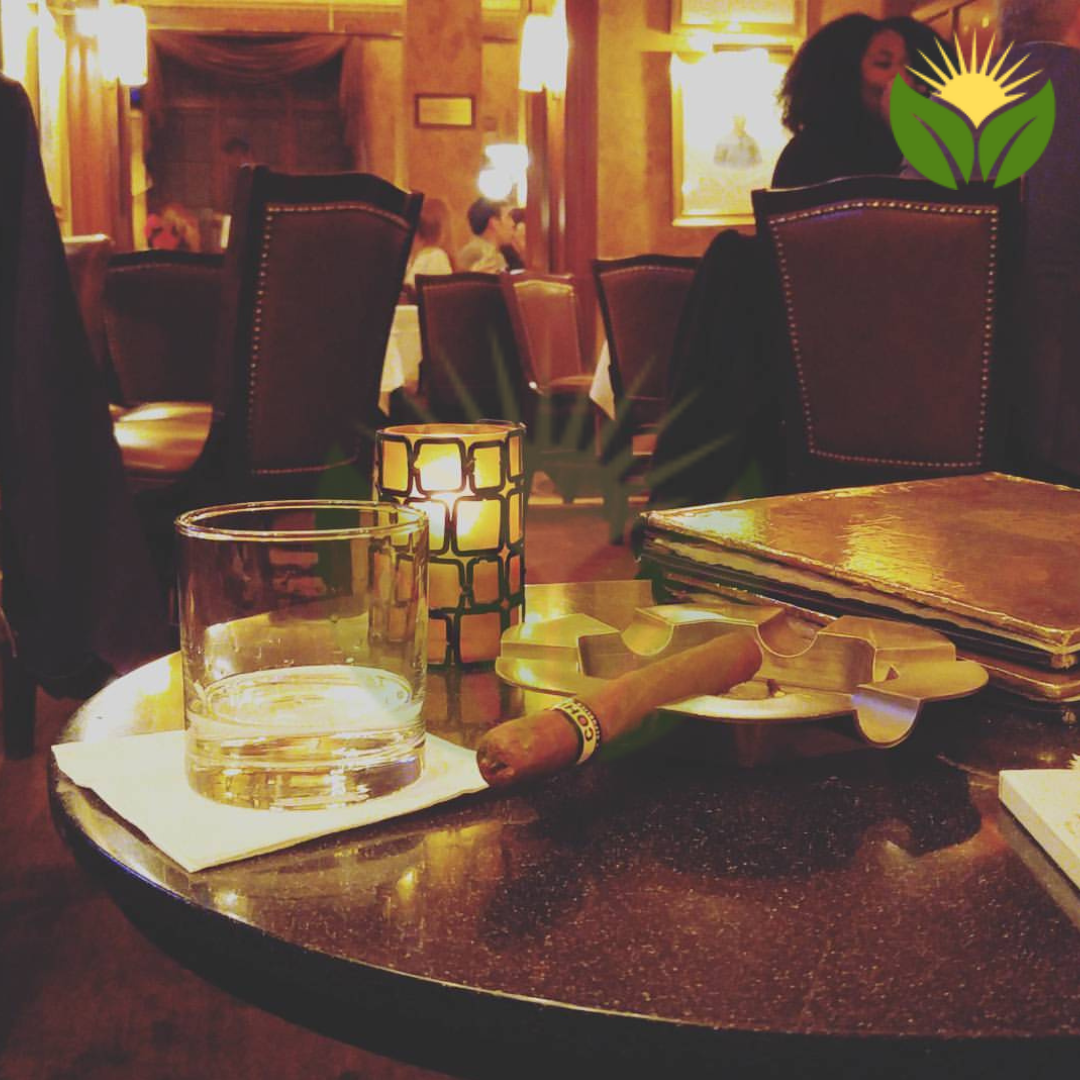
Look, I’ve tried this Churchill with everything from craft beer to aged rum, and here’s what actually works. Rum is the obvious choice – specifically aged rum. A Havana Club 15 Year is probably my go-to pairing. The caramel and vanilla notes complement that natural tobacco sweetness without competing. Ron Santiago de Cuba 25 Year if you’re feeling fancy – the chocolate notes play beautifully with the cocoa you get in the second third.
But honestly? My favorite pairing is a good single malt scotch. Something from Islay if you want those peaty, earthy notes to mirror the tobacco. Lagavulin 16 is incredible with this cigar. Or go the opposite direction – Highland scotch like Glenfiddich 18 brings out the sweeter, honeyed characteristics. Whiskey and this Churchill in particular just make sense together in a way that’s hard to explain until you try it.
Coffee works too, especially if you’re smoking in the late morning. But we’re talking about real Cuban coffee or a quality espresso – something with body and richness. Weak coffee gets steamrolled by this cigar’s flavor profile.
Timing matters. This isn’t a morning cigar unless you’ve got a seriously high tolerance. Early evening is perfect – like 5 or 6 PM when you’ve got two hours to kill and nowhere to be. After dinner absolutely works, especially after a heavy meal. The cigar’s complexity actually cuts through and refreshes your palate. And yeah, special occasions. Weddings, anniversaries, celebrating a promotion – this is that kind of cigar.
Aging Potential and Box Considerations
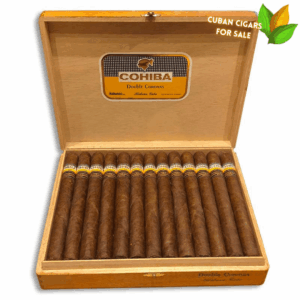
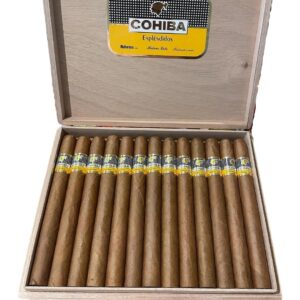
Hmm, how do I put this – if you buy a fresh box of these, please don’t smoke them right away. I know that’s asking a lot, but trust me on this. Fresh Cohibas can be good, sure, but they can also be a bit sharp, a bit one-dimensional. Give them six months minimum. A year is better. I’ve got some from 2019 right now that are just entering their prime, and the transformation is genuinely remarkable.
What happens during aging? That spice mellows out. The flavors integrate and become more harmonious instead of distinct separate notes. The wrapper gets oilier – you’ll actually see it darken slightly. And that signature Cohiba smoothness becomes even more pronounced. I’ve smoked Cohiba Churchills with ten years on them, and look, I’m not saying you need to wait that long, but if you’ve got the patience? You’ll be rewarded.
Storage is critical. Keep them at 65-68% humidity, around 65-70 degrees Fahrenheit. Too humid and you risk bloom or worse. Too dry and you lose those essential oils that carry the flavor. I learned this the hard way with an entire box back in – I think it was 2007? Maybe 2006. Left them in a poorly regulated humidor during a hot summer. Ruined them. Expensive lesson.
What makes the Cohiba Churchill different from other Cohiba vitolas?
The Churchill format gives Cohiba’s premium tobacco blend the length and ring gauge to fully develop its complexity over a longer smoking time. While smaller Cohiba vitolas like the Robusto deliver concentrated intensity, the Churchill offers a more gradual evolution with the same exceptional tobacco. You get the full range of flavors – from the initial cedar and leather through the creamy middle section to the rich, concentrated finale – without the occasional sharpness that can appear in more compact formats. It’s essentially the same exceptional blend with more breathing room.
How long should I age a Cohiba Churchill before smoking?
Real talk: minimum six months, but ideally a year or more. Fresh Cohiba Churchills can smoke fine, but they often show some roughness and the flavors haven’t fully married yet. After six months to a year, the spice mellows, the natural tobacco sweetness emerges more clearly, and everything becomes more integrated. I’ve found the sweet spot is around 2-5 years of proper aging at 65-68% humidity. Beyond that they continue to improve, though the changes become more subtle. If you’re buying a box, smoke one fresh to establish a baseline, then let the rest rest.
What strength level is the Cohiba Churchill – is it too strong for intermediate smokers?
The Cohiba Churchill sits firmly in the medium to medium-full range, which makes it accessible to intermediate smokers with some Cuban cigar experience. It’s not a powerhouse like a Bolivar or Partagás, but it’s definitely more substantial than entry-level Cubans like Hoyo de Monterrey or mild Romeo y Julietas. The key is smoking it on a full stomach and taking your time – don’t rush through it. The strength builds gradually, especially in the final third. If you’ve successfully enjoyed cigars like Montecristo No. 2 or Romeo y Julieta Churchills, you’re ready for this. If you’re completely new to cigars, start elsewhere and work your way up.
What are the dominant flavors in a Cohiba Churchill?
The core flavor profile centers on leather, earth, and cedar, but what makes it special is the layers underneath. You’ll get creamy, almost buttery texture in the smoke, cocoa notes that develop throughout, and a natural sweetness from the Vuelta Abajo wrapper that balances everything. The second third often brings toasted nuts and sometimes honey, especially in well-aged examples. There’s white pepper on the retrohale and subtle spice that adds complexity without dominating. The final third concentrates these flavors – the leather becomes richer, almost like dark chocolate, and the earth takes on a mineral quality. Throughout, there’s this signature Cohiba smoothness that comes from their unique triple fermentation process.
How does the Cohiba Churchill compare to the Montecristo Churchill?
Both are excellent medium-full Cuban Churchills, but they take different approaches. The Montecristo Churchill leans into more traditional Cuban characteristics – grassiness, cocoa, earthy tobacco flavors with a slightly rustic edge. It’s delicious and offers exceptional quality. The Cohiba Churchill is more refined and polished, with creamier texture, more complexity in the flavor transitions, and that unique character from triple fermentation. The Cohiba has more natural sweetness and tends to be smoother overall. Think of the Monte as classic Cuban tradition and the Cohiba as that same tradition elevated to its highest expression. Both have their place – the Monte for regular enjoyment, the Cohiba for when you want something special.
What’s the best time of day to smoke a Cohiba Churchill?
Late afternoon or evening works best – think 5 PM or later. This isn’t a morning cigar unless you’ve got serious tolerance. The medium-full strength and 90-120 minute smoking time make it ideal for early evening when you’ve got time to relax and nowhere to be. After dinner is perfect, especially following a substantial meal – the cigar’s complexity actually refreshes your palate. Weekend afternoons work if you can dedicate the time and have eaten lunch. I generally avoid smoking these late at night because the strength can interfere with sleep. Save it for occasions when you can give it your full attention without rushing.
Should I retrohale the Cohiba Churchill, and when?
Absolutely, but strategically. The aroma complexity really shines through retrohaling, especially in the second third where you’ll pick up white pepper, cedar, toasted nuts, and sometimes subtle cinnamon notes that don’t come through on the palate alone. Start gentle – this isn’t a mild cigar, and aggressive retrohaling can overwhelm your senses. I usually retrohale every fifth or sixth puff during the sweet spot in the middle section. The first third can be a bit sharp for retrohaling, and the final third gets strong enough that you might want to back off. But during that beautiful second third? That’s when retrohaling reveals what makes this cigar special.
Final Thoughts: Is This Your Next Churchill?
Here’s where we land – the Cohiba Churchill isn’t an everyday cigar for most people, and that’s perfectly fine. It’s not trying to be. This is the cigar you reach for when the occasion calls for Cuba’s finest tobacco treated with exceptional care and given the space to show what it can do.
If you’re looking for your regular Churchill rotation, honestly, there are more approachable options that deliver excellent quality. But when you want to experience Cuban cigar making at its peak – when you’ve got the time, the right setting, maybe something worth celebrating – this is the one. That triple fermentation process, the meticulous tobacco selection, the way the flavors develop and evolve over two hours – it all adds up to something genuinely special.
No joke, every time I light one of these up, I’m reminded why I fell in love with Cuban cigars in the first place. The craftsmanship, the tradition, the sheer quality of tobacco that only comes from Vuelta Abajo at its finest. Yeah, it’s a Cohiba, and yeah, that comes with certain expectations and prestige. But strip all that away and you’re still left with one of the finest smoking experiences in the entire Habanos portfolio.
Add a box to your humidor. Let them age. Save them for moments that matter. You won’t regret it.