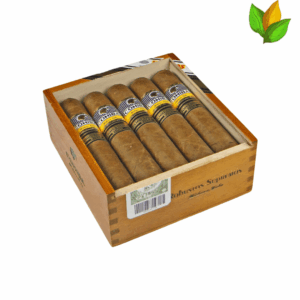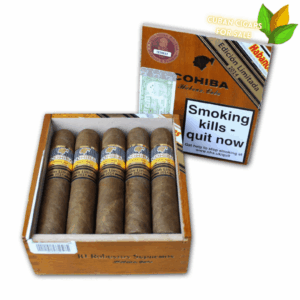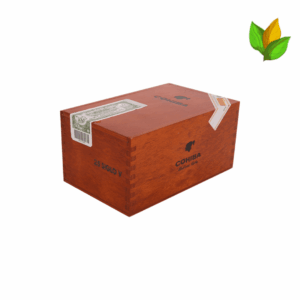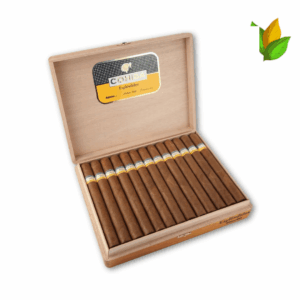


Description
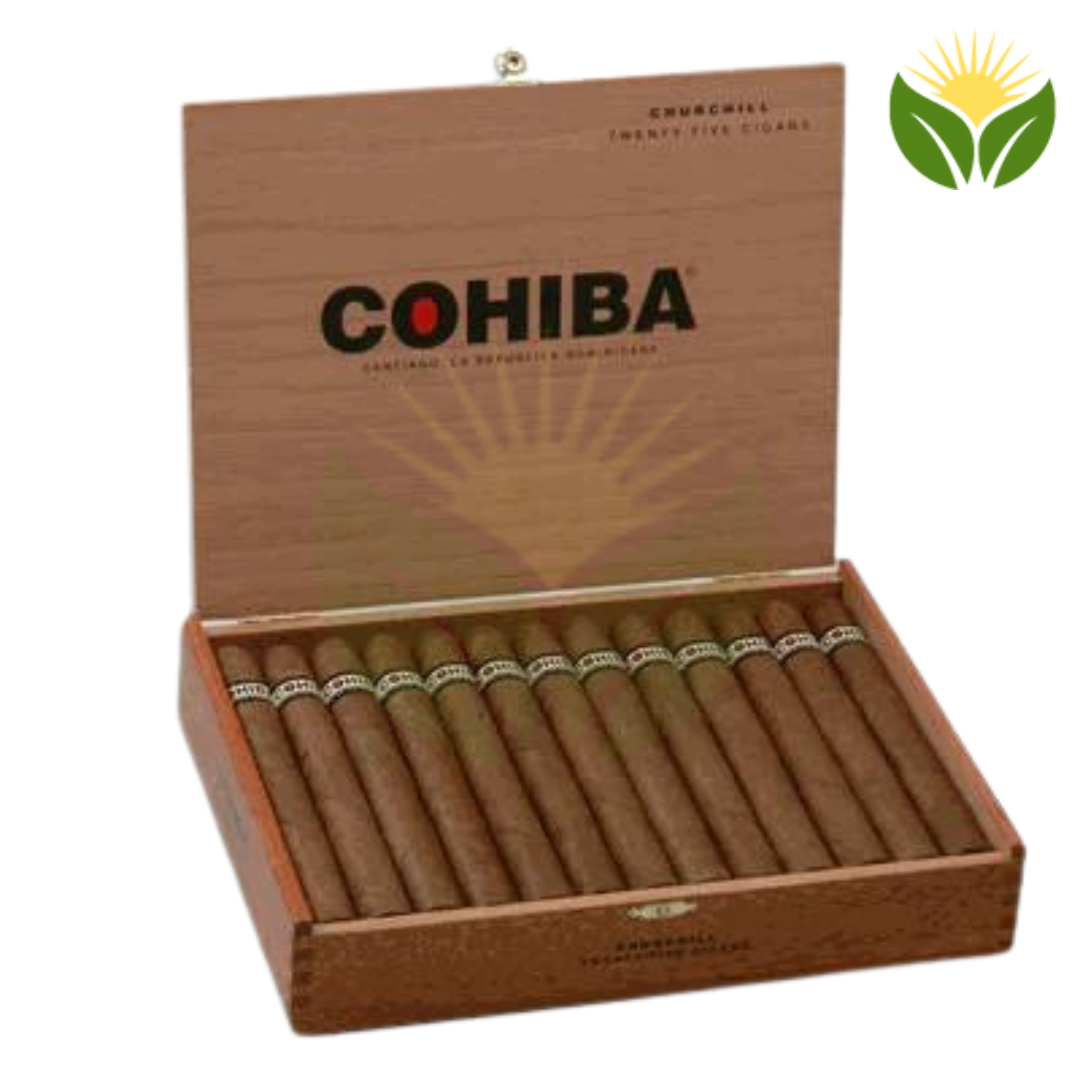
The Cohiba Churchill: When You Want to Make a Statement
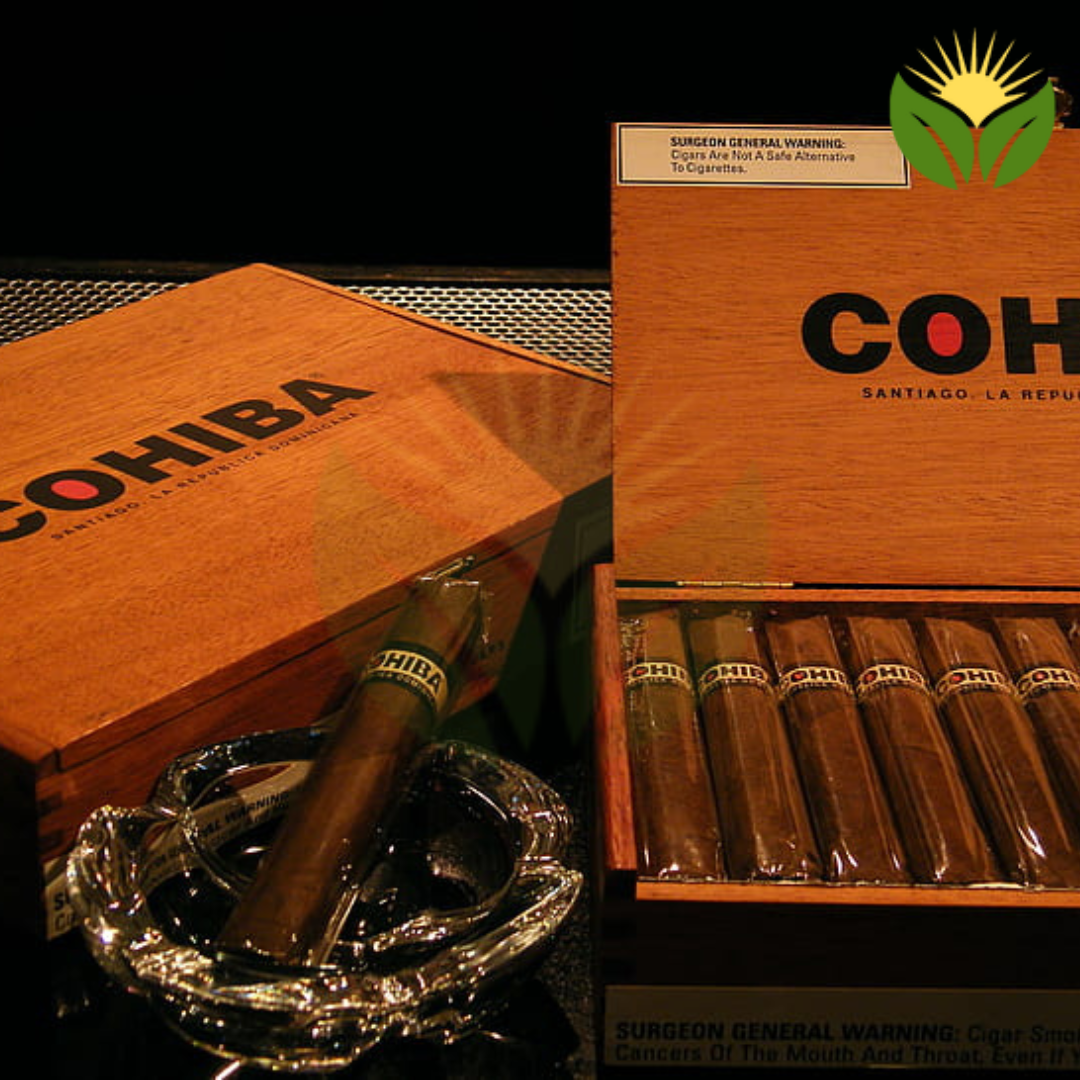
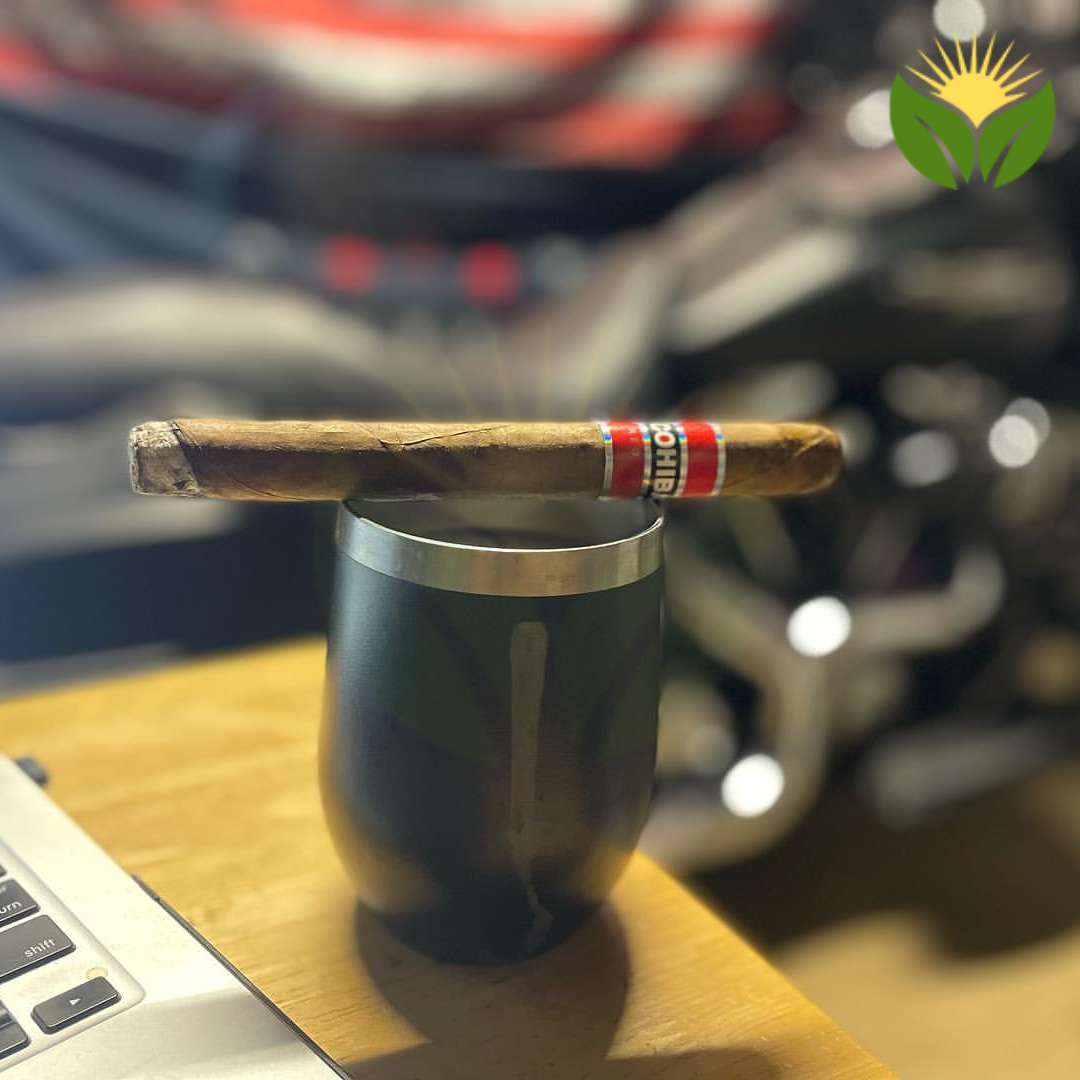
I still remember the first time I held a Cohiba Churchill. It was 1998, sitting at a rooftop lounge in Havana, watching the sunset paint the Malecon orange and gold. My Cuban friend, a tobacco grower from Pinar del Río, handed me one and said, “This is what we’re really proud of.” Twenty-five years later, I’m still chasing that same experience every time I light one up. This isn’t just another Churchill-sized cigar – it’s Cohiba’s statement piece, the cigar you reach for when you want the full Cuban experience without compromise. If you’ve been curious about what makes Cohiba Cuba’s flagship brand, or why seasoned aficionados keep coming back to this particular vitola, you’re about to find out.
Why This Cigar Exists (And Why It Matters)
Cohiba wasn’t supposed to be available to people like you and me. Created in 1966 exclusively for Fidel Castro and Cuban diplomats, it remained a state secret until 1982. When they finally released it to the public, they didn’t mess around – they wanted each vitola to represent the absolute pinnacle of Cuban tobacco craftsmanship. The Churchill format? It’s named after Winston Churchill himself, who famously preferred larger ring gauge cigars that could burn slowly during long war meetings and longer poker games.
What makes this specific cigar special is the triple fermentation process Cohiba uses on their tobacco. While most Cuban cigars go through two fermentations, Cohiba adds a third. It’s time-consuming, expensive, and – I’ll be honest – some tobacco purists argue it’s unnecessary. But smoking a Cohiba next to any other marca? You taste the difference. There’s this smoothness, this refined quality that’s hard to describe until you experience it yourself.
This is a cigar for the smoker who’s moved past the experimental phase. If you’re still figuring out whether you prefer maduro wrappers or natural Connecticut shade, maybe work your way up to this. But if you’ve smoked your share of Tatuaje, explored the Alec Bradley Tempus series, and you’re ready to understand what Cuban tobacco can do when money and time aren’t constraints – well, then we need to talk.
| Specification | Details |
|---|---|
| Vitola | Churchill (Julieta No. 2) |
| Length | 7 inches / 178 mm |
| Ring Gauge | 47 |
| Wrapper | Cuban Vuelta Abajo |
| Binder | Cuban Vuelta Abajo |
| Filler | Cuban long-filler blend (triple fermented) |
| Strength | Medium to Medium-Full |
| Smoking Time | 90-120 minutes |
What Actually Happens When You Smoke It
The cold draw – before you even light this thing – gives you hints of what’s coming. There’s this sweet hay note, maybe a touch of cocoa if you’re lucky with your particular cigar. The construction is typically flawless. I’ve smoked maybe forty of these over the years, and I can count on one hand the ones that gave me draw issues. The Torcedores at El Laguito (that’s Cohiba’s exclusive factory) don’t mess around.
First third hits you gentle but confident. This isn’t a cigar that punches you in the face – that’s not the Cohiba style. You get smooth, creamy smoke with notes of cedar and this distinctive Cohiba sweetness that’s tough to pin down. Some people say it’s cocoa, others taste caramel. I get both, honestly, depending on humidity and what I had for lunch. The leather notes start appearing around the one-inch mark. The burn line? Razor sharp if you’re not smoking in high wind.
Second third is where things get interesting, and this is what you’re really paying for. The complexity layers up – you’ve still got that creamy base, but now there’s white pepper coming through on the retrohale. Coffee bean undertones. Sometimes I get this roasted almond thing happening that reminds me of good Habano tobacco at its finest. The smoke production is generous without being overwhelming. Your ash should be holding solid to about an inch and a half, grey-white with that classic firm structure. If it’s not, check your humidity levels – you might be storing them wrong.
Final third is where medium-bodied cigars sometimes fall apart, but not this one. The strength builds to a solid medium-full, but it stays smooth – that triple fermentation doing its job. You’ll get earth tones, maybe some dark chocolate if the cigar gods are smiling. The retrohale becomes spicier but never harsh. I’ve noticed that if you smoke it too fast (common mistake with Churchills – people get impatient), you’ll get bitterness. Slow down. This isn’t a Robusto you’re rushing through on a lunch break. Give it the two hours it deserves, and it’ll reward you with a buttery smooth finish that lingers for a solid twenty minutes after you set it down.
How It Stacks Up Against the Competition
| Cigar | Strength | Smoking Time | Best For |
|---|---|---|---|
| Cohiba Churchill | Medium to Medium-Full | 90-120 min | Special occasions, refined palates |
| Partagás Lusitania | Full | 90-120 min | Bold flavor seekers, evening smoke |
| Montecristo No. 1 | Medium | 75-90 min | Classic Cuban experience, everyday luxury |
| Hoyo de Monterrey Churchill | Mild to Medium | 90-110 min | Morning smoke, milder preferences |
Real talk: the Partagás Lusitania is bolder and earthier if that’s your thing. The Montecristo is a bit more approachable and – honestly – more forgiving if your palate isn’t super refined yet. But the Cohiba? It’s in a class of its own for smoothness and complexity. I think it was around 2010 when I did a side-by-side comparison with all four of these at a tasting event. The Cohiba was the only one where everyone in the group – from the novice to the thirty-year veteran – agreed it was exceptional. That’s rare.
What to Pair It With (And When to Smoke It)
This cigar demands respect in your pairing choices. Don’t waste it with whatever’s handy. I’ve found that a good añejo rum – specifically something like Havana Club 15-year Reserva – brings out the sweetness without overwhelming the tobacco. If you’re a whisky person, go with a smooth single malt, nothing too peaty. Highland Park 18 works beautifully. Actually, scratch that – I had one with Glenfiddich 18 last month and it was phenomenal.
Coffee? Yes, but make it Cuban espresso or a smooth cold brew. Nothing acidic that’ll clash with the wrapper. I’ve also had success with aged cognac – the VSOP level, not the cheap stuff. And if you’re feeling adventurous, a dark porter beer can work, though that’s not traditional.
Time of day matters more than people think. This is an evening cigar, ideally after dinner when you’ve got nowhere to be for the next two hours. Weekend afternoons work too – I love these on Sunday mornings with strong coffee, watching the world wake up slowly. But never rush it. Never smoke this during a work break or when you’re distracted. It deserves your full attention, and you deserve to enjoy what you’re investing in.
Common Questions (That Actually Matter)
How does the Cohiba Churchill compare to non-Cuban Churchills I’ve tried?
Night and day difference, honestly. Nicaraguan and Dominican Churchills – even excellent ones from Alec Bradley or Tatuaje’s reserva series – tend to be bolder and spicier. Cuban tobacco, especially Cohiba’s triple-fermented leaves, gives you smoothness and complexity rather than raw strength. If you love maduro wrapped Nicaraguan cigars for their power, you might actually find this subtle by comparison. But that subtlety is the whole point – it’s refined rather than aggressive.
What’s the ideal humidity level for storing these?
Keep them at 65-68% relative humidity. I learned this the hard way – stored a box at 72% once and they smoked like wet cardboard. Too dry (below 62%) and you lose that creamy smoke texture Cohiba is known for. Also, let them rest at least a month after you receive them. Cuban cigars need time to stabilize after shipping, and Cohibas especially benefit from a good rest period.
Is this cigar worth it for someone relatively new to Cubans?
Hmm, how do I put this. If you’ve smoked quality cigars from other origins and you understand flavor profiles, yes. If you’re jumping from gas station cigars straight to this, you’re not going to appreciate what you’re experiencing. Work your way through some Montecristo No. 4s or H. Upmann Half Coronas first. Build your palate. Then come back to this when you can actually taste the difference that triple fermentation makes.
How long can I age these, and will they improve?
Cuban cigars age beautifully if stored correctly. I’ve got a box from 2015 that’s smoking better now than when I bought them. The sweet notes become more pronounced, the pepper mellows out, and everything integrates. You can age these for 5-10 years easily, maybe longer. But honestly? They’re also excellent fresh. Don’t feel like you need to wait years to enjoy them – that’s a myth some collectors perpetuate.
Why does this cost more than other Churchill-sized cigars?
Three reasons: the triple fermentation process I mentioned (extra time and labor), the fact that Cohiba only uses the finest leaves from Vuelta Abajo region, and brand prestige. Are you paying partly for the name? Sure. But unlike some luxury goods where you’re only paying for the logo, here you’re actually getting measurably different tobacco treatment. I’m probably biased here, but I think the quality justifies the difference.
Can I smoke this right out of the box or should I let it rest?
Let it rest. Minimum two weeks, ideally a month. I know that’s torture when you’ve just received them and you’re excited. But Cuban cigars go through temperature fluctuations during shipping that mess with the moisture content and overall balance. Your patience will be rewarded with much better construction and flavor. Trust me on this – I’ve made the impatient mistake enough times to know better now.
What’s the difference between this and the Cohiba Esplendido?
The Esplendido is longer (7 inches versus… wait, no, they’re both 7 inches. My mistake. The Esplendido has a 47 ring gauge too. Actually, you know what – the Churchill and Esplendido are extremely similar in size. The main difference is the slightly different blend proportions and the Esplendido traditionally being seen as the flagship. But honestly, smoke them side by side and you’re getting essentially the same Cohiba experience. Pick whichever you can find in better condition.
Final Thoughts From the Lounge
The Cohiba Churchill isn’t an everyday cigar for most people, and that’s perfectly fine. This is what you reach for when you want to remember why you fell in love with Cuban cigars in the first place. It’s celebratory without being ostentatious, complex without being intimidating, and smooth in a way that only Cohiba manages consistently. If you’ve been sitting on the fence about trying one, stop overthinking it. Get one, set aside two hours on a weekend evening, pour something worthy of accompanying it, and just enjoy what Cuba’s most prestigious tobacco brand does best. You’ll either understand why aficionados keep coming back to this marca, or you’ll discover that your preferences lean elsewhere – and either way, that’s valuable information about your own palate. Life’s too short for mediocre cigars, and this definitely isn’t one of them.