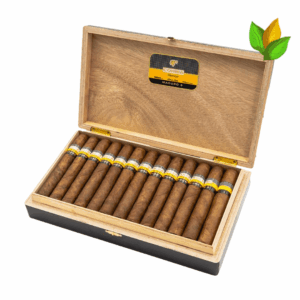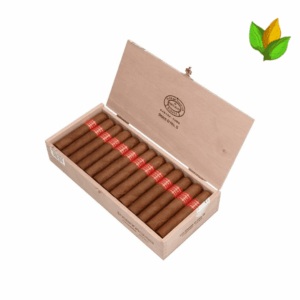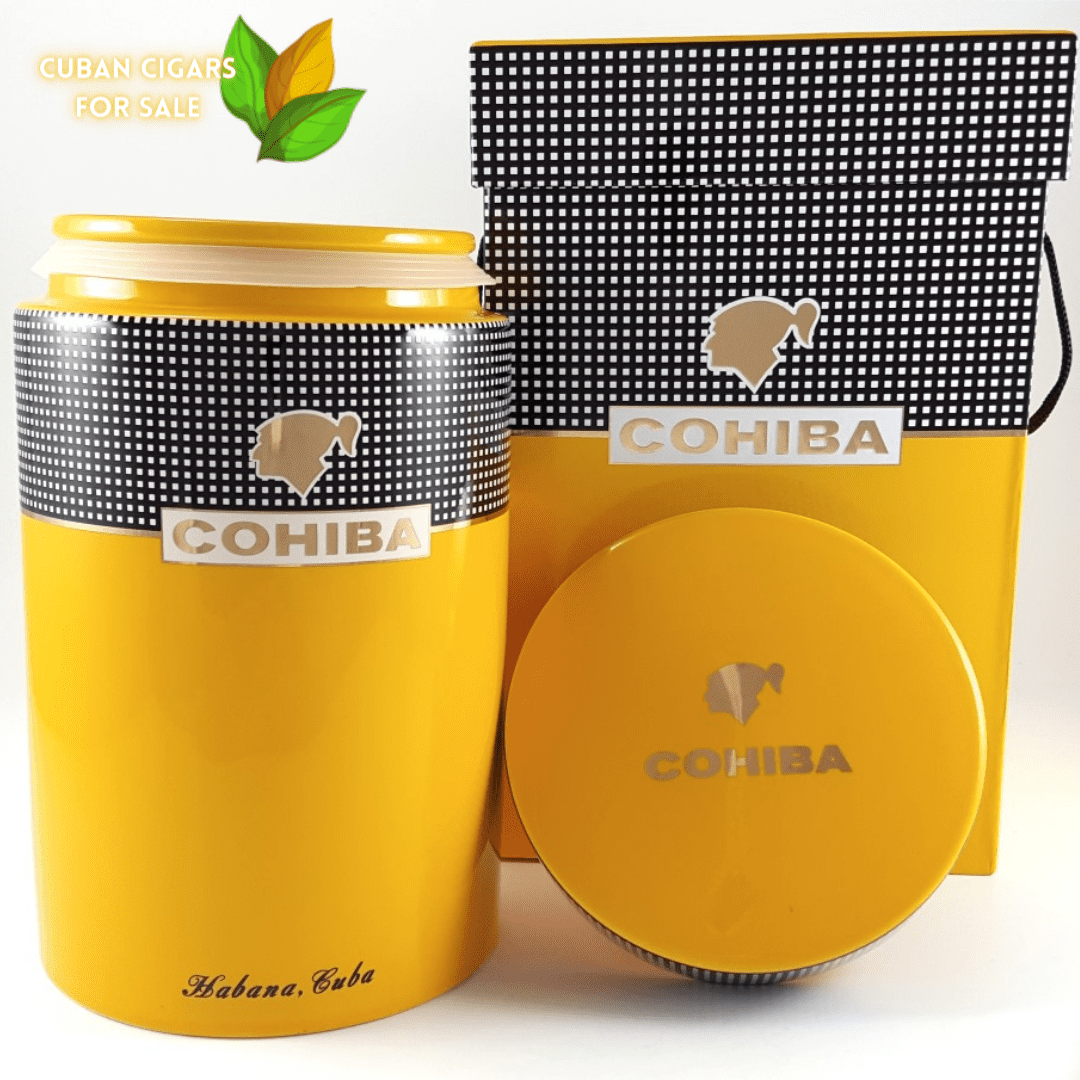

Description
The Cohiba Piramides EXTRA: When Legendary Meets Larger
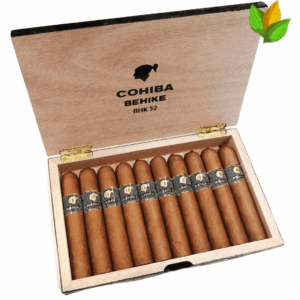
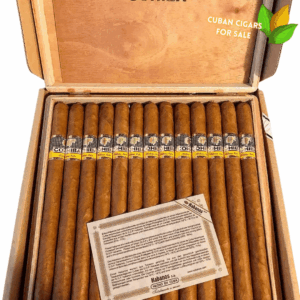
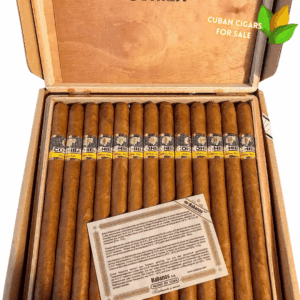
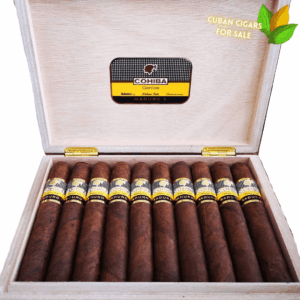
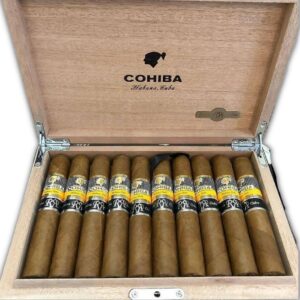
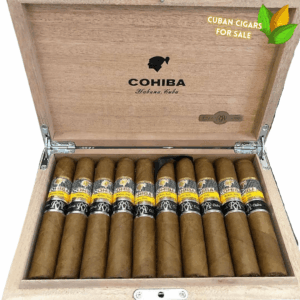
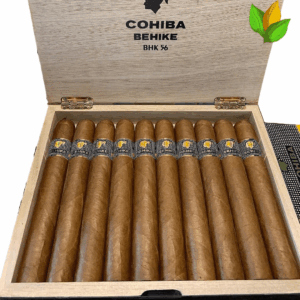
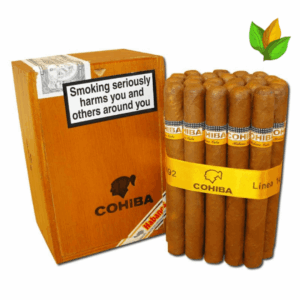
Look, I’ve been smoking Cuban cigars since my first trip to Havana in ’97, and I thought I knew everything about Cohiba’s lineup. Then the Piramides EXTRA showed up and – honestly? – it made me rethink some assumptions I’d held for years. This isn’t just another torpedo-shaped stick with a fancy band. This is Cohiba taking their already legendary Piramides format and saying, “What if we made it even more of an experience?” And I know this sounds dramatic, but the first time I smoked one, I understood immediately why they chose that EXTRA designation. It’s not marketing fluff – there’s genuinely something extra here.
Here’s what you’re going to learn in this breakdown: the complete flavor journey from first light to final puff, how this compares to other premium Cohibas (and whether the size difference actually matters), and – because someone always asks – what you should be drinking alongside it. Between you and me, I think this vitola doesn’t get the attention it deserves, probably because everyone gravitates toward the standard sizes. Their loss.
What Makes the Piramides EXTRA Actually Special
Thing is, Cohiba doesn’t need to prove anything to anyone. They’re the flagship brand of Habanos S.A., created in 1966 originally for Fidel Castro and diplomatic gifts. By the time they went commercial in 1982, their reputation was already mythical. So when they release a vitola with “EXTRA” in the name, they’re not compensating for anything – they’re making a statement.
The Piramides EXTRA takes everything that made the classic Cohiba Piramides a hall-of-fame smoke and stretches it out. Longer. More tobacco. More time to develop those signature flavors that come from using only the finest leaves from the Vuelta Abajo region – you know, those tobacco fields that make Cuban cigars, well, Cuban cigars. And here’s what gets me: they don’t just make it bigger and call it a day. The blend is calibrated for this specific length and ring gauge. It’s like the difference between a short story and a novel – same writer, same style, but the longer format lets them develop themes you wouldn’t catch otherwise.
Who’s this for? Real talk: this is for the smoker who has the time and patience to appreciate a proper long-format cigar. If you’re the type who rushes through a robusto on a lunch break, this probably isn’t your speed. But if you can set aside a couple hours – maybe a Saturday afternoon, maybe after a big dinner – and you want something that’ll evolve and surprise you right up to the nub, then yeah. This is your cigar. It’s got that classic Cohiba elegance, that creamy smoothness, but with more room to explore the complexity that Cohiba is famous for.
| Specification | Details |
|---|---|
| Vitola | Piramides EXTRA |
| Length | 6.125 inches / 156 mm |
| Ring Gauge | 54 |
| Wrapper | Cuban (Vuelta Abajo) |
| Binder | Cuban |
| Filler | Cuban blend – three leaves, twice fermented |
| Strength | Medium (builds to medium-plus) |
| Smoking Time | 90-120 minutes |
The Complete Smoking Experience – No Sugarcoating
Okay, so let me walk you through what actually happens when you light one of these up. I’m not gonna give you the romanticized marketing version – this is what I experienced last Thursday evening, sitting on my patio with a glass of rum within arm’s reach.
The cold draw hits you first, obviously. Before you even apply flame, there’s this cedar note – and I mean that exact smell of opening a properly seasoned humidor. Not cedar mulch from Home Depot. Actual Spanish cedar. Mixed in there, you get hints of what’s coming: something earthy, something slightly sweet, maybe a touch of cocoa if you’re paying attention. The construction feels solid in your hand. That wrapper – gorgeous Colorado shade, maybe leaning slightly toward claro depending on the crop – has this almost oily sheen to it. Not wet, just… premium. You know it when you see it.
First third? I’ll be honest with you: it starts mild. Surprisingly mild for a Cohiba, actually. That tapered head concentrates the smoke beautifully, and you’re getting this smooth, creamy introduction. Cedar is the dominant note here, backed up by something I can only describe as sweet hay or dried grass. There’s a natural sweetness that doesn’t need flavoring – that’s just quality tobacco doing its thing. The burn line stays razor-sharp if you’ve stored it properly (and if you haven’t, well, that’s on you). The ash builds up white and solid, holds for a good inch and a half before you need to think about flicking it.
Second third – oh man, the second third – this is where it earns the premium price tag. Wait, let me back up. This is where the complexity really opens up. That mild beginning starts building. Coffee notes emerge, not like espresso, more like a really good café con leche. The cedar’s still there, but now it’s sharing space with leather, earth, and this interesting spicy element that shows up on the retrohale. Not pepper spicy – more like baking spices. Cinnamon? Maybe nutmeg? I’m probably biased here, but I think this middle section is where Cohiba shows why they’re Cohiba. Everything is balanced. Nothing dominates. The strength notches up to a solid medium, and if you’re drinking alongside it, this is when the pairing really starts to sing.
Final third gets interesting because the cigar knows it’s ending and decides to leave an impression. The strength builds to medium-plus – still not full, mind you, but definitely more assertive than where you started. Those cocoa notes that were hiding in the background? They come forward. The creaminess remains, which is remarkable this far into a smoke. Some cigars get harsh or bitter in the final stretch, but not this one. It stays elegant right up until you’re burning your fingertips trying to squeeze out one more draw. The retrohale in this section – if you’re into retrohaling, and if you’re not, you’re missing half the experience – gives you this wonderful spicy-sweet combination that lingers.
And I know some aficionados will disagree with me on this, but I genuinely believe the EXTRA length makes a difference. It’s not just “more of the same.” The longer format gives the filler blend more distance to develop. Flavors have time to emerge, evolve, and combine in ways they can’t in a shorter vitola. That’s not marketing talk – that’s just physics and tobacco science.
How It Stacks Up Against the Competition
Here’s the thing – when you’re playing at this level, comparing cigars gets subjective fast. But people always want to know: how does this match up against other premium smokes in the same category? Fair question.
| Cigar | Strength | Smoking Time | Best For |
|---|---|---|---|
| Cohiba Piramides EXTRA | Medium to Medium-Plus | 90-120 minutes | Elegant complexity, special occasions, afternoon smoking |
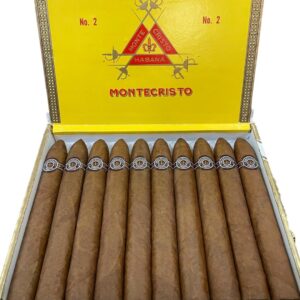
| Montecristo No. 2 | Medium | 60-75 minutes | Classic pyramid experience, more earthy profile, shorter commitment |
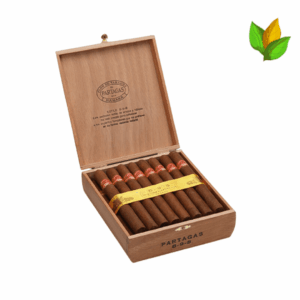
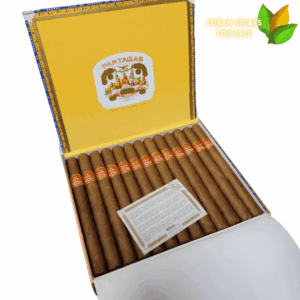
| Partagás Serie P No. 2 | Medium-Full | 70-90 minutes | Bolder flavor, more spice-forward, heavier body |
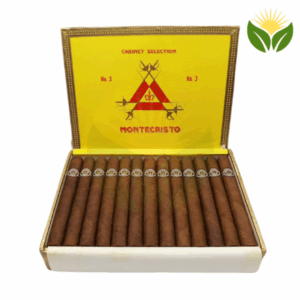
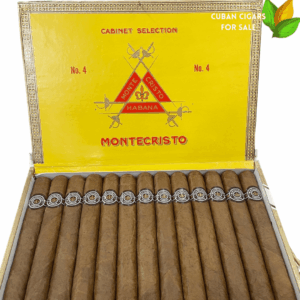
Real talk: the Montecristo No. 2 is probably the most famous pyramid-shaped Cuban cigar on the planet. It’s iconic for good reason – that earthy, classic Cuban profile that defined what people expect from Habanos. But it’s a different animal. Shorter smoke time, more straightforward flavor progression. The Cohiba EXTRA is more refined, more subtle in how it develops. It’s like comparing a great blues guitarist to a classical virtuoso – both excellent, totally different approaches.
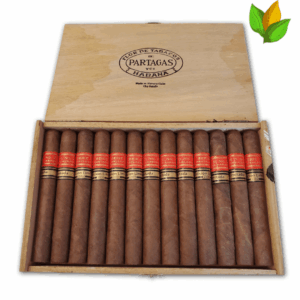
The Partagás Serie P No. 2? That’s for when you want something with more punch. It’s earthier, spicier, more in-your-face from the start. I love that cigar, don’t get me wrong, but it’s not trying to be elegant. It’s trying to be bold. The Cohiba plays a different game entirely – it wants to seduce you with complexity, not impress you with strength.
And here’s what nobody talks about enough: the Cohiba’s creaminess. That signature creamy texture that runs through the entire smoke – that’s the result of the extra fermentation process that only Cohiba and some Trinidad vitolas get. You’re not finding that same mouthfeel in most other Cuban brands, no matter how good they are. It’s a textural thing as much as a flavor thing, and once you notice it, you can’t un-notice it.
What You Should Drink With It (And When to Smoke It)
Look, you can smoke this cigar with whatever you want – I’m not the cigar police. But since you’re reading this, you probably want some guidance that goes beyond “pairs well with beverages.” So here’s what I’ve learned actually works:
Rum is the obvious choice, and honestly? It’s obvious for a reason. A good añejo rum – I’m thinking Havana Club 7 Year or, if you can find it, Santiago de Cuba 11 Year – complements without competing. The sweetness in aged rum plays beautifully with that cedar and cocoa profile. Pour it neat, maybe one large ice cube if it’s summer. Don’t drown it.
Coffee, weirdly enough, works great with this cigar. Not your morning coffee – I mean a proper Cuban coffee after a meal. The espresso intensity matches up with those coffee notes in the second third, and there’s something about the combination that just feels right. Maybe it’s the shared origin story. Maybe I’m overthinking it.
Whisky drinkers – hear me out – try a Highland Scotch. Something like Dalwhinnie 15 or Glenmorangie Original. The lighter, honeyed character doesn’t overpower the cigar’s elegance. Skip the Islay peat bombs for this one – save those for your fuller-bodied smokes. Actually, scratch that – if you love Islay whisky, you do you. But the pairing won’t be as harmonious.
When should you smoke it? Not gonna lie, this is an afternoon cigar for me. Late afternoon, specifically. After lunch but before dinner. You need energy to appreciate it – smoking this thing at 11 PM after a big meal and you’ll miss half the subtlety because you’ll be fighting sleep. Weekend afternoons. Celebrations. Golf outings if that’s your thing, though 18 holes might not give you enough uninterrupted time to do it justice. Think occasions where you can sit, relax, and not rush. This isn’t a “smoke while doing yard work” cigar. It demands attention, and it rewards that attention.
Everything You’re Probably Wondering
What’s the difference between the Piramides EXTRA and the regular Cohiba Piramides?
The EXTRA is longer and has a larger ring gauge – about 6.125 inches versus 6.1 inches for the standard, but with a noticeably thicker body at 54 ring gauge. More importantly, that extra tobacco and longer format gives the flavor profile more room to develop. You’re looking at 30-40 minutes more smoking time, and the complexity builds differently. The regular Piramides is excellent, don’t misunderstand me, but the EXTRA takes that same concept and stretches it into a longer narrative arc. If you only have an hour, stick with the standard. If you have two hours and want something special, go EXTRA.
Is this too strong for someone relatively new to Cuban cigars?
Honestly? It depends on what you mean by “new.” If you’ve never smoked a cigar before in your life, then yeah, maybe start with something smaller and milder just to learn the basics. But if you’ve got some experience with cigars in general and you’re specifically new to Cubans, this is actually a pretty welcoming introduction. It starts mild and builds gradually. The strength never gets overwhelming – it caps out at medium-plus, which is totally manageable if you’ve eaten something and you’re not rushing through it. I’d be more worried about the time commitment than the strength. Just smoke it slow, don’t skip meals beforehand, and have a sweet drink nearby. You’ll be fine.
How should I store these, and do they need aging?
Standard Cuban cigar storage rules apply: 65-70% humidity, around 65-68°F if you can manage it. Don’t go above 70% humidity or you’re asking for burn issues. As for aging – here’s where I’ll probably start an argument – these smoke beautifully right out of the box if they’ve been stored properly from the factory to your humidor. That said, if you’ve got the patience and discipline, letting them rest for 6-12 months will mellow them out even further and integrate the flavors more completely. I’ve had fresh ones and I’ve had five-year-old ones, and both were excellent in different ways. Fresh gives you brighter cedar and more defined flavor separation. Aged gives you more harmony and integration, everything blending together like a well-rehearsed orchestra. Your call based on your preference and willpower.
What makes Cohiba’s tobacco blend different from other Cuban brands?
Two words: extra fermentation. While most Cuban cigars undergo two fermentations of their filler tobacco, Cohiba does three. That third fermentation is what gives you that signature creamy smoothness and reduces any harshness or ammonia notes you might find in younger or less-processed tobacco. They also use only the finest leaves from the Vuelta Abajo region – specifically, the medio tiempo leaves from the top of the plant for the filler blend. These are the smallest, most flavorful, and rarest leaves. Not every tobacco plant even produces suitable medio tiempo leaves. So you’re getting premium tobacco that’s undergone an extra step of processing that most other brands skip. That’s part of why Cohiba sits at the top of the Habanos portfolio, and why – I’ll be blunt – you’re paying more for them than you would for a Partagás or Romeo y Julieta of similar size.
How do I know if I’m getting an authentic Cohiba and not a fake?
Oh man, the counterfeit question. Look, Cohiba is the most counterfeited cigar brand on the planet, so your paranoia is justified. Here’s what to check: First, buy from authorized retailers only – if you’re getting offered Cohibas at a steep discount from some guy on the street in Cancun, you’re getting fakes. Period. Second, examine the band carefully – it should have precise printing, holographic elements that shift in the light, and no spelling errors. The box should have a proper Habanos warranty seal with a holographic strip and unique code you can verify on the Habanos authentication site. The cigars themselves should have impeccable construction – smooth wrappers, no soft spots, perfect caps. The smell from the box should be cedar and tobacco, not barnyard or nothing at all. If something feels off, it probably is. Between you and me, if you’re buying from a reputable online retailer that specializes in Cubans and has been in business for years, you’re almost certainly fine. The fakes mostly show up in tourist traps and “too good to be true” situations.
What time of year is best for smoking this vitola?
I’m probably biased here, but I think spring and fall are ideal. The 90-120 minute smoking time means you’re outside for a while, and doing that in July heat or January freeze isn’t always pleasant depending on where you live. Spring and autumn give you those perfect 70-degree afternoons where you can sit comfortably for two hours without sweating or shivering. That said, I’ve smoked these in every season, and honestly, the cigar is good enough that the weather doesn’t matter as much as finding the right time and mindset. If you’ve got a good heated patio setup or a comfortable lounge spot, smoke them whenever the mood strikes. The cigar doesn’t care what season it is – your comfort level does.
Can I smoke this on an empty stomach?
I mean, you can, but should you? Probably not. This is a medium-strength cigar that builds over two hours – that’s a lot of nicotine even if it’s not a full-bodied powerhouse like some other brands. Smoking it on an empty stomach risks getting lightheaded or nauseous, especially in that final third when the strength peaks. I always recommend having at least a decent lunch in your system before lighting up something this size. Keep some sugary drink nearby too – that rum I mentioned earlier serves double duty as both pairing and safety net if the nicotine starts hitting harder than expected. Not worth ruining a premium cigar experience by feeling sick halfway through. Eat first, then smoke. Your stomach will thank you.
The Bottom Line on the Piramides EXTRA
So after all that, what’s the verdict? Thing is, I don’t believe in declaring cigars “the best” because everyone’s palate is different and context matters. But I’ll say this: the Cohiba Piramides EXTRA represents everything that makes Cuban cigars legendary. The craftsmanship. The complexity. That ineffable quality that keeps people seeking out Habanos even when excellent cigars from other countries are more accessible and sometimes more consistent.
This isn’t a daily smoke – let’s be realistic about that. But for those occasions when you want to mark something special, when you’ve got the time to really sit with a cigar and pay attention to what it’s doing, this delivers. The flavor progression from that mild, creamy beginning through the complex middle section to that satisfying, cocoa-tinged finale – it’s a journey worth taking if you’re into this hobby.
And here’s my actual hot take: I think this vitola flies under the radar compared to the standard Piramides or the more famous Cohiba vitolas like the Esplendido or Siglo VI. That’s good news for you because when something is slightly less hyped, it’s often easier to find in stock. Everyone rushes for the famous names, and meanwhile, this EXTRA is sitting there being excellent and available.
If you’ve read this far, you’re clearly serious about your cigars. You’re not looking for a quick fix – you’re looking for an experience. That’s exactly what the Cohiba Piramides EXTRA delivers. Add it to your cart. Set aside a Saturday afternoon. Pour something complementary. Light it up properly with a torch lighter and a little patience. And then just… enjoy it. That’s what it’s there for. No joke, you’ll understand why people have been obsessed with Cohiba for nearly 60 years.