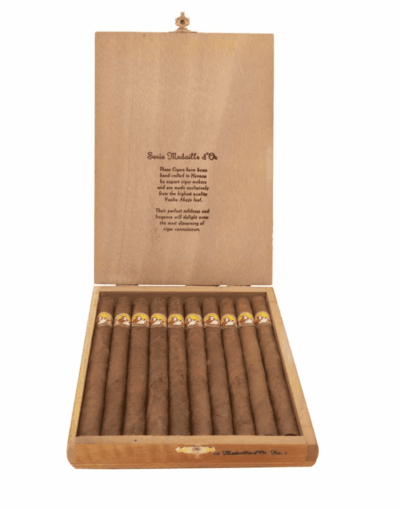
Description
Last Tuesday found me in my grandfather’s old garden, which he spent 40 years perfectly shaping into a hushed, green retreat. It’s a secluded spot, removed from the drone of the city, where all you hear is an occasional rustle of a blue jay in the hedges. He died last winter, leaving me an immense, brass-bound humidor that stank of cedar and half a century’s worth of secrets. I left it alone for months. I didn’t feel like I’d earned the privilege to crack the seal on his private stash. But on that afternoon, after having finally completed the restoration of his ancient oak potting bench — a project that left me with sweat and splinters three months in the making — I felt a giddy sense of triumph. I had kept his roses alive, and I had mended his bench. I was ready.
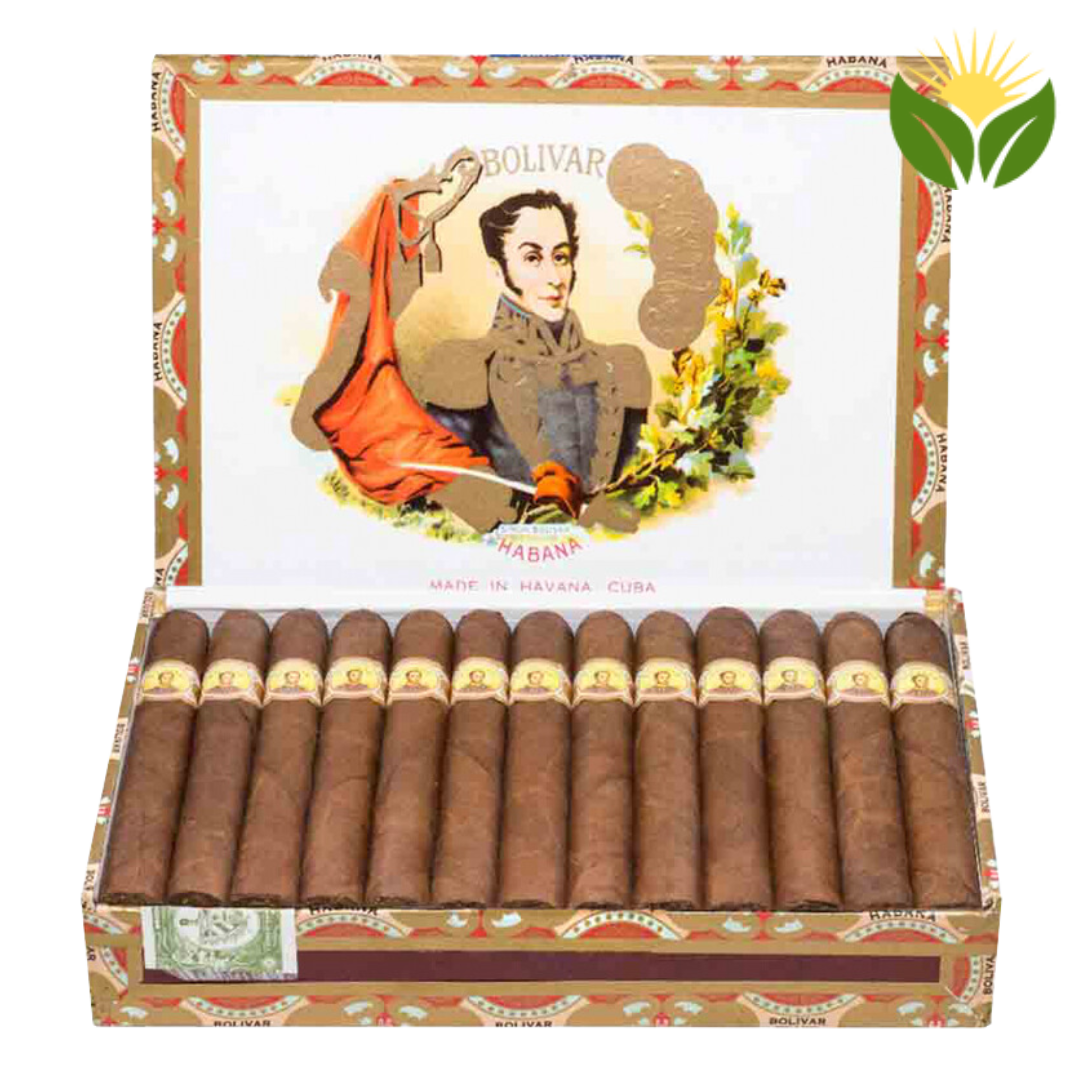
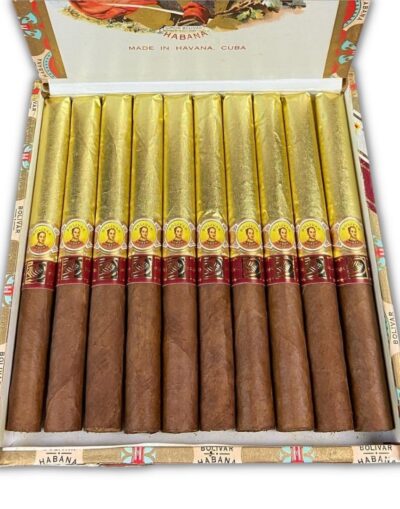
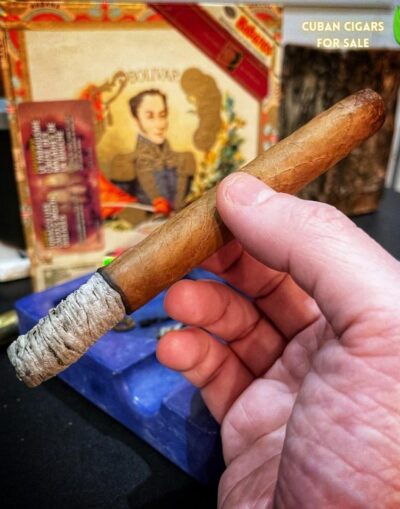
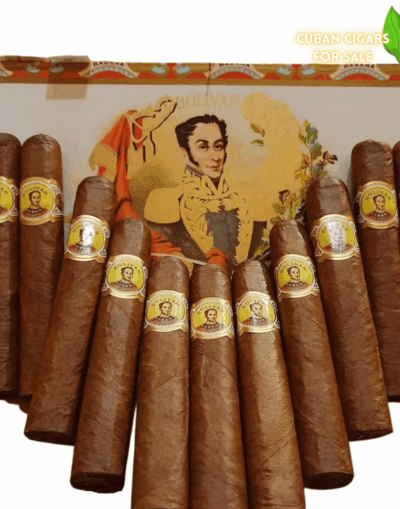
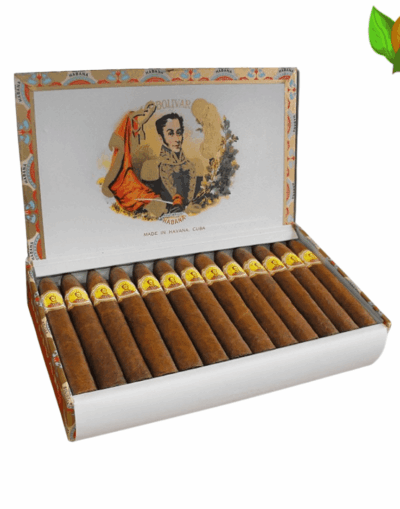
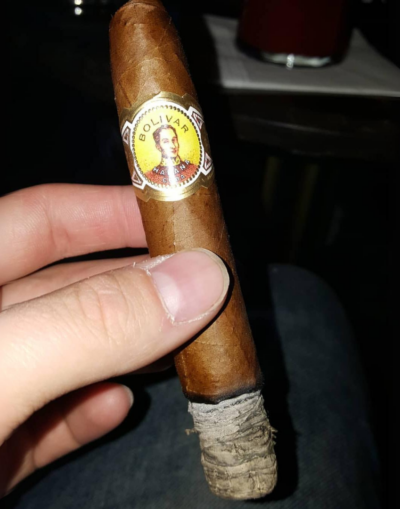
In the bottom drawer of that humidor, I dug down and pulled out a short, stubby cigar with a band showing the stern face of Simon Bolivar.
It was weathered, oily and honest. My grandfather used to say you never smoke a Bolivar because you want to be seen; you smoke it because you want to feel something. That smoke? The Bolivar Petit Coronas. And I’ll tell you also, when we sat in his garden at twilight and drank these down to the last drop, it was then that I understood why he hid a box of these in the back.
The Specs: A Thumb-Sized Cigar With a Big Reputation
Before I get into the grime of it, let’s read up on what it is we’re dealing with here. This is not an exaggerated novelty stick that will take three hours to go through. It’s a working-man cigar, a classic vitola that commands respect the moment you clip its cap.
| Specification | Details |
|---|---|
| Brand | Bolivar (Habanos S.A.) |
| Factory | Partágas (Havana, Cuba) |
| Vitola de Galera | Mareva (Petit Corona) |
| Length | 129mm (5.1 inches) |
| Ring Gauge | 42 |
| Wrapper/Binder/Filler | Cuba (Vuelta Abajo) |
| Strength | Full Body |
Construction: No Frills, Just Muscle
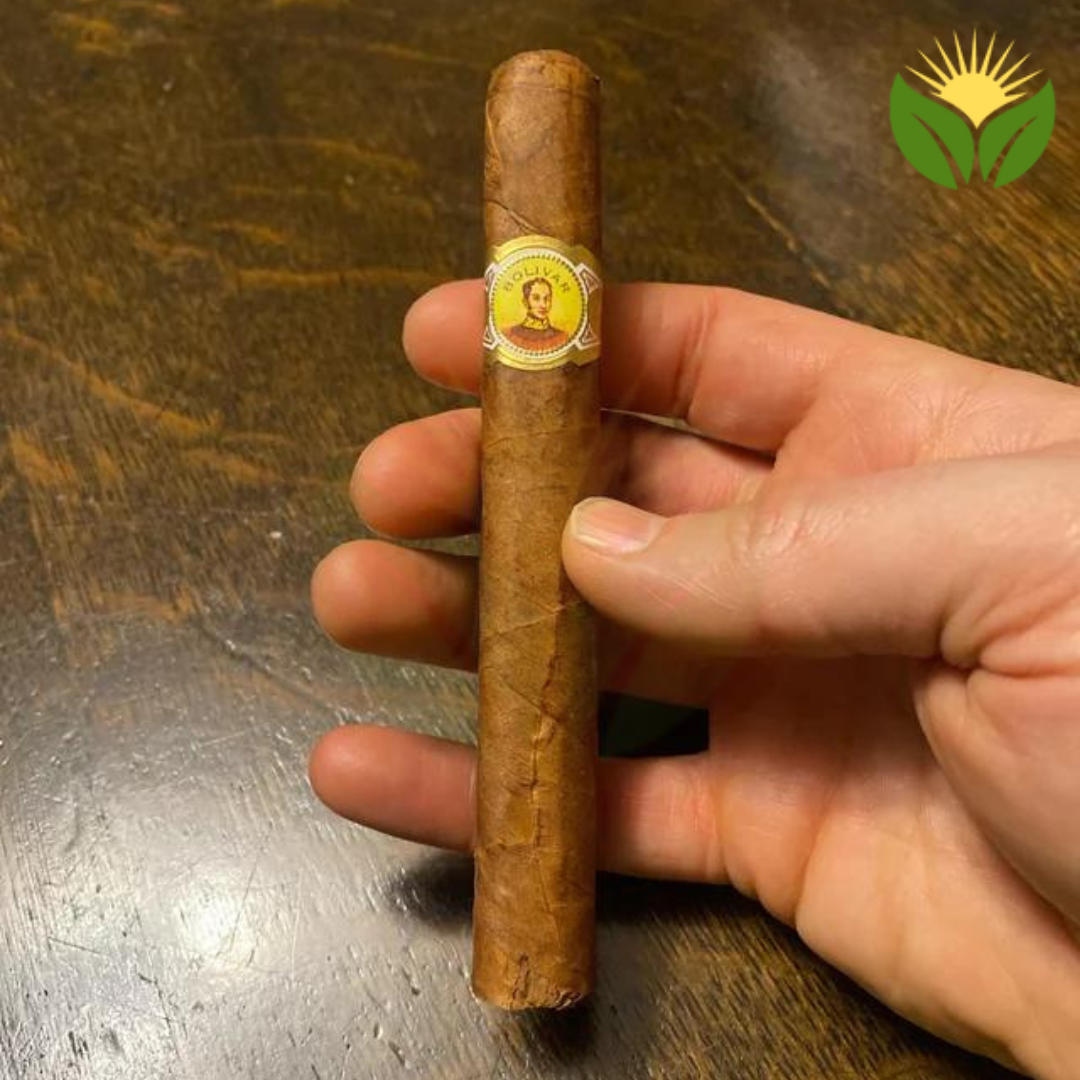
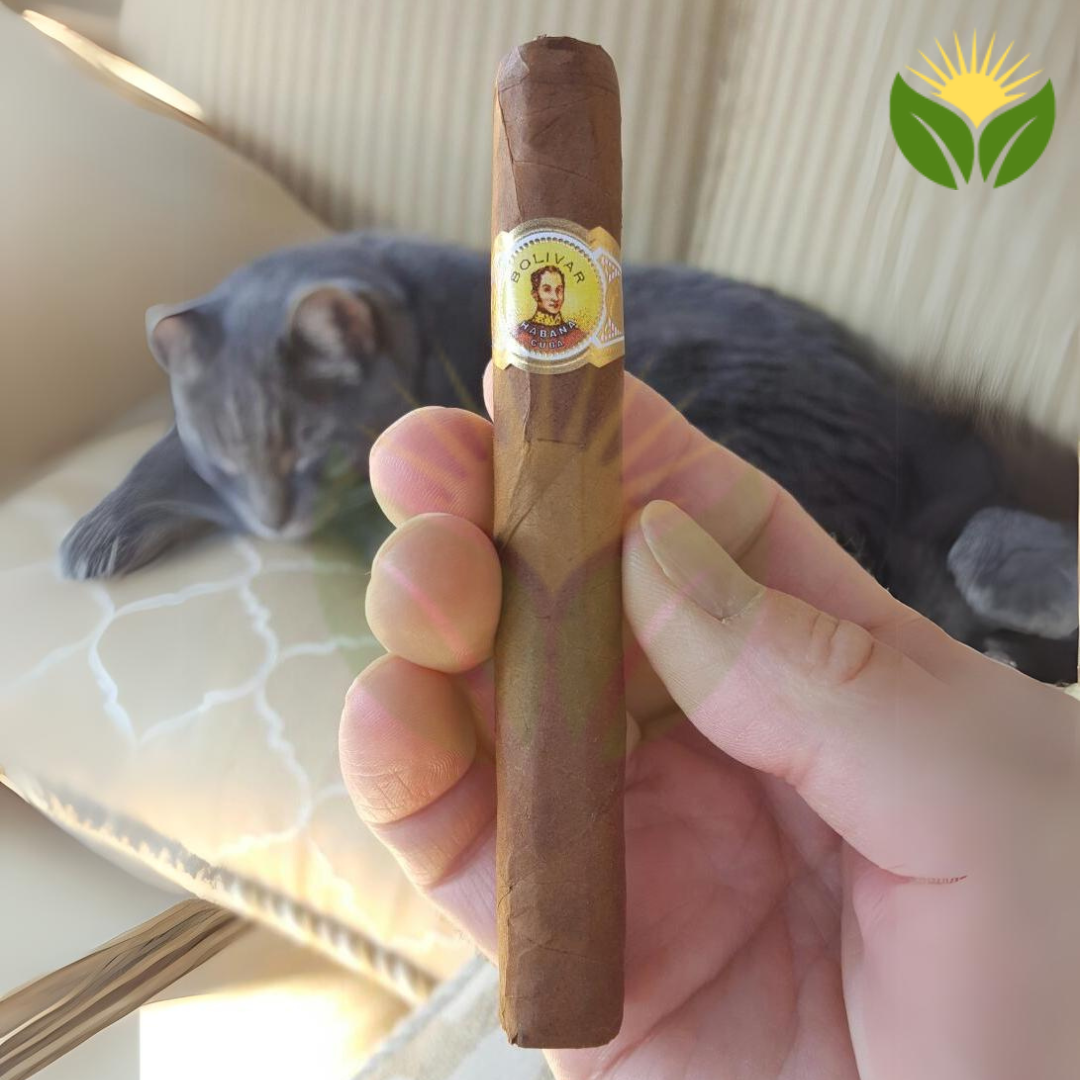
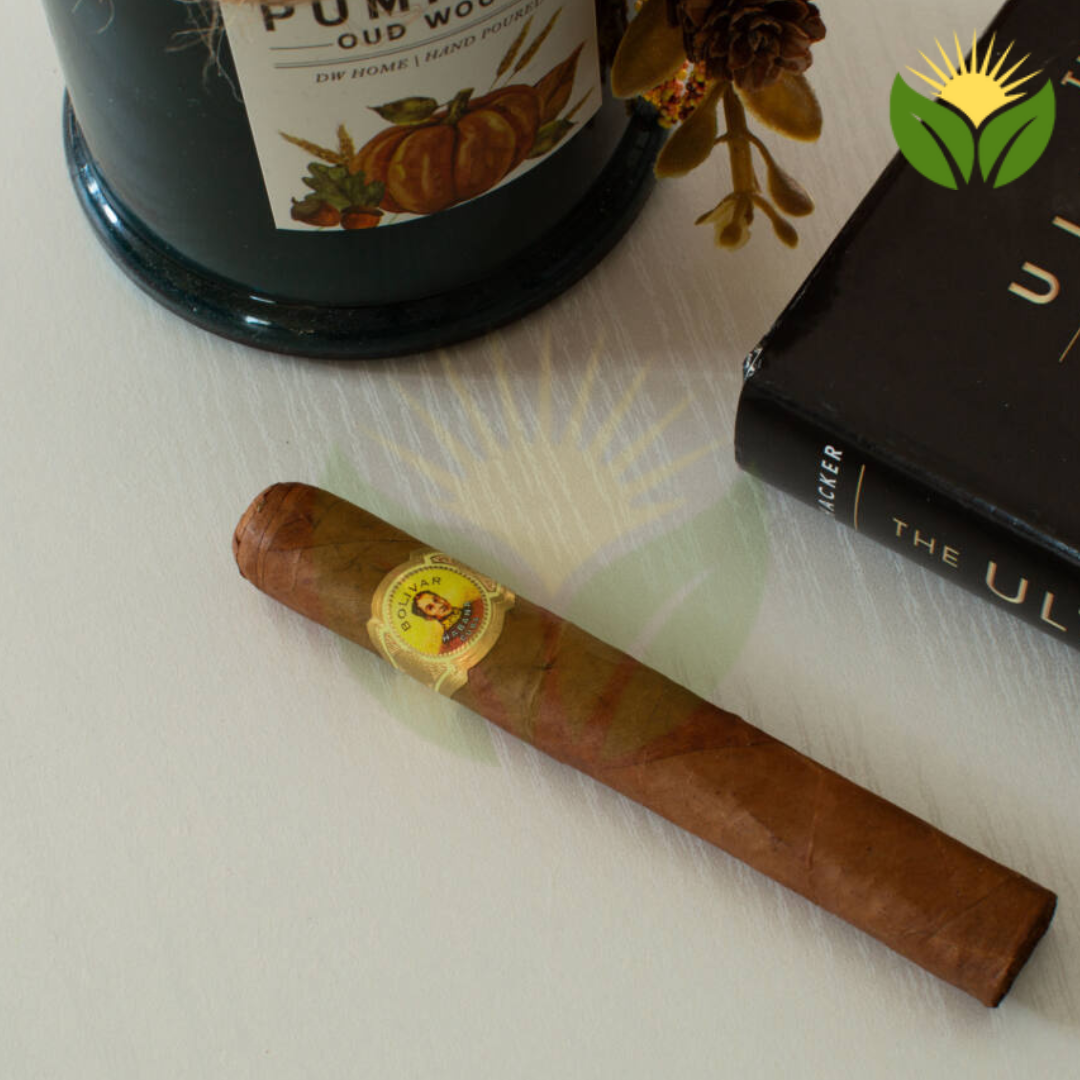
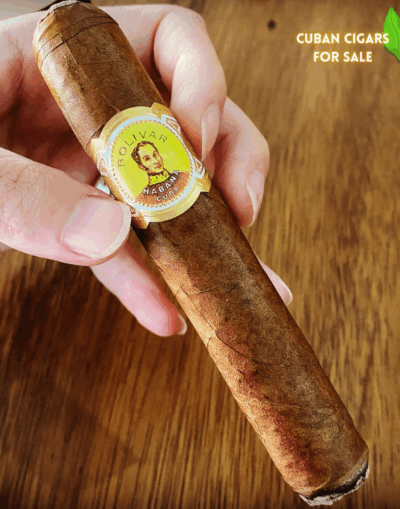
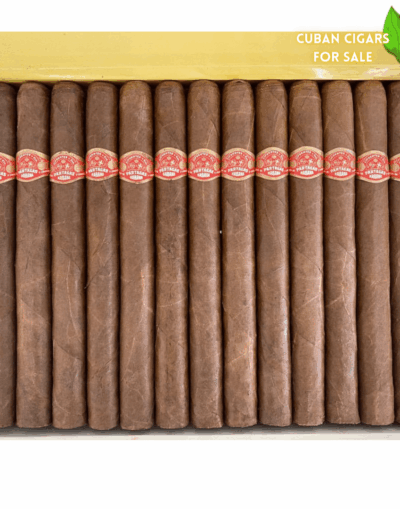
I have to say, it feels like you are holding a well-worn tool when you pick up a Bolivar Petit Coronas. It’s that classic “rustic” Cuban look. Mine had a beautiful wrapper, deep and mottled, a chocolatey color— not the kind of ultra-rigidly perfect wrapping that you see on some of those New World cigars that look like they were developed in a laboratory, but toothy and oily. As soon as I gave it a little squeeze I was surprised to find that it felt firm, incredibly tightly rolled with that famous ligero leaf tobacco sourced from the Vuelta Abajo. You can see the rollers at the Partágas factory weren’t playing around with this one.
The pre-light draw was just as I had hoped: a little of give, the equivalent of trying to sip a thick milkshake through a straw. It tasted like moldy earth, moldy hay: that smell you got when you entered a barn in the thick of July. My cut was straight forward, nothing fancy and the cap stayed intact beautifully. No breakage, no fragments of leaf in my mouth. Just a great, well-made slice of history.
The First Third: The Wake-Up Call
The Bolivar didn’t ask for permission when I lit a flame to its foot. It just arrived. First few puffs kicked with spice and a dark, thick earth. You know when you walk into a greenhouse just after they’ve opened up the soil? That’s the core of it. But there was also hidden sweetness behind that initial “oomph”—like brown sugar left on the stove a beat too long. It’s no dessert cigar, mind you, but there’s a creaminess that helps to prevent the strength from being off-putting.
Smoke production was quite remarkable for a small ring gauge size. Thick, matted clouds, which settled in the motionless garden air almost like fog. Around ten minutes in, I was beginning to get notes of toasted nuts and a very pronounced black pepper on the retrohale. It’s the type of smoke that makes you sit up in your chair a bit straighter. I just had that winning feeling from before, but everything was gone and it was this deep sense of centration.
The Second Third: Finding the Groove
As I reached the center of the stick, the spice dialed back a notch and some other more complex flavors became apparent.
I began to whacked around with some cocoa and a whisper of brief vanilla. It’s a weird mix with that heavy tobacco underpinning, but it works. You may not even like it, but now we are both free to pursue what other people have that we don’t: because this isn’t for us. It’s between you and me in the way a dark bar of chocolate with 90% cacao is: bitter, sweet, deeply satisfying — best enjoyed solo on the nights when no one else will understand.
The burn was mostly straight, needing but one minor correction when it flared after a stray breeze came in from the garden. The ash was salt-and-pepper gray, clinging on for an inch’s worth before I tapped it off into my grandfather’s old ceramic tray. Where it really comes to the fore is in the Bolivar Petit Coronas. It’s a rich smoke, but it is not… It’s well balanced. It doesn’t want to show off how strong it is; it just *is* strong. I felt a delicate nicotine kick here too, a warm buzz at the base of my skull that signaled to me that it was time to slow down and take this in.
The Last Third: The Leathery Aftertaste
By the time I got to the last two inches though, the sweet had left town and it was just a pure full-tilt drive into “dark”.
We’re talking heavy leather, strong espresso and a fruitiness that reminded me of dried plums or raisins. It got hot, because Petit Coronas can tend to if you puff too quick, so I had to mind that. I savored it, allowing the smoke to cool between puffs.
It was a long, oily finish. I could still taste the soil and the spike five minutes after I’d put the nub down. It’s a gutsy ending. Bolivar Petit Coronas - Final Third No tapering off: the Bolivar Petit Coronas bowed out with chest puffed and head up. It’s a short smoke, maybe 45 minutes if you’re not in a rush, but it has more personality than many double coronas twice its length.
Pairing: What to Drink?
I was nursing a plain black coffee in the garden — no sugar, no cream. The bittersweetness of the coffee married quite nicely with cocoa flavors from the cigar. But if I had to do this again on a Friday night? I’d use a heavy, dark rum. Something with enough sugar to drag that Bolivar spice. A clean bourbon would work as well, something with a good deal of oak and vanilla to play off the natural sweetness of the Cuban leaf. Just steer clear of anything too subtle; this cigar is going to steamroll any light beer or crisp white wine before you hit the first third.
The Verdict
I gotta be straight with you: this is not a “beginner’s” smoke. If you’re new to cigars then a Bolivar Petit Coronas may be like attempting to drive a classic Ferrari when you’ve only ever ridden on a moped. It’s got a lot of torque. But for the seasoned smoker? It’s a staple. It’s dependable, it’s intricate and it has a soul.
As I sat in my grandfather’s back yard, looking at that bench I’d gotten finally to work again, I felt as if I had somehow passed an unspoken test. The Bolivar was a good partner to that sense. It’s a cigar for when you’ve completed the work and you want a reward that is as much of a labor of love as the time and effort you put in. It’s not flash, it’s not fashion, and it doesn’t give a toss if you like it or not. It’s just a good old fashioned damn good Cuban smoke.
Final Thought: If you see a box that’s got some age on it—like three to five years—buy them. Don’t think about it. Just do it. The way these things mellow and blend over time is something every enthusiast should taste at least once. Solid. Truly solid.