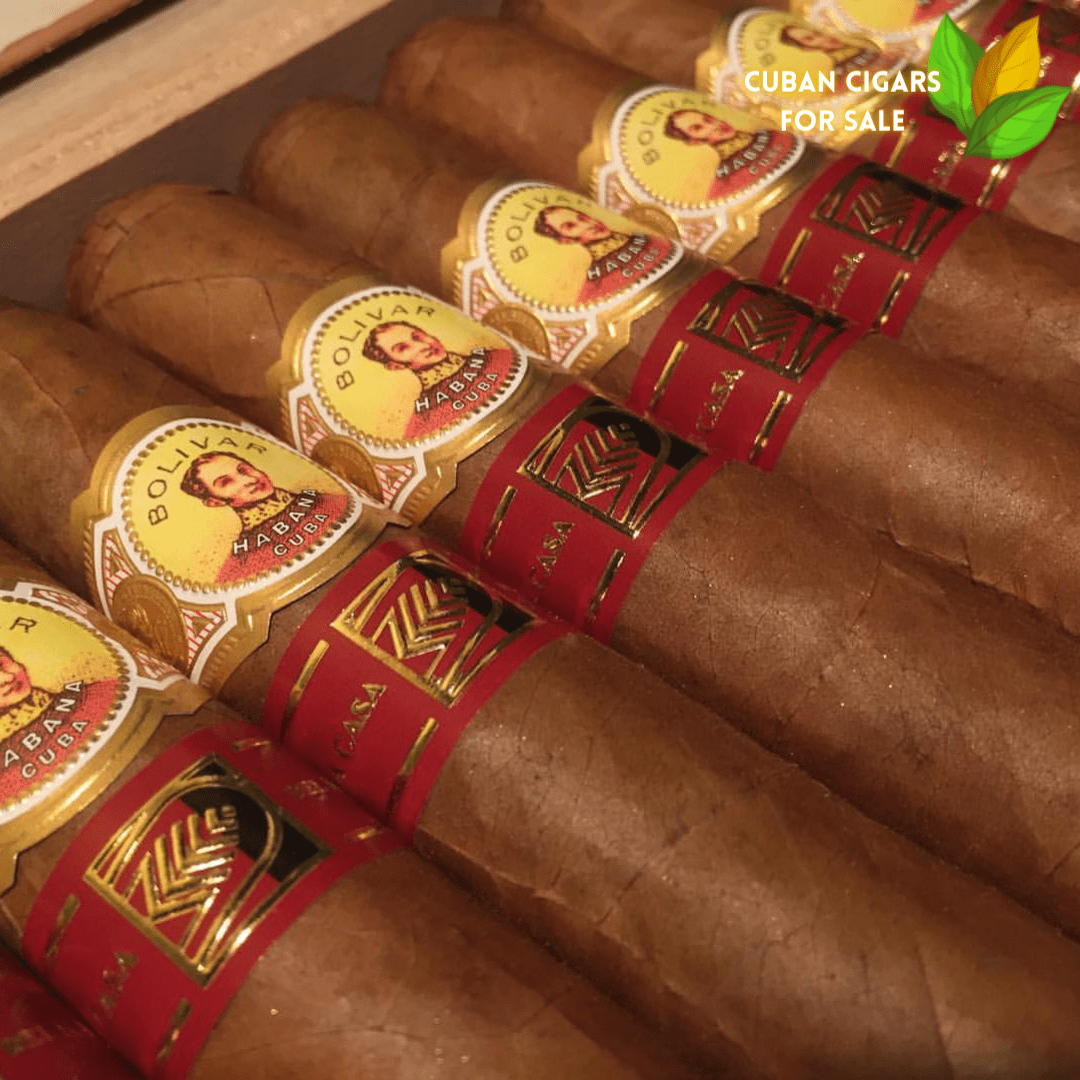

Description
Why the Libertador Belongs in Your Humidor
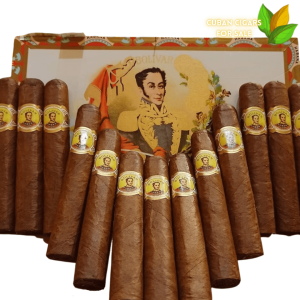
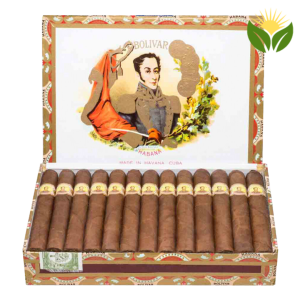
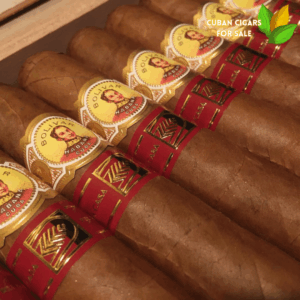
I’ll tell you what – the first time I smoked a Bolivar Libertador, I was sitting on a rooftop in Havana back in 2008. Maybe 2009? My memory’s fuzzy on the year, but I remember that cigar clear as day. This isn’t your typical Bolivar. The LCDH exclusive releases – La Casa del Habano releases, for those not in the know – they’re different beasts entirely. And the Libertador? It’s one of those cigars that made me rethink what I knew about the Bolivar marca. If you’re the type who gravitates toward belicosos and thinks you’ve tried every Cuban worth trying, this one’s going to surprise you. I’m not saying it’s for everyone – but if you appreciate a cigar with some backbone and complexity that actually earns its reputation, keep reading.
What Makes the Libertador Different
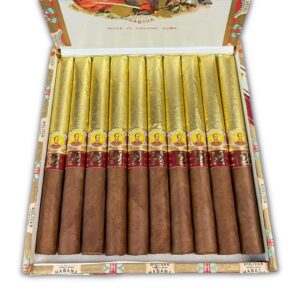
Bolivar as a brand has always been the bruiser of Habanos. Since its founding in 1902, it’s been the go-to for folks who want that full-bodied Cuban experience without apology. The regular production stuff – your Royal Coronas, your Petit Coronas – they’re solid workhorses. But the Libertador LCDH? This is where the blenders get to flex a bit.
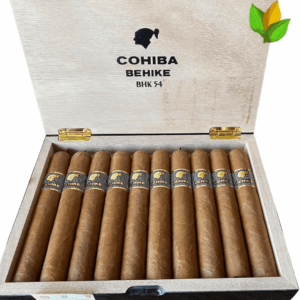
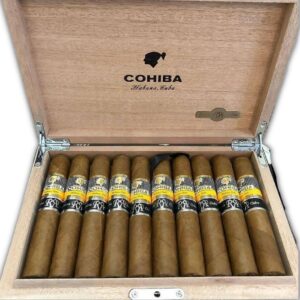
The thing about LCDH releases is they’re made in smaller quantities for La Casa del Habano stores worldwide. What that means in practical terms is you’re getting tobacco that’s been selected with a bit more care, rolled with more attention. I’m not saying the regular production cigars are slouches – far from it. But there’s a reason these LCDH releases command respect among serious collectors and enthusiasts. The Libertador specifically uses all Vuelta Abajo tobacco from Cuba’s premier growing region, and you can taste the difference from the first puff.
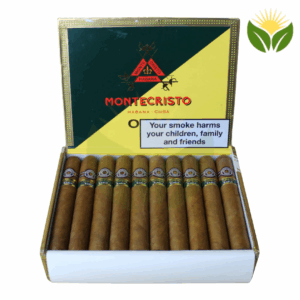
This is a cigar for the smoker who’s already gone through their Montecristo phase and wants something with more muscle. If you’re still getting your feet wet with Cuban cigars, honestly? Start somewhere gentler. But if you’ve been in the game for a while and you want something that’ll challenge your palate without beating it into submission, this is your sweet spot.
| Specification | Details |
|---|---|
| Vitola | Libertador (Belicoso format) |
| Length | 6 inches / 152 mm |
| Ring Gauge | 54 |
| Wrapper | Cuban Vuelta Abajo |
| Binder | Cuban |
| Filler | Cuban Vuelta Abajo blend |
| Strength | Medium-Full to Full |
| Smoking Time | 90-120 minutes |
The Smoking Experience – What Actually Happens
The cold draw gives you earth and leather right away. Nothing subtle about it. When you light up – and take your time with that torpedo cap, don’t just hack into it – the first third comes at you with this wave of dark tobacco, cedar, and something almost coffee-like. It’s assertive but not aggressive, if that makes sense. The construction on these has been consistently excellent in my experience, though I’ve heard some folks got a softer box last year. Can’t speak to that personally.
What I love about the first third is how it establishes itself. Some cigars tiptoe around, trying to ease you in. The Libertador? It knows what it is. You’re getting that classic Bolivar earthiness, but there’s this underlying sweetness – almost molasses – that keeps it from being one-dimensional. The draw is typically spot-on, maybe a touch firm, which I actually prefer. Burn line stays pretty even if you’re not smoking it in wind.
Second third is where things get interesting. Actually, scratch that – it gets interesting around the halfway point, maybe a bit before. The pepper that was lurking in the background suddenly steps forward, but it’s not overwhelming. You start picking up leather, more pronounced cedar, and – I swear this happened every time I’ve smoked these – this walnut or roasted nut quality. The smoke gets creamier too, which sounds weird given how full-bodied this thing is, but it’s true. Retrohale if you can handle it, because that’s where you get the complexity. Spice on the retrohale, but balanced.
Final third – this is where some full-bodied cigars fall apart and get bitter or hot. Not this one, assuming you’ve been pacing yourself. The strength ramps up, no question, but it stays balanced. You’re getting darker flavors now – espresso, dark chocolate maybe, more earth. The sweetness from earlier hasn’t completely disappeared, it’s just playing a supporting role now. I’ve taken these down to the nub more times than I probably should have because the finale is just that good. Ash holds for a solid inch and a half, sometimes two inches if you’re gentle with it. The color’s that classic gray-white that tells you the tobacco’s burning clean.
How It Stacks Up Against Other Belicosos
| Cigar | Strength | Smoking Time | Best For |
|---|---|---|---|
| Bolivar Libertador LCDH | Medium-Full to Full | 90-120 minutes | Experienced smokers wanting complexity with power |
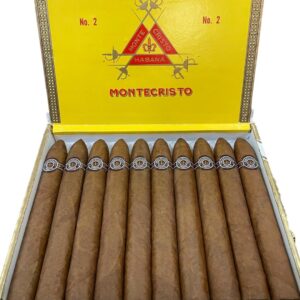
| Montecristo No. 2 | Medium to Medium-Full | 80-100 minutes | Classic torpedo experience, more approachable |
| Diplomaticos No. 2 | Medium | 75-90 minutes | Those who want elegance over strength |
What to Pair It With
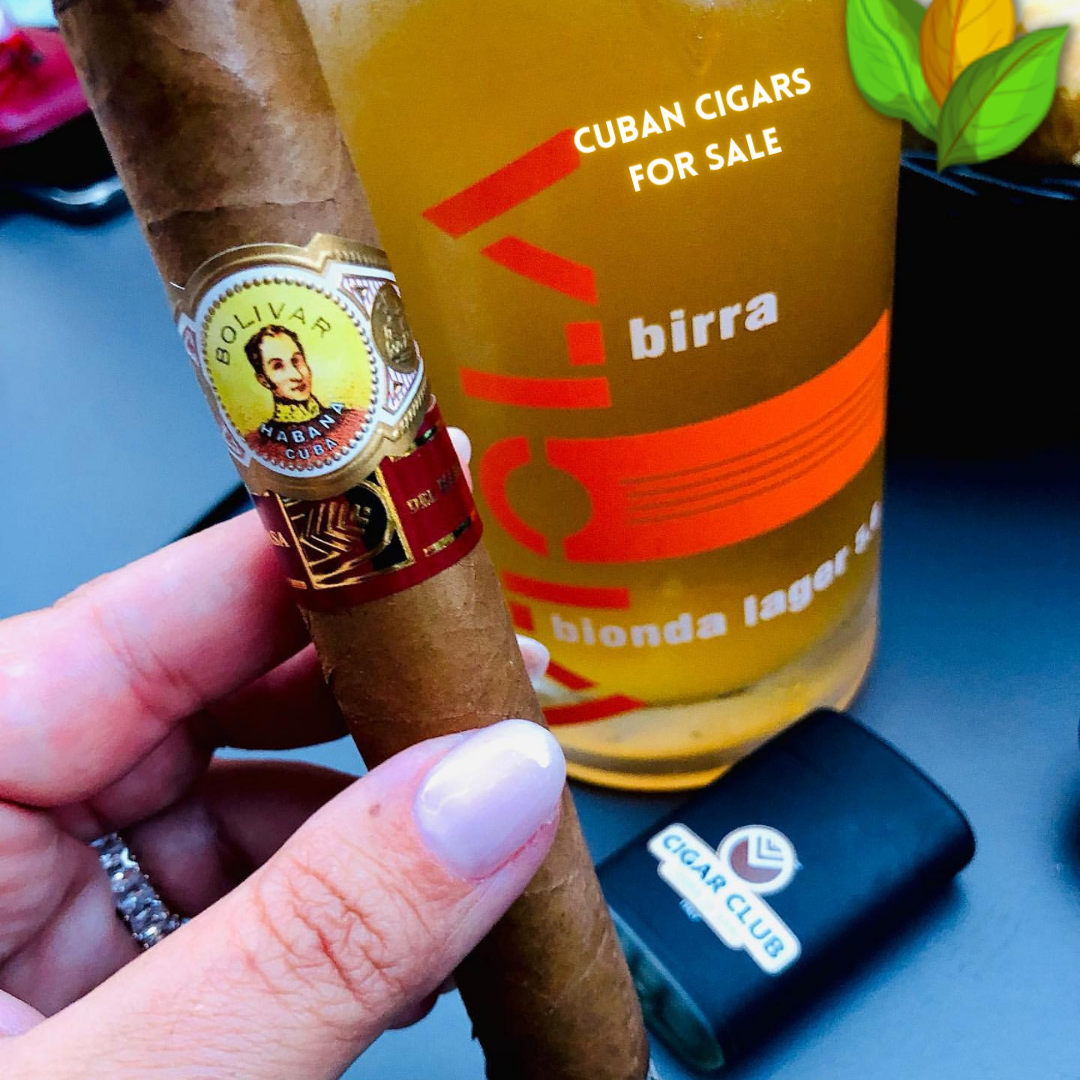
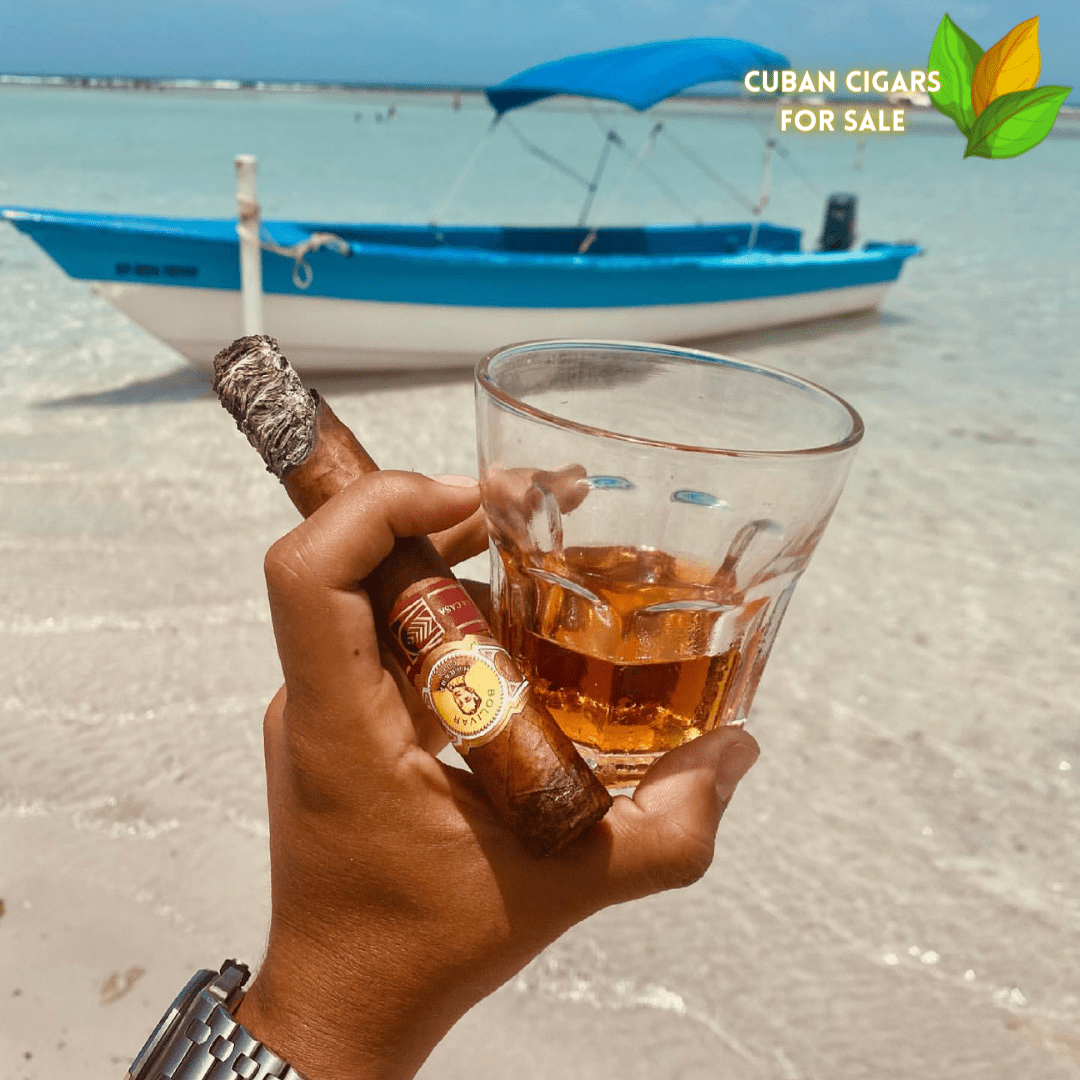
I’m going to be blunt – don’t waste this on a light beer or some fruity cocktail. This cigar demands something with character. My go-to pairing is a good rum – specifically, something like Diplomatico Reserva Exclusiva or Ron Zacapa 23. The sweetness plays beautifully against that earthiness, and the rum’s complexity matches what’s happening in the cigar.
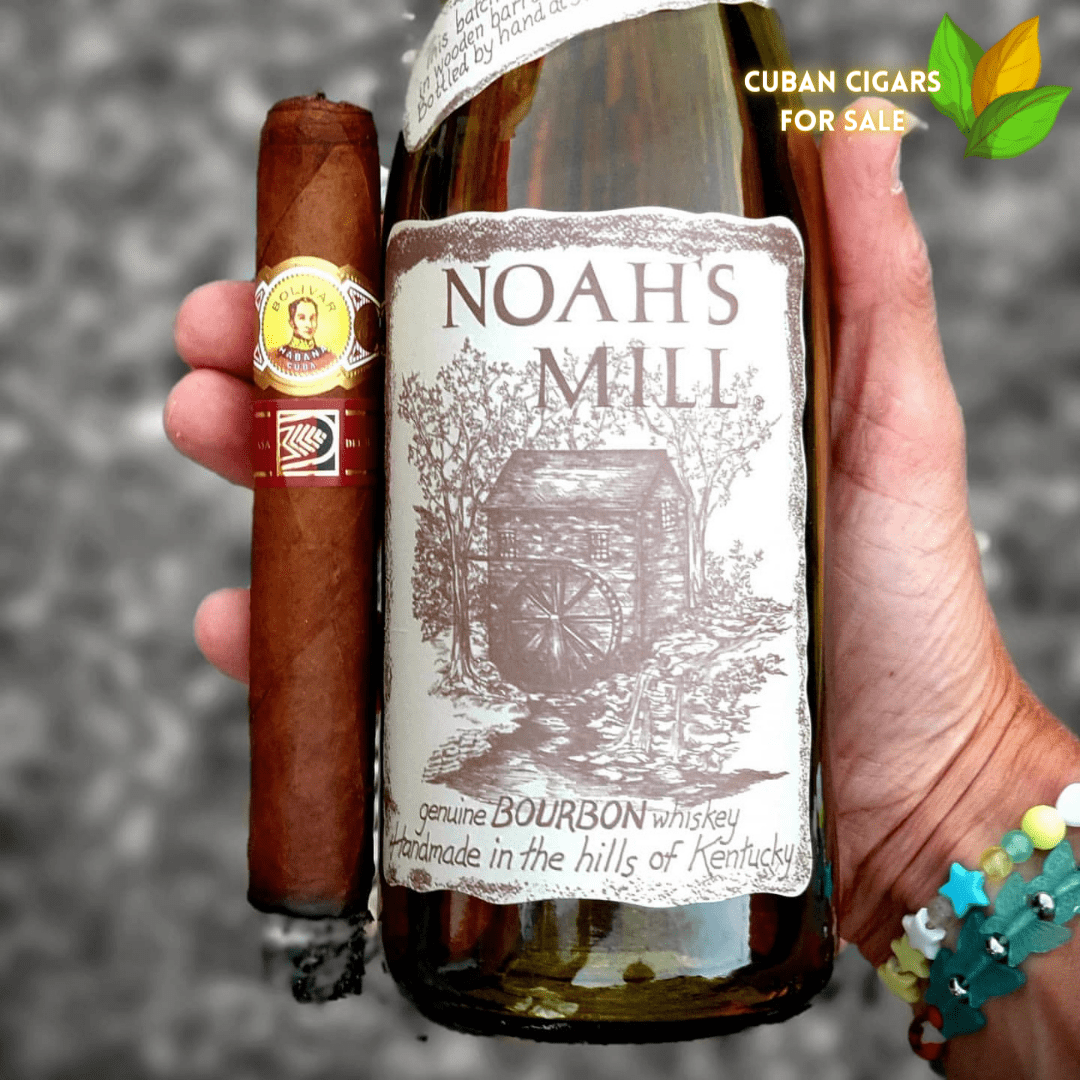
If you’re more of a whiskey person, go for a bourbon with some weight to it. Blanton’s or Eagle Rare work great. The vanilla and caramel notes complement those sweeter moments in the first and second thirds. And if you’re in the mood for coffee – which, at a two-hour smoke time, you might need – go dark roast. No cream. Maybe a touch of sugar if that’s your thing, but keep it simple.
Timing-wise? This is an evening cigar, full stop. I mean, if you want to fire one up at noon on a Saturday, I’m not the cigar police. But this has the strength and complexity that pairs better with sunset than sunrise. Special occasions, celebrations, or just when you want to give yourself a proper two hours to decompress. Not a rushed cigar. Never rush a Libertador.
Where can I find Bolivar Libertador LCDH cigars in stock?
The Libertador is an LCDH exclusive, which means availability can be spotty. Your best bet is checking with reputable Cuban cigar retailers that specialize in LCDH releases. Stock comes and goes depending on production runs, so when you see them available, don’t wait around thinking about it for weeks. These aren’t sitting on shelves forever like some regular production cigars.
How does the Libertador compare to other Bolivar cigars?
It’s fuller and more complex than something like the Royal Corona, but not quite as aggressive as the Bolivar Belicosos Finos can be when young. The LCDH designation means you’re getting a more refined version of what Bolivar is known for – all that earthy power, but with better balance and more nuance. If you love Bolivar but sometimes find them one-dimensional, this solves that problem.
What makes LCDH releases special compared to regular Cuban cigars?
La Casa del Habano exclusives are produced in smaller batches specifically for LCDH stores worldwide. They typically feature premium tobacco selections and often showcase unique vitolas you won’t find in regular production. Is every LCDH release worth the fuss? Honestly, no. But the Libertador is one that actually lives up to the hype. The quality control tends to be more consistent, and the blends are often more experimental or refined versions of the marca’s character.
Do I need to age the Libertador before smoking?
You can smoke them fresh if you’re impatient – I have, and they’re still good. But if you can give them six months to a year in your humidor, they’ll reward you. The rough edges smooth out, the flavors integrate better, and that sweetness I mentioned becomes more pronounced. I’ve got a few from 2019 that are smoking beautifully right now. The choice is yours, but patience pays off with these.
Is this cigar too strong for someone who usually smokes medium-bodied cigars?
Probably, yeah. I’m not going to sugarcoat it – if you’re coming from Montecristo No. 4s and H. Upmann Majestics, this will be a jump. Not impossible, just be aware. Make sure you’ve eaten, have something substantial to drink, and pace yourself. The strength builds, so don’t let that approachable first third fool you into thinking you can chain-smoke these. That said, if you’re ready to level up your palate, this is actually a great cigar to do it with because the quality is there to back up the strength.
What’s the best way to cut a Libertador for optimal draw?
With any belicoso or torpedo, don’t get overzealous with the cut. Start shallow – just take the very tip off. You can always cut more, but you can’t uncut it. I use a straight cutter and go slow, making sure I’m cutting clean through without crushing the cap. The draw should be slightly firm but not restricted. If you hack too much off the torpedo, you’ll lose some of that concentrated smoke and flavor that the shape is designed to give you.
Are the Libertador LCDH cigars from lcdhstkitts legitimate Cuban stock?
LCDH St. Kitts is a legitimate La Casa del Habano location, so yes – their stock is authentic Cuban product. That said, always buy from reputable sources you trust. There are plenty of fakes out there, especially with LCDH releases that command higher interest. Check the boxes for proper seals, verify the seller’s credentials, and when in doubt, ask questions. Real Cuban cigars from authorized LCDH stores will have the proper documentation and packaging.
Final Thoughts on the Libertador
This isn’t a cigar for your everyday rotation – the strength and smoking time alone make that impractical for most people. But as a weekend warrior or special occasion smoke? It’s one of the best belicosos Cuba produces right now, full stop. The complexity is there, the construction is solid, and it delivers that classic Bolivar punch without sacrificing refinement.
If you’re ready for something that’ll challenge your palate in the best way possible, and you’ve got a couple hours to dedicate to the experience, grab a few of these when you see them in stock. Let them rest if you can. Set aside an evening. Pour something worthy. And experience what a well-executed LCDH release can do. You won’t regret it.