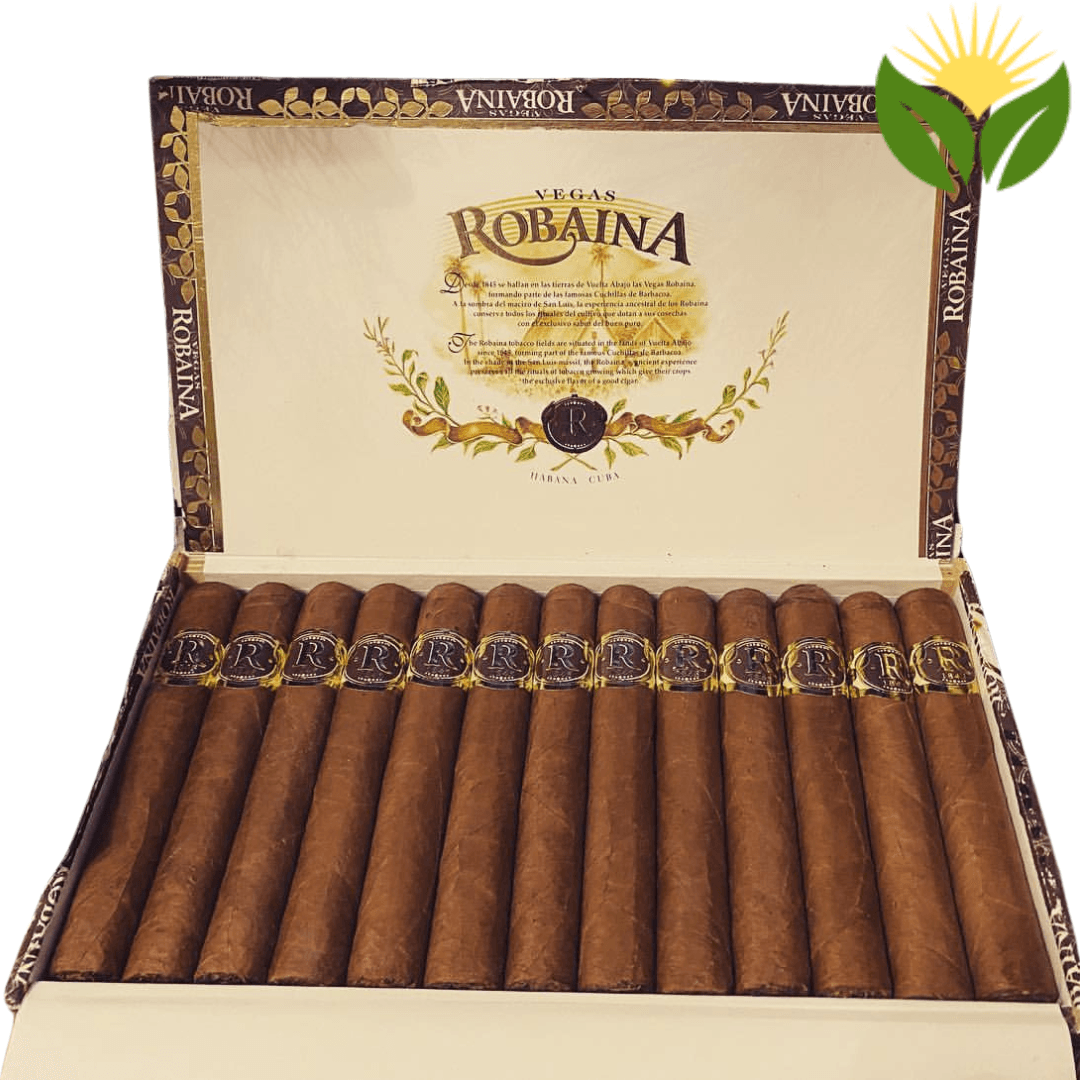
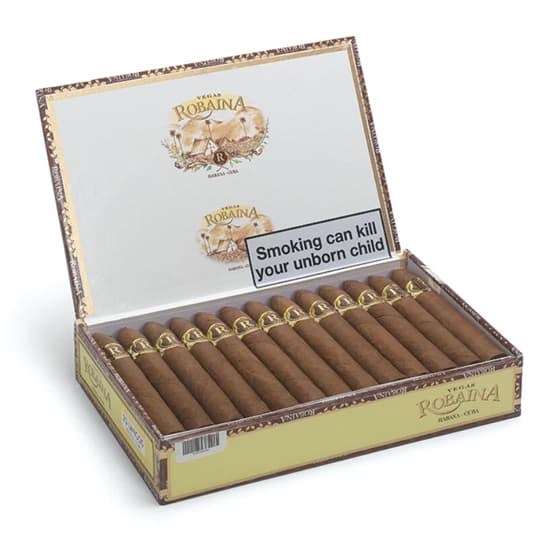
For lovers of Cuban tobacco, few things compare to the thrill of discovering a vintage smoke that once graced the humidores of a generation. The Vegas Robaina Clásicos is exactly that kind of gem: a hand‑crafted cigar that spent fifteen years on the market before quietly fading from production, now coveted by collectors who appreciate its heritage and depth.

Birth of a Classic: 1997 Market Debut
Introduced on the first day of 1997, the Clásicos entered the regular lineup of the Vegas Robaina brand with an air of quiet confidence. It was produced at the historic Cervantes factory, a name synonymous with Cuban cigar tradition. The cigar’s launch marked a deliberate move by Vegas Robaina to offer a refined, medium‑ring vitola that could satisfy both the seasoned aficionado and the curious newcomer. Over the next decade and a half, the Clásicos would become a staple of the brand’s identity, embodying the meticulous hand‑rolling techniques that have defined Cuban cigars for generations.
Technical Profile: Size, Strength, and Craftsmanship
Under the hood, the Clásicos is a textbook example of a classic Cuban robusto. Below is a concise breakdown of its essential measurements and construction details:
- Vitola: Clásicos (Robusto)
- Factory: Cervantes
- Ring Gauge: 42
- Length: 165 mm (approximately 6½ inches)
- Weight: 10.80 g
- Construction: Fully hand‑made
- Band: Standard “A” band, featuring the iconic Vegas Robaina crest
The combination of a 42‑ring gauge and a 165 mm length delivers a smoking experience that balances draw resistance with a steady, even burn. The cigar’s wrapper, aged to a glossy, reddish‑brown hue, complements the blend of premium Cuban fillers, creating a medium‑body profile that lingers with notes of earth, cedar, and a hint of spice.
Packaging Evolution: From Debut to Discontinuation
Throughout its life, the Clásicos appeared in several packaging formats, each reflecting the brand’s response to market trends and consumer preferences:
- Dress Box of 25: The flagship presentation, released at launch in 1997 and remaining available until the cigar’s retirement in 2012. This format became the go‑to choice for retailers and dedicated fans alike.
- Cardboard Pack of 5: Introduced around the mid‑2000s (circa 2006), this smaller pack offered a convenient option for those wishing to try the cigar without committing to a full box. It was discontinued in 2009.
- Cardboard Pack of 3: The earliest alternative packaging, launched around 2003, targeted the gifting market and remained in production until it was phased out in 2006.
These variations not only broadened the cigar’s accessibility but also contributed to its mystique; today, the rarer 3‑ and 5‑pack boxes command a premium among collectors.
Collectibility and Limited‑Edition Celebrations
The Clásicos’ discontinuation in 2012 transformed it from an everyday staple into a sought‑after relic. Its limited run and the passage of time have cemented its status as a collector’s item, especially as newer releases from Vegas Robaina continue to evolve.
To mark pivotal milestones, the brand released special humidor editions that featured the Clásicos vitola in exclusive settings:
- Siglo XXI Millennium Humidor: Commemorating the turn of the millennium, this limited‑edition humidor showcased a select number of Clásicos, presented in a distinctive, celebratory packaging that highlighted the cigar’s heritage.
- 5 Aniversario Humidor: Released to celebrate the fifth anniversary of the Clásicos’ introduction, this edition offered a refined presentation with personalized bands and a numbered certificate, making it a prized addition to any humidor.
Both releases were produced in strictly limited quantities, further amplifying the allure of the Clásicos among enthusiasts who value both historical significance and exquisite presentation.
In summary, the Vegas Robaina Clásicos exemplifies the timeless appeal of a classic Cuban cigar. Its storied production timeline, meticulous craftsmanship, evolving packaging, and commemorative special editions together create a narrative that continues to fascinate both seasoned aficionados and new‑generation collectors.