Brand history
Trinidad Cuban Cigars: Complete Guide to History, Band Variations & Collecting
When it comes to Cuban tobacco artistry, few names carry the weight and reverence of Trinidad. This distinguished marca has spent decades cementing its reputation among the world's most discriminating smokers, offering blends that reflect both the soul of the island and the mastery of its torcedors. From humble beginnings as a carefully guarded diplomatic offering to its current status as a collector's obsession, Trinidad embodies everything that makes Cuban cigars legendary.
Origins and Heritage of Trinidad
The story of Trinidad begins in the heart of Cuba's tobacco country, taking its name from the enchanting colonial city nestled in the central region of the island. Unlike many marcas that emerged purely for commercial purposes, Trinidad was born from exclusivity. For years, these perfectos were reserved exclusively for foreign dignitaries and high-ranking officials visiting the island, never appearing in retail shops or markets. This veil of secrecy only amplified their mystique, transforming each vitola into a symbol of prestige and diplomatic privilege. The brand's transition from behind-closed-doors gifting to public availability marked a pivotal moment in Cuban cigar history, opening the doors for enthusiasts worldwide to experience what diplomats had long enjoyed.
Understanding Band Evolution
For those who dedicate themselves to the art of collecting Cuban cigars, understanding the subtle evolution of Trinidad's bands proves invaluable. These small paper rings serve as temporal markers, offering clues about when a particular stick was produced and whether it represents an authentic example of the marca.
First Generation: The Early Years
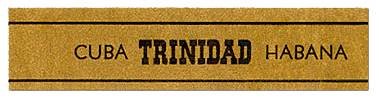
The inaugural commercial bands featured a clean, understated design that reflected the brand's refined aesthetic. During this initial phase spanning from approximately 1997 through the early 2000s, collectors encounter flat-printed artwork without dimensional relief. This understated presentation matched the marca's overall philosophy of quality over flashiness. These early bands, now sought after for their historical significance, represent a chapter when Trinidad was still establishing itself among the pantheon of premium Cuban marcas.
Second Generation: The Modern Era
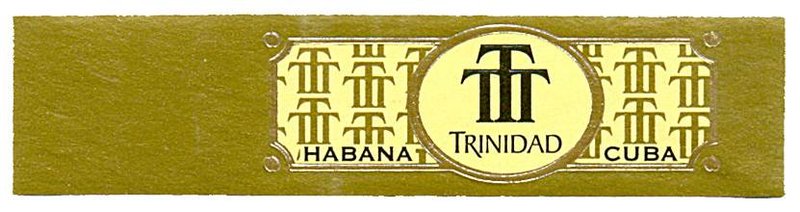
Around the midpoint of the first decade of the 2000s, Trinidad introduced an enhanced band design that incorporated embossed elements. This artistic upgrade introduced raised portions that create subtle shadows and catch ambient light differently than their predecessors. The tactile improvement aligned with the brand's growing prominence on international markets and its expanding base of discerning admirers. This second-generation band remains the standard for current production, though discerning collectors can still distinguish between various sub-periods within this era.
Special Editions and Commemorative Releases
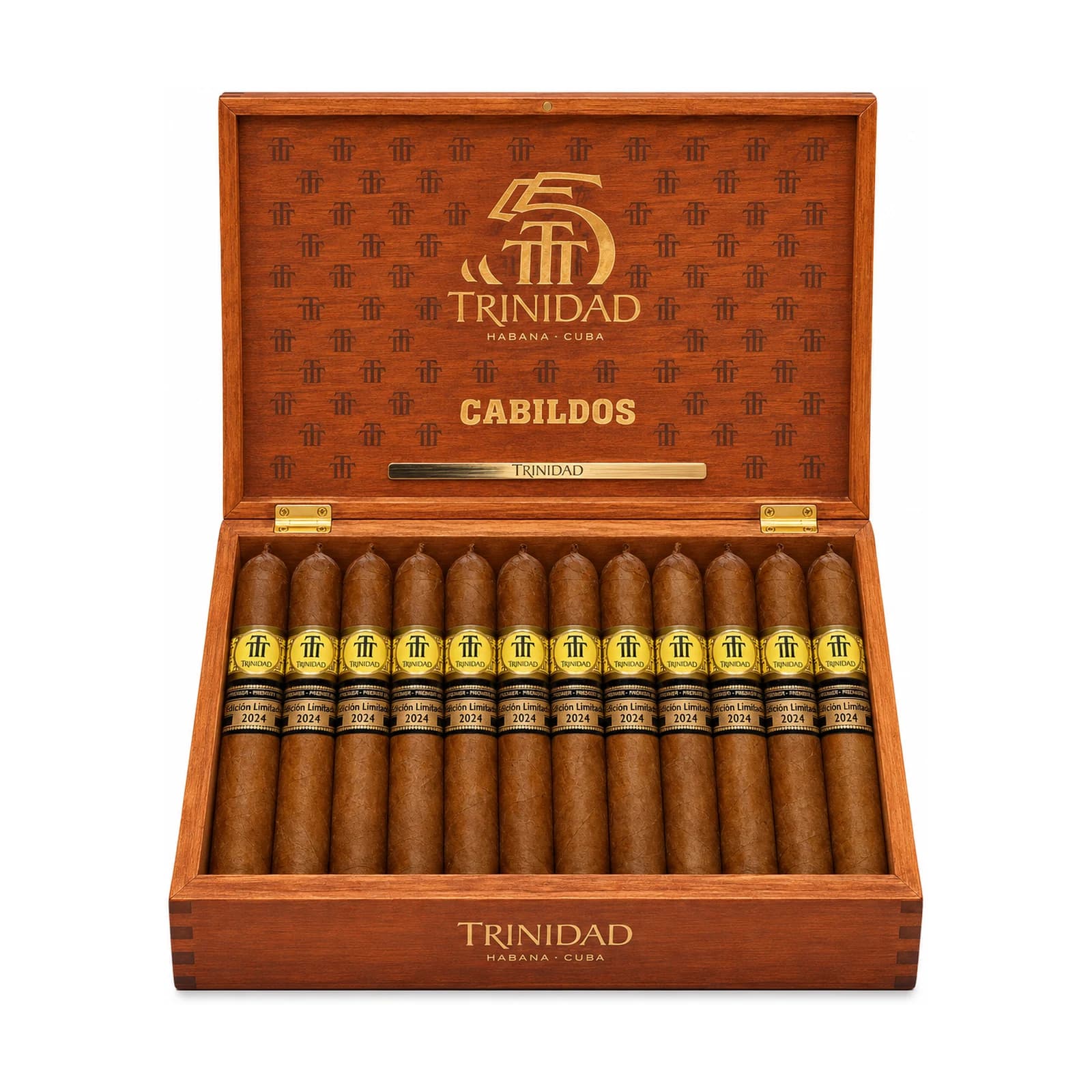
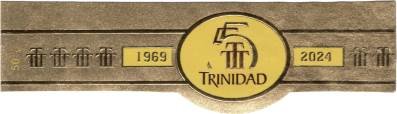
Beyond the standard commercial offerings, Trinidad has periodically released special editions marked by distinctive commemorative bands. These limited productions typically honor significant milestones in the brand's history, such as major anniversaries or achievements in tobacco blending. The commemorative bands associated with these releases often become as collectible as the cigars themselves, sometimes commanding substantial premiums among enthusiasts. Examples include anniversary commemorations celebrating the marca's continued excellence and dedication to traditional Cuban craftsmanship.
Collecting and Authentication Tips
Navigating the world of Trinidad collectibles requires attention to detail, particularly when examining band characteristics. The dimensional difference between embossed and flat-printed designs provides one of the most accessible authentication methods, requiring no special equipment or expertise. Genuine bands will display consistent printing quality and proper adhesion, while counterfeit attempts often reveal imperfections upon close inspection.
- Examine band edges for signs of improper glue application or amateur trimming
- Verify color consistency and print sharpness across the band surface
- Compare physical dimensions against known authentic examples when possible
- Store cigars in proper humidity-controlled environments to preserve band integrity
- Document acquisition details including retailer, date, and price for insurance and resale purposes
The evolution of Trinidad bands through different eras tells a larger story about Cuban cigar manufacturing's adaptation to global markets while maintaining core traditions. Each transition period offers collectors not merely authentication data but glimpses into how one of the island's most prestigious marcas has navigated decades of change while staying true to its founding principles of excellence.
Reader questions
Questions & answers
What is the history of Trinidad Cuban cigars and when did they become available to the public?
Asked by HavanaSmoker · Mar 1, 2026
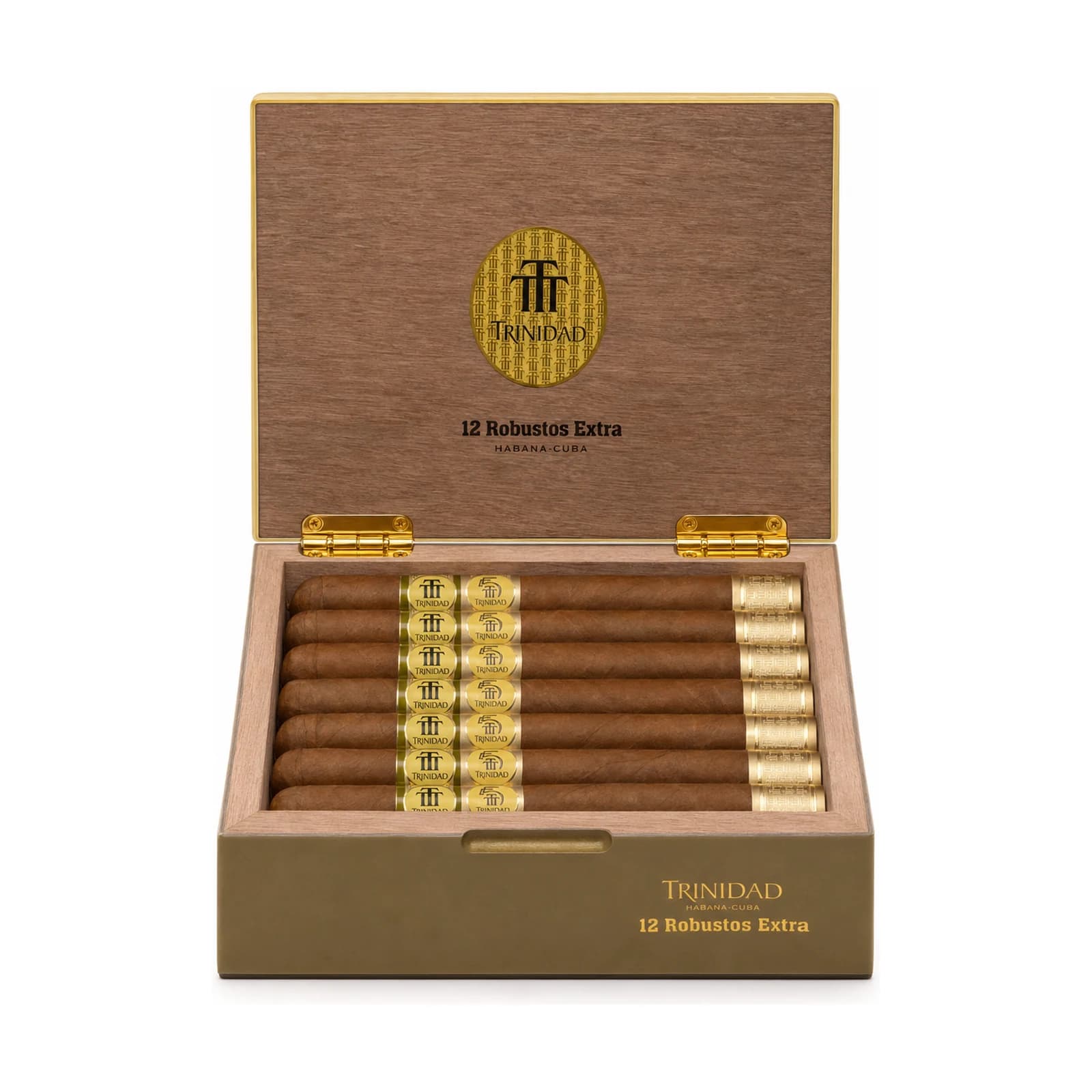
Trinidad cigars were created in 1969 as exclusive diplomatic gifts for Cuban officials and foreign dignitaries. Named after the UNESCO World Heritage city of Trinidad, Cuba, they remained private until February 1998 when Habanos S.A. released them commercially. The brand debuted with the Fundadores size (7.5" x 40), maintaining a similar blend to Cohiba but with distinct presentation. Today, collectors seek vintage diplomatic-era specimens, while modern enthusiasts enjoy releases like the <a href="/trinidad-robusto-extra">Trinidad Robusto Extra</a>.
Cuban Cigars For Sale · Mar 1, 2026
How to identify authentic Trinidad cigar bands and spot fake variations?
Asked by CubanCigarFan · Jan 7, 2026
Authentic Trinidad bands feature two distinct generations: pre-2003 diplomatic bands displayed "Trinidad" in gold cursive against a cream background with a colonial city silhouette, while modern commercial bands add "Habana, Cuba" text and refined embossing. Genuine bands measure approximately 54mm x 22mm with precise gold foil stamping. Check for crisp typography, proper color gradients, and holographic security features on boxes. Counterfeits often blur the cityscape details or use incorrect font weights. Always purchase from authorized dealers to ensure authenticity.
Cuban Cigars For Sale · Jan 7, 2026
Is the Trinidad Robusto Extra worth the price for collectors?
Asked by WeekendSmoker · Feb 4, 2026
The Trinidad Robusto Extra (4.9" x 50) commands $25-35 per cigar and represents excellent value for collectors seeking medium-bodied Cuban complexity. Released in 2003, this robusto delivers signature Trinidad floral notes with cedar and honey undertones. Unlike limited editions, this regular production stick offers consistent availability while appreciating 8-12% annually in value when cellared properly. The <a href="/trinidad-robusto-extra">Trinidad Robusto Extra</a> balances immediate smoking pleasure with investment potential, making it essential for serious Habanos portfolios.
Cuban Cigars For Sale · Feb 4, 2026
What's the difference between Trinidad Fundadores and Cohiba Siglo II cigars?
Asked by AficionadoMike · Jan 8, 2026
Trinidad Fundadores (7.5" x 40) and <a href="/cohiba-siglo-ii">Cohiba Siglo II</a> (5.7" x 42) differ significantly in size, blend, and character. The Fundadores, originally diplomatic gifts until 1998, feature a longer, slimmer lonsdale format with medium-bodied floral and cocoa notes. The Siglo II offers a shorter, thicker petit corona with Cohiba's signature grassy "twang" and stronger ligero content. While both use premium Vuelta Abajo tobacco, Fundadores emphasize elegance and subtlety, whereas the Siglo II delivers more power and spice in a 30-40 minute smoking session.
Cuban Cigars For Sale · Jan 8, 2026