
Few products in the world carry the mystique of a hand-rolled cigar from Cuba. The island has cultivated a reputation that borders on the mythological, but the superior quality of its tobacco is grounded in hard science and geography. It is the specific mineral content of the soil, coupled with a tropical climate, that allows the island to produce a leaf that connoisseurs argue is unmatched anywhere else. This prestige is not accidental; it is the result of a rigorous, multi-generational dedication to agricultural excellence that transforms a simple plant into a luxury commodity.
The Cradle of Tobacco: Understanding Cuba's Geography
As the dominant landmass in the Caribbean, stretching over 109,884 square kilometers, Cuba provides a vast and varied landscape for agriculture. While the nation is home to over 11 million Spanish-speaking inhabitants, its economic identity is inextricably linked to the tobacco trade, which serves as the country's third-largest source of export revenue. However, one cannot simply plant tobacco anywhere on the island and expect premium results. The finest leaves are cultivated in specific, demarcated zones where the terroir—the interplay of soil, climate, and topography—is perfectly suited for the crop.
Mapping the Flavor: Key Growing Regions
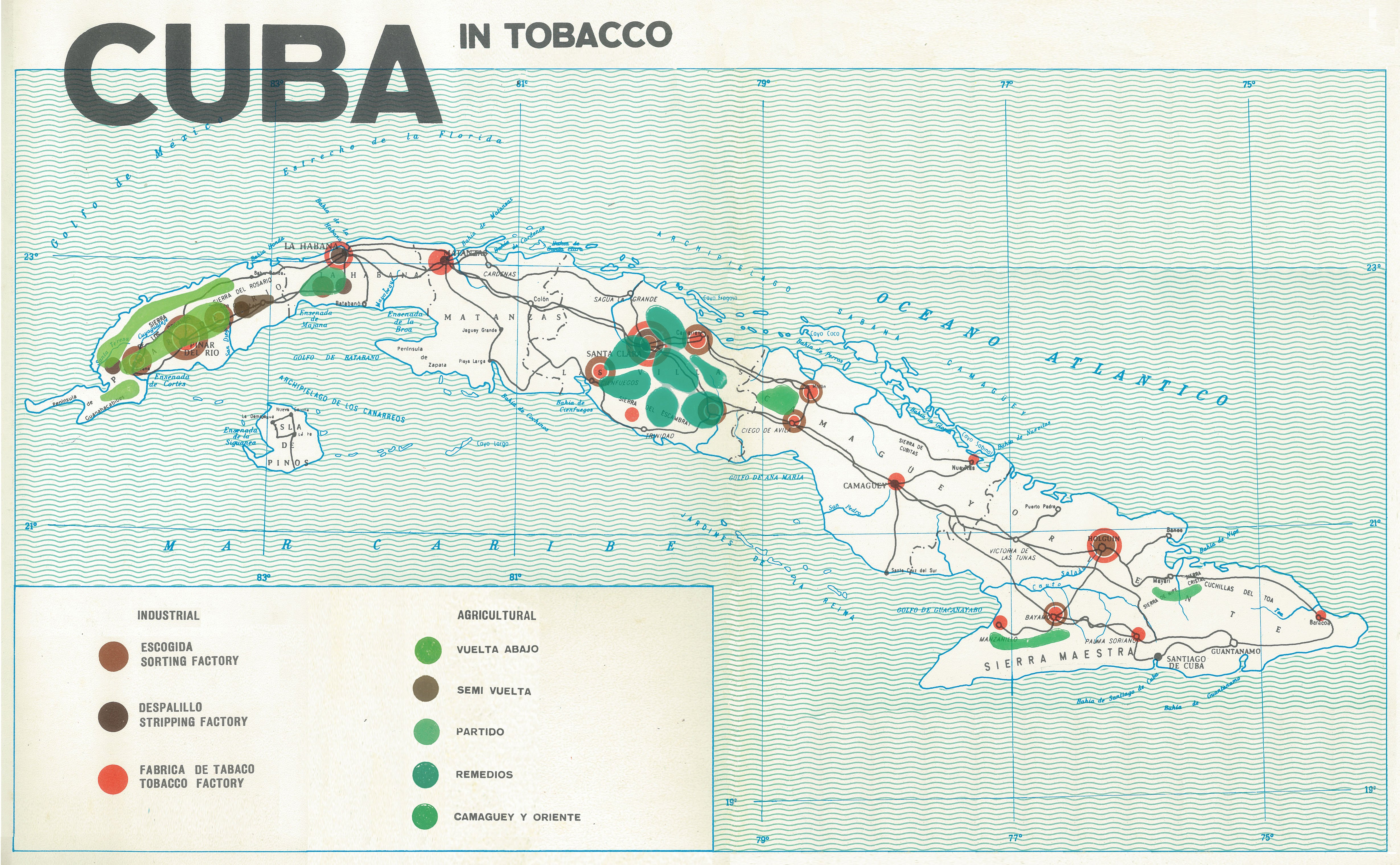
While several provinces contribute to the nation's tobacco output, the western part of the island is the undisputed heart of the industry. Each region imparts distinct characteristics to the final product, creating a diverse flavor profile across different cigar brands.
Vuelta Abajo: The Gold Standard
Located within the Pinar del Río province, Vuelta Abajo is widely celebrated as the premier tobacco zone on the island. It holds a unique distinction: it is the only area capable of producing every single type of leaf required for a cigar, including filler, binder, and the delicate wrapper. The small town of San Luis, situated in the center of this region, is particularly famous for yielding top-tier wrapper leaves. However, land of this quality is scarce. Strict regulations ensure that less than a quarter of the tobacco-growing land in Vuelta Abajo earns the Vegas Finas de Primera designation, a status reserved exclusively for fields that produce leaves fit for Habanos.
Alternative Growing Zones
Beyond the famed Vuelta Abajo, other territories play supporting roles in the industry.
- Semi Vuelta: Also situated in the western tobacco heartland, this region contributes wrapper leaves. However, its contribution to premium cigar production is minimal; only about one percent of its land is dedicated to Habanos-grade tobacco, with the majority of the harvest directed toward other uses.
- Partido: This area has carved out a niche specialization in the cultivation of high-quality wrapper leaves, essential for the aesthetic finish of fine cigars.
- Vuelta Arriba: Home to the Remedios growing areas, this region utilizes traditional cultivation methods to produce tobacco with a distinct flavor profile. It is the exclusive source of leaves for the José L. Piedra brand, showcasing how location influences brand identity.
A Legacy Rescued: The Science of the Leaf
Tobacco is native to Cuba, having been cultivated by indigenous populations long before the arrival of Europeans. However, the introduction of commercial farming and cross-breeding with foreign strains caused the native Tabaco Negro Cubano to lose some of its signature flavor profile over the centuries. To combat this dilution and address issues of disease resistance, Cuban botanists undertook significant genetic work. In 1907, they successfully developed the Habanensis varietal. This breakthrough restored the classic taste characteristics associated with Cuban tobacco while hardening the plant against disease. This varietal serves as the genetic ancestor for all modern Cuban tobacco grown today.
Science continued to refine the crop throughout the 20th century. Around 1940, agricultural experts developed the Criollo strain, a further evolution that built upon the Habanensis foundation. These advancements ensure that the cigars rolled today maintain the distinct flavor notes that made the island famous, preserving a legacy that might otherwise have been lost to history.