
For the uninitiated, the visual difference between a slender cigar and a thick one might seem like a simple matter of style or personal habit. However, for the serious aficionado, the diameter of a Habano is a critical variable that dictates the very soul of the smoke. This measurement, known as the ring gauge, is not merely a number on a band; it is a blueprint that determines the combustion rate, the intensity of the draw, and ultimately, the flavor profile delivered to the palate.
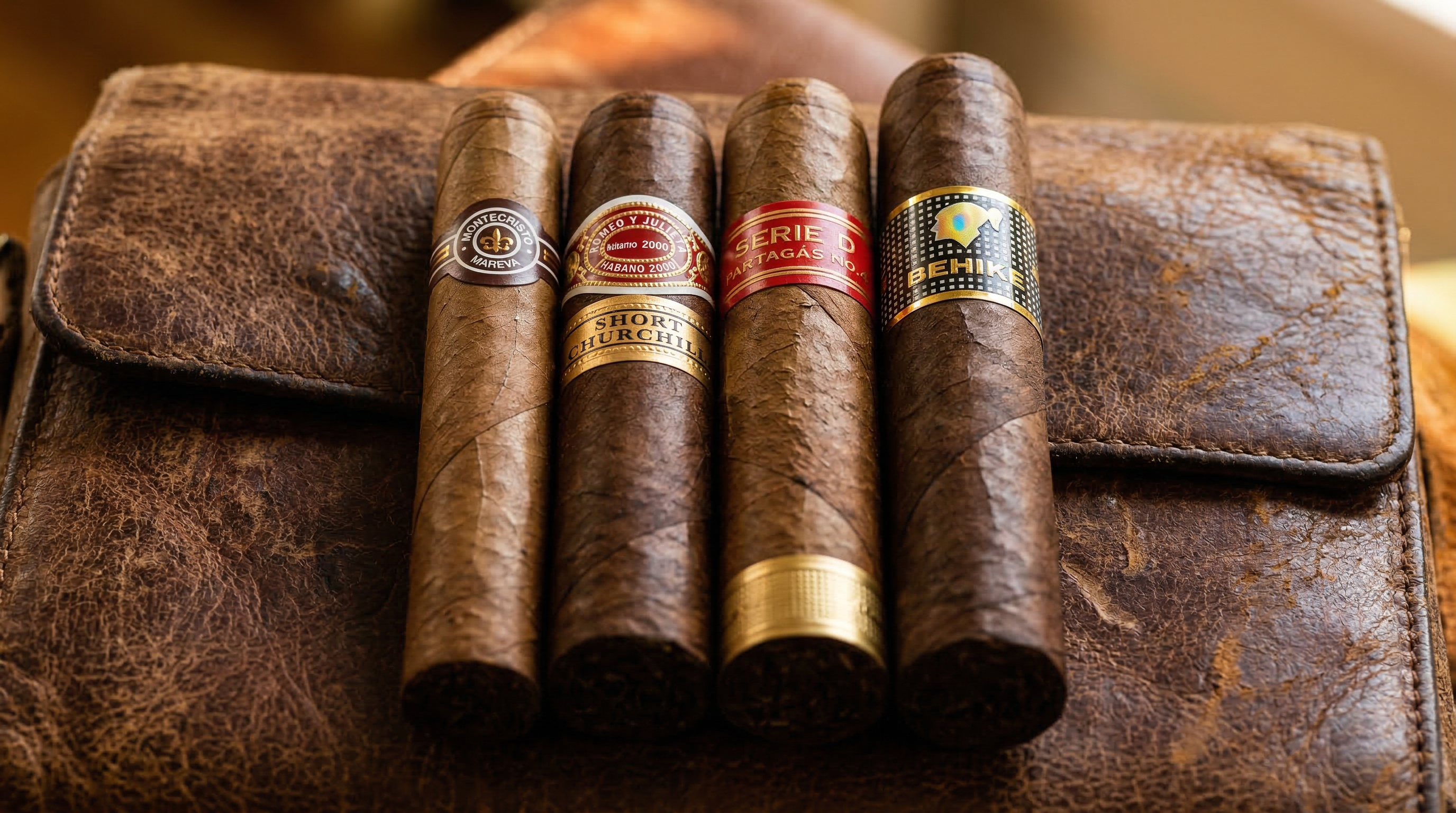
The Mathematics of Diameter: Understanding Ring Gauge
In the world of premium tobacco, the sizing system is rooted in an archaic but precise standard. A cigar's girth is calculated in sixty-fourths of an inch. Consequently, when a smoker encounters a Robusto with a ring gauge of 50, they are holding a cigar with a diameter of 50/64ths of an inch—roughly translating to 20 millimeters. This numerical value is the second half of the standard nomenclature used to describe a cigar's "vitola," paired with its length.
While the math may seem dry, the implications are tangible. The difference between a delicate 38-ring Lancero and a hefty 56-ring Gordo is massive in terms of physical construction. A thicker cigar requires significantly more filler tobacco leaves to maintain its structural integrity and density. This fundamental difference in volume sets the stage for a completely distinct smoking session, influencing everything from how the cigar burns to how the flavors marry within the filler blend.
The Science of Flavor Ratios
The Wrapper's Dominance in Thin Vitolas
One of the most fascinating aspects of ring gauge is its influence on the ratio of wrapper leaf to filler tobacco. The wrapper is the most expensive and often the most flavorful part of the cigar. In thinner formats—typically ranging from 32 to 38 ring gauge—the wrapper occupies a much larger percentage of the total tobacco volume compared to the filler. As a result, the distinctive characteristics of that wrapper leaf take center stage. Smokers choosing a slender Panetela or a Lancero are often rewarded with a refined, focused experience where the nuanced notes of the outer leaf shine through without competition.
Complexity in Thicker Formats
Conversely, as the ring gauge expands into the 50s and beyond, the filler blend becomes the star of the show. A thick cigar allows master blenders to incorporate a wider variety of filler leaves, including different types of tobacco from various regions and primings. This creates a multi-layered profile where the complexity comes from the interplay of distinct tobaccos rather than the singularity of the wrapper. A thick Robusto or Toro offers a broad, complex flavor spectrum that changes as the cigar is smoked, driven by the rich internal composition.
Combustion Mechanics: Burn Time and Draw
Beyond flavor, the girth of a Habano dictates the physical mechanics of smoking. Physics dictates that a larger mass of tobacco takes longer to burn. Therefore, a cigar with a 54-ring gauge will almost invariably offer a longer smoking session than a 42-ring gauge cigar of the exact same length. The thicker format contains more fuel, prolonging the combustion process and allowing for extended enjoyment.
Furthermore, the burn temperature varies significantly. Thicker cigars tend to burn cooler because the density of the filler restricts airflow slightly, preventing the fire from raging too hot. This cooler burn often results in a smoother, creamier smoke. In contrast, thinner cigars burn hotter and faster, which can intensify the flavor delivery but requires careful pacing to avoid harshness. Additionally, the draw resistance is markedly different; thick cigars generally provide an effortless draw with massive smoke output, while thin cigars offer a more concentrated stream of flavor that requires slightly more effort from the smoker.
Iconic Cuban Examples
Examining specific Cuban vitolas illustrates these principles perfectly. The Cohiba Lancero serves as the quintessential example of a thin format. With a ring gauge of 38, this elegant cigar allows the legendary wrapper of the Cohiba brand to express itself fully, offering a refined and potent taste. On the other end of the spectrum lies the Montecristo No. 2, a Pyramid shape with a ring gauge of 52. This iconic smoke utilizes its ample girth to deliver the rich, complex filler blend Montecristo is famous for. Sitting comfortably in the middle is the Montecristo No. 4, a Mareva size with a 42 ring gauge, representing a balanced standard where neither the wrapper nor the filler completely overwhelms the other.