In the ever-evolving world of premium tobacco, few things remain constant. Brands rise and fall, vitolas are resized, and production methods shift with the tides of consumer demand. For those who followed the Cuban cigar industry closely, the discontinuation of the Fonseca Mini marked the end of an accessible era. This small-format smoke, once a staple for the time-constrained aficionado, has now receded into history, leaving behind a legacy defined by utility and straightforward craftsmanship.

Defining the Physical Dimensions
The Fonseca Mini was never designed to compete with the imposing stature of a double corona or the intricate complexity of a pyramid. Instead, its identity was forged through its diminutive proportions. Measuring a modest 82 mm (approximately 3 ¼ inches) in length, the cigar was intended for brevity. Its slenderness was its most defining characteristic; with a ring gauge of just 19, it stood as a slender reed compared to the robust girth of modern preferences.
This thin format placed the cigar squarely in the category of "small cigars," a segment that serves a distinct purpose in a smoker's rotation. The official weight of the unit was a mere 0.77 grams, highlighting just how little tobacco was required to craft this smoke. It was a cigar built for the interlude, the short break, or the morning commute, rather than the long evening contemplation.
Machine-Made Consistency
One of the most significant departures from the traditional Cuban narrative was the construction method. While the island is famous for the *torcedores*—the master rollers who handcraft each cigar—the Fonseca Mini was a product of automation. It was a machine-made cigar, a fact that fundamentally shaped its market position and price point.
By utilizing automated manufacturing processes, the brand ensured a level of uniformity that is difficult to achieve by hand. Every cigar in a pack was identical in draw resistance and roll quality. This construction method allowed the brand to offer a Cuban product at a more accessible price, though it inevitably lacked the unique idiosyncrasies that hand-rolling imparts.
- Production Style: Fully automated, machine-made construction.
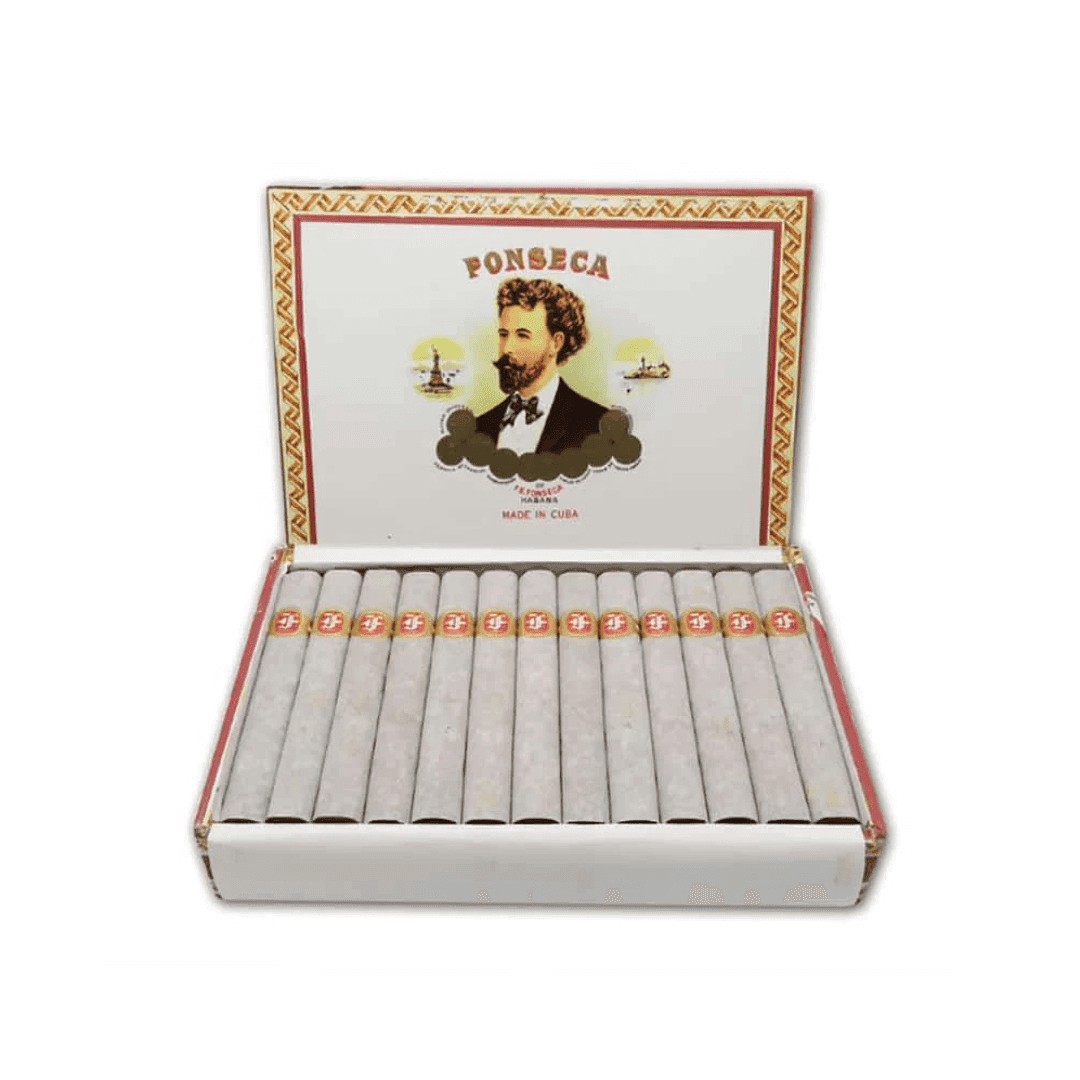
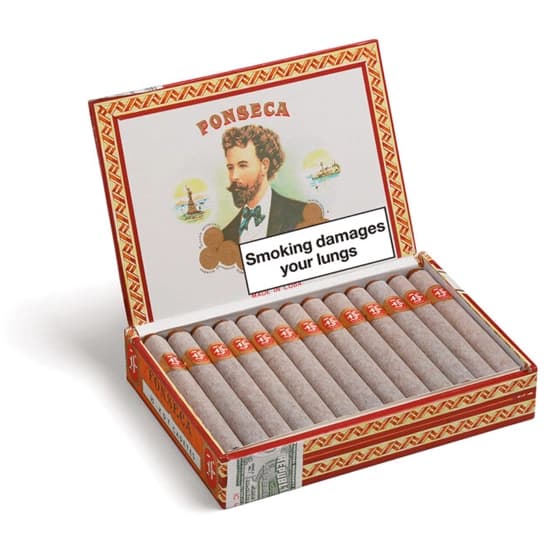
- Banding: No decorative band was applied; the cigar was sold unadorned.
- Packaging: Distributed in convenient cardboard packs of 20 cigars.
Aesthetic and Presentation
In a market where elaborate bands often compete for attention, the Fonseca Mini offered a refreshing lack of ornamentation. It arrived without a band, presenting a minimalist face to the world. The focus was entirely on the tobacco wrapper itself, unobscured by paper or glue. This unadorned presentation signaled that this was a utilitarian smoke, meant to be enjoyed rather than displayed.
The packaging further reinforced this practical philosophy. Instead of the traditional varnished wooden boxes that protect premium hand-rolled cigars, the Fonseca Mini was sold in cardboard packs. Each pack contained 20 individual cigars, making them easy to slip into a pocket or bag. It was a presentation designed for function over form, catering to smokers who valued convenience above all else.
The End of a Regular Production Run
For a significant period, the Fonseca Mini held its ground as a regular production item. It was not a limited edition or a regional release; it was a standard offering available to consumers worldwide. However, the tides of the global cigar market eventually turned against small, machine-made formats. The demand for larger ring gauges and premium hand-rolled experiences grew, squeezing out smaller, automated products.
Consequently, the Fonseca Mini was discontinued. It no longer appears in active catalogs or fresh inventory lists. Today, it exists only as a memory for those who appreciated a quick, authentic taste of Cuban tobacco without the commitment of a full-hour session. Its absence serves as a reminder that even the most practical and accessible products are not immune to the shifting winds of the industry.