Among the treasures of Cuba's storied cigar heritage, the Fonseca Aromas occupies a distinguished niche that continues to captivate collectors and connoisseurs decades after its last release. This elegant petit corona size vitola represents a bygone era of Cuban cigar craftsmanship, embodying the refined character that made the Fonseca name synonymous with sophistication during the mid-twentieth century. While no longer produced, the Aromas endures as a sought-after artifact for those who appreciate vintage Habanos and the unique smoking experience they deliver.

Origins and Historical Significance
The Fonseca Aromas first entered the market before 1960, emerging during what many historians consider the golden age of Cuban cigar manufacturing. The brand itself had already established a prestigious reputation, and this particular vitola added another dimension to their portfolio. For approximately three decades, the Aromas remained a consistent presence in Fonseca's regular production lineup, offering smokers a refined option that balanced approachability with complexity.
Manufacturers eventually phased out the Aromas during the mid to late 1980s, a period when many Cuban cigar producers were restructuring their offerings and consolidating their ranges. This discontinuation transformed the cigar from an accessible smoke into a treasured relic, appreciated both for its smoking qualities and its historical importance. The decision to halt production reflected broader industry shifts while simultaneously elevating the Aromas to collector status.
Technical Specifications and Dimensions
Understanding the precise measurements of the Fonseca Aromas provides insight into how Cuban rollers approached the creation of smaller, more refined vitolas. The cigar measures 140 millimeters in length, which translates to approximately 5½ inches, placing it squarely in the petit corona category. A ring gauge of 40 millimeters gives this smoke its characteristic slender profile, allowing for a focused concentration of flavors that develops steadily throughout the smoking experience.
Each individual cigar carries an official weight of 7.64 grams, though enthusiasts should note that hand-rolled cigars from this production era frequently displayed minor variations from stated measurements. These subtle differences were not considered flaws but rather evidence of authentic artisanal construction methods employed by Cuban torcedors. The factory of origin remains undocumented in available records, adding an element of mystery to these vintage specimens.
Construction and Presentation Methods
The Fonseca Aromas exemplified traditional Cuban cigar-making techniques, with each unit constructed entirely by hand using time-honored methods passed down through generations of skilled craftsmen. This handmade approach ensured consistent quality while allowing for the slight natural variations that give vintage cigars their unique character. The expertise required for such meticulous construction represented the pinnacle of Cuban tobacco artistry during this period.
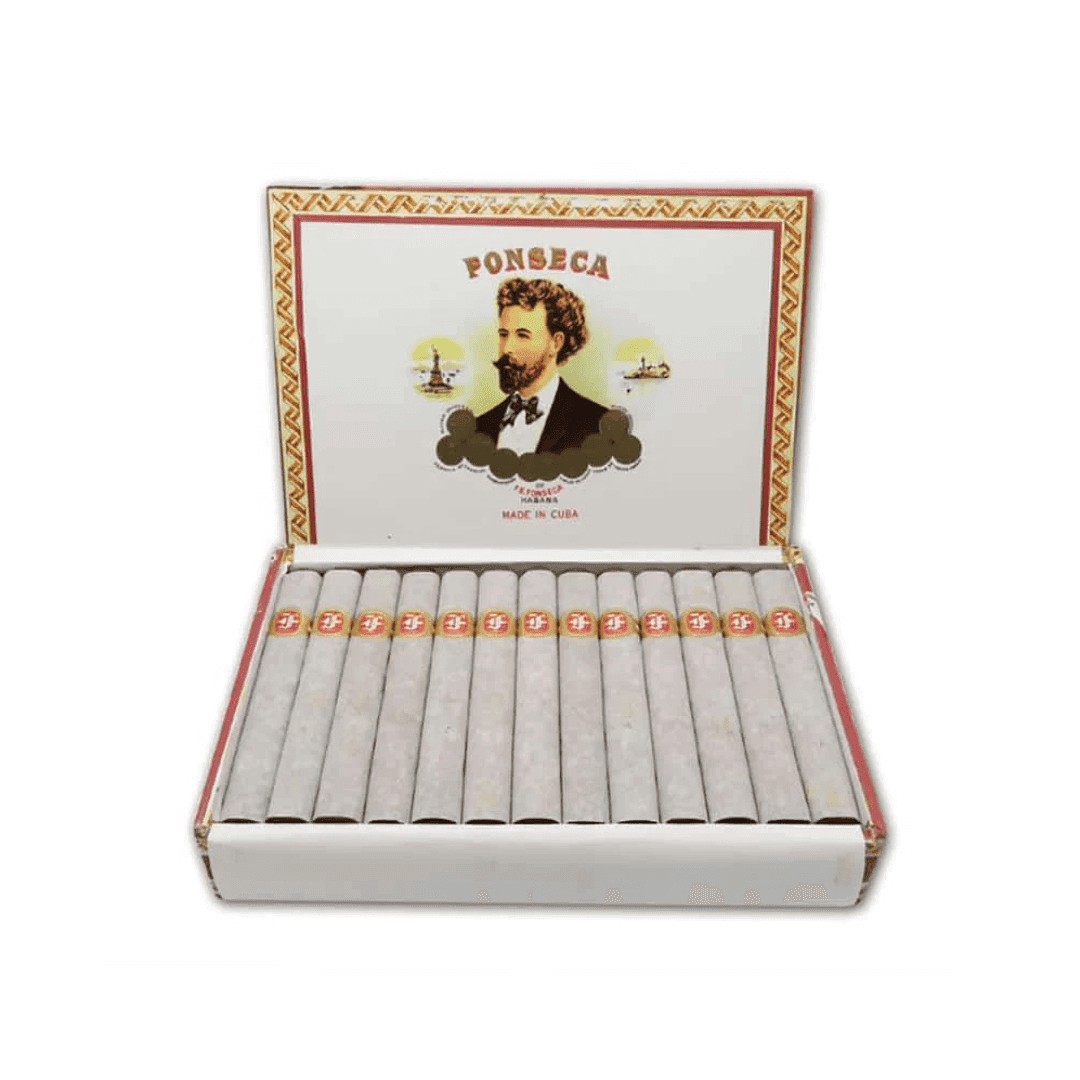
Presentation played a significant role in the Aromas identity, as each cigar arrived individually swathed in delicate tissue paper. This protective wrapping served both practical and aesthetic purposes, shielding the vulnerable wrapper leaf from damage while reinforcing the premium positioning of the product. The tissue wrapping became a distinctive feature that distinguished Fonseca cigars from competitors' offerings during the same era.
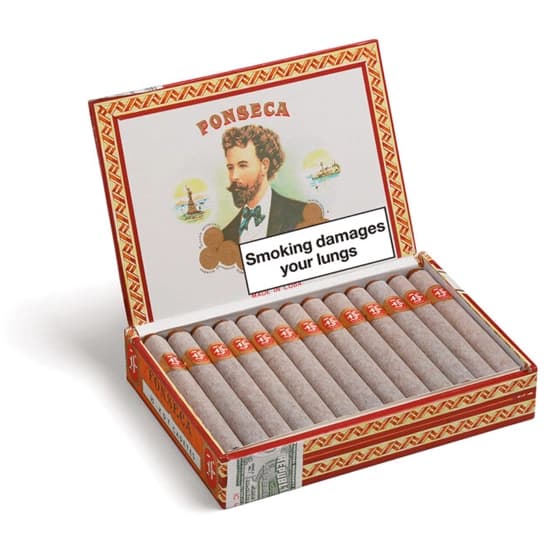
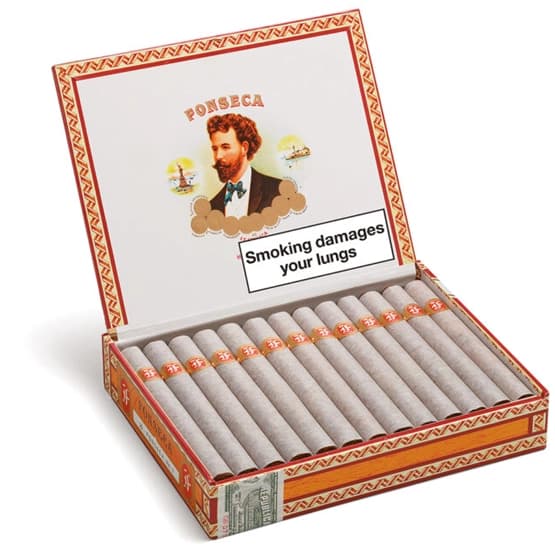
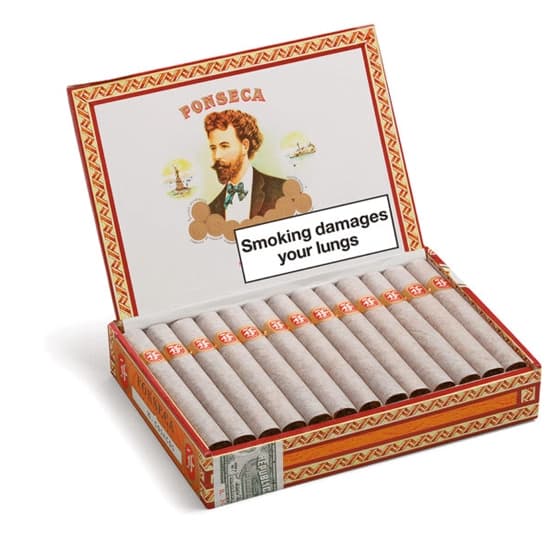
Twenty-five individual cigars comprised each dress box, carefully arranged to maintain their condition during transport and storage. The standard band A adorned each cigar, bearing the Fonseca branding that remained consistent across the manufacturer's broader range of products. This visual continuity helped establish brand recognition while the specific Aromas vitola maintained its own distinct identity within the collection.
Collectibility and Enduring Appeal
Today, the Fonseca Aromas commands attention in vintage cigar circles, with its pre-1960 heritage placing it firmly within an era celebrated for exceptional quality and historical significance. The roughly thirty-year production run created a limited supply that continues to diminish as existing specimens are smoked or deteriorate over time. This scarcity has naturally increased interest among collectors seeking to acquire representative examples of this distinctive vitola.
For investment-minded collectors, the Aromas represents both historical artifact and potential store of value. However, proper storage remains essential for maintaining any remaining cigars in smokeable condition, requiring careful attention to humidity and temperature control. Those fortunate enough to encounter authentic Fonseca Aromas often describe the discovery as an opportunity to experience a genuine piece of Cuban cigar history.
The legacy of the Fonseca Aromas endures not merely as a collector's item but as a testament to an era when Cuban cigar makers devoted themselves to crafting smokes of exceptional refinement. While production may have ceased, the Aromas maintains its place among the notable discontinued vitolas that continue to fascinate enthusiasts worldwide.