
In the exclusive world of premium tobacco, the spotlight often rests firmly on the industry titans. Names like Cohiba and Montecristo have become synonymous with the very concept of a Havana cigar, enjoying a level of global fame that overshadows the island's vast and varied production history. Yet, beneath this layer of celebrity status lies a fascinating undercurrent of lesser-known marques. Among these quiet contenders stands Siboney, a brand that may not dominate retail shelves or international conversations, but nevertheless occupies a distinct and respected niche in the timeline of Cuban cigar craftsmanship.
The Allure of the Underdog
For the seasoned aficionado, the appeal of Cuban tobacco goes beyond the mainstream bestsellers. There is a certain thrill in uncovering a label that has escaped the limelight, and this is precisely where Siboney carves out its identity. While it lacks the aggressive marketing campaigns and ubiquitous presence of the island's most famous exports, it remains a legitimate piece of the nation's smoking heritage. The brand serves as a reminder that the depth of Cuba’s cigar industry is immense, offering experiences that range from the globally recognized to the delightfully obscure.
Navigating the history of such a brand requires looking past the glossy brochures of tourism and delving into the specifics of production cycles. For collectors who pride themselves on a comprehensive knowledge of Havana’s output, Siboney represents a necessary chapter in the broader narrative. It is a brand that speaks to the connoisseur who values historical context as much as the smoking experience itself.
Decoding the Band History
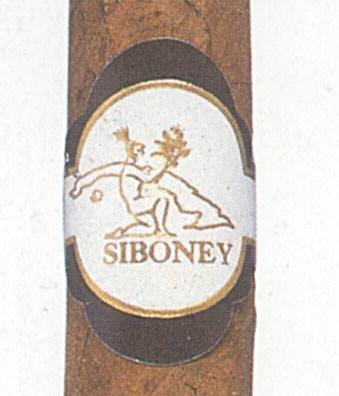
One of the most critical aspects of collecting vintage cigars is the ability to identify production eras through specific packaging markers. In the case of Siboney, the brand's history is distinctly punctuated by its use of cigar bands during the late 20th century. Specifically, the timeline from 1988 through 1996 is marked by the utilization of what is known in collecting circles as Standard Band B.
This nine-year window serves as a definitive chapter for the marque. Unlike the ornate or wildly unique bands of some ultra-premium limited editions, the use of Standard Band B places Siboney within a specific classification system used by Cuban manufacturers during that era. Understanding this nuance is essential for anyone attempting to piece together the provenance of a particular box or single stick found in the secondary market.
- Designation: Standard Band B
- Production Window: 1988 – 1996
- Significance: Acts as a primary timeline marker for the brand.
A Guide for the Modern Collector
For those scouring estate sales or humidors for vintage finds, the band is far more than a decorative element; it is a forensic tool. The presence of Standard Band B on a Siboney cigar offers a reliable method for authentication. It confirms that the cigar was manufactured during that specific nine-year period, providing a solid reference point for dating the item.
In the absence of a box code or a factory label, the band becomes the leading voice in identifying the cigar's age. Because Siboney is not as widely counterfeited or discussed as the major global brands, finding a specimen with the correct band from the 1988-1996 era can be a rewarding validation of a collector's eye. It transforms a simple cigar into a timestamped artifact of Cuban industrial history.
Preserving the Narrative
Ultimately, the story of Siboney is one of preservation and detail. It highlights the importance of the smaller marques in maintaining the rich tapestry of the Cuban cigar tradition. While they may not always grab the headlines, brands like Siboney—and the specific details like their band transitions—ensure that the history of Havana remains complex and layered. For the enthusiast, knowing the difference between Standard Band B and other variations isn't just trivia; it is the key to unlocking the true heritage of a hidden gem.