Among the treasures waiting to be discovered by devoted Cuban cigar collectors lies a modest yet significant vitola that once filled shop shelves for more than forty years. The Ramón Allones Toppers stands as a testament to an era when machine production allowed premium tobacco experiences to reach a wider audience across Cuba and beyond. Though officially retired from production two decades ago, this unassuming petit corona continues to captivate enthusiasts seeking authentic pieces of Cuban cigar heritage.

Origins and Timeline
The story of the Toppers begins well before the Cuban Revolution reshaped the island's tobacco landscape. This particular vitola first appeared in the Ramón Allones catalog sometime prior to 1960, quickly establishing itself as one of the brand's more enduring offerings. Unlike many cigars that came and went with changing tastes, the Toppers demonstrated remarkable staying power, surviving the nationalization of the Cuban cigar industry and remaining continuously available through much of the twentieth century.
For over four decades, this machine-made smoke maintained its presence in Cuban cigar boxes, serving as an entry point for new smokers and a reliable everyday choice for experienced aficionados. However, by the early 1990s, the writing appeared on the wall for this aging vitola. Production gradually wound down, and the final chapters of the Toppers story concluded in 2001 when the brand officially discontinued the line. Today, original specimens represent increasingly rare finds, particularly those preserved in excellent condition.
Technical Specifications
Understanding the physical characteristics of the Toppers helps collectors identify authentic examples in the secondary market. The vitola measures 160 millimeters in length, equivalent to approximately six and a quarter inches, placing it firmly in the petit corona category. The ring gauge of 39 delivers a moderate draw characteristic that suited the machine-made construction method well.
The official weight of each cigar registers at 8.29 grams, reflecting the relatively compact dimensions of this vitola. In the factory, these cigars bore the designation "Toppers" as their production name, distinguishing them from other Ramón Allones releases in the portfolio. Collectors should note that both band style B and band style C appeared on various releases, consistent with the brand's labeling practices during the production era.
Manufacturing and Presentation
As a machine-made product, the Toppers represented a different approach to Cuban cigar production compared to the hand-rolled premiums that typically dominate collector attention. Automated manufacturing processes enabled consistent output at scale, allowing the brand to meet market demand without the intensive labor requirements of traditional rolling techniques. This production method also helped keep per-cigar prices accessible to a broader range of consumers during the years when the Toppers graced retail displays.
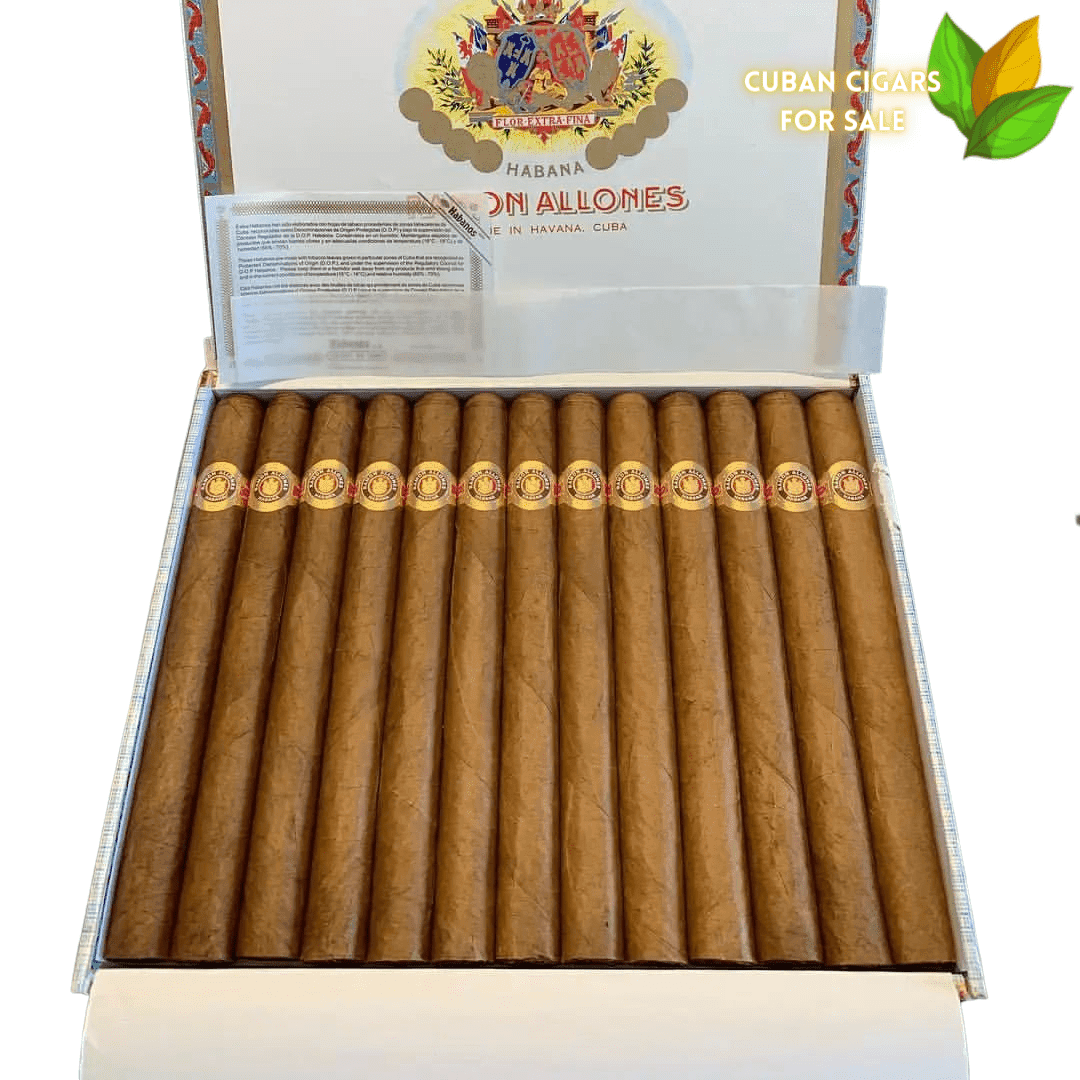
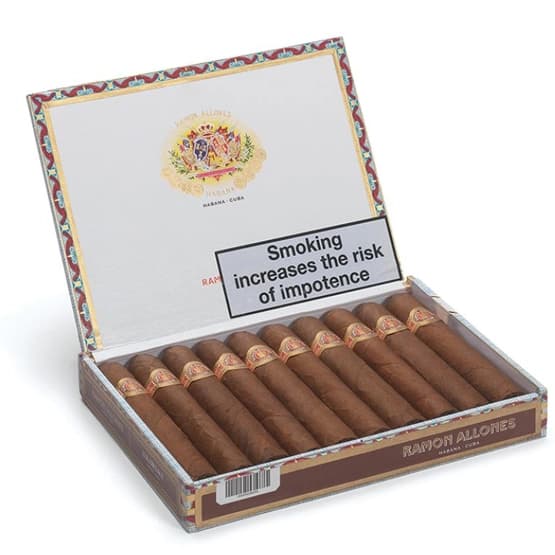
Packaging for the Toppers followed the dress box format, with each container holding twenty-five individual cigars. Some batches received individual cellophane sleeves for added protection during storage and transport, while others shipped without cellophane wrapping. This variation in presentation means collectors today must assess each potential purchase carefully, considering both the condition of the cigars themselves and the authenticity of any packaging claims.
Modern Collectibility
With production having ceased in 2001 and regular retail availability ending much earlier, the Toppers now exists primarily in collector portfolios and specialized secondary market venues. Enthusiasts searching for these cigars should approach purchases with appropriate caution, verifying condition, provenance, and authenticity before committing to transactions. The machine-made construction, while historically significant, also means that smoking quality may vary considerably depending on storage conditions and age of the cigars.
For those interested in the broader Ramón Allones lineage, the brand continued releasing other premium offerings following the Toppers discontinuation, including special editions like the Siglo XXI and Millennium Humidor varieties. However, the Toppers occupies its own unique niche in Cuban cigar history, representing an era when accessibility and tradition intersected in the form of an affordable, consistently produced smoke that served generations of Cuban cigar enthusiasts.