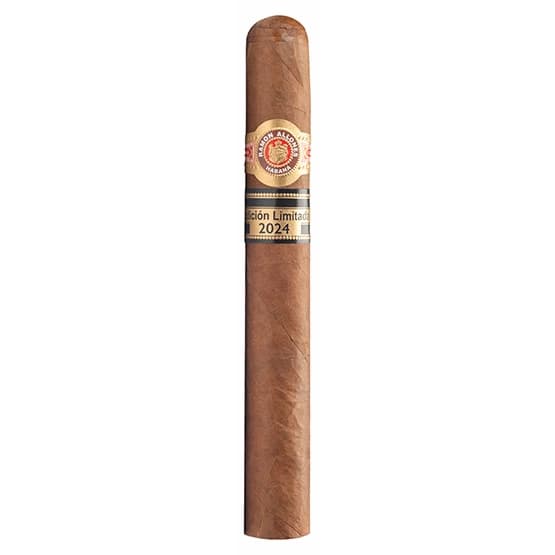
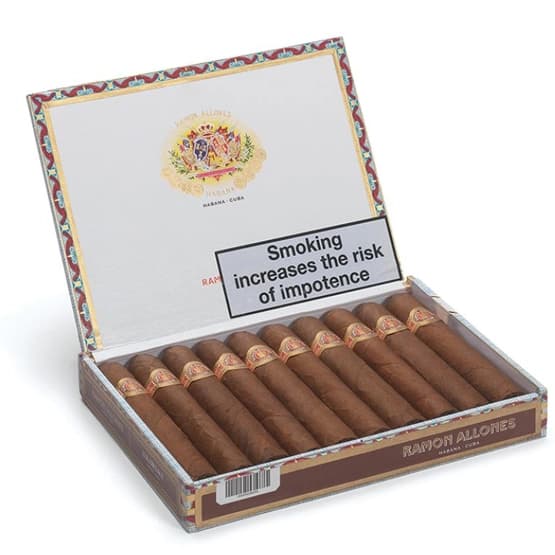
For the discerning aficionado, few pursuits are as rewarding as unearthing a discontinued Cuban cigar that has survived the passage of time. The Ramón Allones Ideales de Ramon stands as a prime example of such a relic, offering a sensory bridge to a transformative period in Havana's tobacco history. This particular vitola is not merely a smoke; it is a historical artifact from a brand renowned for its full-bodied character, representing a format and style that has largely vanished from modern humidors.

Origins in a Bygone Era
The story of the Ideales de Ramon begins long before the standardization of cigar lines that we see today. Released prior to 1960, this cigar is firmly rooted in the pre-revolutionary epoch of Cuba. During this time, the tobacco industry was characterized by a proliferation of unique shapes and sizes, many of which were specific to individual factories or brands. The Ideales de Ramon was a product of this creative and commercially vibrant environment.
While the cigar enjoyed a presence in the market during the mid-20th century, its lifespan was finite. Production continued for a time following the nationalization of the industry, but the Ideales de Ramon was eventually retired during the 1970s. This discontinuation has transformed the cigar from a regular production item into a rare collector's piece, with surviving examples serving as tangible proof of the brand's storied past.
Dimensions and Physical Specifications
In terms of architecture, the Ideales de Ramon presents a silhouette that contrasts sharply with the robust formats favored by contemporary smokers. It belongs to a category of long, slender cigars that prioritize elegance and cool smoke. The technical specifications reveal a construction built for patience and nuance.
- Vitola Name: Ideales de Ramon
- Dimensions: Measuring 161 mm (6⅜ inches) in length with a ring gauge of 36.
- Weight: Officially listed at 7.59 grams.
- Factory Name: The specific factory nomenclature remains unrecorded in standard catalogs.
The cigar was crafted entirely by hand, a testament to the skill of the torcedores of that era. Its slender gauge requires expert rolling to ensure a proper draw, making the preservation of these cigars over decades a remarkable feat of engineering and storage.
Presentation and Packaging
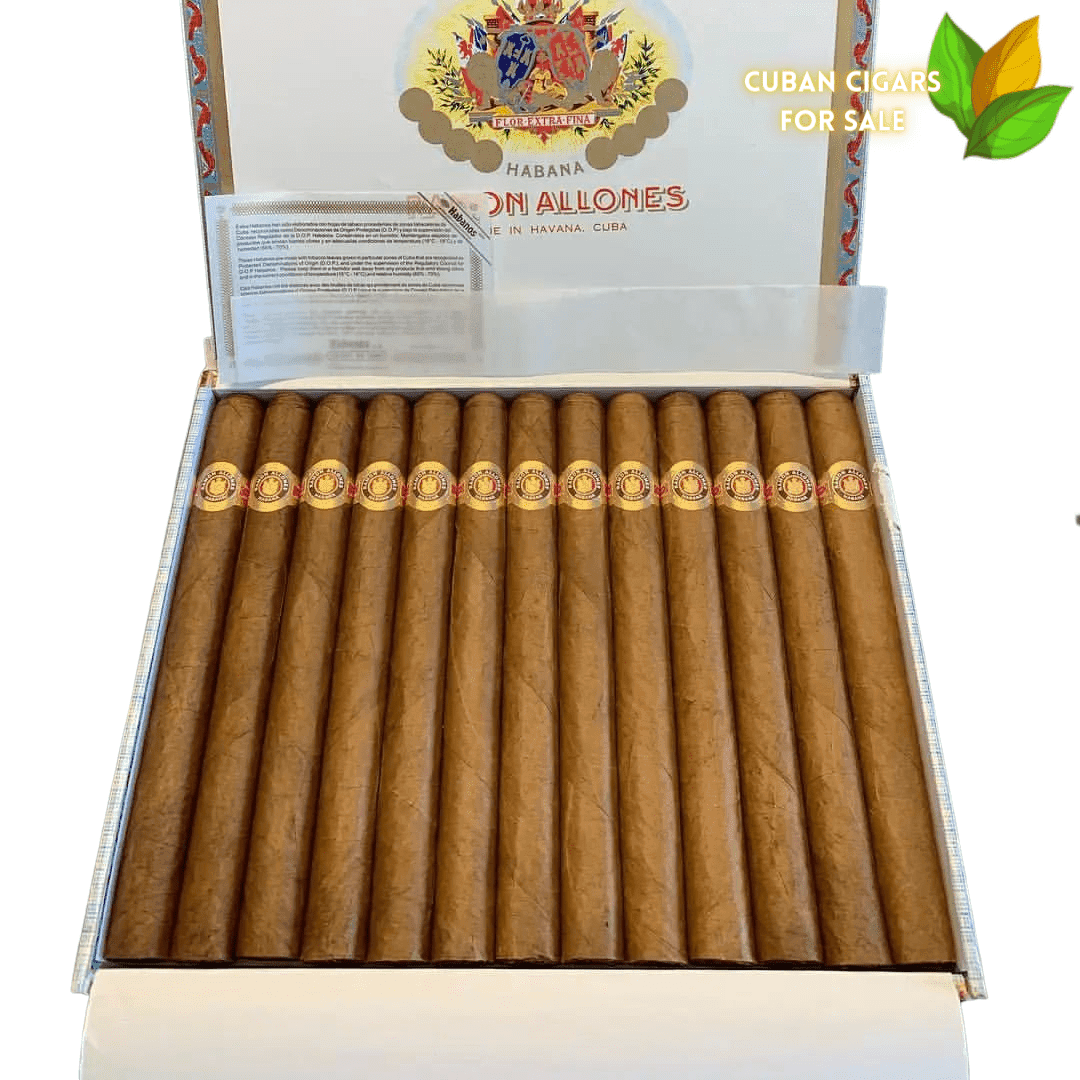
The visual identity of the Ideales de Ramon aligns with the classic aesthetic of the Ramón Allones brand. Each unit was adorned with the standard "band B and C" configuration, a detail that immediately signals authenticity to seasoned collectors. The presentation was formal and traditional, utilizing a "dress box" presentation—a style of box where the cigars are often arranged with decorative linings and specific spacing to enhance visual appeal.
These boxes contained 25 units, a standard count for premium Havana cigars of the time. For the modern collector, finding an original dress box intact is a significant discovery, as the packaging itself tells a story of mid-century Cuban luxury goods.
Collectibility and Market Status
As a production line that ceased to exist decades ago, the Ideales de Ramon occupies a distinct niche in the secondary market. It is considered a vintage find, largely unavailable through standard retail channels. Its appeal lies not only in its rarity but also in what it represents: a flavor profile derived from tobacco grown in soil and conditions that have since changed.
Collectors value this vitola for its connection to the pre-1960 era, a period often romanticized for its tobacco quality. Because it has been out of production since the 1970s, every surviving example offers a unique taste of history. The Ramón Allones brand has always been synonymous with strength and character, and this discontinued format remains a sought-after trophy for those dedicated to preserving the legacy of Cuban tobacco.