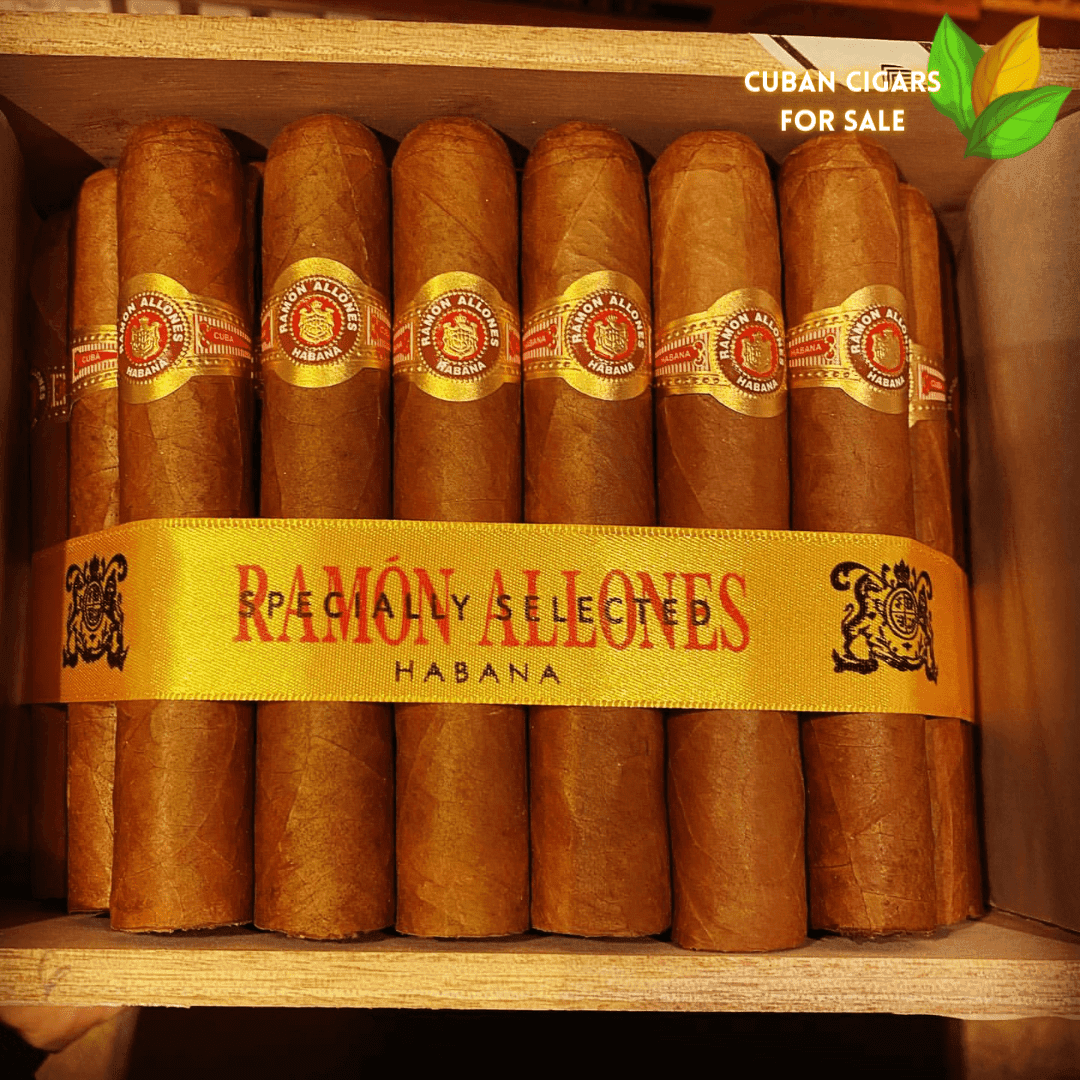
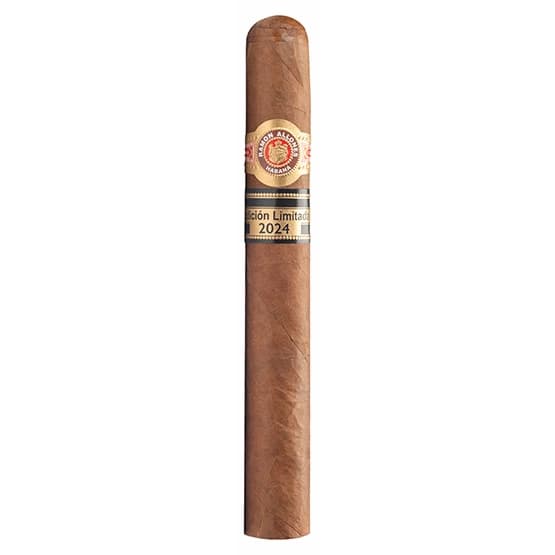
When a slender panatela vanishes from a historic portfolio, cigar historians take note. The Ramón Allones Ramonitas, a delicate smoke that once graced Cuban humidors for three full decades, has become a quiet legend among vintage collectors. Its disappearance from the regular catalog left a gap that is still felt in the secondary market, where well‑preserved examples command premium prices.

Origins and Launch
Ramón Allones, a marque that dates back to the mid‑19th century, has long been celebrated for bold blends and meticulous construction. In 1972 the brand introduced a thin, elegant vitola that would later be known as the Ramonitas. This launch marked the first time the factory offered a panatela of such modest girth—26 ring and 121 mm long—within its standard range. The timing coincided with a period when Cuban factories were experimenting with slimmer formats to appeal to a growing international audience.
Why the Slim Format?
During the early 1970s, a wave of smokers were looking for lighter, quicker smokes that still delivered the complexity of a Habano. The Ramonitas answered that call by providing a refined, slow‑burning stick that could be enjoyed in under an hour. Its slender profile also allowed the filler leaves to shine, giving the blend a nuanced profile that differed from the brand’s thicker robusto and corona offerings.
Construction and Technical Specs
Every Ramonitas was rolled entirely by hand, a hallmark of Cuban cigar artisanship at the time. The cigar’s modest 26 ring gauge translated into a delicate draw, while its 121 mm (≈4 ¾ in) length offered a balanced smoking experience. The vitola was finished with the brand’s classic “Band A” strip, a simple black and gold design that has remained a signature of Ramón Allones.


Key Specifications
- Vitola name: Ramonitas
- Factory designation: Carolinas
- Ring gauge: 26
- Length: 121 mm (4 ¾ in)
- Weight: 2.94 g
- Construction: Handmade
- Band style: Standard Band A
- Packaging: Dress box of 25 cigars
- Production window: 1972 – 2002
The choice of a dress box—typically a sleek, hinged cardboard container—reflected the era’s preference for understated elegance, while the 25‑cigar count offered collectors a manageable quantity for aging.
Collectibility and Market Appeal
Because production halted in 2002, the Ramonitas now occupies a niche within the world of vintage Habanos. Its relatively short lifespan of exactly thirty years makes it a finite commodity, and the fact that it was never re‑issued in the regular catalog adds to its rarity. Enthusiasts hunting for aged sticks often cite the cigar’s mellow, yet complex flavor profile, which evolves as the smoke matures. The secondary market reflects this demand: a well‑stored box can fetch several times its original retail price.
Beyond flavor, the Ramonitas carries a historical narrative. It serves as a snapshot of a transitional era in Cuban cigar manufacturing, when manufacturers were adapting to shifting tastes while preserving traditional methods. For many collectors, owning a piece of that narrative is as valuable as the tobacco itself.
Legacy: Special Releases and the Siglo XXI Connection
Although the standard Ramonitas is no longer produced, its spirit survived in limited form. In the early 2000s, the brand resurrected the vitola for the Ramón Allones Siglo XXI Millennium Humidor release. This exclusive edition placed the Ramonitas inside a specially crafted humidor, accompanied by a certificate of authenticity and a brief history of the brand. The release was capped at a few hundred numbered boxes, instantly turning the component cigars into collector’s items.
The Siglo XXI edition not only preserved the vitola’s legacy but also underscored the brand’s willingness to honor its heritage. For those who missed the original production run, the humidor release offered a second chance to experience the distinctive thin profile and flavor that made the Ramonitas famous.
In summary, the Ramón Allones Ramonitas remains a testament to a bygone era of Cuban cigar making. Its slim silhouette, handmade construction, and thirty‑year production span have cemented its status as a sought‑after piece for collectors and historians alike. Whether tucked away in a vintage humidor or displayed as a reminder of the craft’s evolution, the Ramonitas continues to intrigue and inspire.