For the discerning cigar aficionado, few pursuits are as thrilling as uncovering a regional release that has long since vanished from retailer shelves. Among the pantheon of rare Cuban cigars, the 2009 Ramón Allones Petit Unicos holds a special place in the hearts of Canadian enthusiasts. Created specifically for the Great White North as part of the prestigious Edición Regional program, this cigar represents a fleeting moment of artisanal brilliance. It was never intended for global mass consumption; rather, it was a bespoke creation designed to showcase the depth of the Ramón Allones marca in a format that was entirely new to the brand's standard portfolio.

The Concept Behind the Edición Regional Program
To truly appreciate the Petit Unicos, one must understand the framework that brought it to life. The Edición Regional initiative is a collaborative effort between Habanos S.A. and its international distributors. The program empowers national distributors to commission unique vitolas from established Cuban brands, provided those specific sizes are not currently part of the brand's regular production lineup. This mechanism allows for a level of exclusivity that is difficult to replicate.
In the case of the Petit Unicos, the Canadian distributor saw an opportunity to expand the Ramón Allones offerings. Historically known for its full-bodied profile and rich history dating back to 1837, Ramón Allones provided the perfect canvas for a regional exclusive. The result was a limited run that arrived in 2009, offering a size and shape that aficionados could not find in the standard product catalogues.
Dissecting the Vitola: A Study in Dimensions
The physical construction of the Petit Unicos reveals why it remains a topic of conversation years after its release. The cigar adopts the Petit Pirámides factory name, a format that delivers the complexity of a torpedo shape in a compact timeframe. This is not a marathon smoke; it is a concentrated burst of flavor designed for the modern smoker who may not have two hours to spare but refuses to compromise on quality.
The tapered pyramid shape is instrumental in the smoking mechanics. The pointed head allows the smoker to customize the draw by cutting as much or as little as they prefer, while the widening foot ensures a cool burn and ample smoke output from the very first draw.
- Name: Ramón Allones Petit Unicos
- Factory Vitola: Petit Pirámides
- Dimensions: 127 mm (5 inches) in length with a 50 ring gauge.
- Weight: 11.16 grams
This size sits comfortably between a robusto and a standard torpedo, offering the best of both worlds: the thick ring gauge provides coolness, while the tapered head concentrates the smoke for intensified flavor delivery.
Packaging and Scarcity
Part of the allure surrounding this release lies in its presentation and strict production limits. The cigars were housed in semi boîte nature boxes, a classic presentation style that uses natural wood finishes to hint at the organic product inside. Each box contained 25 cigars and, crucially, was individually numbered. This numbering system transforms the packaging from a simple container into a collector's artifact, allowing enthusiasts to track the provenance of their purchase.
The scarcity of the product cannot be overstated. Production was capped at a mere 1,200 boxes. In the world of premium hand-rolled Cubans, where millions of cigars are produced annually, a run of 1,200 boxes is a drop in the ocean. This limited availability ensured that the Petit Unicos became an instant collector's item, vanishing from the market almost as quickly as it appeared.
Aesthetics and Branding Details
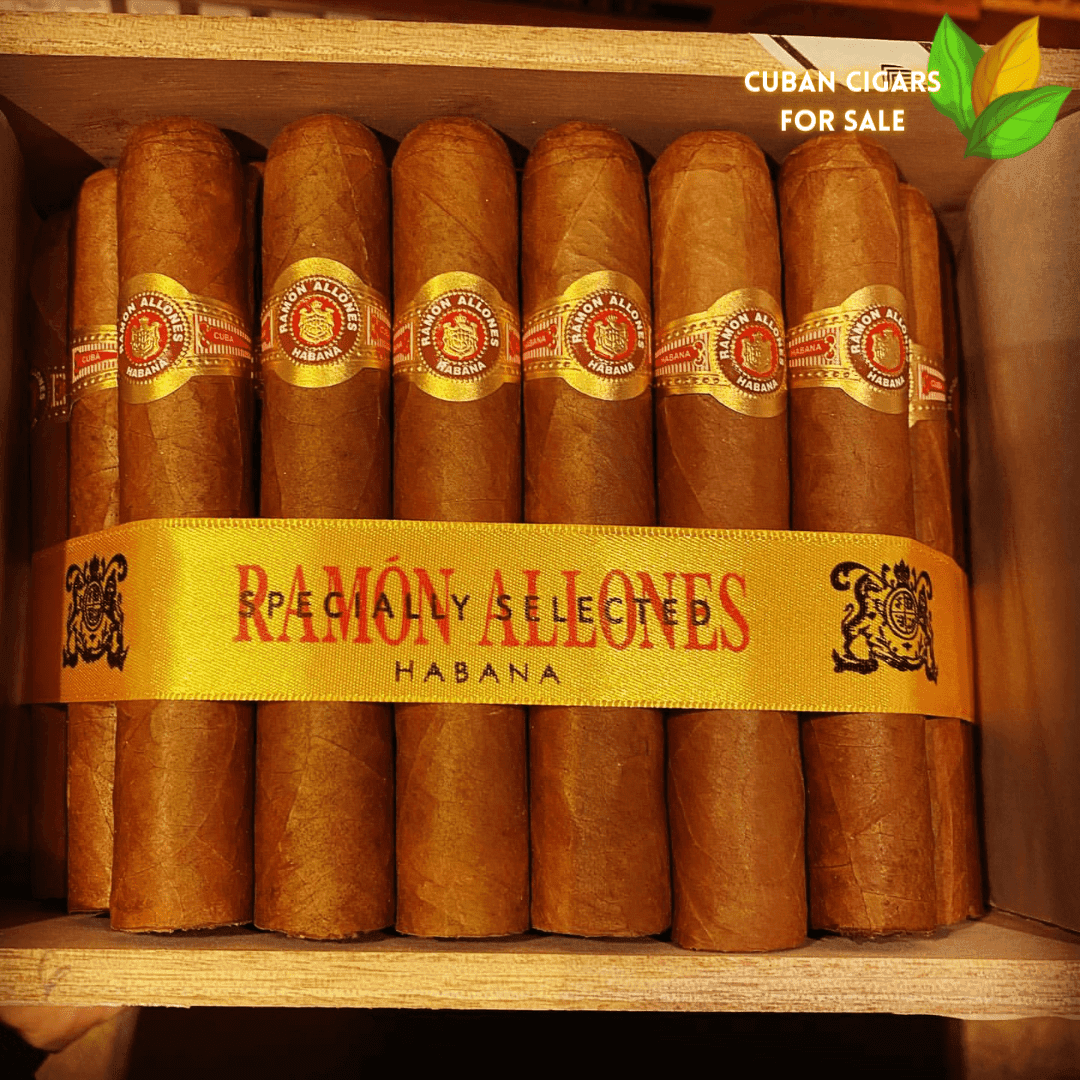
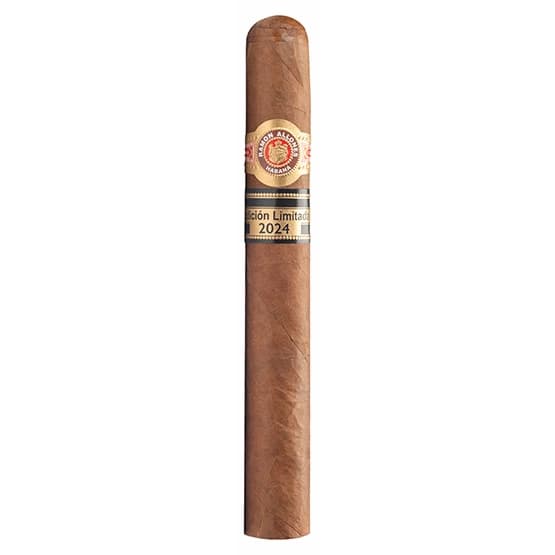
Visually, the cigar is a testament to traditional Cuban branding protocols while signaling its special status. The main band is the standard Ramón Allones design, specifically the "D" band variant known for its classic typography and regal aesthetic. However, what distinguishes this release from standard stock is the addition of a secondary band.
This extra band clearly identifies the cigar as an Edición Regional, marked specifically with "Canadá" to denote its intended market. This dual-band approach serves as an immediate visual cue to the consumer that they are holding a unique product. It signals a smoke that was crafted with a specific audience in mind, blending the heritage of a historic brand with the exclusivity of a regional commission. For collectors, these bands are the stamp of authenticity that verifies the cigar's lineage and limited nature.