For the discerning aficionado, the world of Cuban cigars is often defined by the pursuit of the current and the contemporary—chasing the latest limited editions or the heavy ring gauges that dominate modern humidors. However, a distinct allure exists for the ghosts of Habanos past. Among these lost treasures is the Ramón Allones Panetelas, a cigar that quietly exited the stage in the late 1990s. This vitola serves as a tangible link to a different era of production, offering a glimpse into the brand's heritage before the industry shifted its focus toward thicker formats and handmade exclusivity.

A Legacy Discontinued: The Historical Context
The story of the Ramón Allones Panetelas begins long before its eventual disappearance from catalogues. This particular format was a staple of the brand's portfolio for decades, with its roots tracing back to a time prior to 1960. For the better part of the twentieth century, it remained a steady fixture in the regular production lineup, surviving the seismic shifts in the Cuban tobacco industry. Its longevity is a testament to its acceptance by smokers of the era, who favored different characteristics in their smoking experience than what is popular today.
The decision to cease production in the late 1990s marked the end of an era for the marca. As the global market began to pivot and modernize, many of the older, slimmer formats were phased out to make room for new trends. The discontinuation of the Panetelas placed it among a host of traditional sizes that were retired as the industry streamlined its offerings. Today, its absence from the regular lineup makes it a point of intrigue for those studying the evolution of the Ramón Allones brand, which is renowned for its robust flavors and rich history.
Technical Specifications and Construction
One of the most defining aspects of the Ramón Allones Panetelas is its method of creation. Unlike the premium hand-rolled cigars that command the highest prices today, this vitola was machine-made. This method of construction was a practical choice for the era, allowing for high-volume consistency and accessibility. While some purists may turn their noses up at machine-bunched cigars, many collectible lines from the mid-century were produced this way, and age can often smooth out any rough edges inherent to the process.
In terms of dimensions, the cigar adheres to a classic profile that has largely fallen out of favor in the modern marketplace. It is a slender measuring stick of tobacco, far removed from the bulky Robustos or Gordos of the 21st century. The specific factory nomenclature for this size is "Conchitas," a name that instantly signals its dimensions to knowledgeable collectors.
- Length: 127 mm (approximately 5 inches)
- Ring Gauge: 35
- Factory Name: Conchitas
- Official Weight: 5.29 grams
This thin gauge necessitates a different smoking technique than thicker cigars, often concentrating the flavor profile and altering the burn dynamics. It is a format that demands patience and a gentle draw, rewarding the smoker with a concentrated expression of the blend.
Visual Identity and Presentation
During its production run, the Ramón Allones Panetelas maintained a visual consistency with the rest of the brand's output. The cigars were adorned with standard bands designated as B and C, ensuring that they were immediately recognizable to fans of the label. This presentation placed them firmly within the brand's established aesthetic, projecting an image of traditional elegance.
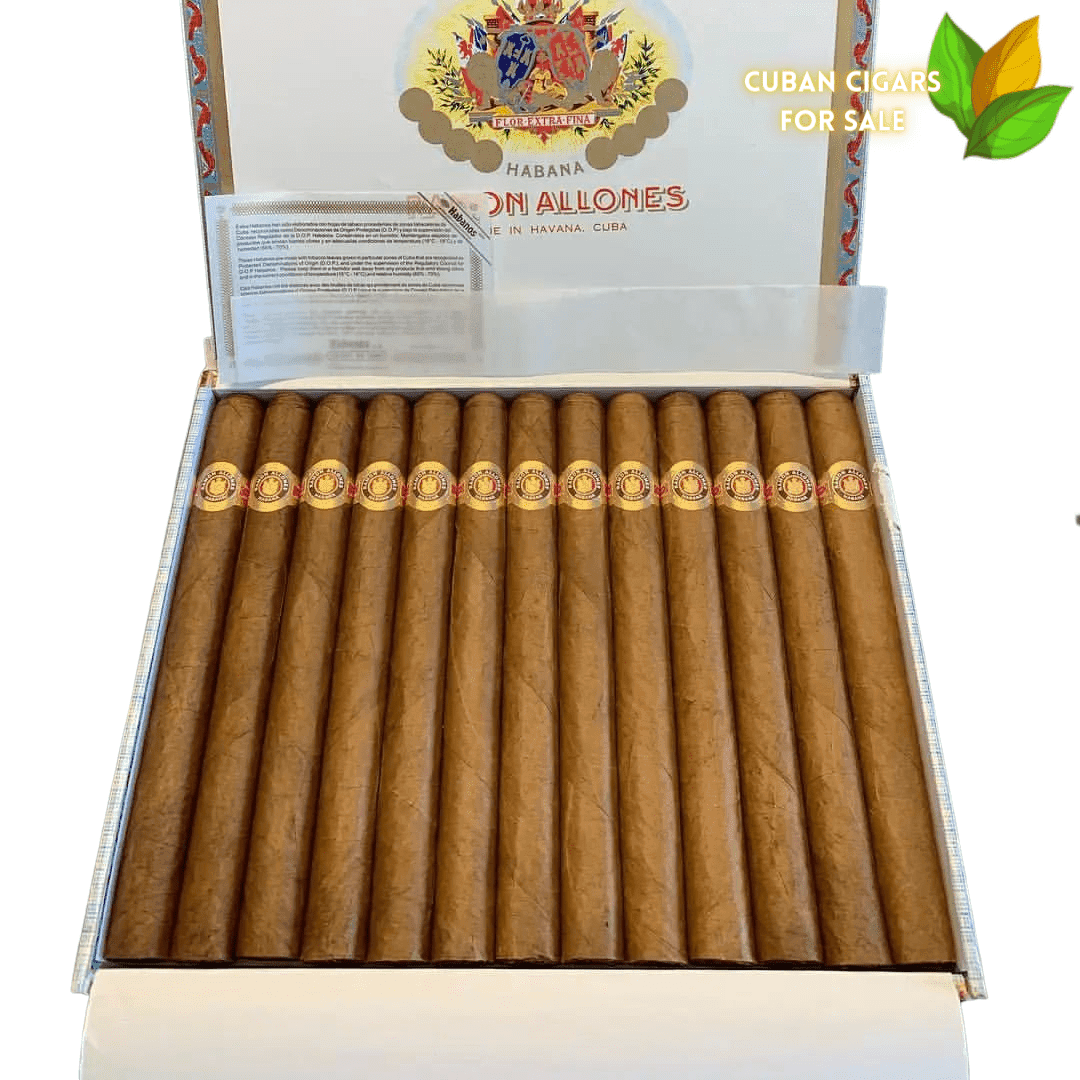
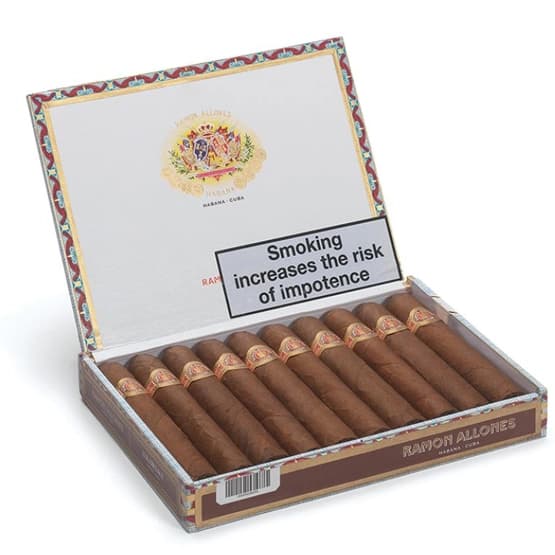
Packaging for the Panetelas was designed with preservation and presentation in mind. The cigars were housed in dress boxes, available in two configurations: cabinets of 25 or smaller bundles of 10. Crucially, each individual cigar was wrapped in cellophane. This protective layer was essential for maintaining the freshness and condition of the wrapper leaves, particularly for machine-made cigars which might not have the same structural integrity as hand-rolled counterparts. Finding a well-preserved box today often means finding that the cellophane has done its job in protecting the delicate tobacco inside.
The Modern Collector's Perspective
Since production halted decades ago, the Ramón Allones Panetelas has transitioned from a consumer product to a collector's item. Finding inventory in the wild is becoming increasingly difficult, and the remaining stock is almost exclusively found in the estates of seasoned collectors or specialized auctions. For those who do manage to acquire them, the experience offers more than just a smoke; it provides a sensory history lesson.
The slender 35 ring gauge represents a smoking style that prioritizes intensity and wrapper influence over the cooler, slower burn of modern giants. As the cigar continues to age, the machine-made construction can yield surprising complexity, transforming the tobacco into a mellow, nuanced experience that differs significantly from younger, hand-rolled robustos. While the Ramón Allones Panetelas may no longer roll off the production lines in Havana, its legacy persists as a fascinating footnote in the timeline of Cuban tobacco, reminding us of the formats that once defined the industry.