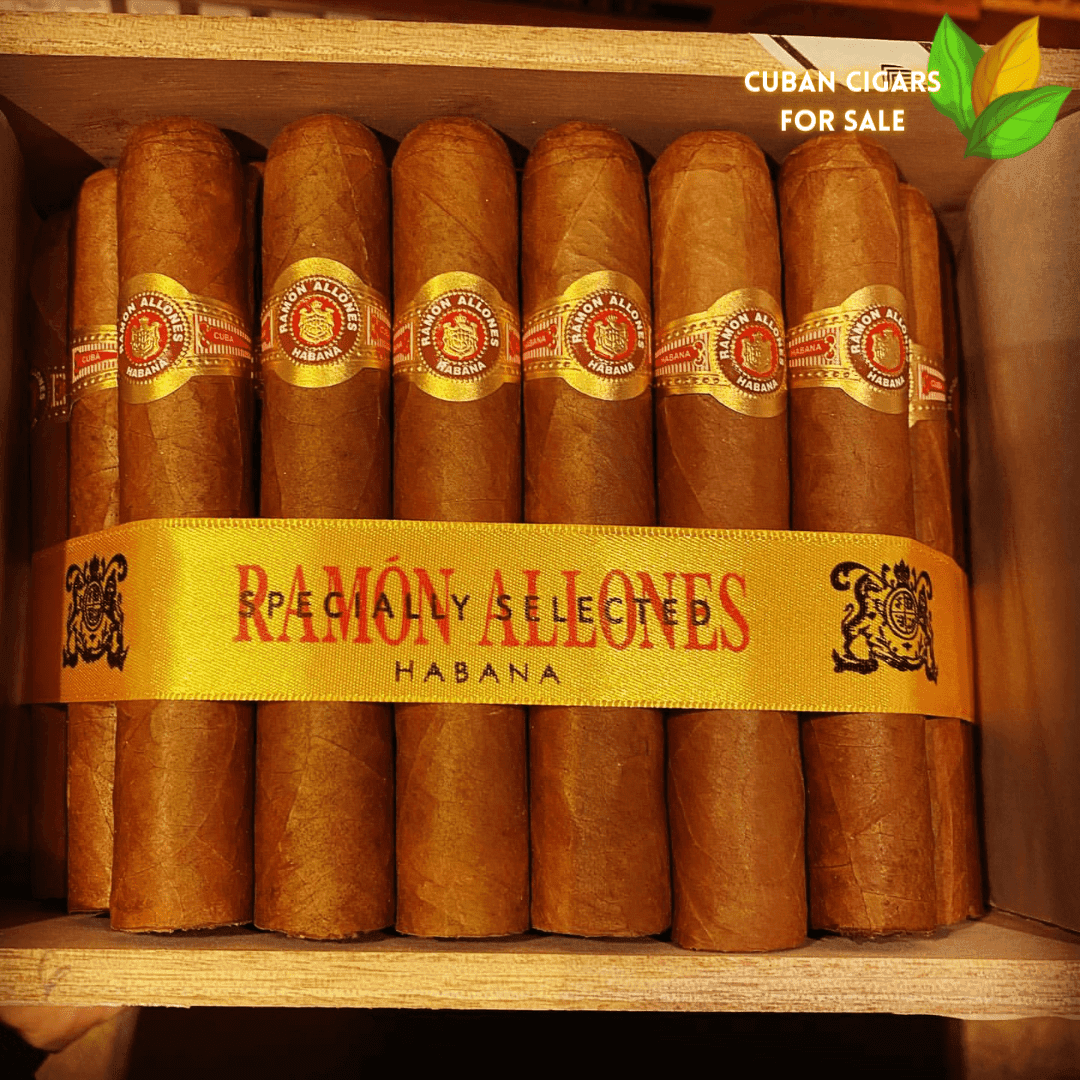
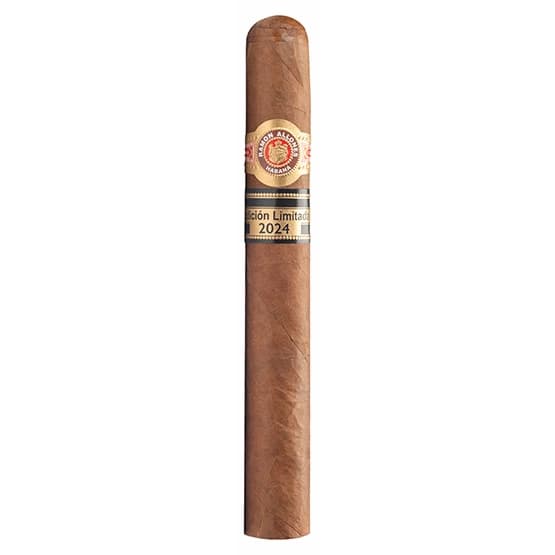
Among the treasured relics of Cuba's storied tobacco heritage lies a diminutive yet remarkable smoke that once graced the humidors of connoisseurs worldwide. The Ramón Allones Palmitas represents a fascinating piece of cigar history—a slender vitola that embodied elegance and tradition before vanishing from production lines in the 1990s. For collectors and enthusiasts who remember this delicate panatela, it remains a symbol of an era when Cuban manufacturers offered an impressive diversity of sizes and shapes to satisfy every palate and occasion.

Origins and Historical Significance
The Palmitas made its debut in the Cuban market well before the tumultuous events of 1959, establishing itself as one of the veteran formats within the prestigious Ramón Allones portfolio. This pre-Revolution introduction placed the cigar among the brand's original creations, giving it a special place in the annals of Cuban cigar craftsmanship. Remarkably, the Palmitas survived the sweeping transformations that reshaped Cuba's tobacco industry following the Revolution, continuing to be produced through subsequent decades and maintaining its presence in international markets under the Habanos distribution framework.
Despite its rich heritage and loyal following, the Palmitas ultimately succumbed to the shifting tides of consumer preference during the early 1990s. Like many of its slender-gauge counterparts, this elegant smoke fell out of favor as smokers increasingly gravitated toward thicker, more robust formats. The discontinuation marked the closing of a chapter for devotees who appreciated the patience and contemplation that the Palmitas demanded, offering a refined alternative to the bolder vitolas that dominated modern cigar culture.
Technical Details and Construction
Measuring precisely 152 millimeters—equivalent to six inches—in length while maintaining a纤细 32 ring gauge, the Palmitas epitomized the panatela style that once flourished in Cuban factories. This delicate combination produced a smoking experience that required both time and mindfulness, rewarding those who savored each draw with the characteristic Ramón Allones flavor profile condensed into a more ethereal presentation. The construction was entirely handmade, adhering to the traditional methods that have defined Cuban cigar production for generations.
Weighing in at just 5.68 grams, the Palmitas represented a featherweight option among the Ramón Allones offerings. Despite its modest dimensions, the cigar delivered the brand's signature complexity through a longer, more contemplative burn that allowed smokers to appreciate the nuanced evolution of flavors from first light to final puff. The slender profile also made it an ideal choice for those seeking a refined smoking experience without committing to an extended session.
Presentation and Packaging Options
Ramón Allones offered the Palmitas in two distinct packaging configurations, each catering to different market preferences and collector sensibilities. The Dress Box option, designated as B25, contained twenty-five cigars adorned with standard Ramón Allones bands marked as B and C. This presentation showcased the traditional branding that enthusiasts had come to recognize and associate with quality Cuban craftsmanship.
Alternatively, the Slide Lid Box, identified as SLB25, presented twenty-five band-less cigars in a more understated manner. This minimalist approach appealed to purists who preferred the raw elegance of the cigar without additional embellishments, and it also offered a more economical option for those focused on the smoking experience rather than visual presentation. This dual-packaging strategy reflected Habanos' understanding of diverse consumer preferences during the Palmitas' production years.
Collectibility and Lasting Legacy
Today, acquiring a well-preserved specimen of the Ramón Allones Palmitas has become a noteworthy achievement for serious collectors of vintage Cuban cigars. The scarcity of these discontinued vitolas has elevated their status among aficionados who view them as tangible connections to a bygone era of Cuban tobacco tradition. Finding a Palmitas that has maintained proper humidity and remains in smoking condition represents both a financial investment and a portal to historical sensory experience.
The disappearance of the Palmitas from regular production reflects broader industry dynamics that saw many thin-ring-gauge cigars phased out in favor of thicker, more commercially popular formats. However, for those who had the privilege of smoking this elegant panatela, it remains a cherished memory—a testament to the rich diversity that once defined Cuban cigar culture and a reminder of how market forces can reshape even the most treasured traditions.