Among the most coveted releases from Cuba's legendary tobacco houses is a thunderous newcomer that materialized in 2010, specifically tailored for the mountainous markets of South America. The Ramón Allones Gladiador represents a strategic deep dive into regional exclusivity, targeting the passionate smokers of Bolivia, Peru, and Ecuador with a production run so constrained it borders on mythology among collectors. This is the story of a cigar that transformed from regional novelty into global treasure, limited in number yet boundless in reputation.

A Regional Vision from Habanos
The Cuban cigar industry has long cultivated the art of regional exclusivity, creating special productions that celebrate specific markets while simultaneously generating intense collector fervor. The Gladiador emerged as a deliberate response to the growing appetite among Andean enthusiasts for something uniquely theirs— cigars bearing their regional identity, produced in quantities that would never satisfy widespread demand. This philosophy of scarcity transforms every box into a potential artifact, every individual smoke into a conversation piece that transcends mere tobacco consumption.
The secondary band designating "Andino B.P.E." serves as both geographic marker and badge of honor. These letters represent the collective identity of Bolivia, Peru, and Ecuador, nations whose shared appreciation for premium cigars inspired this limited intervention. Unlike mass-produced releases destined for global distribution, the Gladiador would never cross these borders into neighboring territories, remaining forever tethered to its intended audience.
Engineering Excellence: Technical Specifications
The Gladiador was conceived as an entirely new vitola within the Ramón Allones catalog, breaking from the marca's traditional sizes to introduce a format specifically engineered for this release. This Fresh iteration measures 170 millimeters—approximately six and three-quarter inches—delivering a substantial smoking experience that commands time and attention. The 52-ring gauge provides a robust middle ground between approachable parejos and the more imposing formatos, allowing the blender's vision to express itself across a meaningful duration.
Construction falls entirely under the handmade category, with skilled torcedors dedicating their expertise to rolling each specimen with precision. The factory designation of Fortunas references a traditional Cuban vitola that has served various marca over generations, though the Gladiador's specific blend remains a carefully guarded interpretation of Ramón Allones' signature character. At 16.44 grams per cigar, the weight reflects the substantial tobacco within, promising a complex evolution as the burn progresses through its distinct stages.
Scarcity as Philosophy: Packaging and Production
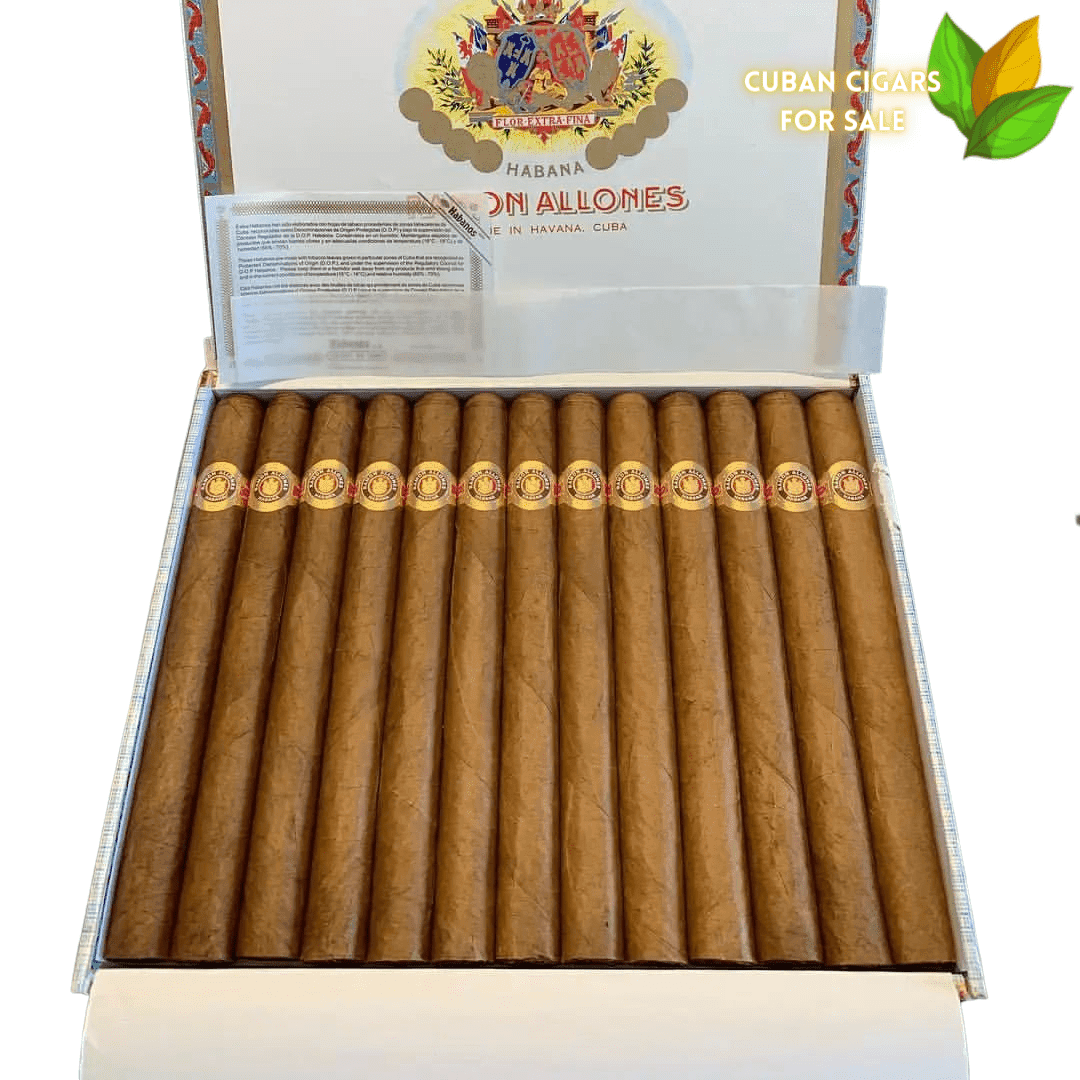
Habanos S.A. implemented severe constraints on the Gladiador's availability, recognizing that true exclusivity requires sacrifice. The entire production consisted of merely five hundred numbered boxes, each housing fifty individual cigars—translating to a mere twenty-five thousand total specimens in existence. This arithmetic of limitation transforms basic ownership into an achievement, separating casual smokers from dedicated aficionados willing to navigate the restricted channels of regional distribution.
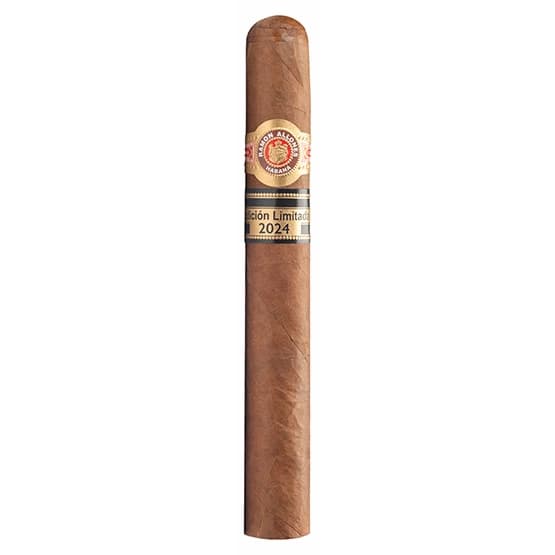
The presentation maintains the dignity expected of premium Cuban releases while incorporating distinctive markers of authenticity. Each cigar receives the standard Ramón Allones primary band—designated internally as Band D—ensuring immediate recognition among those familiar with the marca's visual identity. The secondary regional band provides the critical distinction, clearly communicating the Andino B.P.E. origin that defines this particular production's legitimacy and collectibility.
Collectible Status and Lasting Appeal
Serious collectors have identified the Gladiador as a cornerstone acquisition, understanding that its combination of factors creates a perfect storm of desirability. The one-time production nature means no additional supply will ever materialize to satiate demand, while the regional restriction ensures that even affluent enthusiasts outside the designated markets cannot easily obtain legitimate specimens. This structural scarcity operates alongside the appeal of owning a previously nonexistent vitola—an entirely new chapter in the Ramón Allones narrative.
The investment potential extends beyond mere speculation, grounded in the fundamental dynamics of constrained supply meeting persistent interest. As time passes and consumption gradually reduces the available inventory, each remaining box and cigar gains both monetary and sentimental value. The Gladiador represents more than tobacco—it embodies the strategic brilliance of regional marketing within the Cuban cigar industry, transforming geographic limitations into coveted advantages that will only appreciate as the market matures and the remaining stock diminishes.