Among the storied names in Cuban cigar heritage, Ramón Allones carved out a reputation for delivering bold, satisfying smokes that appealed to enthusiasts seeking intensity without pretense. One particular vitola from this house—the Belvederes—served as a bridge between the brand's premium ambitions and everyday accessibility for decades. Though production ceased in 2005, this slender machine-made offering remains significant within the context of Cuban cigar evolution, representing an era when mass-produced cigars coexisted alongside hand-rolled masterpieces.

Origins and Historical Significance
The Belvederes made its debut well before the dramatic transformations of the Cuban cigar industry in the 1960s, establishing itself as one of the longest-running formats within the Ramón Allones portfolio. Its presence spanning multiple generations demonstrates the staying power of certain vitola sizes, particularly those that fulfill practical smoking needs without demanding premium prices. The brand itself, known for its robust character and distinctive flavor profile, found the Belvederes to be an effective ambassador—introducing newcomers to Ramón Allones' fuller-bodied approach through an affordable, consistent vehicle. This continuity for over four decades reflects both manufacturing reliability and genuine consumer demand, making its eventual retirement all the more notable when it arrived in the mid-2000s.
Technical Specifications
Understanding the physical characteristics of the Belvederes provides insight into its smoking character and appeal. The vitola measured 125 millimeters in length—approximately four and seven-eighths inches—positioning it as a moderately sized smoke suitable for various occasions. Its ring gauge of 39 placed it firmly in the slimmer category, a dimension that has become increasingly uncommon in contemporary premium cigar markets where thicker ring gauges often dominate enthusiast preferences.
The construction methodology distinguished this particular release from the hand-rolled expressions that typically command attention in discussions of premiumCuban cigars. As a machine-manufactured product, the Belvederes prioritized uniformity and value, appealing to smokers who appreciated consistency over the inherent variability that comes with handcraftsmanship. The official weight of 6.43 grams further contextualizes its place within the Ramón Allones range, representing a lighter, more economical option compared to the brand's more substantial offerings.
Construction, Presentation, and Banding
The physical presentation of the Belvederes followed conventions established during its era of production. Band configurations designated as B and C adorned the specimens, reflecting standard Ramón Allones branding practices of the period. These identifiers corresponded to specific band designs that collectors and enthusiasts would recognize as part of the brand's visual identity.
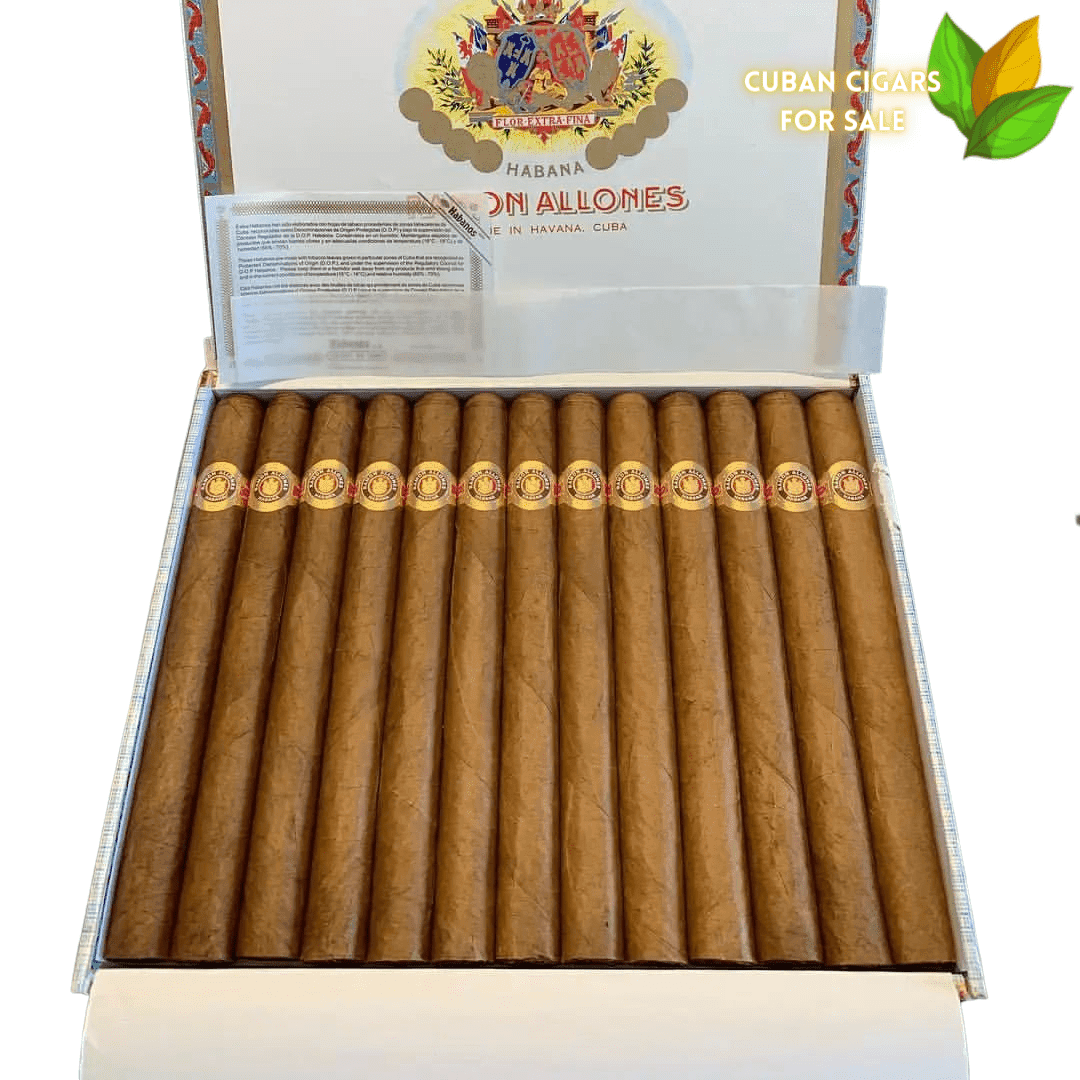
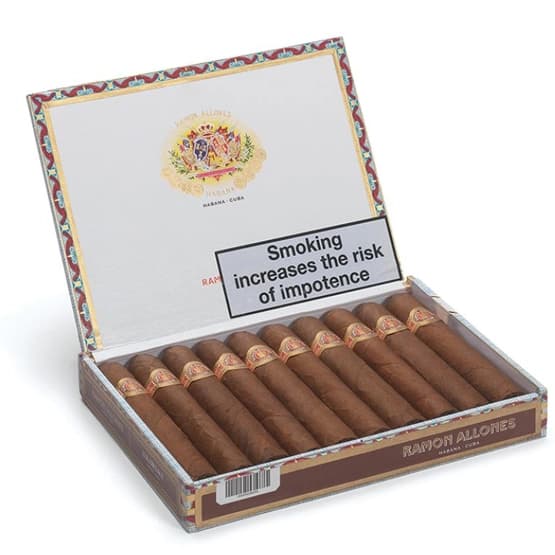
Packaging arrangements followed industry standards of the time, with quantities of 25 cigars nested within dress boxes. Some iterations received individual cellophane sleeves, offering additional protection during storage and transit—a consideration that proved valuable for maintaining freshness over extended periods. The combination of practical packaging and machine-made construction contributed to the Belvederes' reputation as a workhorse smoke, reliable for daily enjoyment rather than special occasion reverence.
Discontinuation and Contemporary Relevance
The decision to retire the Belvederes in 2005 aligned with broader shifts occurring within the Cuban cigar industry. As market preferences gravitated toward hand-rolled premium expressions and brands streamlined their offerings, machine-made vitolas faced increasing pressure to justify their continued production. The Belvederes, despite its rich history, ultimately fell victim to these economic and aesthetic realignments.
However, the story of this format did not conclude with its official discontinuation. Remaining stock occasionally emerges in collector circles and secondary markets, presenting opportunities for curious enthusiasts to experience a piece of Ramón Allones history. These survivals fetch varying prices depending on storage conditions and provenance, serving as tangible connections to an era when machine-made cigars played a more prominent role in Cuban tobacco culture.
For those drawn to Ramón Allones' characteristic intensity, the brand continues offering hand-rolled alternatives that carry forward its legacy of robust, flavorful smoking experiences. While the Belvederes may no longer grace retail shelves, its influence persists in the brand's identity and in the memories of those who enjoyed its dependable character throughout its remarkable production run.