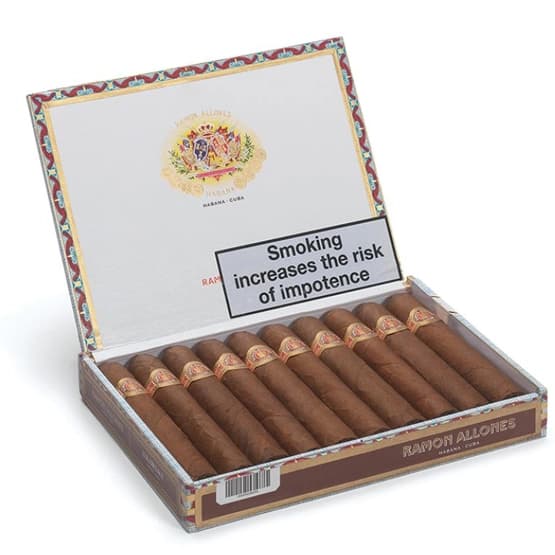
Among the myriad treasures held within the annals of Cuban tobacco lore, few items spark as much curiosity as the discontinued vitolas of yesteryear. The Ramón Allones Aristocrats stands as a prime example of this lost heritage, a cigar that has vanished from production yet continues to captivate the imagination of serious collectors. No longer rolling off the factory lines, this cigar represents a specific moment in time—a bridge between the golden age of pre-revolution Havana and the restructuring of the nationalized industry. For the modern enthusiast, the Aristocrats is more than just a smoke; it is a tangible piece of history that survives only in the humidors of dedicated archivists and the pages of reference books.

A Glimpse into Pre-Revolutionary Havana
The story of the Aristocrats begins in an era that purists often romanticize: the pre-1960 landscape of Cuban cigar manufacturing. Ramón Allones, a brand with a deep-rooted legacy for producing robust and characterful tobacco, introduced this size to the market long before the political upheavals that would reshape the island's economy. During this period, the brand was already a titan, celebrated for its full-bodied profiles and commitment to quality craftsmanship.
However, the lifespan of the Aristocrats was surprisingly brief in the grand scheme of Cuban cigar history. While it weathered the initial transition following the revolution, the vitola ultimately met its end during the 1970s. This decade was marked by significant consolidation within the Cuban tobacco industry, where many traditional sizes were streamlined out of existence. The discontinuation of the Aristocrats left a void in the Ramón Allones catalog, marking the end of an era for this particular slender format and turning it into a relic of a bygone age.
Defining the Petit Cetros Format
To understand the Aristocrats, one must first look at its technical specifications, which were defined by the factory name Petit Cetros. This classification speaks to the aesthetic preferences of the mid-20th century, a time when elegance and slenderness were prized over the thick ring gauges popular today. The cigar was a study in proportion and balance, designed for the discerning smoker of the time who valued refinement over brute strength.
The technical details of the vitola were as follows:
- Factory Name: Petit Cetros
- Dimensions: 129 mm (5 1/8 inches) in length with a 40 ring gauge
- Official Weight: 7.75 grams
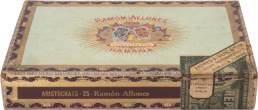
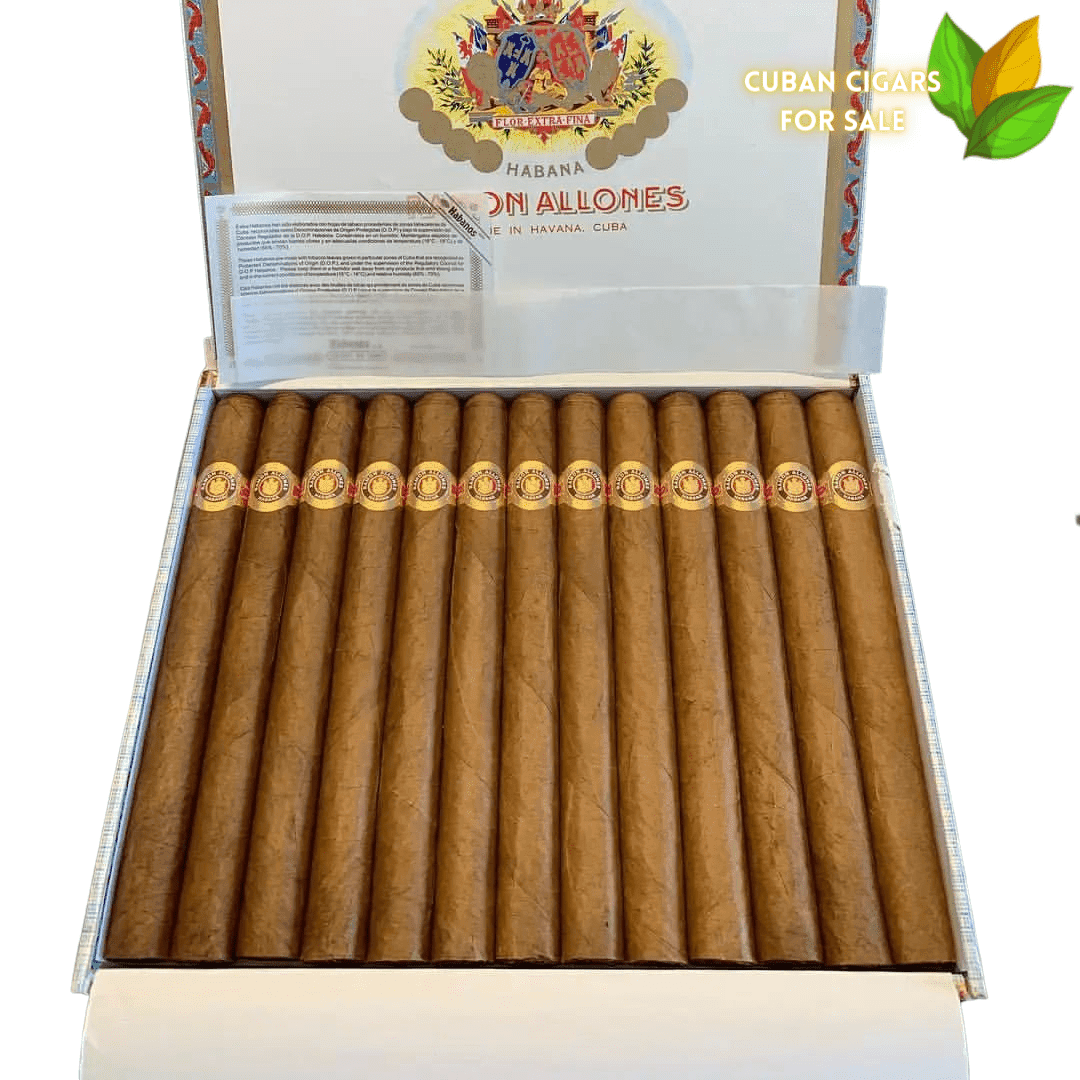
- Packaging: Dress boxes containing 25 cigars
- Band: Standard Band B
The presentation was classic Ramón Allones. Housed in dress boxes of 25, the cigars bore the Standard Band B, signaling their pedigree to aficionados immediately. Every aspect of its construction was done by hand, adhering to the traditional methods that defined the brand's premium status. This attention to detail ensured that the visual appeal of the cigar matched its reputation for quality.
The Art of the Thin Ring Gauge
In the contemporary market, where 50+ ring gauges often dominate the shelves, the 40-ring gauge of the Aristocrats offers a distinct contrast. The Petit Cetros format provided a smoking experience that balanced duration with intensity. At just over five inches, the cigar was long enough to offer a substantial session, yet the slender 40-ring gauge ensured a focused flavor profile that differed significantly from modern robustos.
Thinner cigars are renowned for delivering a more concentrated taste, as the ratio of wrapper leaf to filler is significantly higher than in thicker vitolas. The wrapper, often the most expensive and flavorful component of a cigar, plays a dominant role in the smoking experience of the Aristocrats. This construction allows for a nuanced expression of the Ramón Allones blend—one that emphasizes the grassy, earthy, and spicy notes of the wrapper, rather than just the bulk flavors of the filler tobaccos. The handmade construction also ensured that the draw would be consistent, a critical factor for thinner formats where air-flow resistance can make or break the experience.
A Discontinued Relic
Today, finding a box of Ramón Allones Aristocrats is akin to discovering a time capsule. Because production ceased in the 1970s, any remaining stock has aged for decades, transforming the tobacco into something entirely different from its original intent. The cigar serves as a reminder of the rich diversity that once permeated the Cuban cigar industry. Before standardization became paramount, brands like Ramón Allones offered a wider array of shapes, many of which—like the Aristocrats—have since faded into obscurity.
The discontinuation during the industry's restructuring phase was not a reflection of quality, but rather a strategic consolidation of resources. For students of Habanos history, the Aristocrats remains a poignant symbol of a changing industry. Its disappearance reflects the broader narrative of Cuban tobacco, where economic realities and shifting consumer trends dictate which vitolas survive and which become legends. While it is no longer available to the general public, the legacy of the Aristocrats lives on as a benchmark for the elegant, full-flavored style that Ramón Allones championed decades ago.