When the smoke of a classic Cuban cigar curls through the air, it often carries with it a story that spans decades. The Ramón Allones Allones No.1 is one of those tales, a time‑worn vitola that once filled the humididors of the mid‑20th century before disappearing from the shelves. For collectors and aficionados, it represents more than just a smoke; it is a tangible link to an era when the island’s tobacco fields supplied the world with legendary hand‑rolled treasures. This guide re‑examines the Allones No.1, distilling its history, technical details, and the reasons it still commands reverence in the world of vintage cigars.

A Glimpse Into the Past
Ramón Allones, a brand founded in the heart of Havana, has long been celebrated for its bold blends and refined presentation. The Allones No.1 entered the scene before the cultural upheaval of the late 1950s, joining a lineup that emphasized robust flavor and meticulous craftsmanship. As Cuba navigated its revolutionary transformation, the No.1 managed to survive the early years of nationalization, maintaining its place on the market until the 1970s. Its discontinuation marked the end of an era for a regular‑production vitola that had become a quiet favorite among seasoned smokers. Today, the surviving pieces of this once‑common stick are prized not only for their flavor but also for the narrative they embody.
Technical Profile
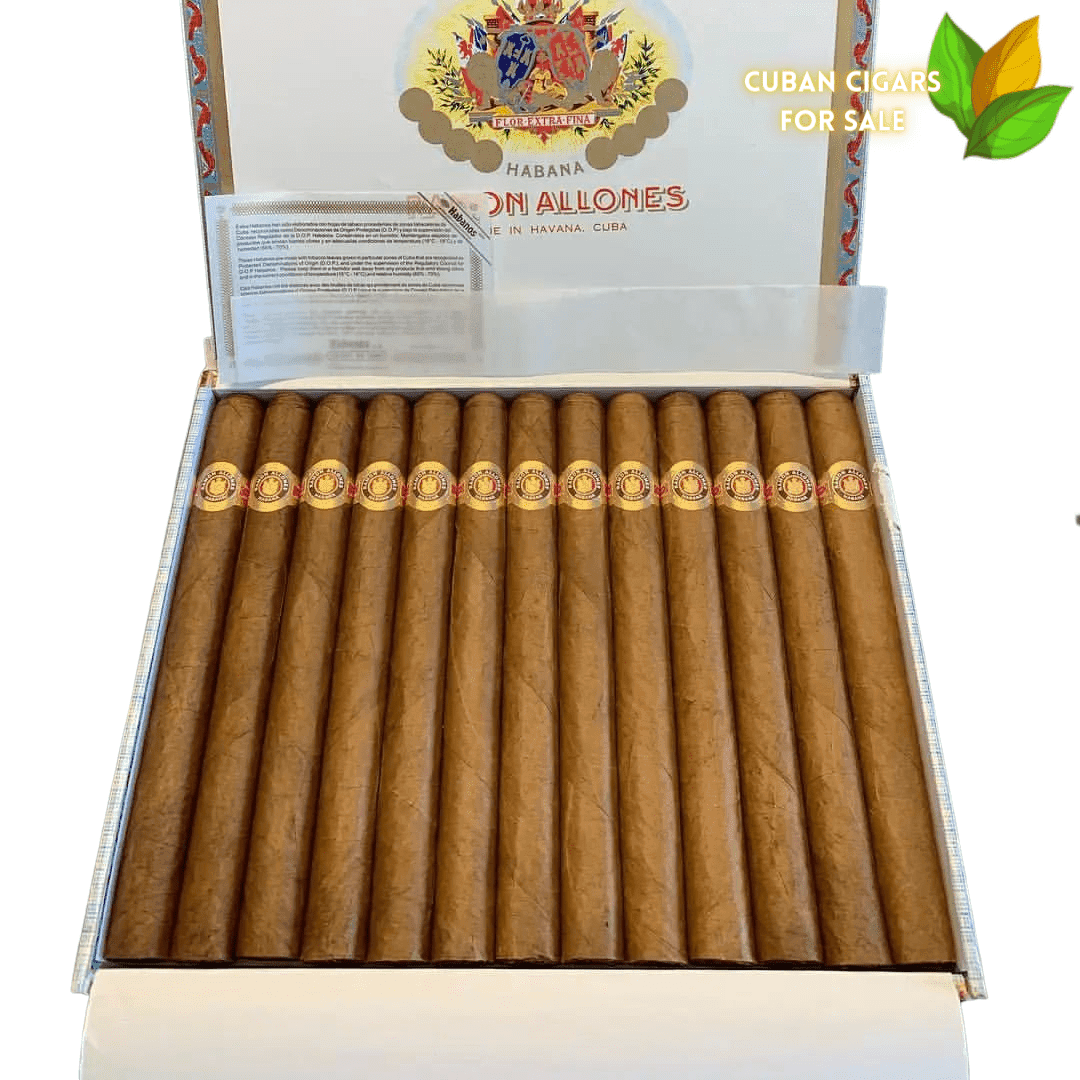
Understanding the Allones No.1 begins with its physical attributes. Below is a concise rundown of the essential measurements and construction details that define this historic smoke.
- Factory Name: Dalias – a designation that situates the cigar within the Cuban naming hierarchy.
- Ring Gauge: 43 – a classic parejo size that offers a balanced draw.
- Length: 170 mm (approximately 6¾ inches) – providing a moderate smoking duration.
- Weight: 11.86 g – a lightweight profile for its dimensions.
- Construction: Hand‑made – a testament to the skilled torcedors who shaped each leaf.
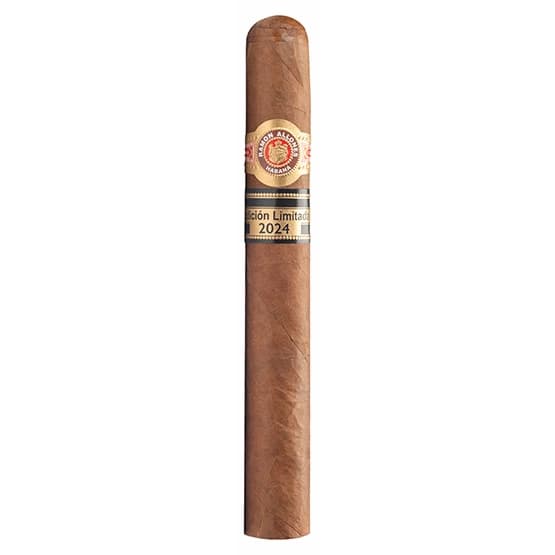
- Band Style: Standard Band B – a visual cue that identifies the brand’s typical aesthetic.
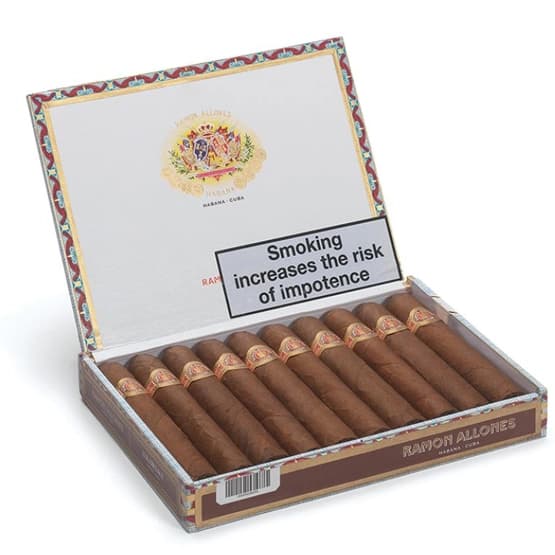
- Packaging: Dress box of 25 cigars – the conventional presentation for this vitola.
Chronology of Production
The timeline of the Allones No.1 mirrors the broader arc of Cuban cigar manufacturing. It first appeared on the market prior to 1960, quickly establishing a foothold among smokers who appreciated its medium‑full body and consistent burn. Throughout the early revolutionary period, the cigar remained part of the brand’s core offerings, adapting to the shifting political landscape while preserving its signature blend. By the early 1970s, however, the No.1 was phased out, a victim of changing consumer preferences and production adjustments within the state‑run factories. The cessation of its regular production turned the cigar into a scarce artifact, prompting collectors to seek out the few boxes that survived the decades.
Why the No.1 Still Captivates Collectors
The allure of the Allones No.1 extends beyond mere nostalgia. Its discontinuation means that each remaining example is a finite resource, and the passage of time often translates into nuanced aging profiles that newer releases rarely achieve. For those interested in tracing the evolution of the Ramón Allones portfolio, the No.1 serves as a benchmark—an early expression of the brand’s house style before later modifications altered its flavor matrix.
Preserving a Piece of Cigar Heritage
Proper storage is essential to maintain the integrity of a vintage cigar. Keeping the Allones No.1 at a stable relative humidity of 68‑72 % and a temperature around 18‑20 °C (65‑68 °F) helps prevent the wrapper from drying out and protects the internal oils that contribute to its character. A well‑seasoned humidor, free from strong odors, will allow the cigar to age gracefully, preserving the subtle complexities that have developed over decades. When handled with care, the Allones No.1 remains not just a collector’s item, but a living testament to a bygone chapter of Cuban cigar-making.