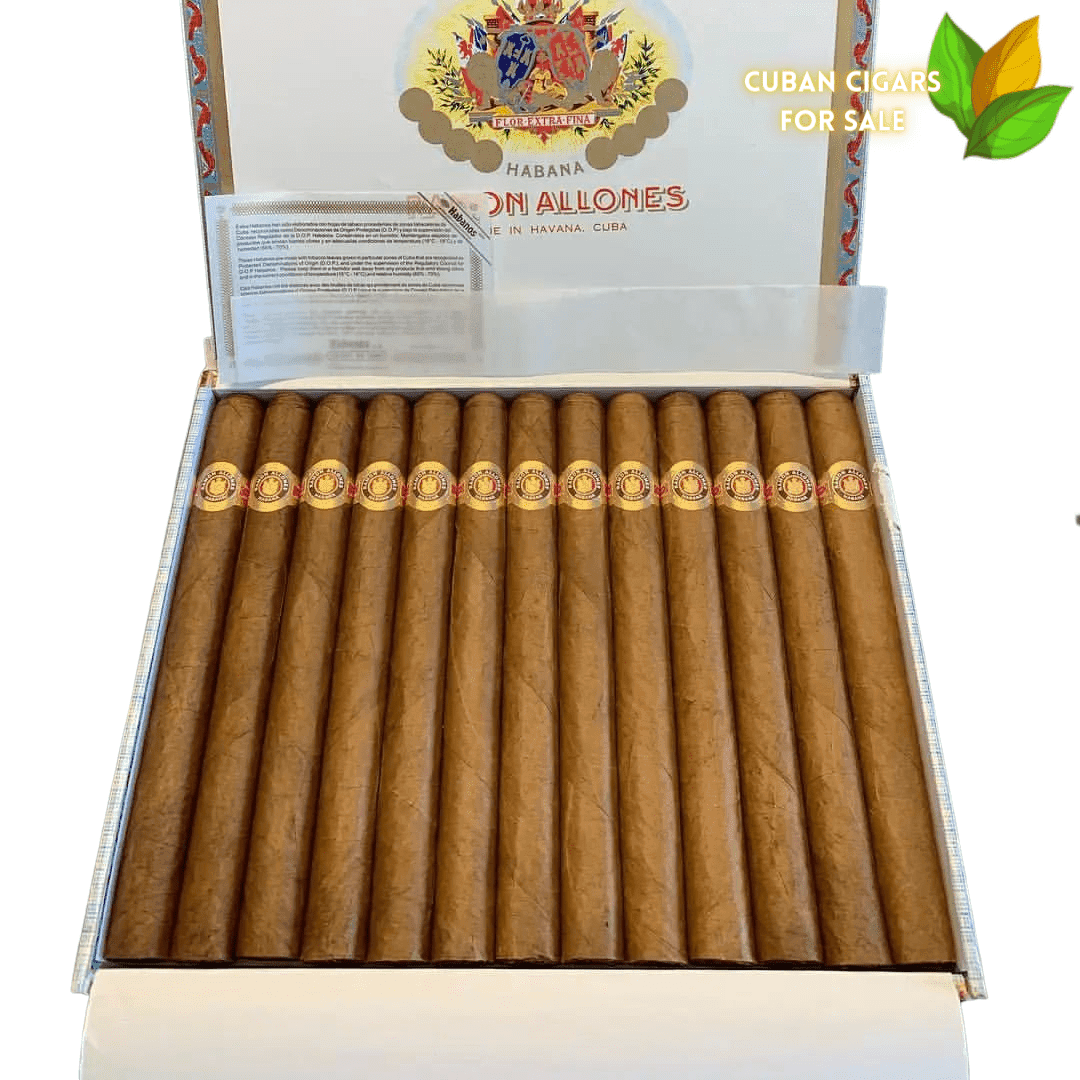
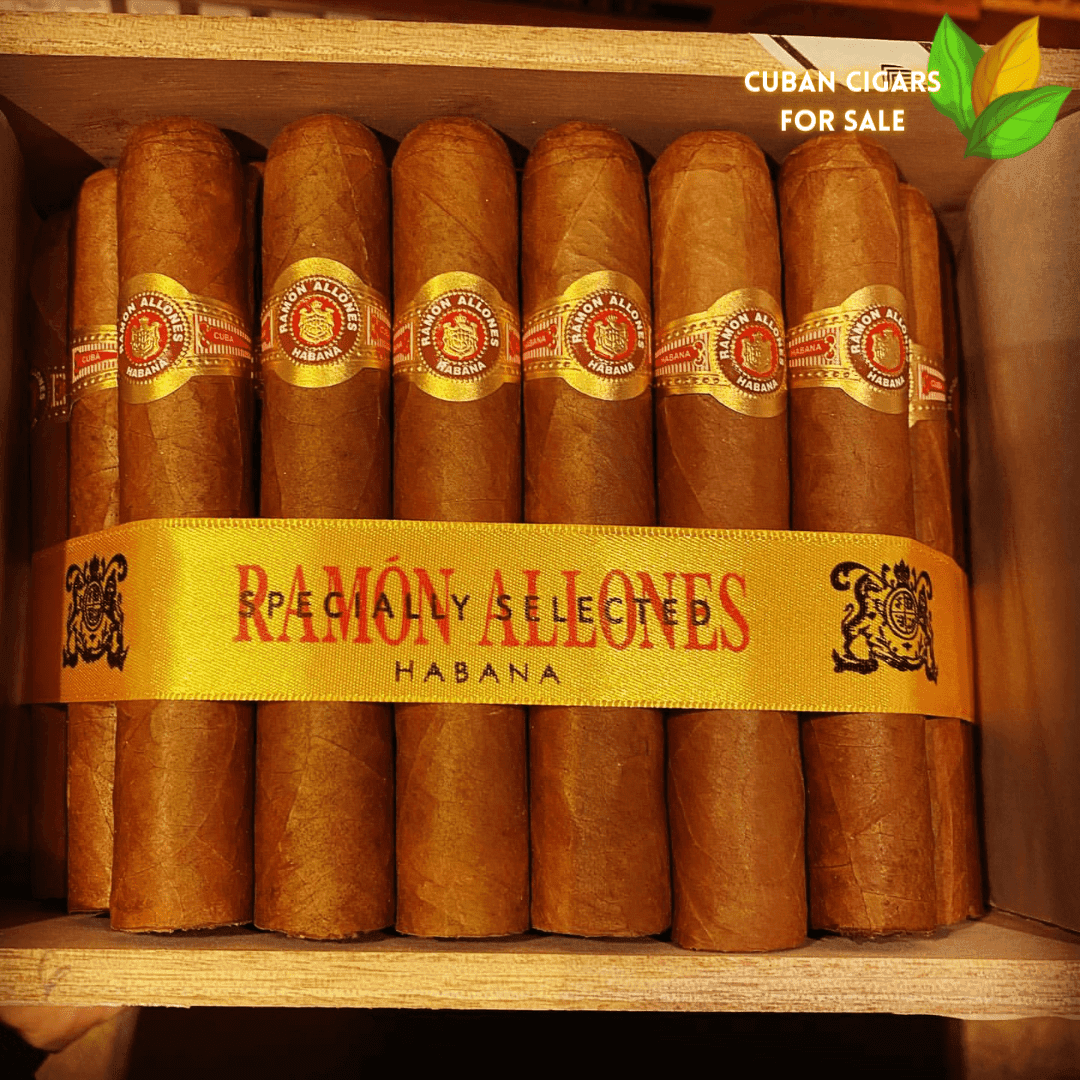
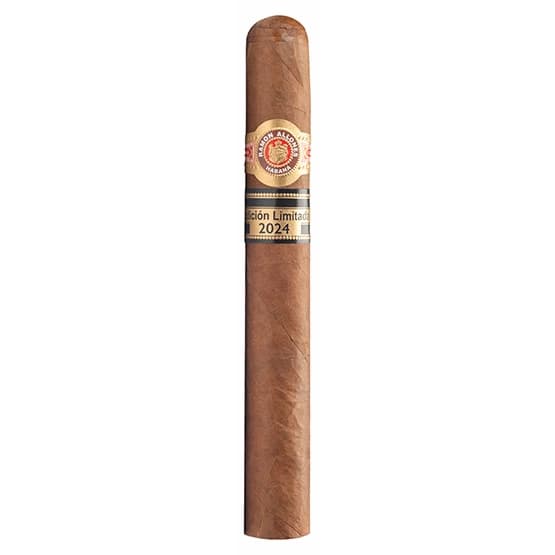
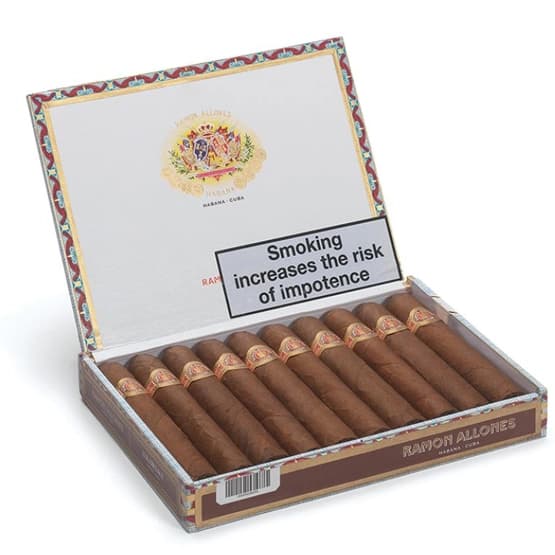
For the discerning aficionado, the journey into the world of Cuban cigars often begins with a visual cue: the paper band encircling the wrapper. While the tobacco within speaks to the palate, the band itself tells a story of heritage, corporate evolution, and artistic design. Nowhere is this more evident than in the legacy of Ramón Allones. As one of the oldest and most revered brands to emerge from Havana, its packaging has undergone a fascinating transformation that mirrors the broader history of the Cuban cigar industry. Decoding these rings offers a unique window into the past, allowing collectors to trace the lineage of their smokes through typography, embossing, and color.
The Evolution of Standard Manufacturing Bands
Throughout its extensive history, Ramón Allones has utilized a series of primary band designs that serve as the benchmark for dating specific boxes. These standard bands are categorized by collectors into distinct groups, each representing a specific era of production and stylistic preference. The transition from one design to the next often signaled shifts in manufacturing technology or changes in the brand's visual identity.
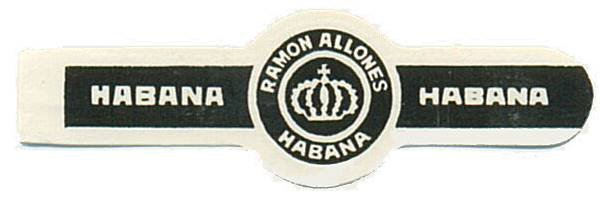
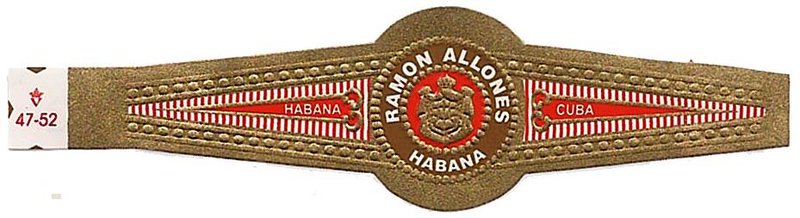
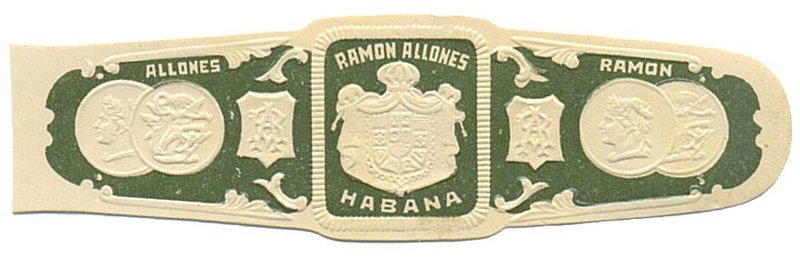
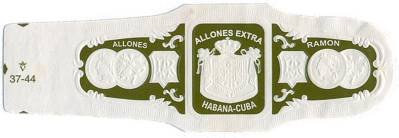
The earliest classification, known as Standard Band A, represents a design ethos rooted in the mid-20th century. Used from the pre-1960 era until approximately 2005, this ring was specifically engineered for cigars with slender ring gauges. Collectors can identify this variant by its smooth, non-embossed finish, a production characteristic that distinguishes it from the more textured bands that would follow. This band serves as a marker for a bygone era of cigar making, representing decades of traditional production before modern updates took hold.
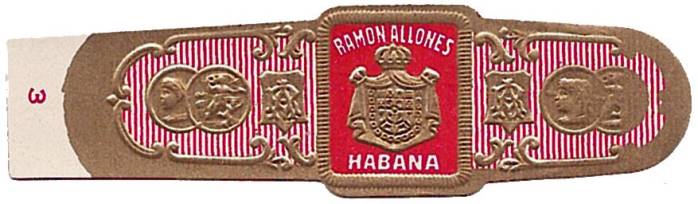
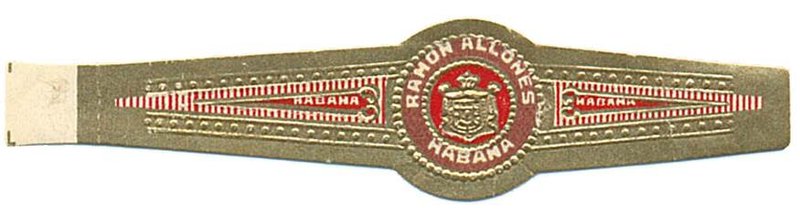
Following the smooth finish of Band A, the brand introduced Standard Band B. This design, which features distinct embossed detailing, was the standard from the pre-1960s until the early 1970s. The shift toward embossing added a tactile element to the smoking experience, reflecting a growing trend in luxury packaging during that period. However, around 1972, the brand transitioned again to Standard Band C. This design retained the embossed aesthetic and remained in circulation for over three decades, finally ceasing production around 2008.
In the modern era, Ramón Allones has adopted Standard Band D. This current design, which began appearing on Regional Editions around 2006 and became the standard for regular production circa 2008, represents a significant upgrade in visual sophistication. It features enhanced detailing, updated typography, and a refined embossing technique that signals the brand's commitment to contemporary luxury standards.
Regional Editions and Niche Variations
Beyond the standard production lines, Ramón Allones has developed a reputation for creating bespoke bands for regional distributors and special anniversaries. These limited runs provide some of the most sought-after collectibles in the hobby, often harkening back to the brand's archival designs while celebrating specific markets.
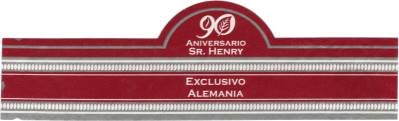
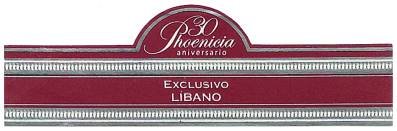
One notable example is the band created for the Phoenicia 30 Aniversario. Released for the Lebanese market, this design explicitly references the aesthetic of the vintage Standard Band B, replicating its classic look to honor three decades of partnership. The band proudly displays "Líbano," marking its exclusivity for that specific region. Similarly, the German market received a unique treatment with the 90 Aniversario Sr. Henry release. This specially commissioned ring was designed to celebrate a nine-decade milestone, featuring unique elements reserved for that specific occasion.
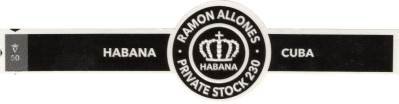
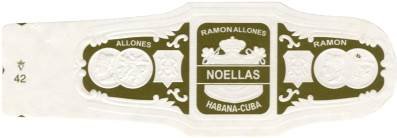
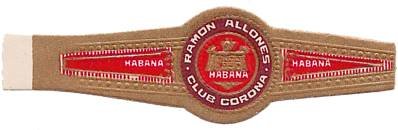
Other specific vitolas have also received personalized attention. The Club Coronas, for instance, utilized an early variant of the Standard Band C that broke convention by prominently displaying the vitola name directly on the ring. The Special Noellas band draws inspiration from the classic Standard Band B design, while the Private Stock 230 release features a completely distinct aesthetic tailored to that specific release.
The Pursuit of Vintage Artifacts
For serious collectors, the "holy grail" items often predate the standardized classifications of the modern era. The most coveted pieces are the early band designs that showcase the raw history of the brand. Among these, the Early Red Version of Standard Band B stands out as a significant historical artifact. These vintage rings offer a glimpse into the brand's earliest branding efforts, differing subtly in shade and print quality from later iterations.
The study of these bands is more than an exercise in aesthetics; it is a method of authentication and historical preservation. As printing technologies and distribution networks evolved, so too did the paper rings that identified the product. Understanding the timeline—from the smooth, slender bands of the mid-century to the intricately embossed modern designs—allows enthusiasts to fully appreciate the narrative wrapped around every Ramón Allones cigar.